 Free shipping on orders over £29,85
  Shipping Tracking!


 Google
 Facebook
← Back to What to use as a mould for resin?
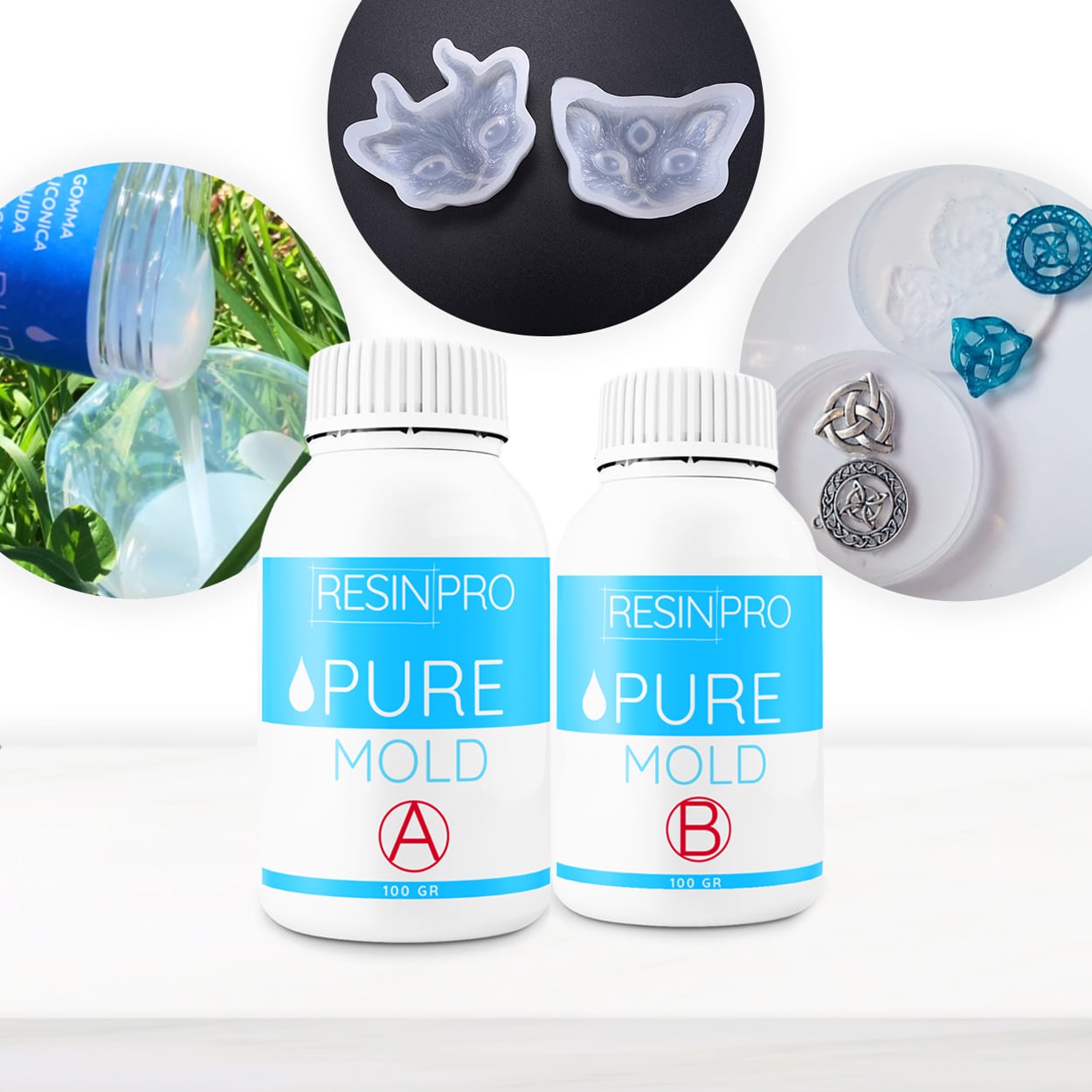
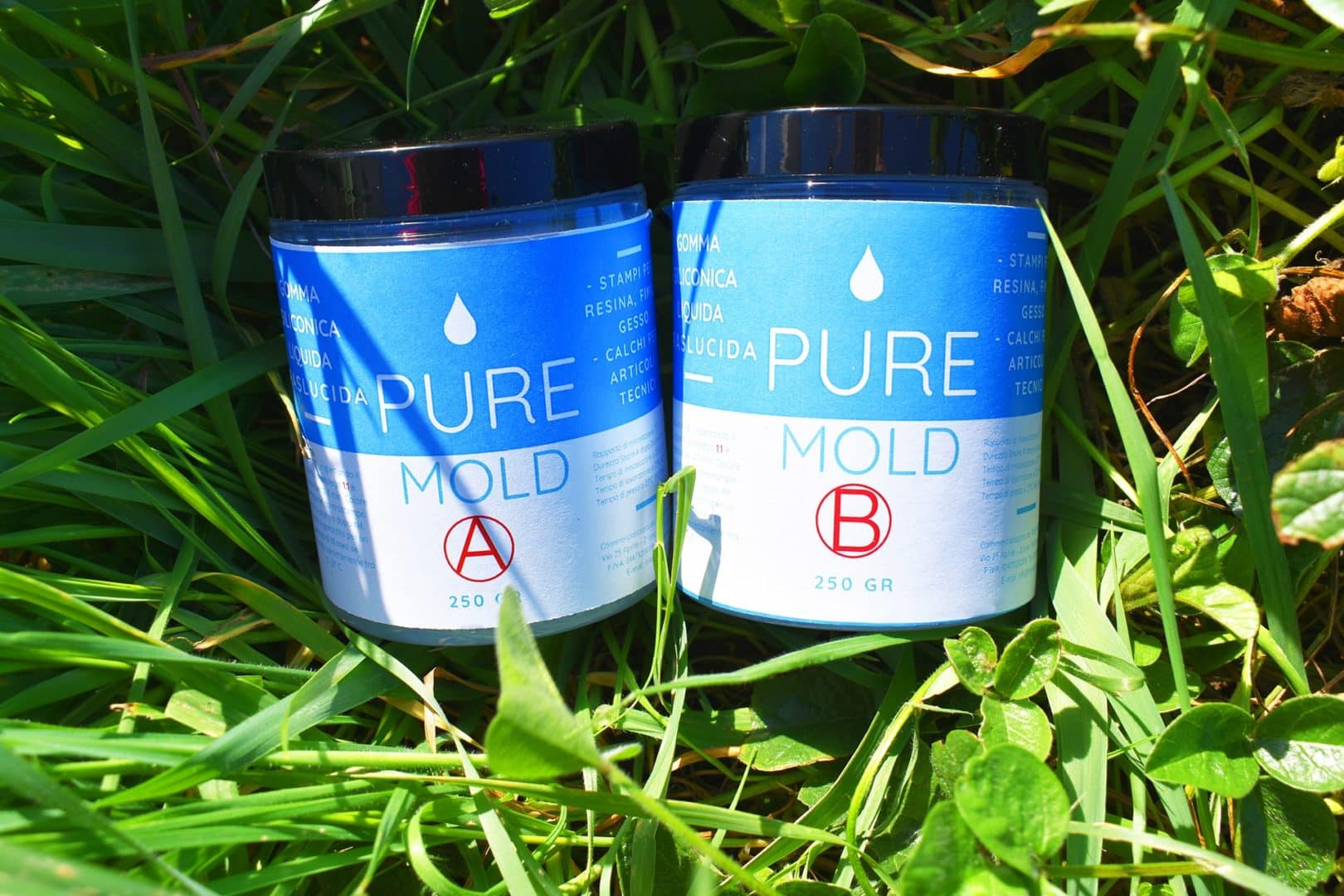
If you’re weighing up the best mould material for resin projects, you may wonder whether silicone outperforms plastic or metal. Here’s a practical look at their differences so you can make an informed choice for your next casting.
Silicone vs. Rigid Moulds: Key Differences
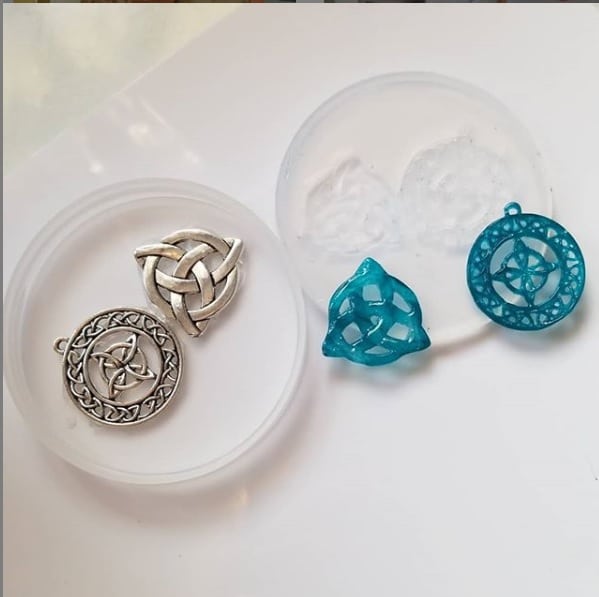
Silicone moulds offer flexibility and detail that rigid plastic or metal alternatives struggle to match. The pliability of silicone makes it far easier to remove cured resin without risk of breakage or damaging any fine features. This is particularly valuable when your casting involves intricate patterns or deep undercuts that can be tricky with less forgiving materials.
- Flexibility: Silicone bends to release even delicate or complex pieces.
- Detail reproduction: High-quality silicone moulds capture subtle textures and shapes with accuracy.
- Reusable strength: Designed for repeated use, silicone resists wear and tear over time.

Where Plastic and Metal Moulds Fall Short
Plastic and metal moulds may seem robust but often introduce challenges in resin work. Their rigid nature can make demoulding difficult, and you may need to use release agents. Fine details are also more likely to remain lodged or damaged during removal, especially with designs featuring overhangs or complex geometry. For single-use simple shapes, plastic might suffice—but for creative, reusable results, silicone is generally more forgiving and reliable.
Choosing and Using Silicone Moulds
When selecting a silicone mould for resin, look for quality materials designed for repeated casting. Products such as the “Pure Mould” translucent liquid silicone rubber allow you to create custom moulds that are flexible, detailed, and easier to demould. Most can handle both epoxy and polyester resins, along with other casting materials. To extend mould life, avoid harsh cleaning agents and store your moulds away from sunlight and heat sources once clean and dry.
When This Matters Most
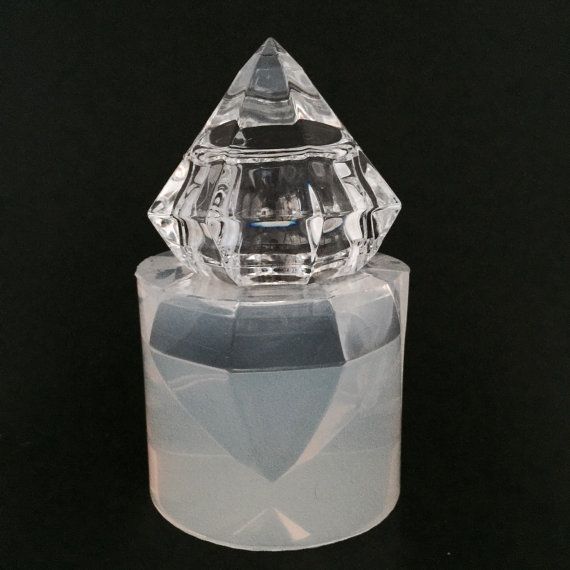
Opting for silicone really counts when your design features fine engraving, deep recesses, or you plan on making multiple identical pieces. It’s the smart choice for jewellery, decorative keepsakes, coasters, or any craft where finish and detail matter.
Related products
Related guides
For consistently smooth resin results with clear details, silicone moulds offer significant advantages over plastic and metal. To explore more about suitable mould options, see our main guide on what to use as a mould for resin.