 Free shipping on orders over £29,85
  Shipping Tracking!


 Google
 Facebook
← Back to What can be used instead of resin?
Understanding the curing time is key when deciding between mineral and polyurethane resin for your creative projects. The speed and process can influence both your planning and your results.
Mineral Resin: A Steady Approach
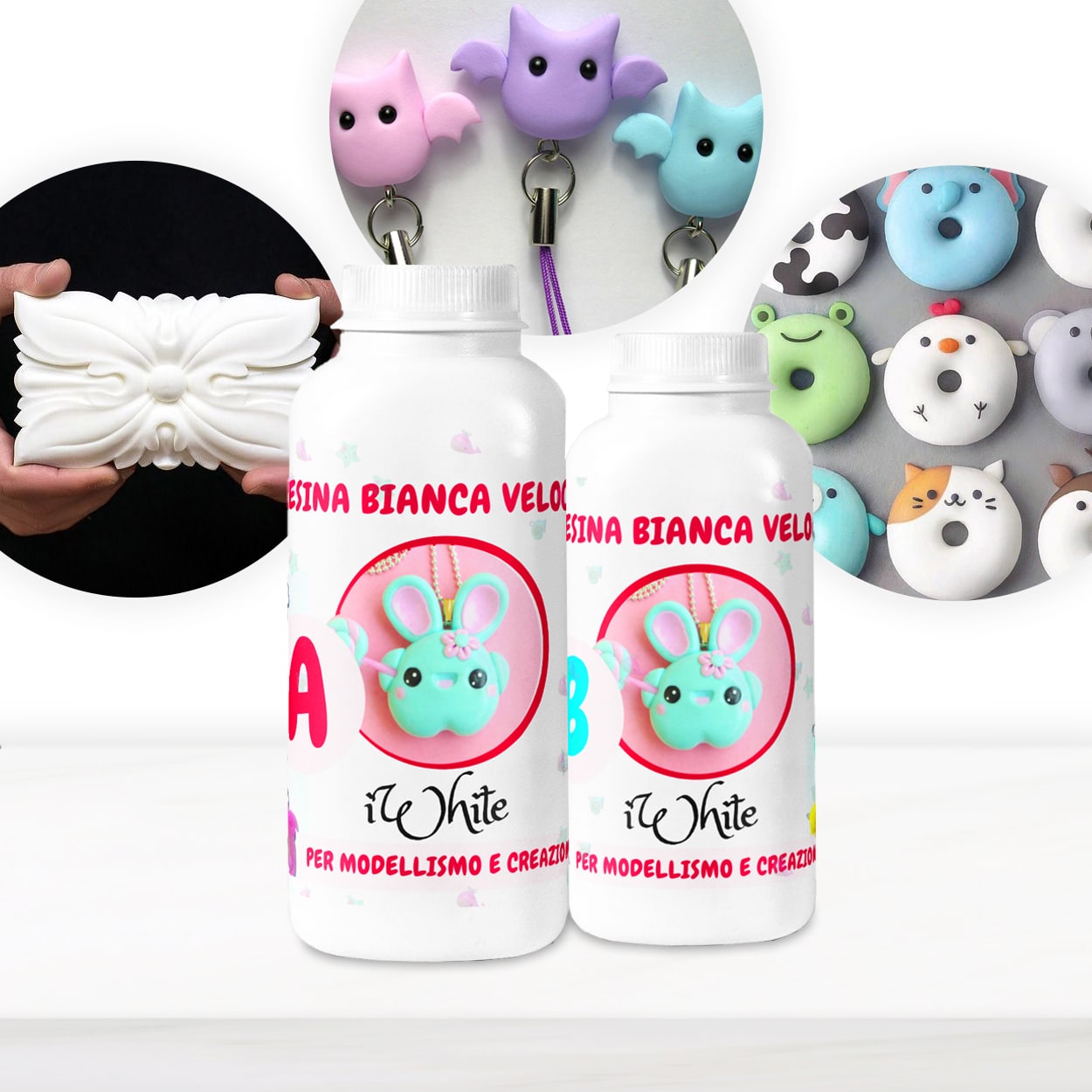
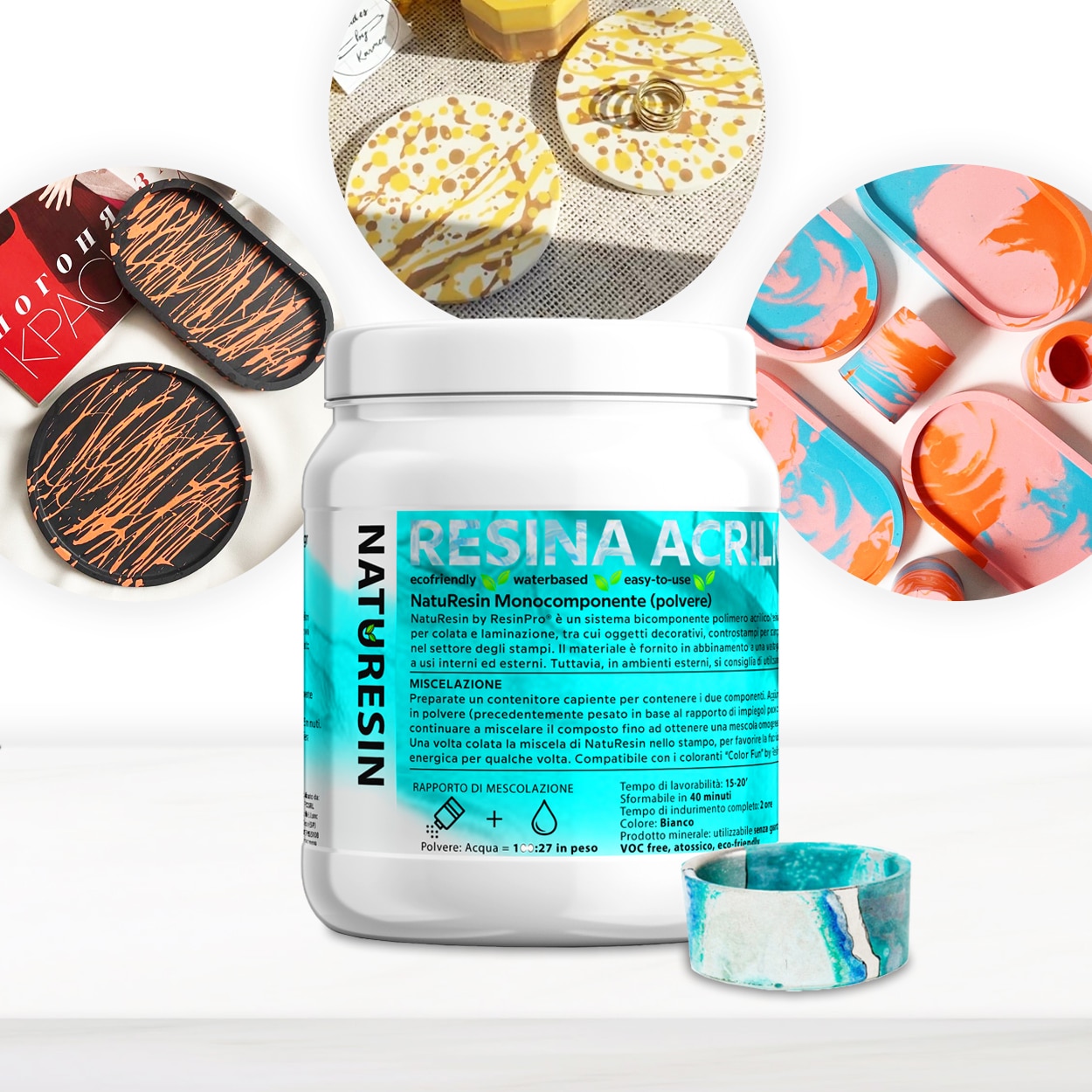
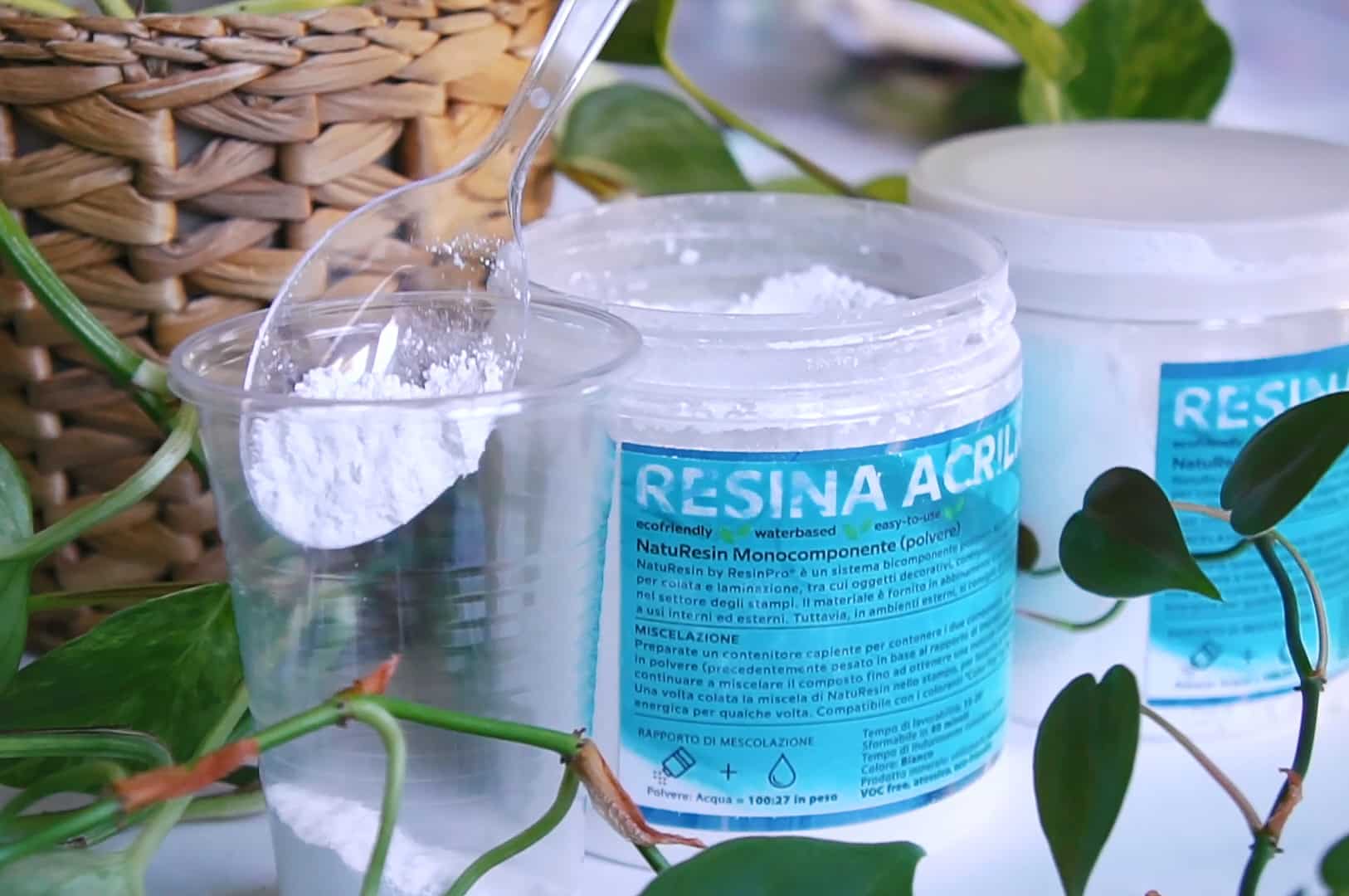
Mineral resin, such as NatuResin, is appreciated for its straightforward water-based activation and non-toxic qualities. Typically, demoulding is possible within 40–60 minutes, and the item achieves full hardness in 4–8 hours. This allows time for adjustment during mixing and pouring, making it popular for coasters, flower pots, and similar decorative crafts. The process is simple: mix the mineral resin with water, pour it into your mould, and then allow it to cure in a well-ventilated area at room temperature.
Polyurethane Resin: Fast and Precise
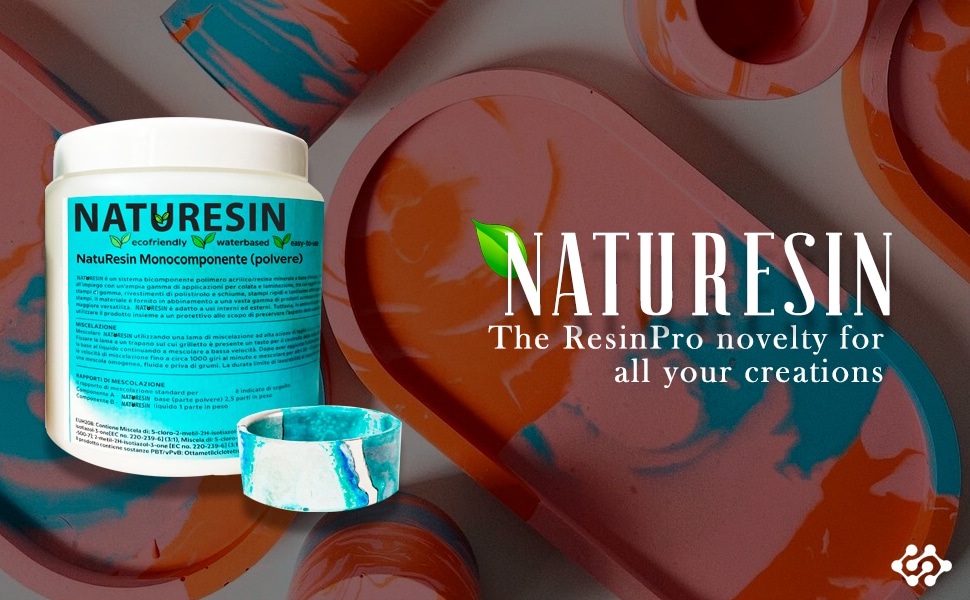
Polyurethane resins, like IWhite or Polyform, boast much quicker curing times. Expect initial setting in just 5–10 minutes, with the possibility to demould in around 30 minutes. These systems are highly fluid, capture fine details, and are aimed at model makers, rapid prototyping, and fast batch production. However, quick curing requires swift and accurate working, and due attention should be paid to safety advice—especially when handling uncured components, as some polyurethane systems use isocyanates.
Choosing What Works For You
- For quick results: Polyurethane resins are ideal if you’re working under tight deadlines or need to rapidly turn out prototypes or models.
- For a relaxed process: Mineral resin is forgiving, allowing more working time for mixing, removal of air bubbles, and creative experimentation.
Both resins need the correct mixing ratios and temperature conditions, so always follow manufacturer guidance for best results.
When Curing Time Matters Most
The key difference becomes important if you’re running workshops, making multiples in quick succession, or working with children—where working time and safety are both major factors.
Related products
Related guides
Choosing between mineral and polyurethane resin often comes down to how quickly you need your items to be ready and your preferred working style. For more insights and alternatives to traditional resin, visit our main guide on what can be used instead of resin.