 Free shipping on orders over £29,85
  Shipping Tracking!


 Google
 Facebook
← Back to How to Thin Epoxy Resin
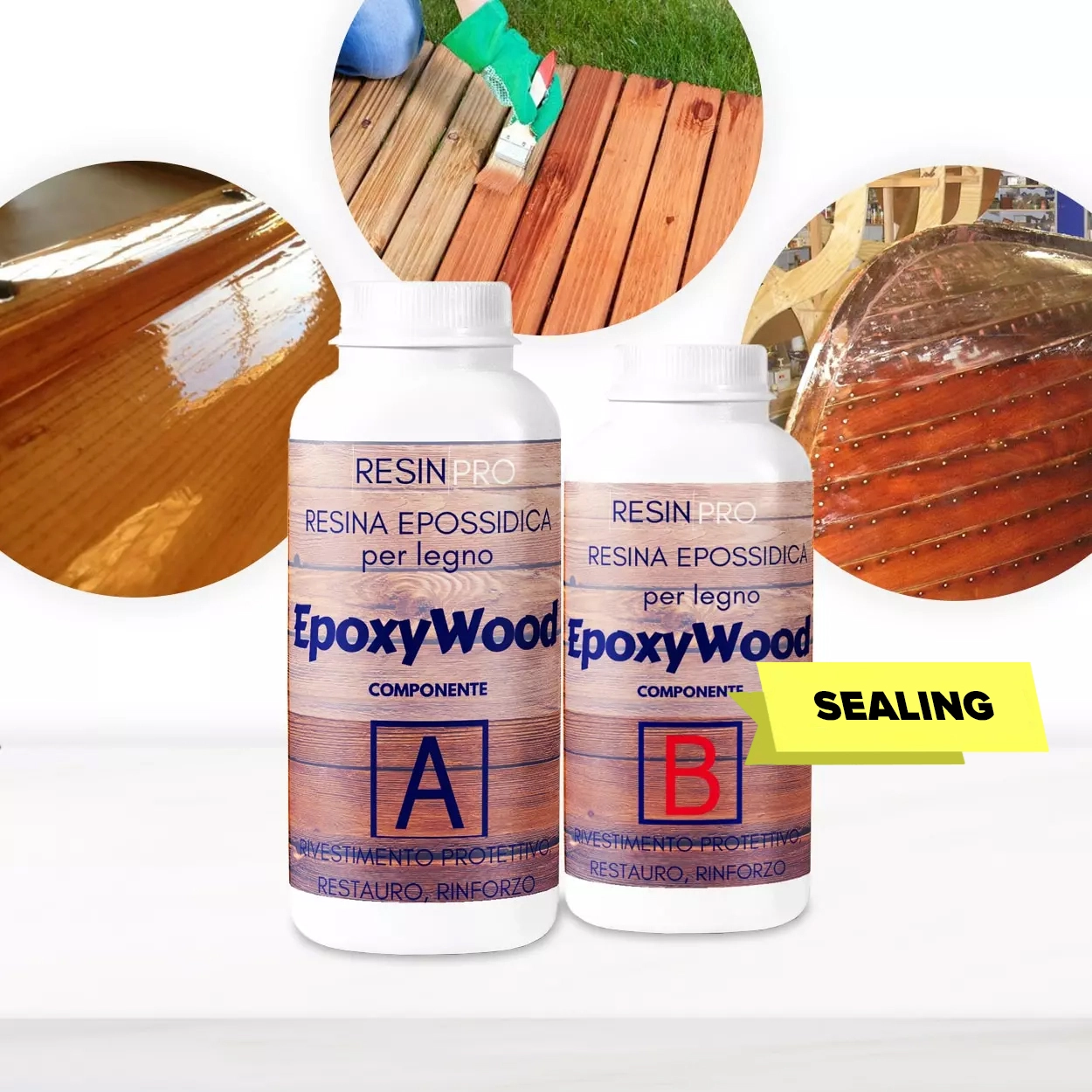

When you need an epoxy resin to flow easily into tiny cracks, deep mortises, or intricate pores — whether for wood restoration or thick pour projects — ultra-low viscosity is essential. This unique property ensures the resin penetrates thoroughly, delivering lasting results and enhanced stability.
How Ultra-Low Viscosity Achieves Deep Penetration
Viscosity in epoxy resin describes how freely it flows, with ultra-low viscosity referring to a runnier, more liquid consistency. Resins formulated with this property can wick into fine gaps and soak into porous substrates like dry wood or delicate moulds. This capability is vital when you need the resin to bond from within—strengthening, sealing, and stabilising the underlying material.
- For wood restoration, a product such as EpoxyWood seeps deep into grain and voids, providing robust reinforcement and waterproofing difficult-to-reach fibres.
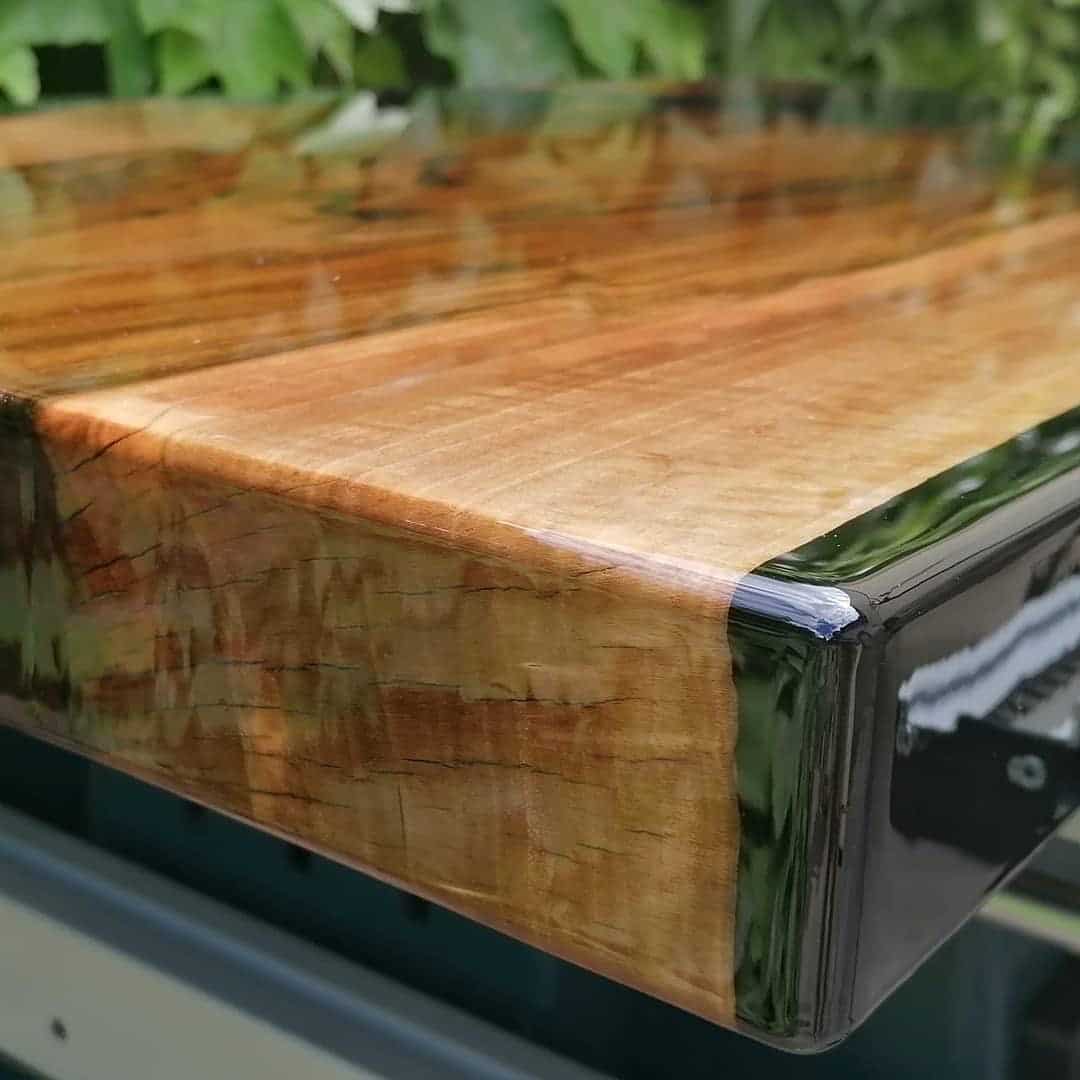
- In art or furniture-making, low-viscosity epoxies ensure even, bubble-free pours for thicker castings, minimising the risk of voids and trapped air.

Choosing the Right Epoxy for Your Project
Not all resins are equal when it comes to penetration. For restoration jobs on porous or damaged timber, select a wood-specific formula like EpoxyWood, formulated for maximum absorption and durability. For large creative pours, such as river tables or artistic castings, opt for a deep-pour epoxy engineered for thick, even layers — for example, “Epoxytable 10-Ten” handles up to 10cm castings with ease, while “EpoxyTable 5-Five” suits layers up to 5cm.
Always ensure the working surface is clean, dry, and sanded for best results. Take care to follow the manufacturer’s layer recommendations to avoid overheating in thicker pours.
When Ultra-Low Viscosity Matters Most
If you’re sealing structural cracks in joinery, reinforcing vintage furniture, or pouring extra-thick resin layers for creative work, ultra-low viscosity makes all the difference. It’s especially crucial when maximum penetration, minimal bubbles, and a flawless finish are priorities—whether for restoration, art, or furniture fabrication.

Related products
Related guides
Ultra-low viscosity is a central factor in deep, reliable resin penetration — a key principle in working with epoxy. For more detail on resins, thinning techniques, and advanced projects, explore our main guide on How to Thin Epoxy Resin.