 Free shipping on orders over £29,85
  Shipping Tracking!


 Google
 Facebook
How to Thin Epoxy Resin
Step-by-step thinning guide for perfect casting results

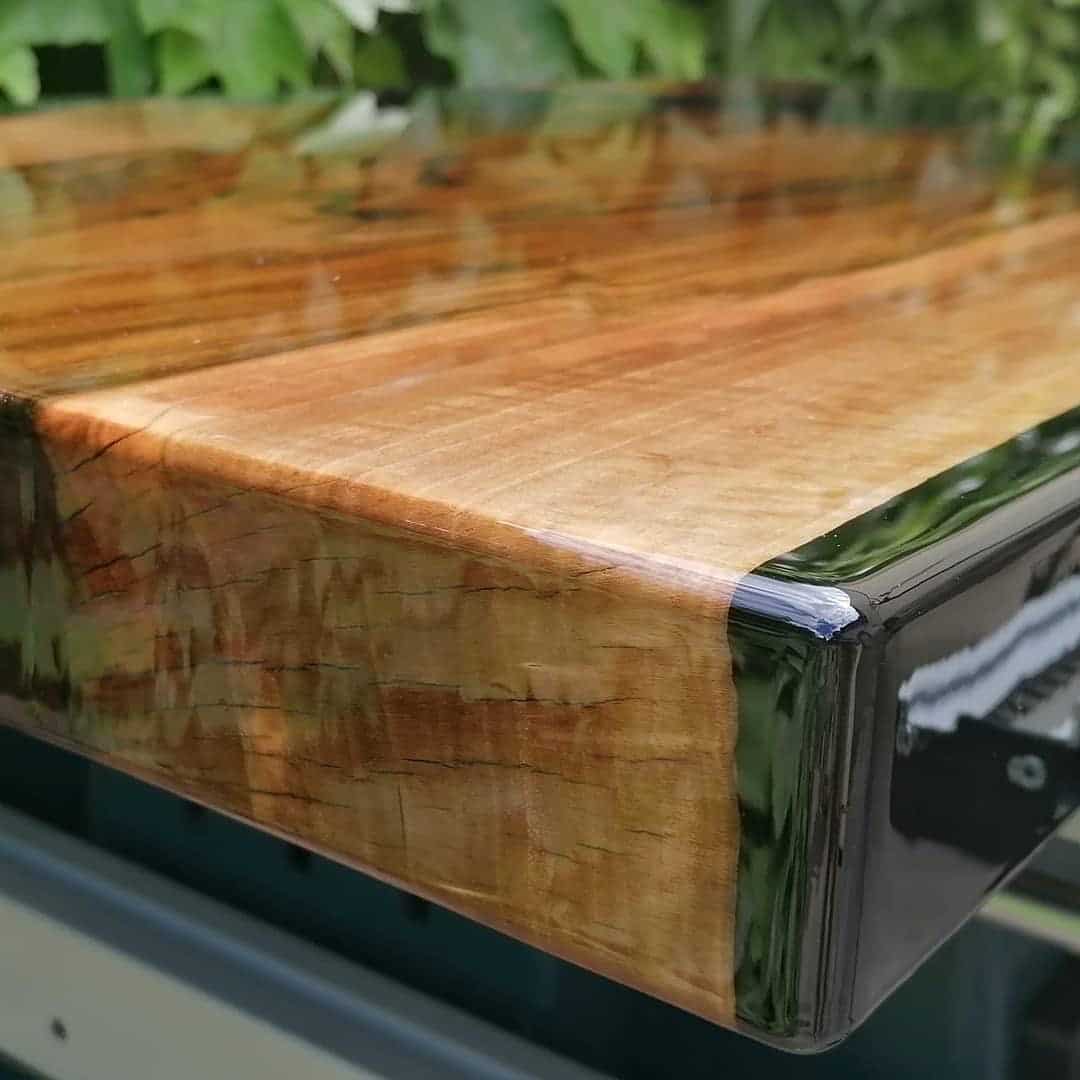
Thinning epoxy resin is a crucial skill for those aiming to achieve perfect flow, deep penetration, or highly detailed castings. Whether you are restoring wood, creating intricate jewellery, or pouring river tables, knowing how to handle resin viscosity will directly influence your project’s clarity, adhesion, and surface quality. This guide walks you through the correct methods to thin epoxy resin, suitable for artists, craft makers, DIYers, and professional restorers who demand consistent and reliable results.
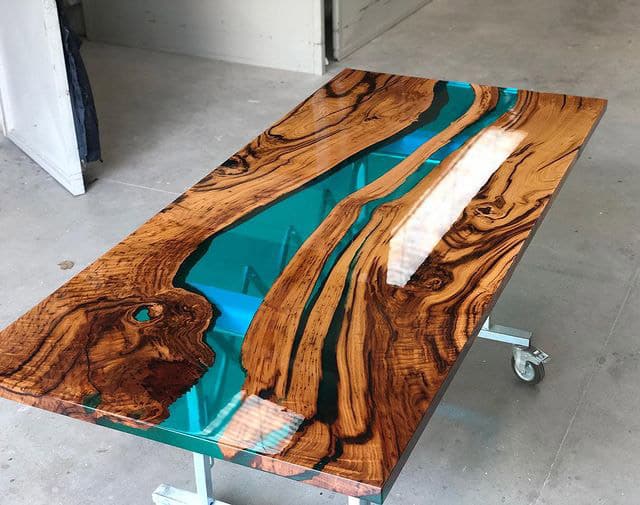
What You’ll Need
- “Epoxytable 10-Ten” – Deep Pour Epoxy Resin for Tables, Up to 10cm Casting – deep pour resin ideal for large projects
- “EpoxyTable 5-Five” – Deep Pour Epoxy Resin for Tables and Large Projects – Up to 5cm – for moderate depth castings
- “EpoxyWood” – Wood Restoration Epoxy Resin for Deep Penetration and Waterproofing – designed for wood sealing and restoration
- “Liquidissima” – Epoxy Resin For Creations & Jewellery – low viscosity resin for jewellery and detailed moulds
- Disposable gloves
- Mixing cups and stirring sticks
- Precise kitchen scale (for weighing resin and hardener)
- Thermometer (optional)
- Protective mask (if adding solvents)

Visual Guide: Thinning Resin Safely
See the difference: Resin clarity and flow improve when warmed gently or when using ultra-low viscosity formulas. Notice how bubbles decrease and surface quality improves.
Step 1: Ensure Safety and Setup Work Area
Begin by preparing your workspace to manage both safety and quality. Work in a well-ventilated area with stable room temperature, ideally between 18–25°C. Lay down disposable sheets to catch any spills and wear gloves to protect your skin from contact with uncured resin. If you plan to use additives or solvents (such as isopropyl alcohol or acetone for advanced users only), be sure to use a protective mask and keep open flames away from the workspace to reduce fire risk. Having accurate measuring tools helps you maintain correct resin-to-hardener ratios, which is vital for curing.
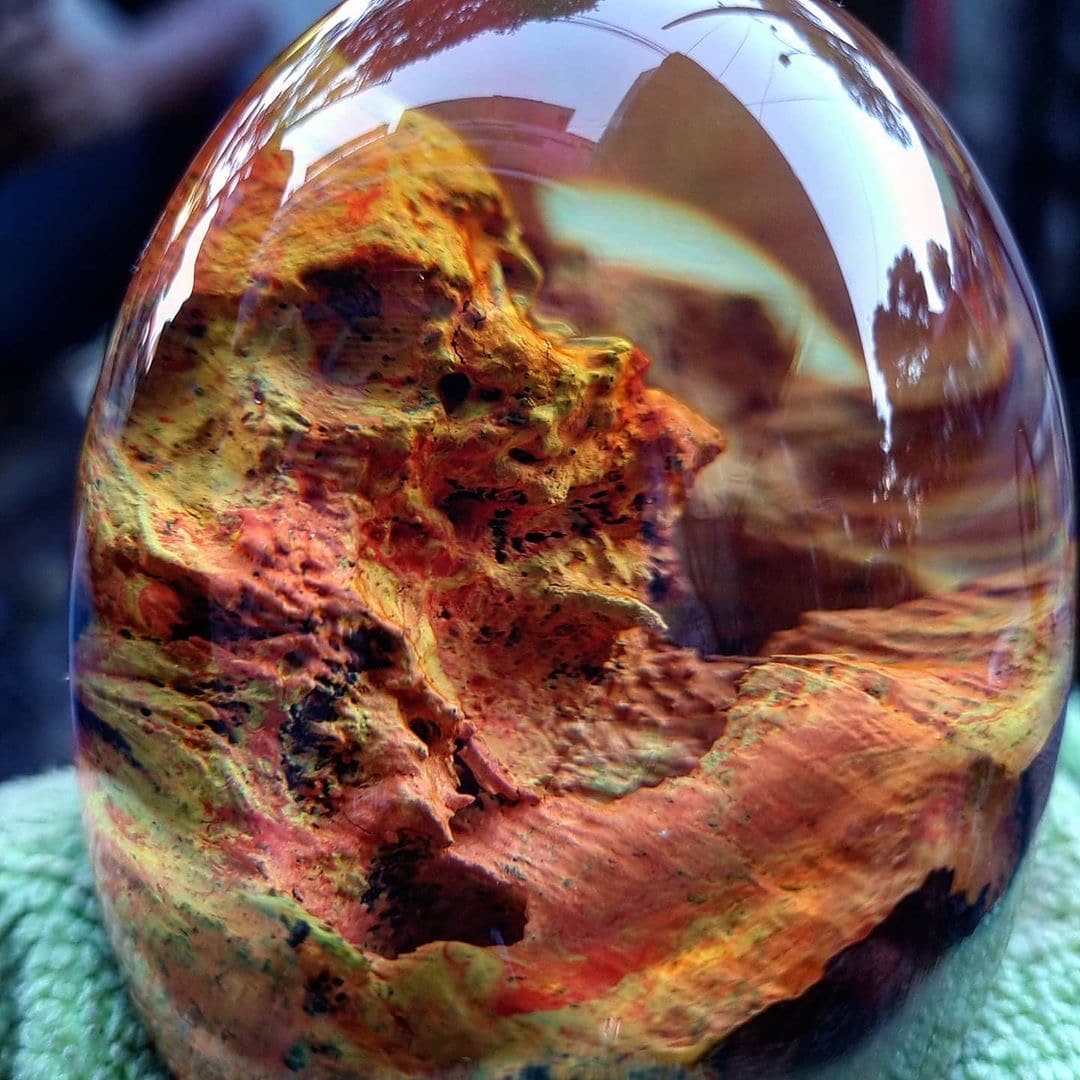

Step 2: Warm the Resin for Natural Thinning
The most reliable way to thin resin for better flow is by warming the resin can reduce viscosity naturally. Place the closed resin and hardener bottles in a warm water bath (around 40°C) for 10–15 minutes before mixing. This lowers viscosity, making the resin easier to pour and reducing the chance of bubbles, without altering the curing chemistry. The method works especially well for all general casting resins and is recommended for deep pour formulas like “Epoxytable 10-Ten” or “EpoxyTable 5-Five”, helping resin to level and fill large moulds with fewer defects.
Step 3: Consider Ultra-Low Viscosity Epoxy for Woodwork
For projects needing deep penetration (such as restoring weathered wood), specialised resins like “EpoxyWood” – Wood Restoration Epoxy Resin for Deep Penetration and Waterproofing are formulated to offer ultra-low viscosity supports deep penetration straight from the bottle. These resins require no further thinning, ensuring strength and waterproofing while avoiding the risks associated with solvent use or excessive heat. Surface prep is key: sand and dry the wood thoroughly before application for maximum absorption.
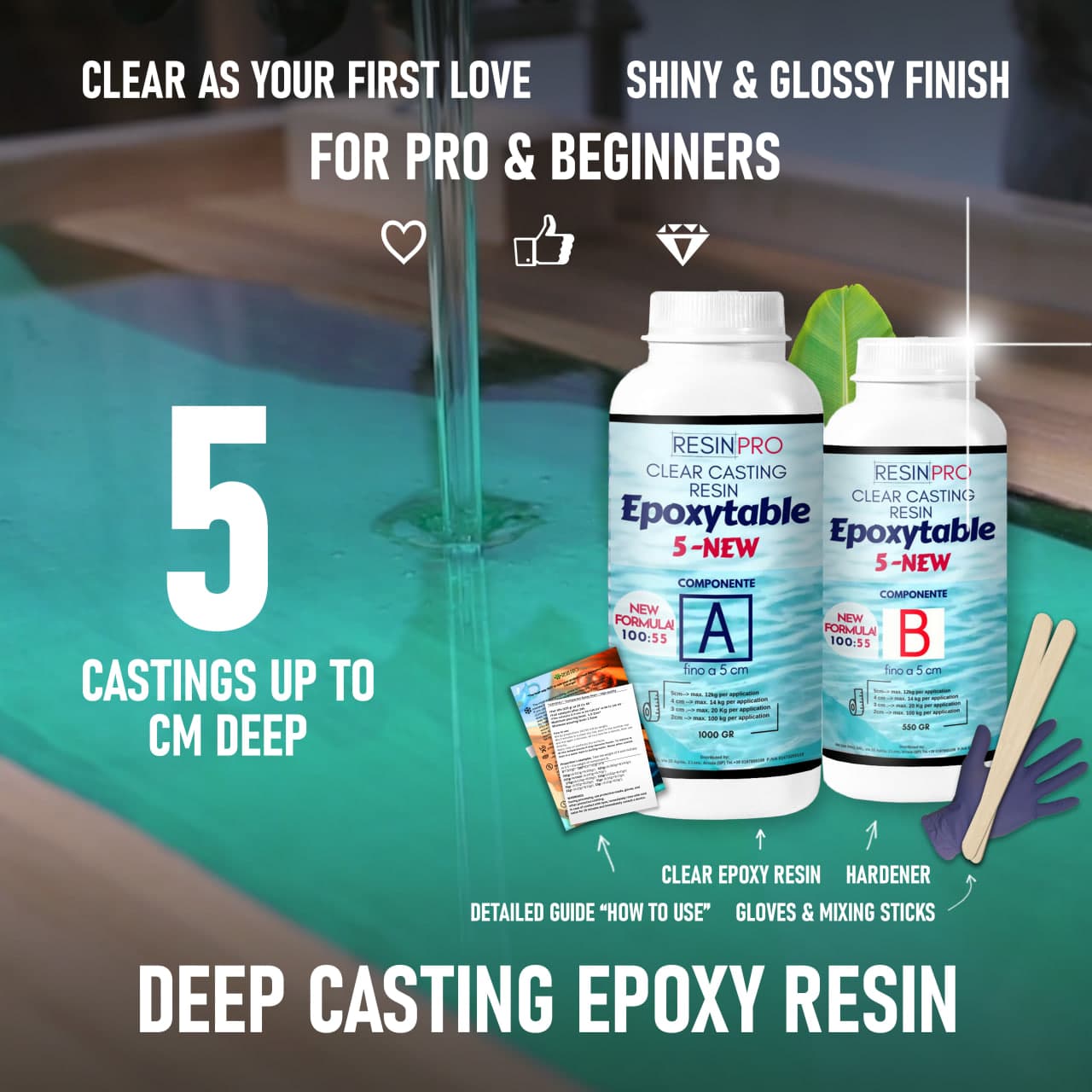

Step 4: Add Thinners Sparingly (If Required)
If you must reduce viscosity further for very intricate detail work (common in small jewellery or complex moulds), you may use a small amount of compatible thinner, such as isopropyl alcohol or acetone—never more than 5% by volume. Add thinners only in small amounts to avoid compromising the curing, clarity, and final strength of the epoxy. Always mix thoroughly and use products formulated for low viscosity like “Liquidissima” – Epoxy Resin For Creations & Jewellery for best results, as these are designed for optimal flow without excessive weakening.
Tips, Troubleshooting, and Common Mistakes
When thinning epoxy resin, patience and precision are essential. Avoid excess heat and rapid mixing, as they can introduce bubbles or accelerate curing unpredictably. Never use incompatible thinners like water or oily solvents—these can cause cloudiness or prevent curing altogether. Choose an epoxy formulated for your application (deep pour, wood restoration, or jewellery), and remember, it’s better to start with a naturally low viscosity resin than to over-thin. If uncertain, always conduct a small test batch first.
Troubleshooting Thinned Epoxy Results
Before and after: Properly thinned epoxy resin achieves a glass-like, even finish. Watch for signs of cloudiness or tackiness—these indicate over-thinning or wrong additive use.

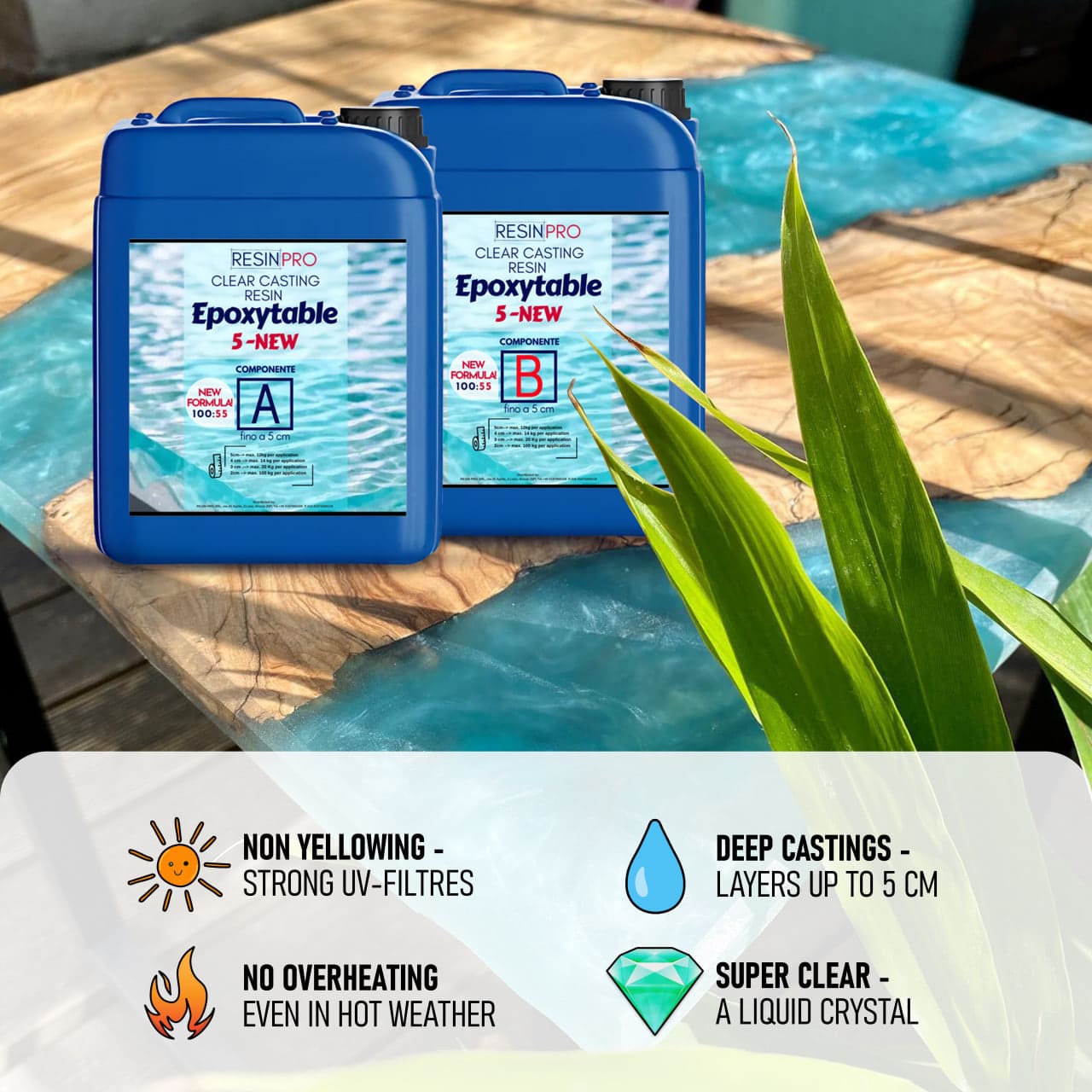
- “Epoxytable 10-Ten” – Deep Pour Epoxy Resin for Tables, Up to 10cm CastingPrice range: £35.95 through £351.95An epoxy resin designed for deep pours up to 10cm, suitable for tables and large creative projects in the theme of 'How to Thin Epoxy Resin'.
- "EpoxyTable 5-Five" – Deep Pour Epoxy Resin for Tables and Large Projects – Up to 5cmPrice range: £17.95 through £1,154.95"EpoxyTable 5-Five" is designed for deep pouring projects up to 5cm thick, including tables and large artistic works.
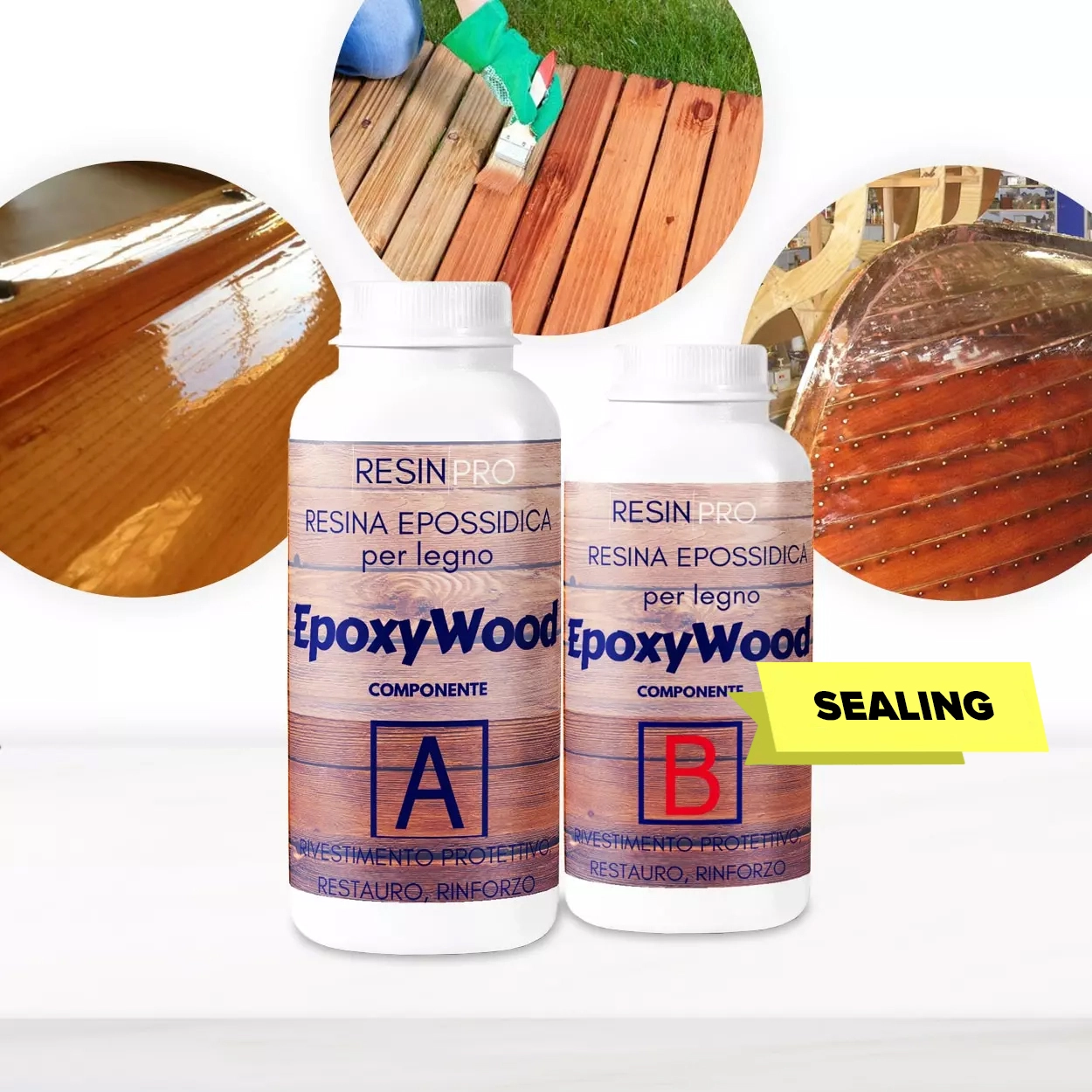 "EpoxyWood" – Wood Restoration Epoxy Resin for Deep Penetration and WaterproofingPrice range: £27.95 through £41.95"EpoxyWood" is an epoxy resin formulated for wood restoration, suitable for waterproofing and reinforcing wood surfaces with a natural finish.
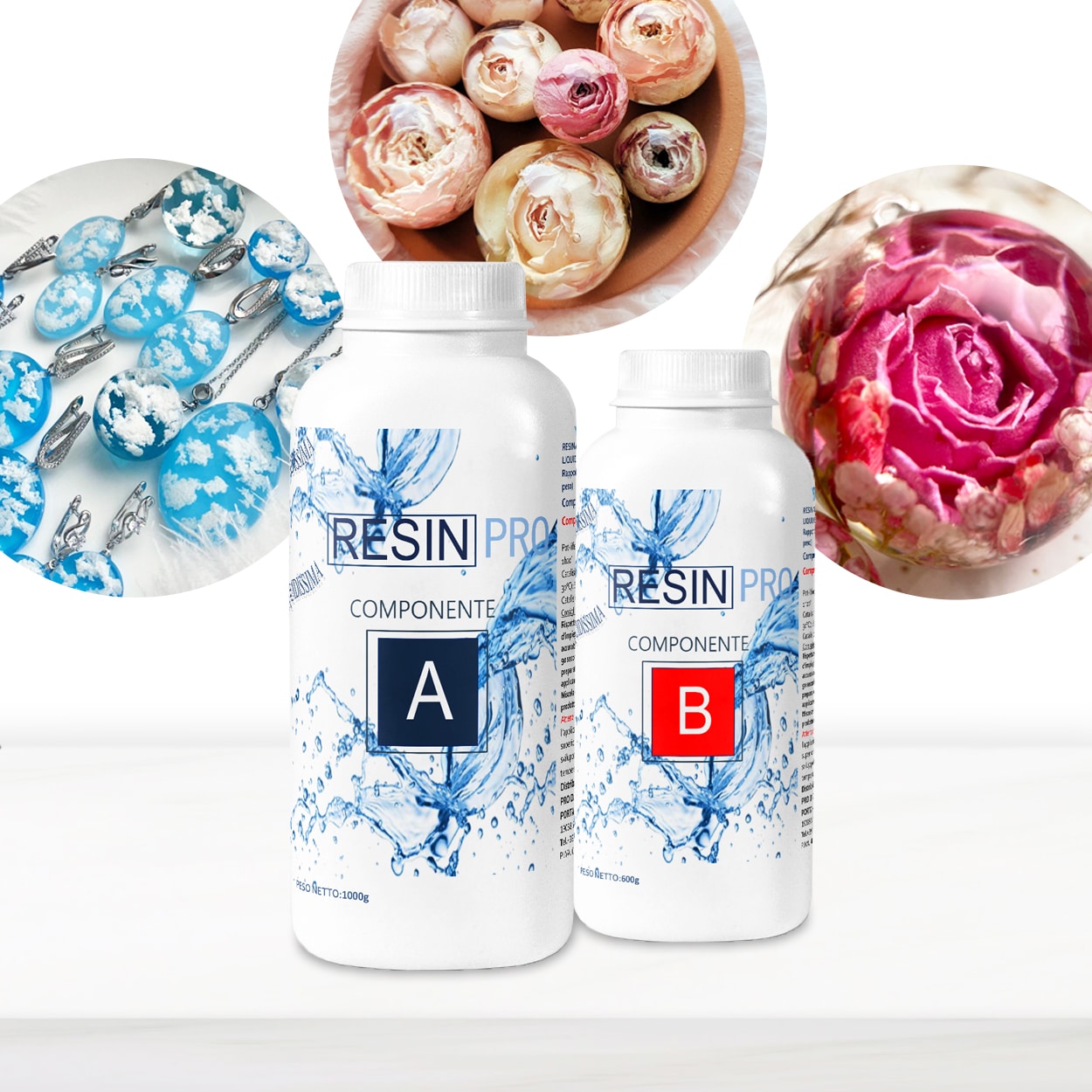 "Liquidissima" – Epoxy Resin For Creations & JewelleryPrice range: £12.85 through £31.85"Liquidissima" epoxy resin offers clear, low viscosity finish suitable for detailed jewellery moulds with extended working time.
Frequently Asked Questions
Can epoxy resin be thinned with water, white spirits, or universal solvents?
No, water, white spirits, and similar solvents are incompatible and will harm curing. Use only highly pure isopropyl alcohol or acetone in minimal amounts.
Does gently heating epoxy resin improve its pourability?
Yes, warming resin decreases viscosity, making it flow better and reducing trapped air bubbles—without affecting strength if not overheated.
When should you choose a low viscosity epoxy instead of adding thinners?
For projects like wood restoration or jewellery, use a low viscosity epoxy as it provides optimal flow and clarity without weakening the resin.
How much solvent is safe to add when thinning epoxy resin?
Never add more than 5% thinner by volume. Excess can reduce curing strength or cause cloudiness. Always mix thoroughly.
Will thinning my resin make it cure faster or slower?
Adding small amounts of thinner may slightly slow the cure. Excessive thinning can stop curing or cause a tacky finish.
Will thinning epoxy resin impact how clear or UV-stable it is after curing?
Excess thinner can cloud the resin or make it more prone to yellowing. Use low viscosity, UV-stabilised formulas for lasting clarity.