 Free shipping on orders over £29,85
  Shipping Tracking!


 Google
 Facebook
← Back to What is the thermal dissipation factor in resins?

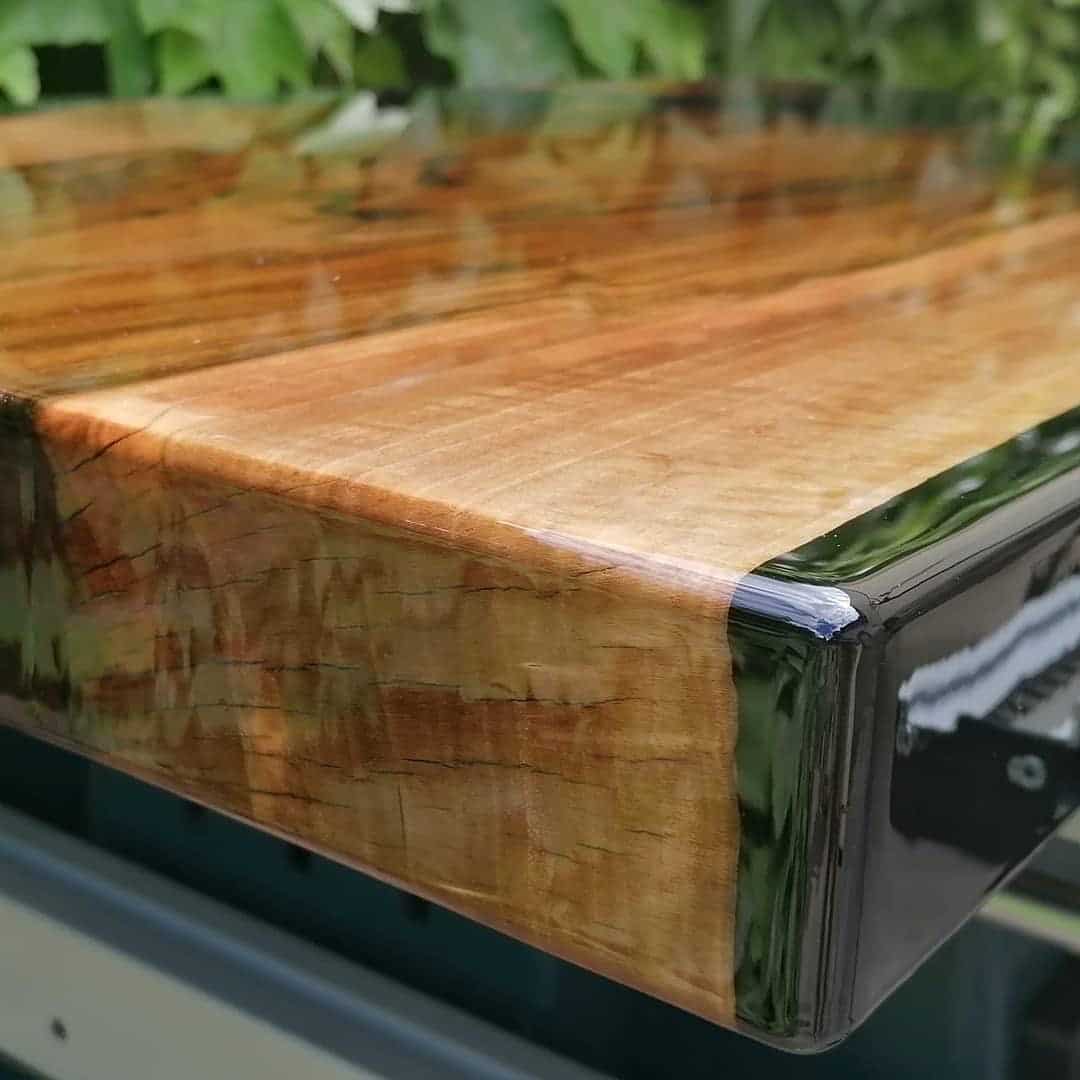
Art pieces exposed to heat, sunlight, or temperature changes need the right resin to remain clear and resist warping or yellowing. Selecting a suitable product ensures your work stays beautiful and durable over time.
What Makes a Resin Heat-Resistant?
The most important factor in choosing a resin for heat exposure is its thermal resistance. This refers to the maximum temperature the resin can withstand before softening, discolouring, or degrading. Epoxy and polyurethane resins are commonly used in art; many formulas are rated to tolerate everyday heat sources up to around 70°C, making them fit for sunlight, warm interiors, and even some outdoor uses.
Products such as Epoxytable 10-Ten are crafted to handle both heat and the heat generated during curing, making them particularly suitable for deep castings where heat management is crucial.


Matching Resin to Your Artistic Application
- Thin Layers or Coatings: For artwork, coasters, or small pieces with resin layers up to 2cm, use a multipurpose clear resin formulated for thin applications. These often include effective UV filters for clarity under sunlight.
- Deep Casts and Large Projects: Larger pieces, such as resin tables or deep-pour sculptures, require a resin designed for thick pours to avoid overheating and maintain clarity. Deep pour epoxies minimise heat build-up during curing.
- Flexible or Outdoor Art: If your art needs to bend or must endure outdoor conditions, a polyurethane resin like “Be Flex” offers both thermal stability and resistance to yellowing from sunlight and weather.
Practical Tips for Art in Hot Environments
- Check the manufacturer’s temperature rating and use a resin suitable for the intended application thickness.
- Allow the resin to fully cure before exposing it to any heat source or sunlight.
- For deep casts near the upper thickness limit, consider pouring in layers to prevent overheating.
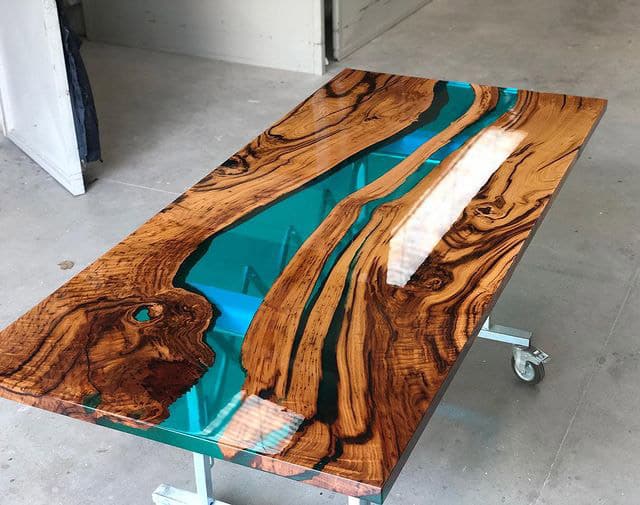
When Heat Resistance Matters Most
Choosing a heat-stable resin is essential for functional art like tabletops, window pieces, or items placed outdoors or under direct light, where ordinary resins may lose clarity or distort.
Related products
Related guides
Selecting the right resin for art exposed to warmth or sun preserves the brilliance and longevity of your creations. For more detailed information on resin properties and managing heat in art projects, visit our main guide on thermal dissipation in resins.