 Free shipping on orders over £29,85
  Shipping Tracking!


 Google
 Facebook
← Back to What is resin-coated fabric for tablecloths?
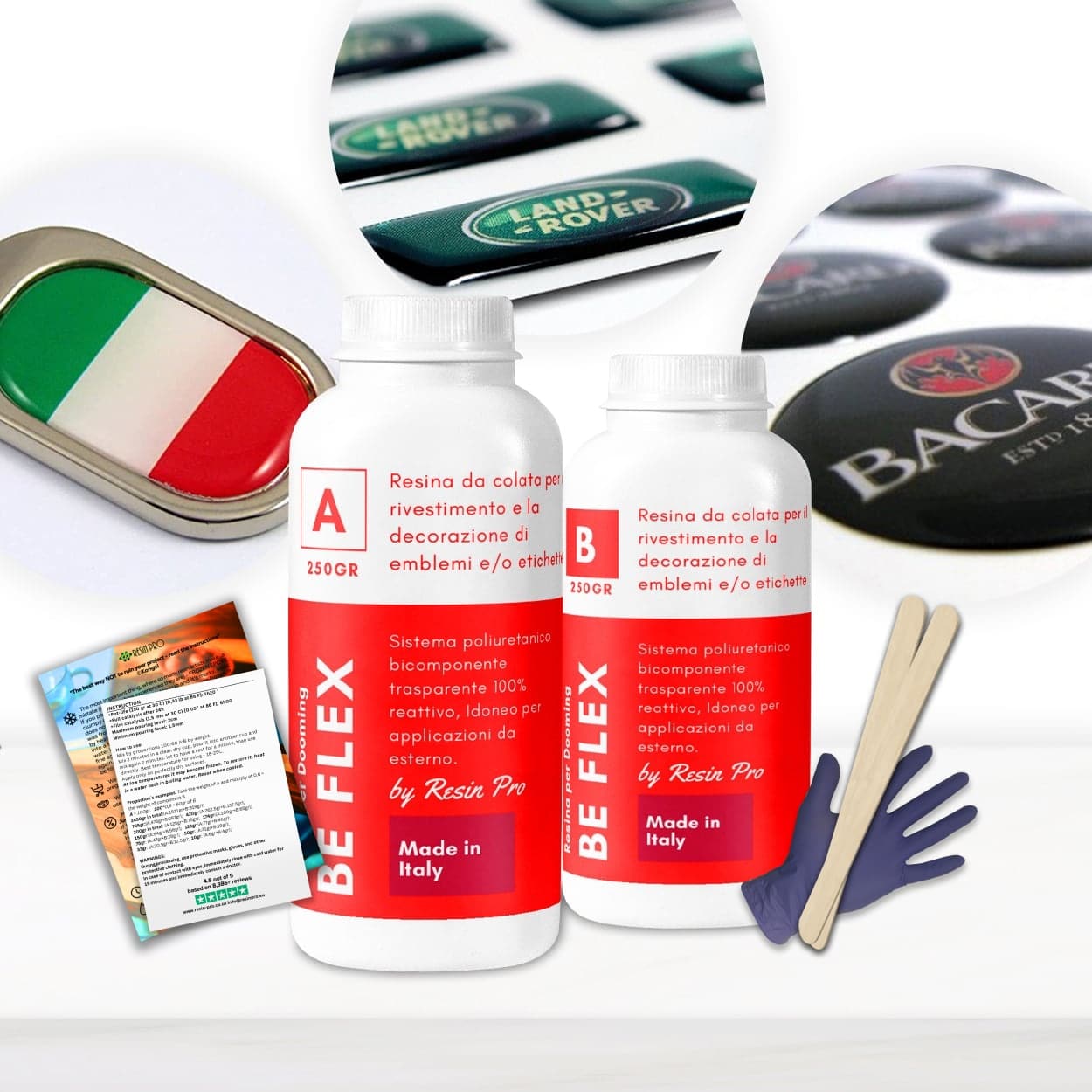
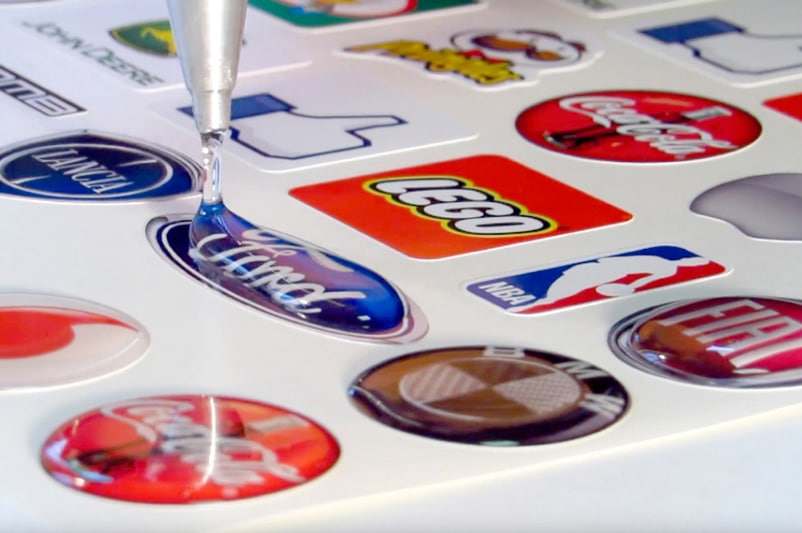
If you’re coating flexible fabrics or tablecloths, choosing a resin that bends without cracking is essential for a long-lasting, professional finish.
Why Flexibility in Resin Matters
Tablecloths and other flexible surfaces are constantly moved, folded, or stretched during everyday use. If a rigid resin is applied, it may crack or peel when the material bends. That’s why it’s important to opt for a resin specifically designed to move with the fabric, maintaining protection and appearance.
Resin Recommendation for Bendable Surfaces
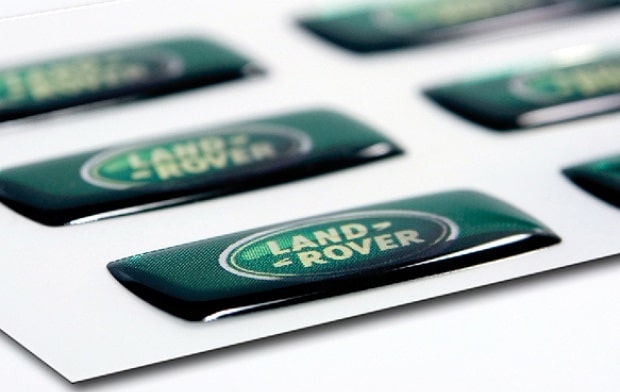
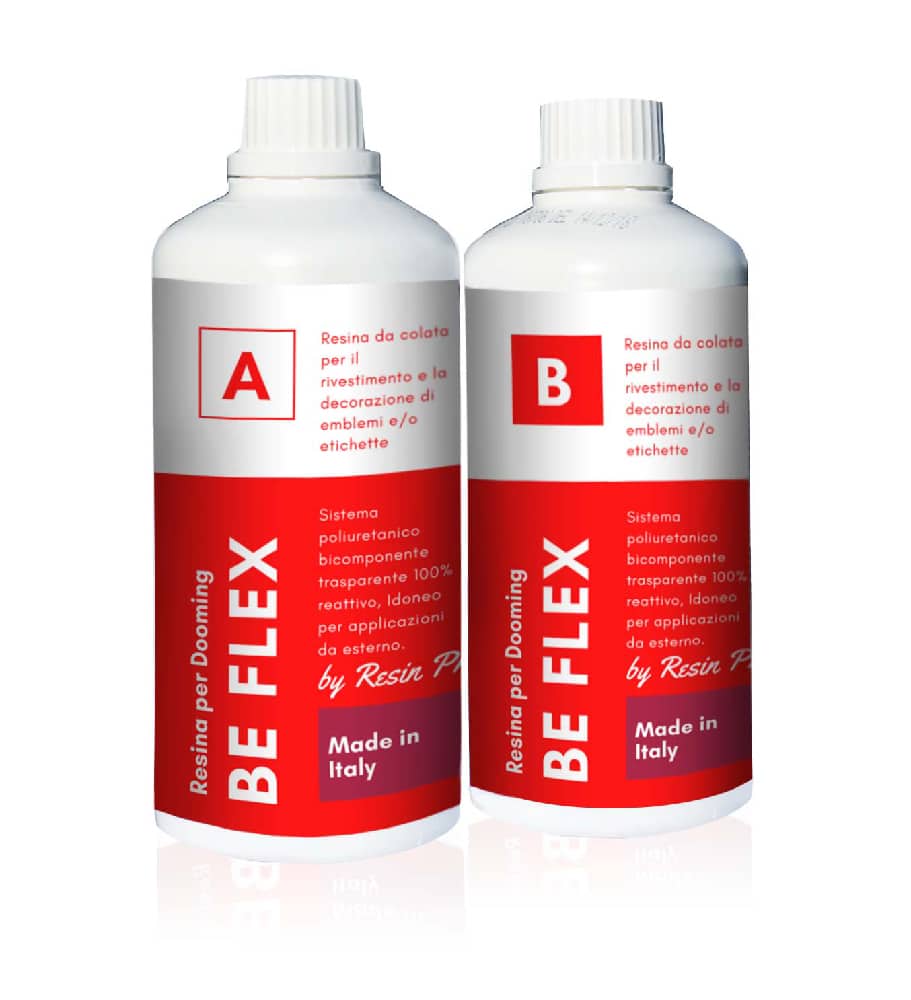
For projects where flexibility is key, a polyurethane resin such as Be Flex is an excellent choice. Be Flex stands out for its ability to adhere to curved and flexible surfaces without breaking, offering a transparent, scratch-resistant layer that keeps fabric looking great. It’s also waterproof and offers resistance to yellowing or UV damage, making it suitable for both indoor and outdoor settings.
Practical Tips for Application
- Ensure your fabric is clean and completely dry before applying any resin coating.
- Carefully follow the resin manufacturer’s instructions for mixing and curing to ensure flexible results.
- Apply thin, even layers and allow each to cure fully for best flexibility and clarity.

When Flexibility is Crucial
If your coated fabric will be rolled, folded, or otherwise flexed in daily use, prioritising a resin with lasting flexibility—like Be Flex—prevents cracking and peeling. This is particularly important for tablecloths that need to be both durable and attractive.
Related products
Related guides
Selecting the right resin ensures your flexible tablecloth stays looking its best, even with frequent bending or use. To explore more about resin-coated fabrics and their benefits, see our main guide on resin-coated fabric for tablecloths.