 Free shipping on orders over £29,85
  Shipping Tracking!


 Google
 Facebook
← Back to What is resin coating?
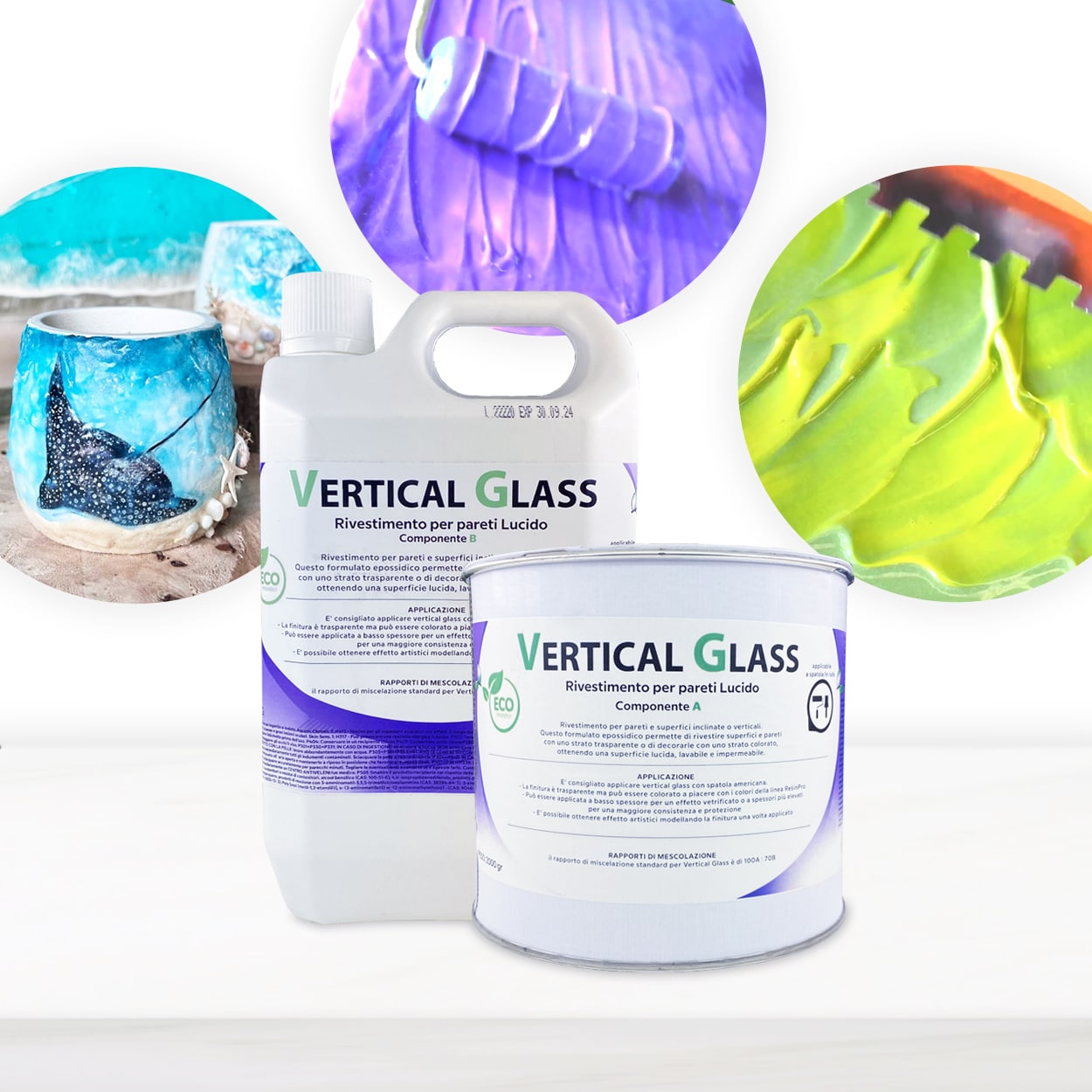
Choosing between self-levelling and non-levelling resin coatings has a big impact on the finish and functionality of your project. Understanding how these two types behave ensures the right choice for walls, tables, or artistic surfaces.
How Self-Levelling Resins Work
Self-levelling resins flow and spread to create an even, flat surface after application. This type is commonly used for floors, tables, artwork, and any horizontal project where a smooth, glass-like finish is desirable. The resin seeks its own level during curing, which helps eliminate brush marks and surface imperfections with minimal effort.
- Ideal for surfaces that must remain smooth and even
- Best suited to horizontal applications like tabletops, coasters, and decorative art
The Benefits of Non-Levelling Resins
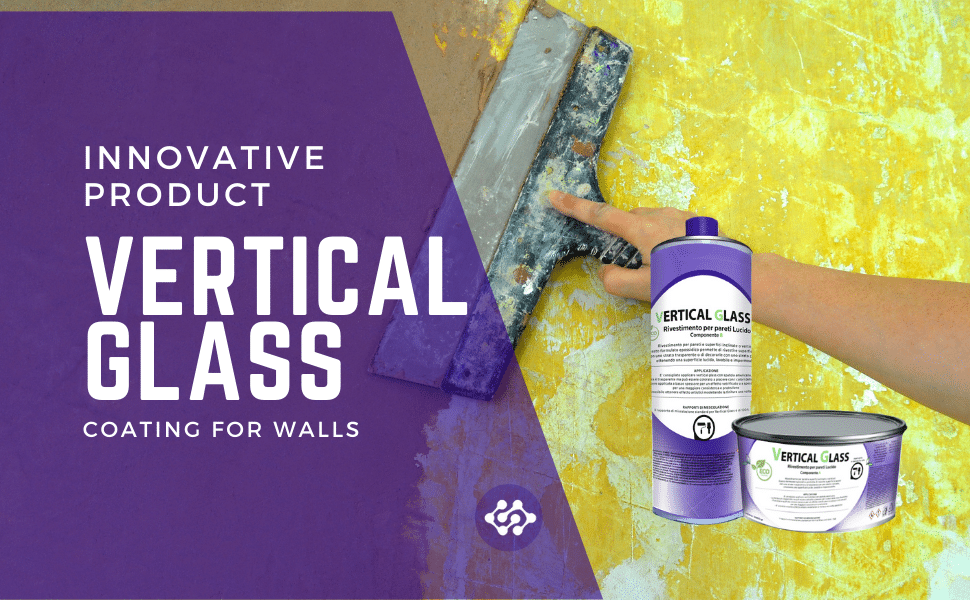
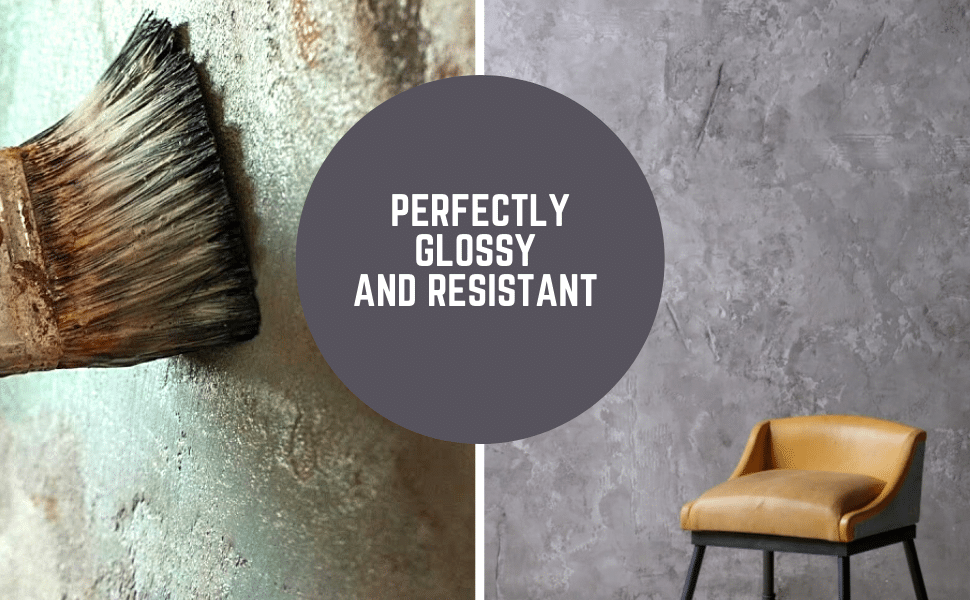
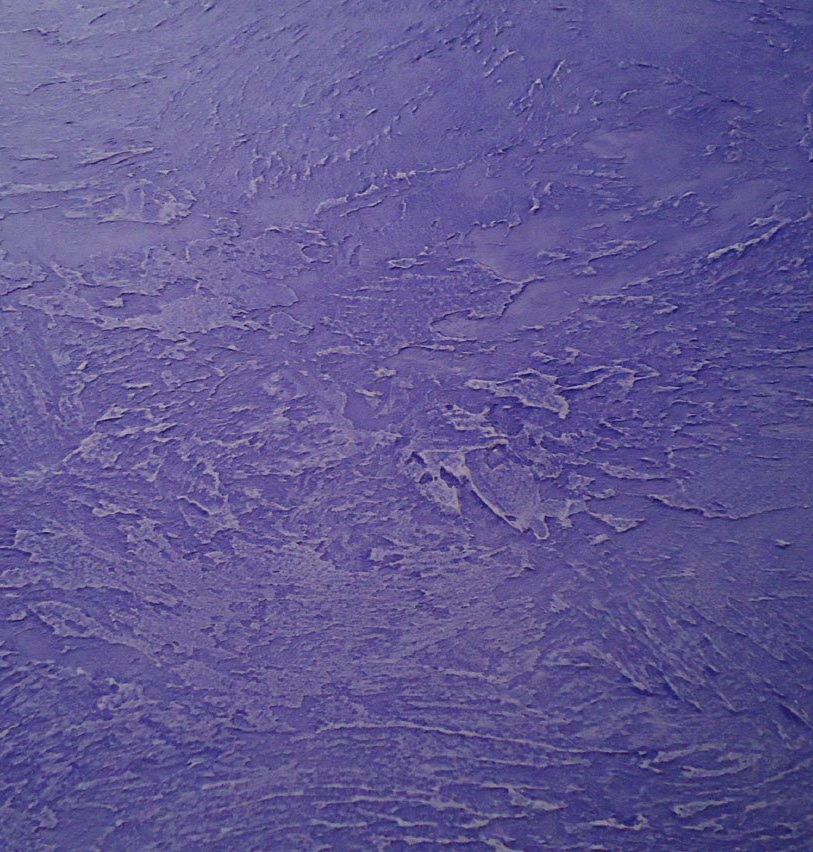
Non-levelling resins, such as Vertical Glass – Thick Resin Decorative Wall Coating, are designed to keep the patterns, textures, and effects that you apply without the resin smoothing itself out. This is especially useful for vertical or sloped surfaces—including feature walls or columns—where maintaining a custom design or texture is important.
- Retain applied patterns, lines, and artistic effects
- Ideal for walls, sloping edges, and creative decor requiring controlled finishes
When This Matters Most
If your project involves creating unique textures or bespoke patterns on walls or curved surfaces, non-levelling resins are essential. For functional, easy-to-clean horizontal areas, self-levelling resins deliver the uniform finish typically required.
Related products
Related guides
Whether you need a perfectly flat finish or want to showcase artistic textures, knowing which resin coating to use is crucial. For more insights and advice on choosing the right resin for your next project, visit our main page: What is resin coating?