 Free shipping on orders over £29,85
  Shipping Tracking!


 Google
 Facebook
← Back to Where do acrylic wall resins originate from?
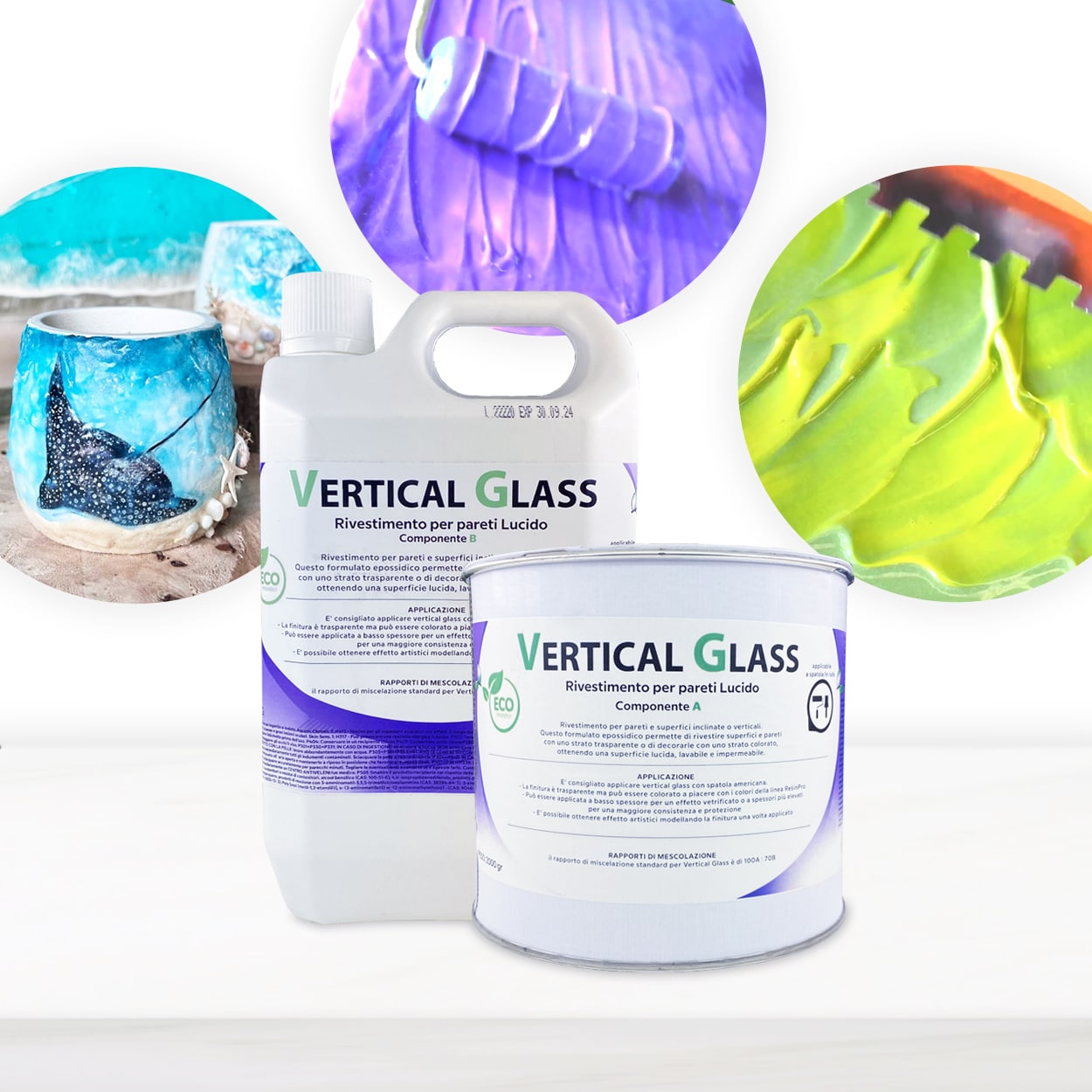
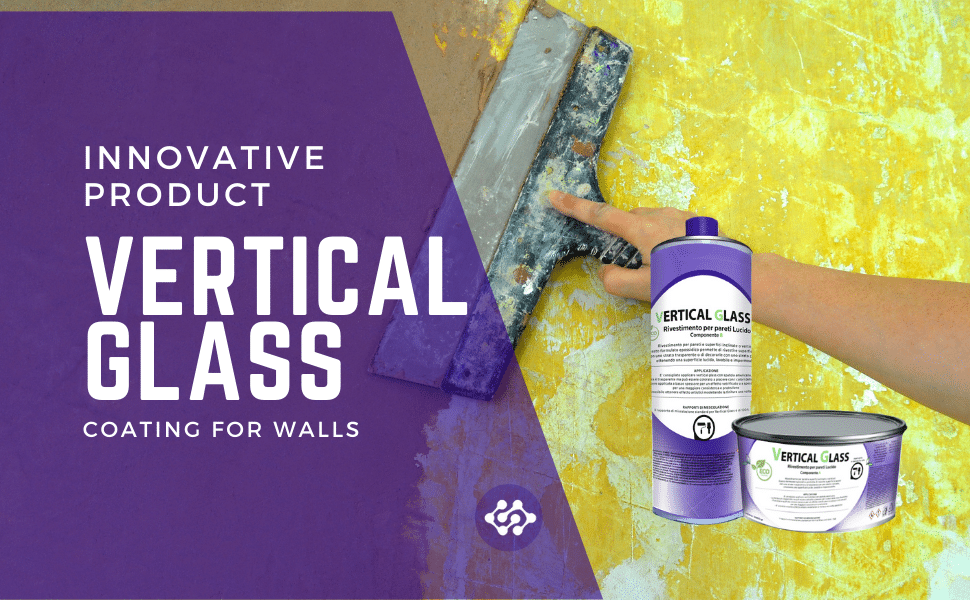
Acrylic wall resins are a versatile choice for adding decorative and protective finishes to your interior walls. Understanding which surfaces are suitable for application is crucial to achieving lasting results.
Common Surfaces for Application
Acrylic wall resins adhere well to a broad range of vertical interior substrates. Typical surfaces include tiles, cement render, painted or untreated wooden panels, and brickwork. This versatility makes acrylic or epoxy-based wall resins such as “Vertical Glass” especially suited to renovations or creative interior projects where diverse materials may need updating or protecting.
- Tiles: Ceramics and glazed tiles in kitchens and bathrooms
- Cement and render: Concrete walls or plastered surfaces
- Wood: Vertical timber panelling or plywood
- Bricks: Exposed masonry and brickwork


Preparation and Application Tips
Proper surface preparation is vital to ensure a strong bond. Clean the substrate thoroughly, removing grease, dust, or flaking paint. For non-porous surfaces like glazed tiles, lightly abrade the surface to create a key for the resin. Once prepped, most acrylic wall resins can be applied directly with a spatula or trowel, providing both decorative flair and robust protection. If you are using a product that doesn’t self-level, such as “Vertical Glass”, you have greater control over finishes and decorative effects—ideal for feature walls and textured styles.
When This Matters
Choosing the right surface is important if you want a durable, easy-to-clean, and aesthetically pleasing result. For example, bathrooms and kitchens benefit from the water-resistant properties of these coatings when applied correctly to tiles or cement. Wood and exposed brick can be revived and protected aesthetically, making acrylic wall resins a practical solution for fast interior upgrades.

Related products
Related guides
Knowing which surfaces are suitable helps you make the most of acrylic wall resins in your decorative projects. To explore more about the origins and possibilities of these versatile coatings, visit our main acrylic wall resins guide.