 Free shipping on orders over £29,85
  Shipping Tracking!


 Google
 Facebook
Where do acrylic wall resins originate from?
Tracing the evolution and purposes of acrylic wall resin technology
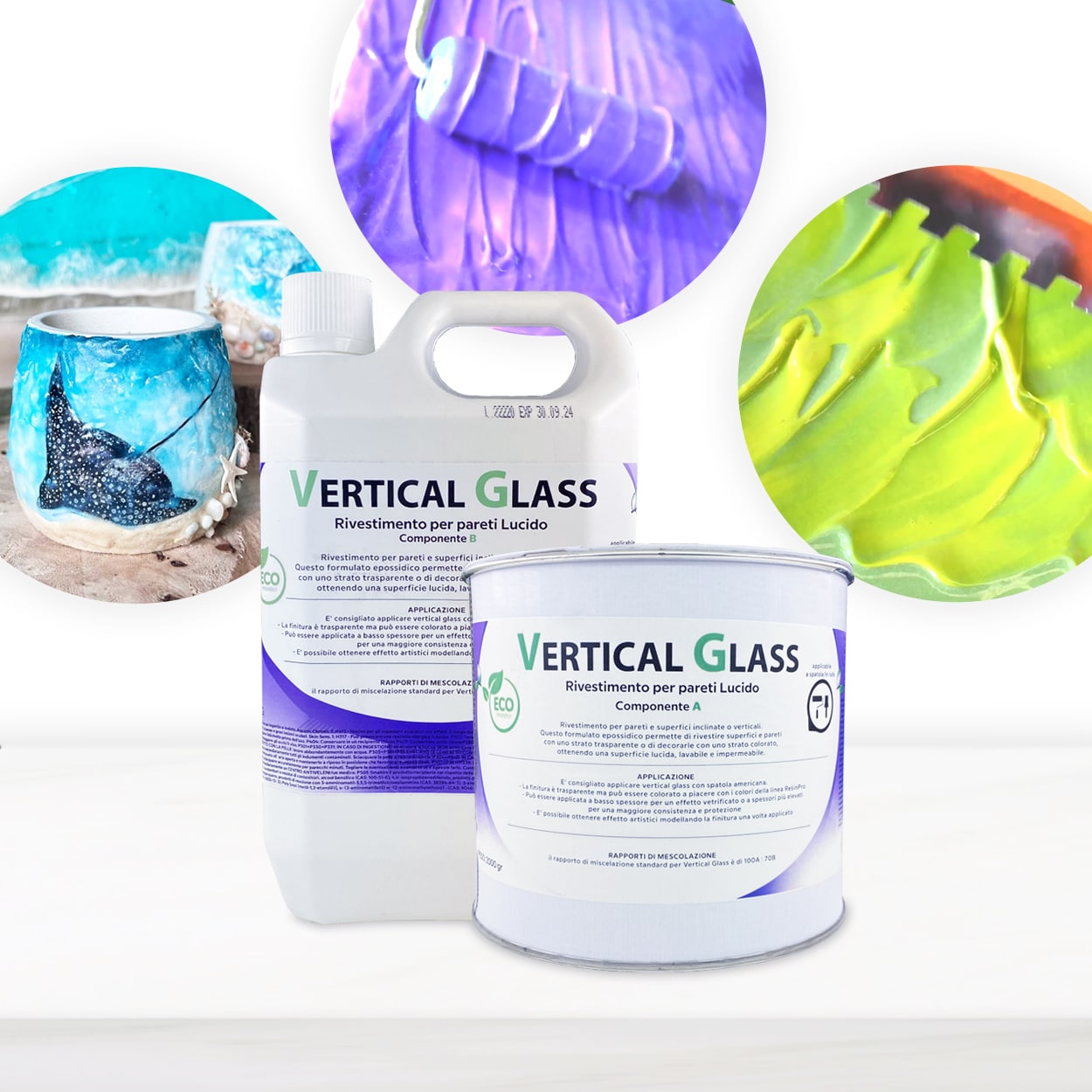
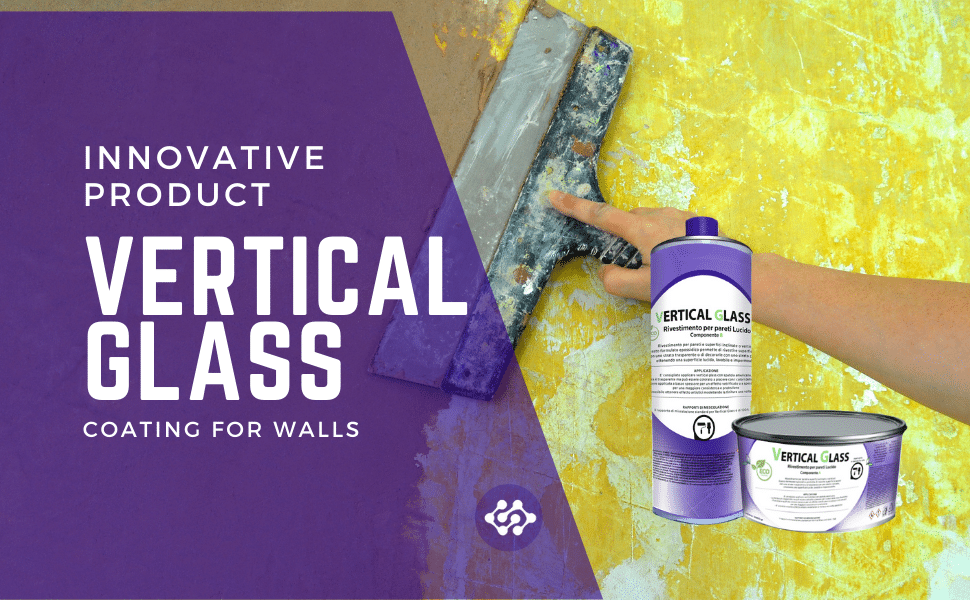
The world of acrylic wall resins is shaped by innovation, design, and a demand for resilient, creative finishes. This page explains where acrylic wall resins originate from, how they have developed, and what to consider when seeking a top-quality decorative wall resin. Whether you are a renovation professional, a creative artist or a DIY enthusiast, get to know how resin technology can transform your vertical surfaces.
Understanding the Origins and Evolution of Acrylic Wall Resins
Acrylic wall resins originated as synthetic polymers developed for their strong adhesive and protective properties. Initially adopted by the decorative and construction industries, they offered a compelling alternative to traditional plasters and paints. Early acrylic resins provide water resistance, durability, and the ability to bond with a variety of substrates such as cement, wood, and tiles. Over time, the technology evolved, bridging epoxy and acrylic-based resins, thereby allowing for more versatile, safe, and visually stunning finishes suitable for interiors where robust, decorative surfaces are essential. Today, innovations such as the “Vertical Glass” – Thick Resin Decorative Wall Coating represent the modern culmination of these advancements—merging creativity with long-lasting protection.
Acrylic Wall Resin in Contemporary Interiors
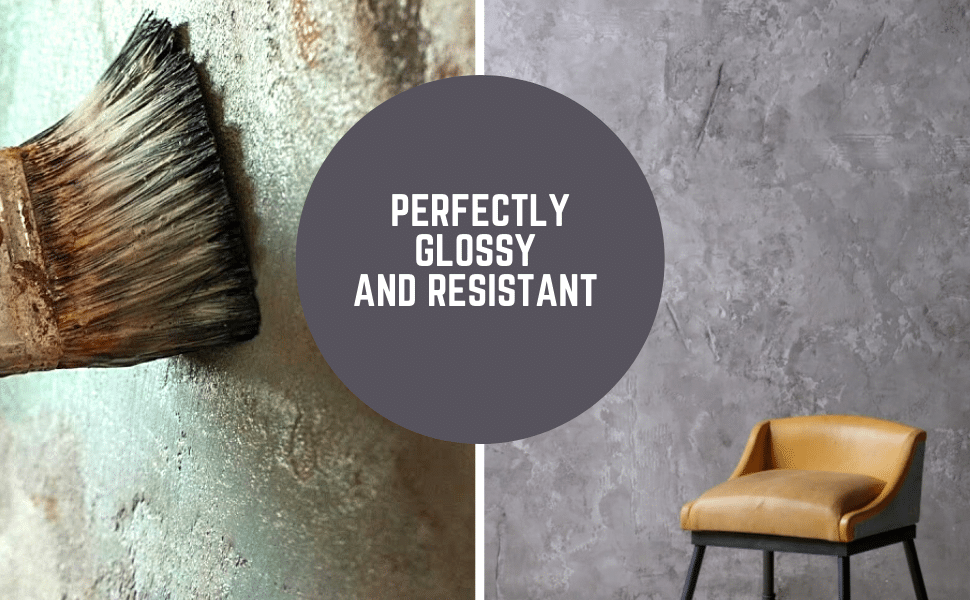
Acrylic resins are increasingly chosen for bold, waterproof wall finishes in modern homes and businesses. Their evolution allows for strong adhesion and limitless design, from seamless showers and statement kitchen backsplashes to expressive artistic panels.
“Vertical Glass” for Decorative and Protective Wall Coating
If you are searching for a cutting-edge, thick resin wall coating, “Vertical Glass” – Thick Resin Decorative Wall Coating exemplifies the potential of modern wall resins. Designed to be customisable, it can be tinted with pigments, including metallics, for unique effects. Its easy, spatula-based application lets you cover a variety of surfaces—from brick and tile to cement and wood—without the hassle of complex tools.
Customisable finish: Tint with any pigments, including metallics, for unique, eye-catching effects.
Glossy and washable: Durable, easy-to-clean coating perfect for high-moisture areas.
Easy application: Simply apply with a spatula to tiles, cement, wood, bricks, or sloping surfaces.
Repairs and seals: Single application effectively protects and restores surfaces.
Finish control: Apply thinly for a vitrified effect or thicker for added protection; sandable after 48 hours for a satin finish.
Ideal for residential and commercial interiors, this resin is both UV-resistant and solvent-free, making it friendly for indoor projects that need both style and longevity.
Key Considerations When Using Wall Resins
When selecting an acrylic or epoxy wall resin, the substrate and expected environment matter. For high-moisture settings such as bathrooms and kitchens, opt for products offering both water resistance and washability, like the “Vertical Glass” – Thick Resin Decorative Wall Coating. If you want creative freedom—such as custom colours or artistic effects—choose resins that accept pigments without compromising protective qualities.
Think about surface type as well. While some resins excel on masonry or tiles, others are developed for versatility across wood, cement, or even sanitary ware, ensuring consistency regardless of the wall’s composition. Ease of application is essential, especially for DIY users or those seeking rapid refurbishment. Finally, always choose indoor-appropriate, solvent-free formulations if low odour and healthy air quality are priorities, especially in residential or commercial environments.
Practical Tips for Choosing and Applying Wall Resin
Always prepare surfaces carefully and follow manufacturer instructions for best results. Consider layering for enhanced protection and experiment with pigments to achieve a tailored finish specific to your aesthetic vision.

Frequently Asked Questions
Which surfaces can acrylic wall resins be applied to?
Acrylic wall resins can be used on tiles, cement, wood, bricks, and other vertical interior substrates to create decorative and protective finishes.
How does acrylic wall resin differ from epoxy?
Acrylic resins typically cure faster and have lower odour, while epoxy resins offer greater durability and chemical resistance for heavy-duty applications.
Can acrylic wall resin be used in bathrooms or kitchens?
Yes, quality wall resins offer water resistance and durability, making them suitable for high-moisture areas such as kitchens and bathrooms.
Does acrylic wall resin self-level during application?
Not all wall resins self-level. Many, like Vertical Glass, are designed for precise application to maintain decorative details on vertical surfaces.
How is acrylic wall resin applied?
Acrylic wall resins are typically applied with a spatula or trowel, allowing for creative texturing or smooth, glossy finishes depending on the desired result.