 Free shipping on orders over £29,85
  Shipping Tracking!


 Google
 Facebook
← Back to What materials are epoxy resin moulds made from?

Keeping your silicone moulds in good condition is essential for creating flawless resin castings. The method you choose to clean them directly impacts their durability and performance.
Why You Should Avoid Solvents
Harsh solvents, like acetone or alcohol, can break down silicone and cause the material to degrade over time. This not only shortens the lifespan of your moulds but may also affect the quality of your resin pieces by introducing unwanted textures or sticking. Silicone is designed to be resilient and flexible, but exposure to strong chemicals will gradually erode these properties.

Safe Cleaning Techniques
For regular cleaning, warm soapy water and a soft sponge are usually sufficient. Rinse the mould thoroughly and ensure it is completely dry before storing or using again. For stubborn residue, gently work with a soft brush—never use anything abrasive or sharp, as this can scratch and weaken the silicone. If needed, specialised silicone-safe mould cleaners are preferable to conventional solvent-based products.
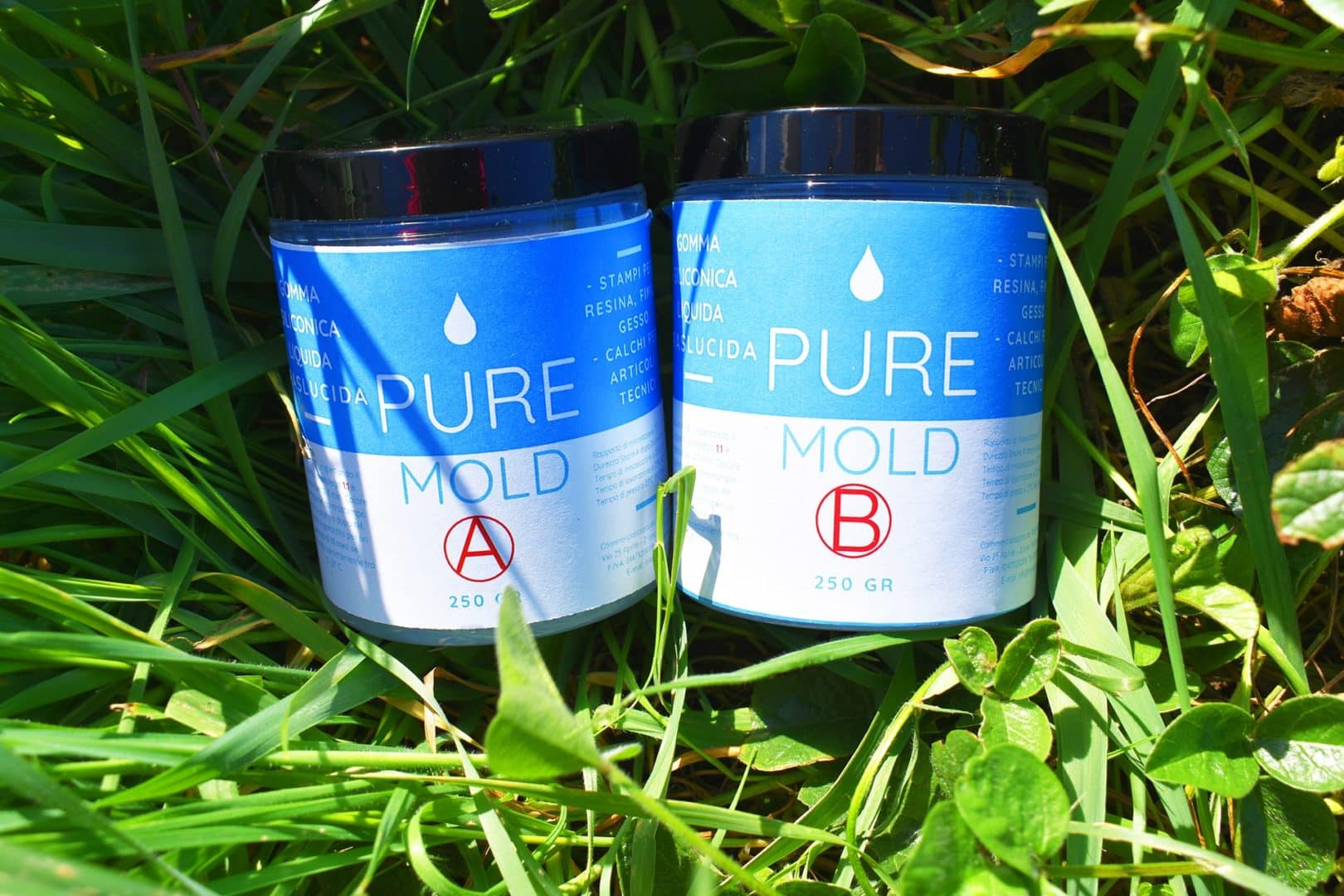
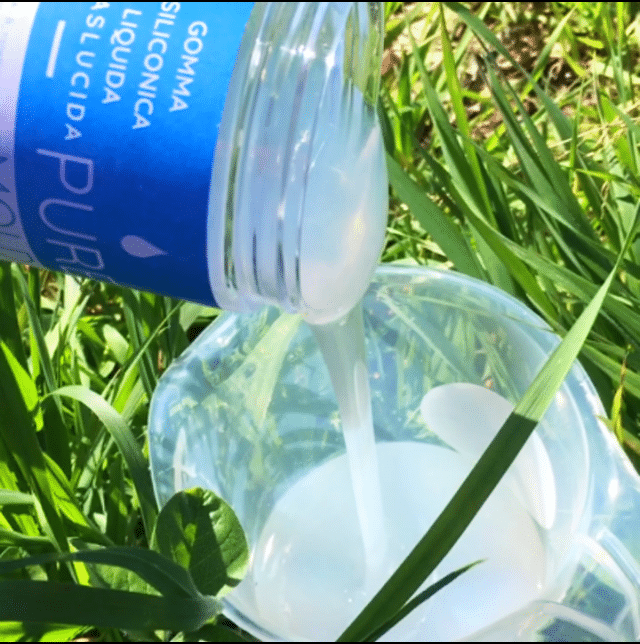
If you are working with high-quality silicone like the Pure Mould liquid silicone rubber, this gentle approach will help you maintain the surface and flexibility for repeated use.
When This Matters Most
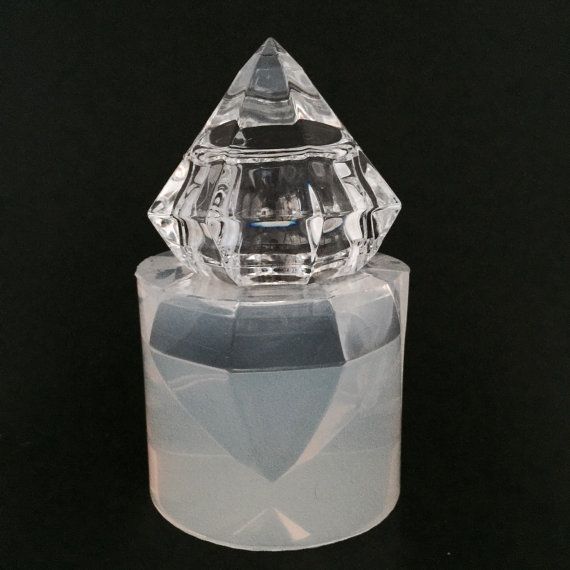
- When casting intricate or detailed shapes, damaged moulds will show imperfections.
- If you want to extend the lifespan of your silicone mould investment.
- For repeated use in both hobby and professional resin crafts.
Related products
Related guides
By steering clear of harsh solvents, you can protect your silicone moulds and ensure they remain reliable across many resin projects. For further details on silicone mould materials, see our full guide: What materials are epoxy resin moulds made from?