 Free shipping on orders over £29,85
  Shipping Tracking!


 Google
 Facebook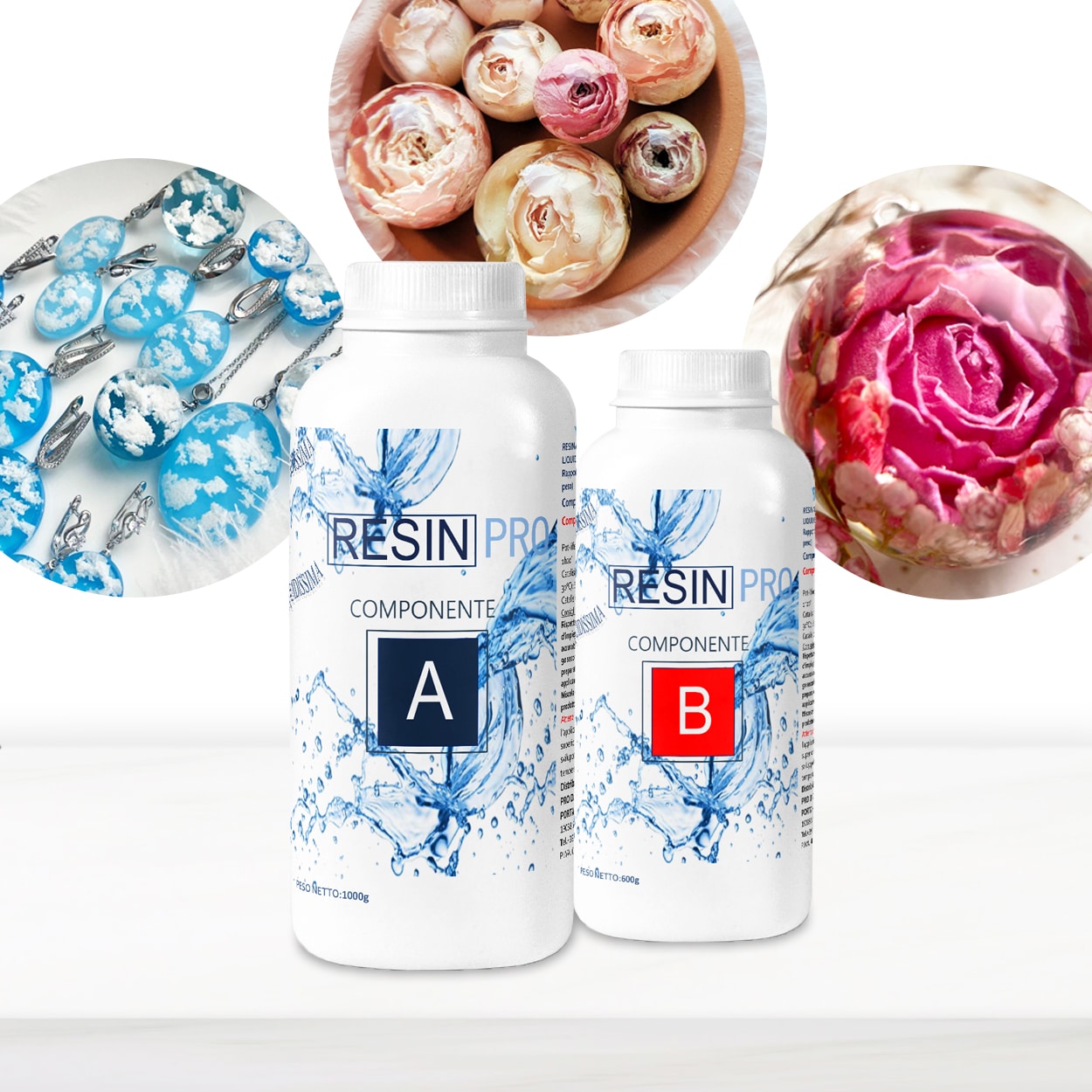

Choosing the right resin means understanding the advantages and limitations of different types. When comparing B-82 resins with fast-setting casting resins, their properties and best uses differ greatly. Here’s a closer look at what sets them apart.
Clarity and Working Time
B-82 resins are valued for their outstanding clarity and longer working time, making them a natural choice for artistic castings, coatings, and resin jewellery. Because they cure more slowly, B-82 resins self-level well and allow for detailed work without rushing.
In contrast, fast-setting casting resins—such as “Polyform” Polyurethane Casting Resin—are formulated to cure rapidly, sometimes within minutes. This quick turnaround is ideal for prototyping, model making, or small batch production, but can limit your ability to work with fine detail or achieve a water-clear finish.


Best Applications: When to Choose Each Resin
- B-82 and Slow-Curing Resins: Perfect for artistic projects, jewellery, layered pours, or applications where a transparent finish and more open time are essential. “Liquidissima” Epoxy Resin is a great example for intricate moulds and creative works.
- Fast-Setting Casting Resins: Choose these when speed matters most, such as for rapid prototyping or quick moulding tasks in model construction, provided clarity is not a top priority.
When This Matters Most
Your choice between B-82 and fast-setting casting resin matters most when balancing detail and speed. If your project’s success relies on flawless clarity and time to perfect your work, opt for a slow-curing formula. For high-output, time-critical work, a fast-setting resin is more practical, even if it means some trade-offs in finish.

Related products
Related guides
Understanding these core differences will help you select the right material for your resin project. Explore more about B-82 resins and their best uses on our main What is B-82 resin? hub page.