 Free shipping on orders over £29,85
  Shipping Tracking!


 Google
 Facebook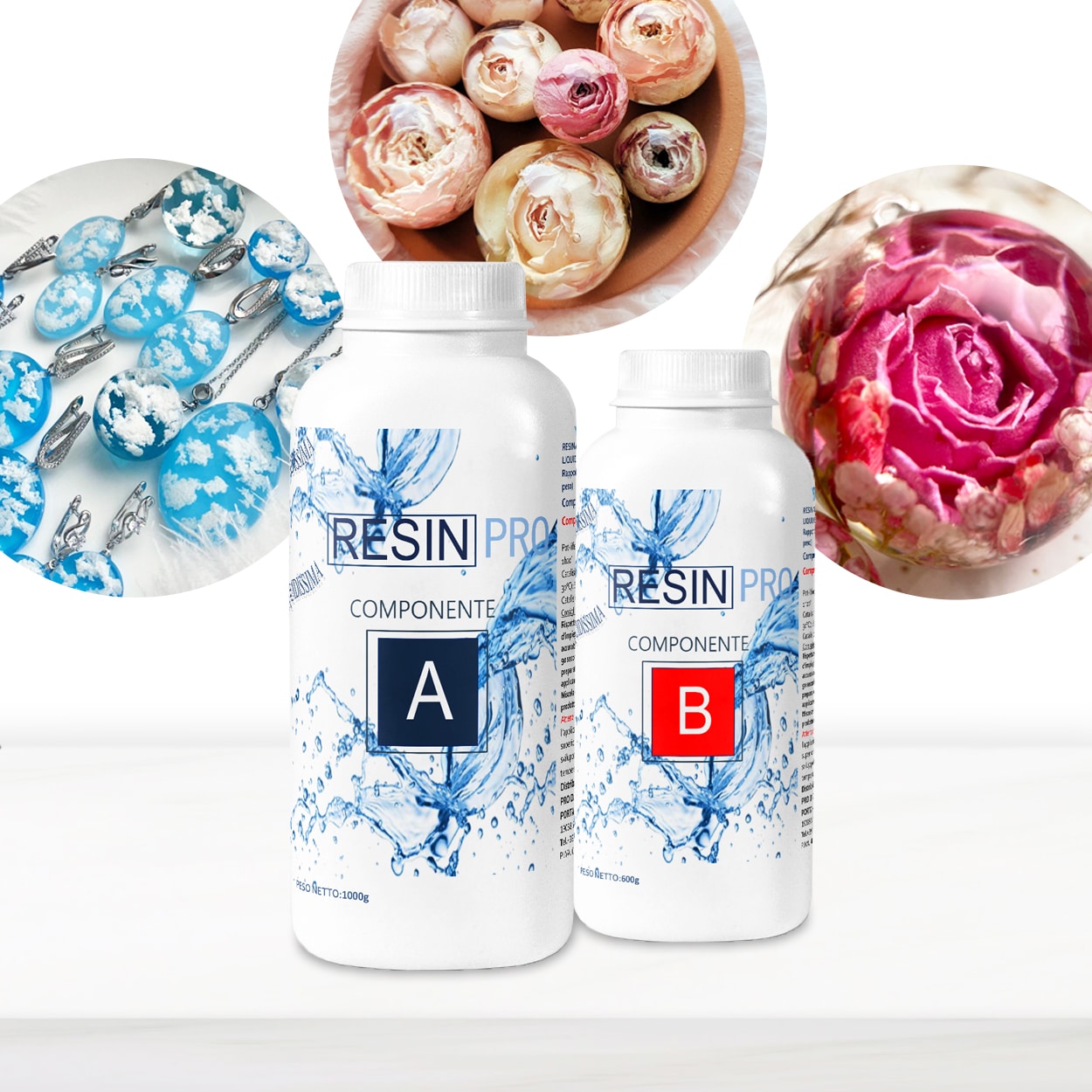

B-82 resin is a versatile option for creative and technical projects, but understanding its curing time and the casting thickness limits is essential for achieving professional results. Here’s what to expect with B-82 type and similar resins.
Typical Cure Times Explained
For clear art and jewellery resins like “Liquidissima” Epoxy Resin, curing generally takes several hours at room temperature. Full hardness often requires leaving your piece undisturbed overnight or up to 24 hours, allowing the resin to develop clarity and durability. Fast-setting polyurethanes, such as Polyform, can solidify in as little as 5 minutes and be demoulded after around 30 minutes, making them suitable for rapid prototyping and model making.


Recommended Pour Thickness
Epoxy resins designed for artistic and jewellery work are best poured in layers up to 1cm thick. Pouring thicker layers can generate excessive heat, leading to bubbles or imperfections. For technical and composite applications—like those tackled with Carbon Resin for Carbon Fibre & Fibreglass—the recommended thickness may differ, so always check the manufacturer’s guidelines for each formula.
Practical Guidance & Tips
- Layering: If your project requires more than 1cm thickness, pour in multiple thin layers, allowing each to partly cure before adding the next.
- Room Temperature: Maintain a steady room temperature for consistent curing.
- Demoulding: Give your work extra time if ambient conditions are cool or if you’ve cast towards the upper thickness limit.

When This Matters
Understanding cure times and recommended thickness helps prevent curing issues in larger or more detailed castings, especially for jewellery makers, model builders and composite fabricators requiring reliable results.
Related products
Related guides
For best outcomes, always select a B-82 type resin suited to your project’s needs, and pour in the advised thickness for a smooth, flawless finish. Discover more about B-82 resin performance and tips on our main B-82 resin guide.