 Free shipping on orders over £29,85
  Shipping Tracking!


 Google
 Facebook
What is B-82 resin?
Clear guidance on B-82 resin and choosing the best match

If you are exploring resin products for creative projects or technical applications, you might encounter “B-82 resin”—a term often associated with high-quality, multi-purpose resins. This page clarifies what B-82 resin refers to, its typical uses, and how to choose the best resin type for your individual needs, whether you are crafting jewellery, coating composites, or seeking fast-setting solutions for models and prototypes.
Understanding B-82 Resin: Overview and Comparison
“B-82 resin” is not a single product, but rather a shorthand used by professionals and enthusiasts to refer to a class of versatile, clear, or technical resins often prized for their transparency, toughness, or ease of use. These resins come in different formulations, each catering to a specific set of requirements—from glossy art finishes and jewellery to technical coatings and rapid-cure prototyping. Key differences revolve around clarity, setting time, flow properties, and suitability for particular substrates or effects.

Visual Comparison: Resin Types and Applications
See the difference in finish and capability across epoxy, polyurethane, and additives. Each product delivers unique properties for creative and technical needs—examine composite coatings, artistic clarity, rapid-cure prototypes, and cell effects to quickly spot the best match for your project.
“Carbon Resin” – Epoxy Resin for Carbon Fiber & Fiberglass Coating
For those working with composites or technical fabrics, “Carbon Resin” – Epoxy Resin for Carbon Fiber & Fiberglass Coating is specially developed to deliver high impact resistance and guarantee perfect impregnation for carbon fibre, fibreglass, and similar materials. Its formula minimises bubbles, ensures structural integrity, and cures at room temperature—making it an accessible choice for professionals, hobbyists, and model builders requiring reliable, glossy finishes for demanding applications.
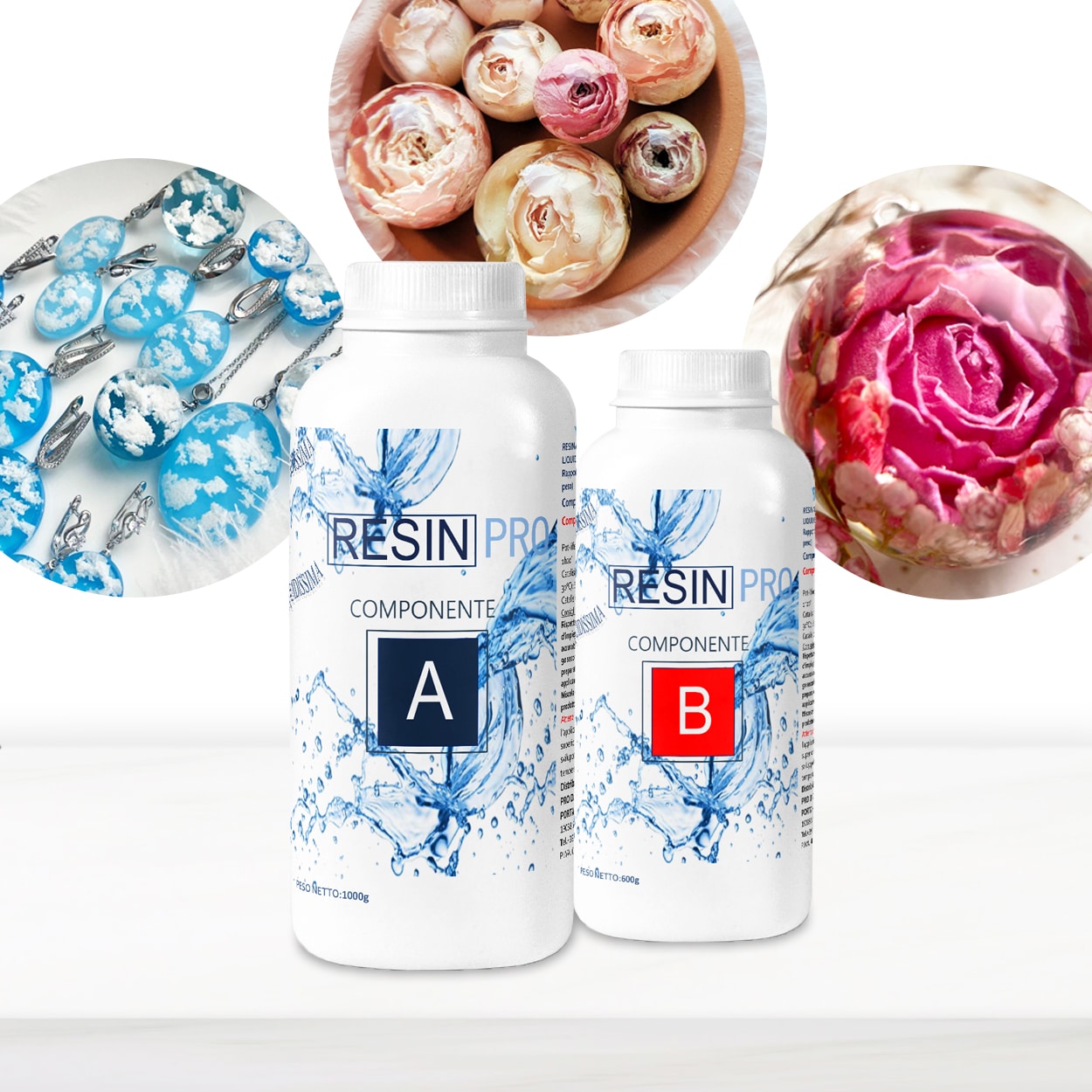
“Liquidissima” – Epoxy Resin For Creations & Jewellery
When projects demand supreme clarity and precision in intricate moulds, “Liquidissima” – Epoxy Resin For Creations & Jewellery stands out. This two-component, low-viscosity resin offers a water-clear finish and longer working time, making it ideal for detailed jewellery and artistic creations. It is designed to self-level, reduce bubbles, and give creators greater room to perfect their craft—with the flexibility needed for complex or delicate moulds.
“Polyform” – Polyurethane Casting Resin, Beige, Fast-Setting for Prototyping
If time and durability are crucial—such as in model making or small batch production—the “Polyform” – Polyurethane Casting Resin offers a fast setting (cures in about 5 minutes), high-detail solution that is non-toxic once set. Its beige finish and mighty Shore A 100 hardness provide strength and wear resistance, perfect for prototypes and practical manufacturing. This product is best kept at temperatures above 8–10°C and is not suitable for colouring, prioritising speed of production and detail instead.
“Resi-Blast” – Cell Effect Additive for Resin Art, 25ml
Those seeking artistic effects for resin art can expand their toolkit with the “Resi-Blast” – Cell Effect Additive for Resin Art, 25ml. Unlike primary resins, this non-toxic, solvent-free additive is designed to create innovative cell effects and mesmerising patterns in epoxy, polyester, or polyurethane resins—widely used in abstract art, coasters, and poured surfaces. Simply drip onto liquid resin to stimulate blooming designs and enhance the visual appeal of your creations.
Tips for Choosing the Right Resin for Your Project
Selecting a resin depends on your desired outcome—consider clarity, work time, substrate compatibility, and whether you need special effects or rapid demoulding. For technical structural projects, opt for resins with strong impregnation and impact resistance. Artists and jewellers should lean toward transparent, bubble-resistant products offering longer working times. When speed is crucial, a fast-setting polyurethane may be best. Always read the manufacturer guidelines and consider environmental factors like temperature and humidity for proper curing.
Project Inspiration and Expert Advice
Explore completed projects utilising B-82 type resins, from transparent jewellery to robust fabric coatings. Read expert tips for surface preparation, safety, and achieving the finest finish—whatever your ambition, we support every step of your creative or technical journey.

- "Carbon Resin" – Epoxy Resin for Carbon Fiber & Fiberglass CoatingPrice range: £19.95 through £37.95Epoxy resin designed for composites and technical fabrics, suitable for carbon fibre and fibreglass applications with a durable, glossy finish.
- "Liquidissima" – Epoxy Resin For Creations & JewelleryPrice range: £12.85 through £31.85"Liquidissima" is a two-component epoxy resin designed for artistic creations and jewellery, offering clarity and longer working time suitable for…
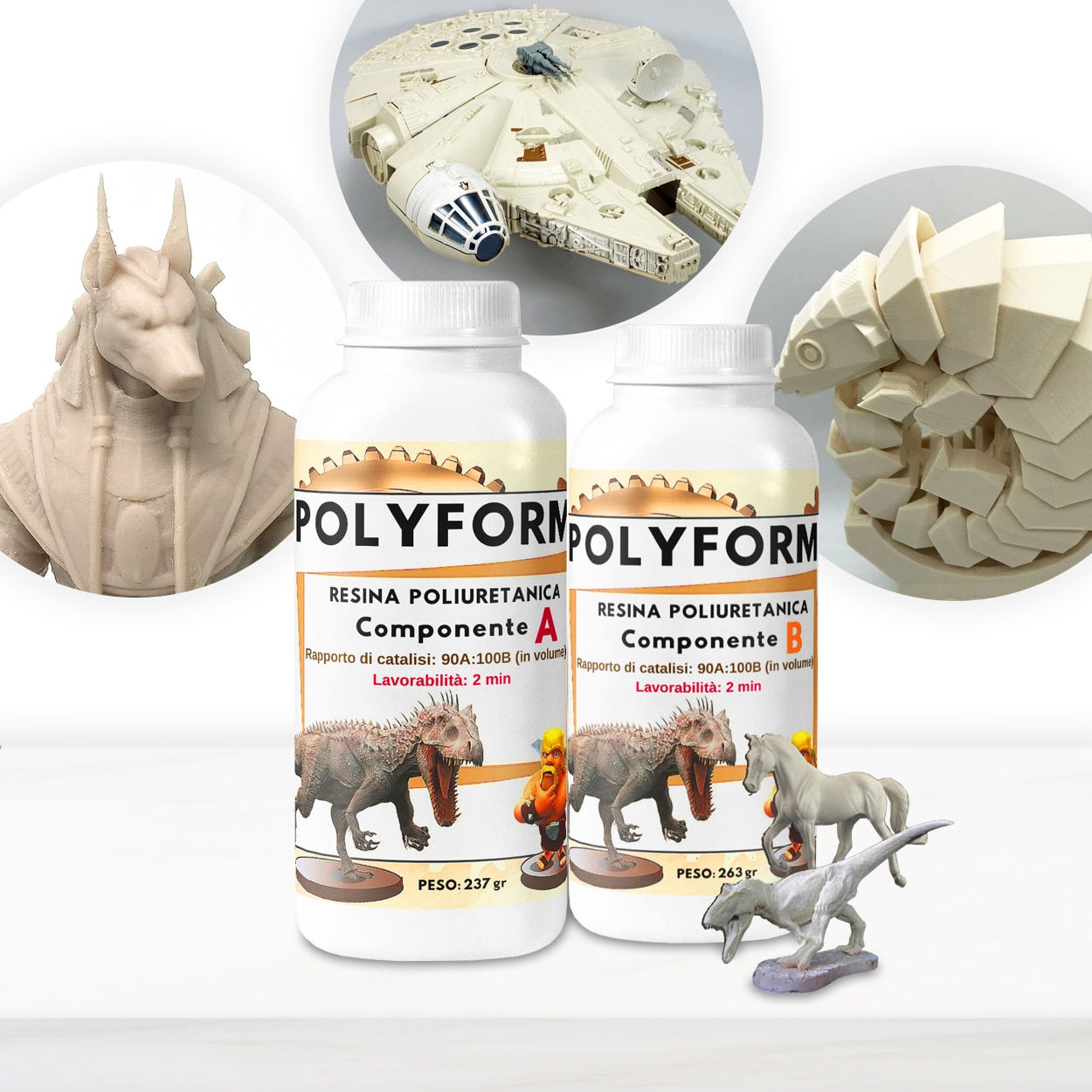 “Polyform” – Polyurethane Casting Resin, Beige, Fast-Setting for PrototypingPrice range: £15.95 through £141.95Polyform polyurethane casting resin is designed for quick, detailed prototyping and small batch production with a beige, durable finish.
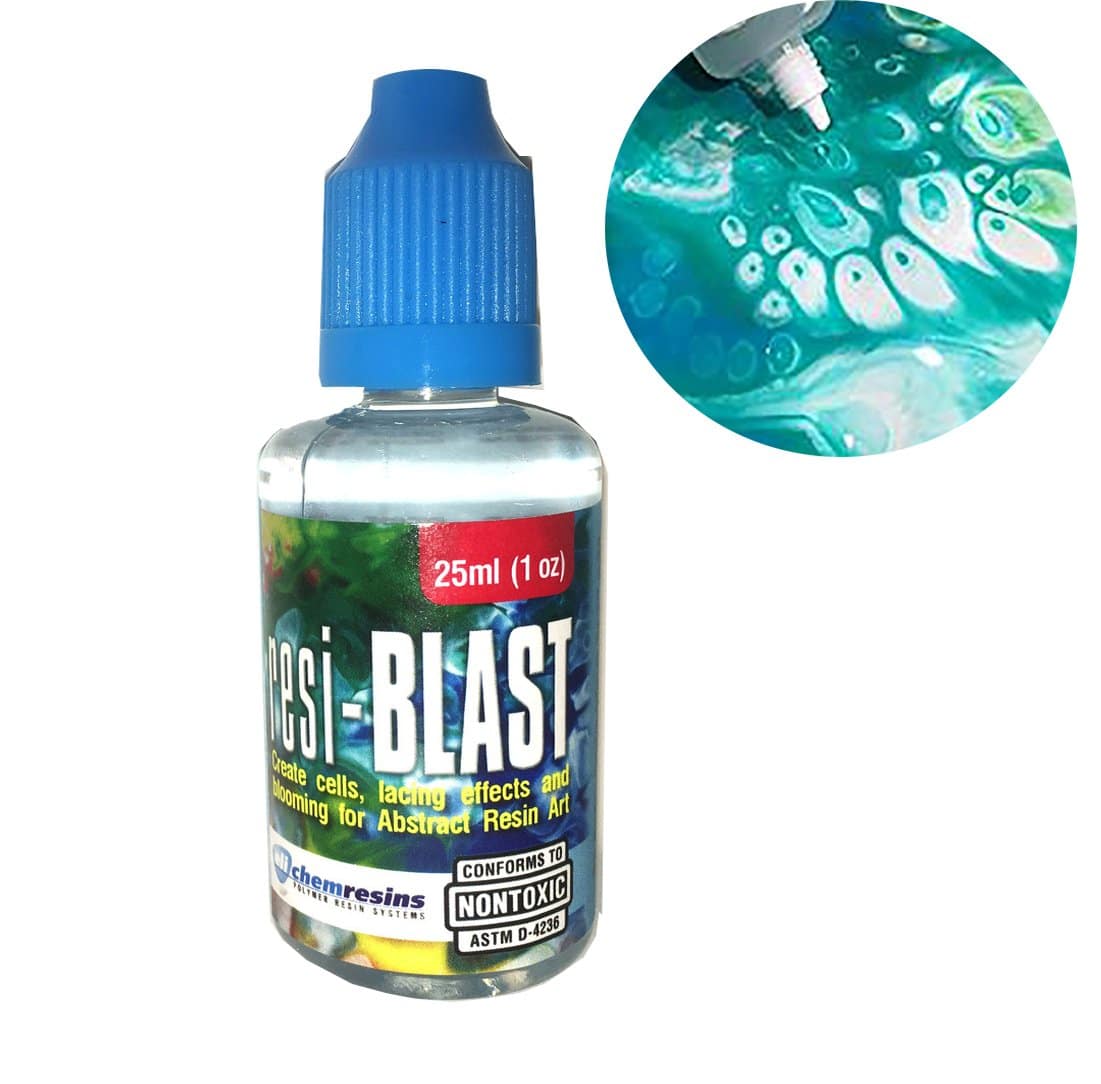 "Resi-Blast" – Cell Effect Additive for Resin Art, 25ml£21.95"Resi-Blast" offers a non-toxic liquid additive designed to create cell effects in epoxy resin art projects.
Frequently Asked Questions
Is B-82 resin suitable for jewellery or art?
Yes, many B-82 resins excel in jewellery and resin art thanks to high clarity and self-levelling properties. Choose accordingly for your project.
How does B-82 differ from fast-setting casting resin?
B-82 typically refers to clear, slow-curing resins for art or coatings, while fast-setting casting resins prioritise speed and prototyping over clarity.
Can I use additives for special effects in B-82 resin projects?
Yes, additives like cell effect liquids are compatible with most B-82 style resins to produce decorative patterns or blooming effects.
What is the best resin for composites and fabrics?
Choose an epoxy resin formulated for technical fabrics. These offer high impact resistance and superior impregnation, suited to demanding composites work.
How long does B-82 resin take to cure and what thickness can it handle?
Cure times and casting thickness vary by product. Clear art resins are ideal up to 1cm thick per pour, while technical epoxies and polyurethanes set differently.
Can you colour or tint B-82 resins?
Certain B-82 resins, especially for jewellery and art, can be tinted with compatible dyes. Always check individual product guidelines for limitations.