 Free shipping on orders over £29,85
  Shipping Tracking!


 Google
 Facebook
← Back to Where to buy resins for industrial flooring?
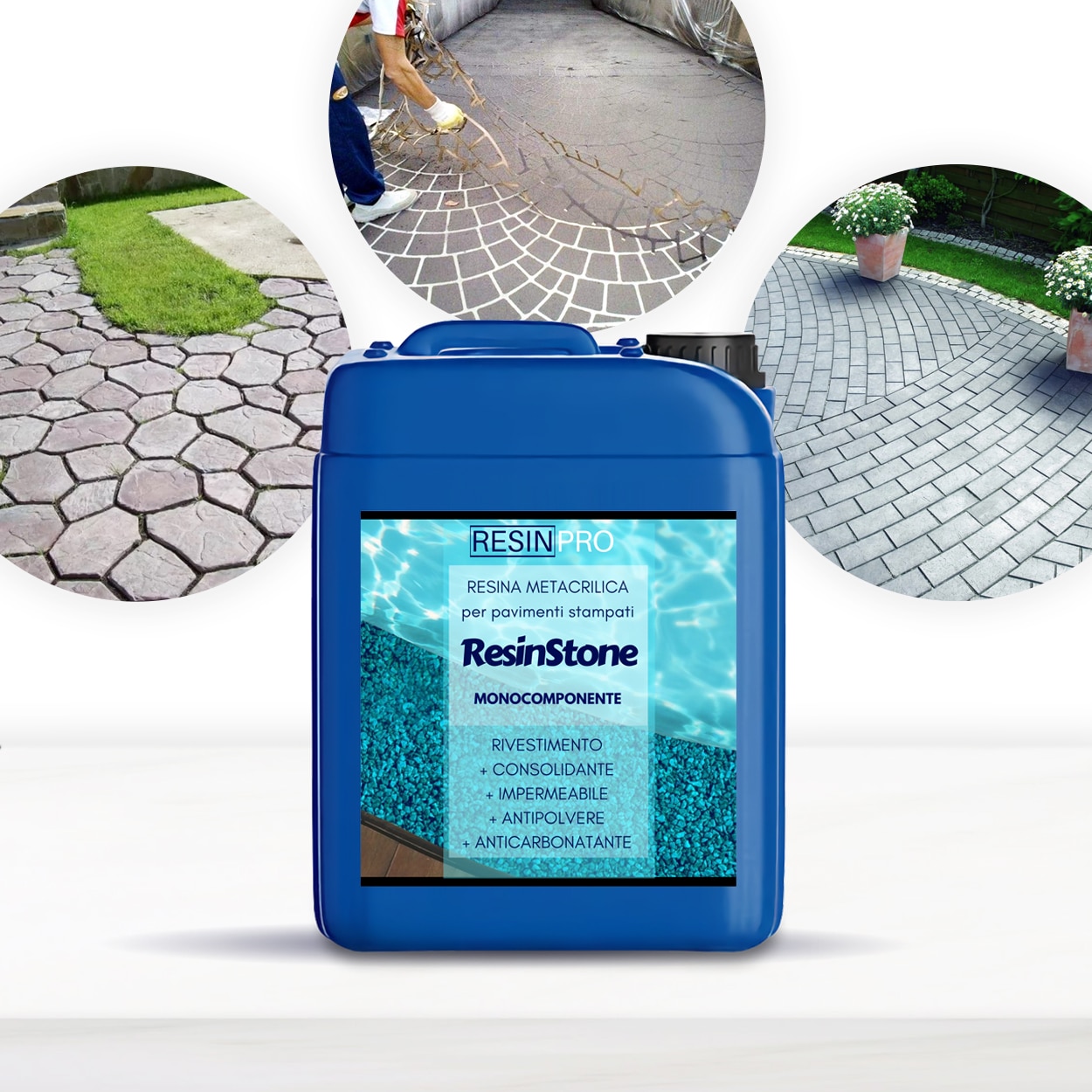

Methacrylic resin is known for its robust sealing power on concrete floors and driveways. But is it realistic for DIY users to tackle this type of project themselves? Here’s what to know before you start.
Why Choose Methacrylic Resin for DIY?
One-component methacrylic resin systems simplify the process considerably compared to multi-part products. These ready-to-use formulas remove the need for pre-mixing different chemicals, making them a practical solution for home users seeking a smart way to seal and protect concrete floors, paths, or driveways.
- Quick application: Can be applied with a roller or brush.
- Fast drying: Surfaces are generally ready for light use within 12 hours.
- Effective protection: Offers robust defence against moisture, chemical spills, and general wear.
Practical Guidance for DIY Application
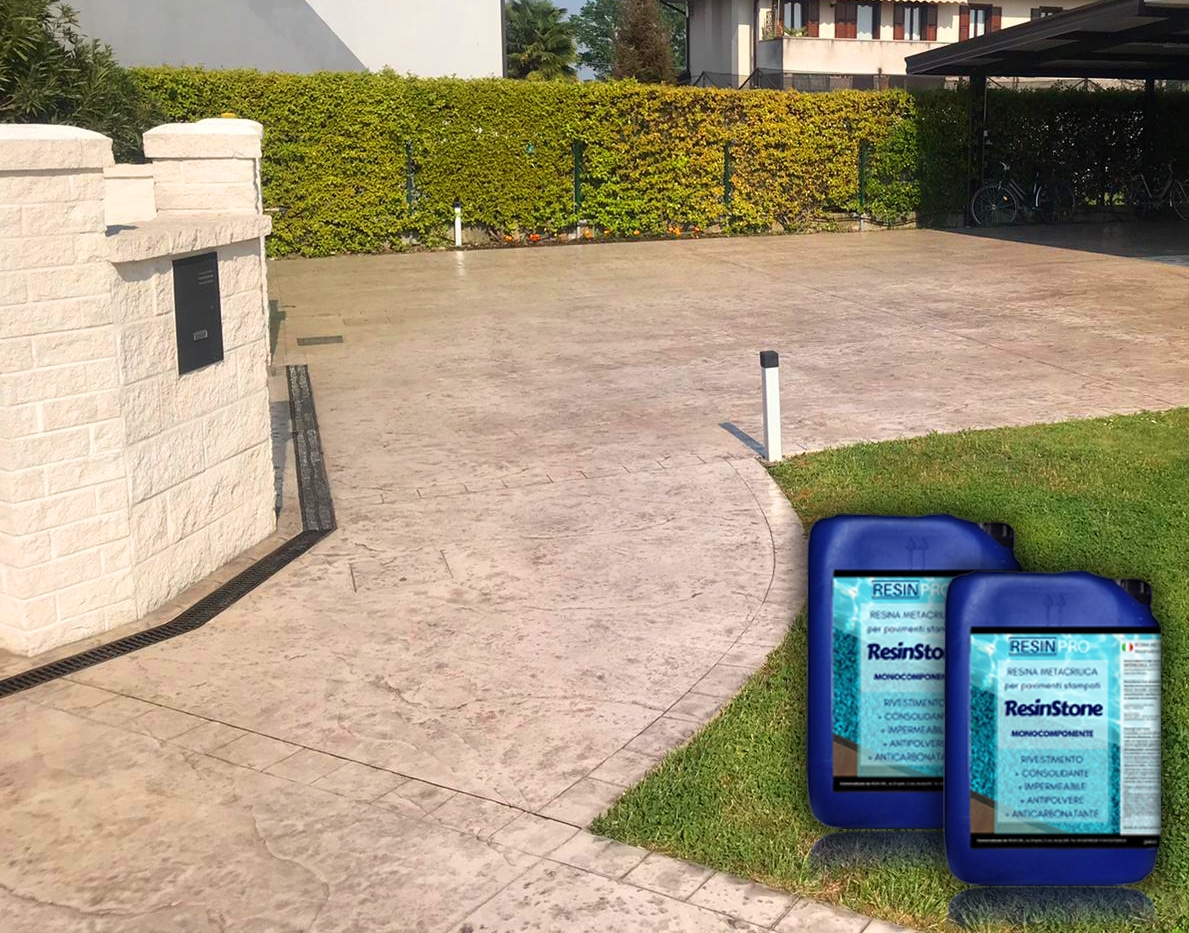
Before beginning, ensure the concrete or mineral surface is clean, dry, and free from dust or oils. Methacrylic resin, like Resinstone, should be poured or rolled onto the surface in even coats, following the manufacturer’s instructions. Pay close attention to ventilation and appropriate safety measures, such as gloves and protective eyewear.
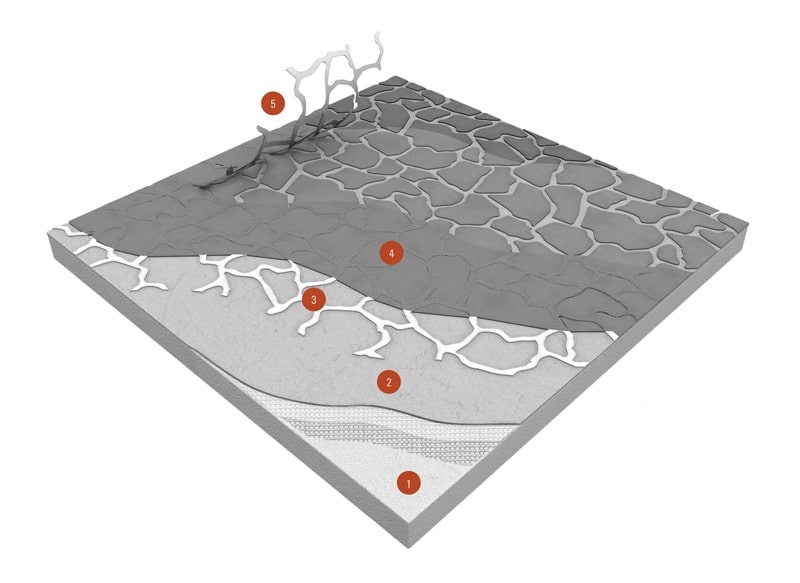
If the surface is particularly porous or in poor condition, priming with a suitable product may help improve results and longevity.
When Does Methacrylic Resin Make Sense for DIY?
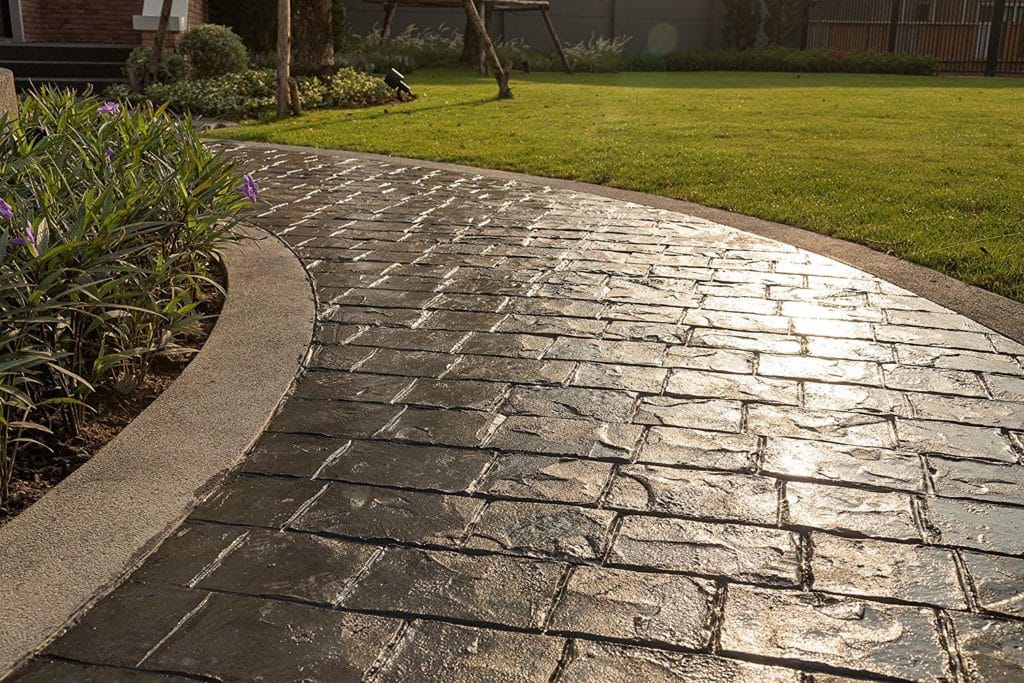
This option works especially well for home garages, patios, and small exterior walkways where concrete needs low-hassle, durable protection. However, it is not intended for use as a binder for loose gravel or where multiple specialist layers are required.
Related products
Related guides
For straightforward projects where sealing and protecting concrete is the goal, one-component methacrylic resin can be a rewarding DIY solution. To explore more options or for industrial-scale needs, see our main guide on where to buy resins for industrial flooring.