 Free shipping on orders over £29,85
  Shipping Tracking!


 Google
 Facebook
← Back to Where to buy two-component resin?
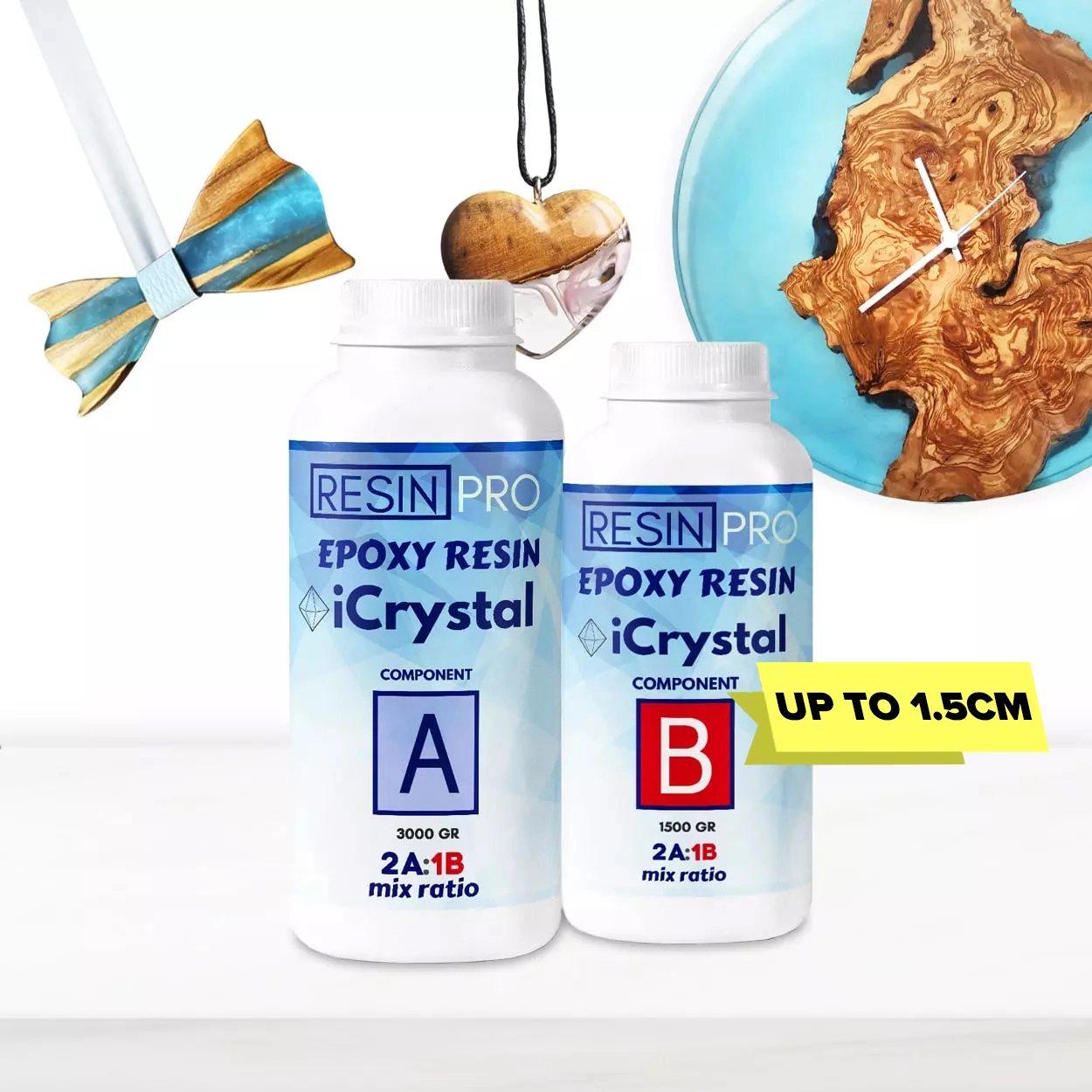
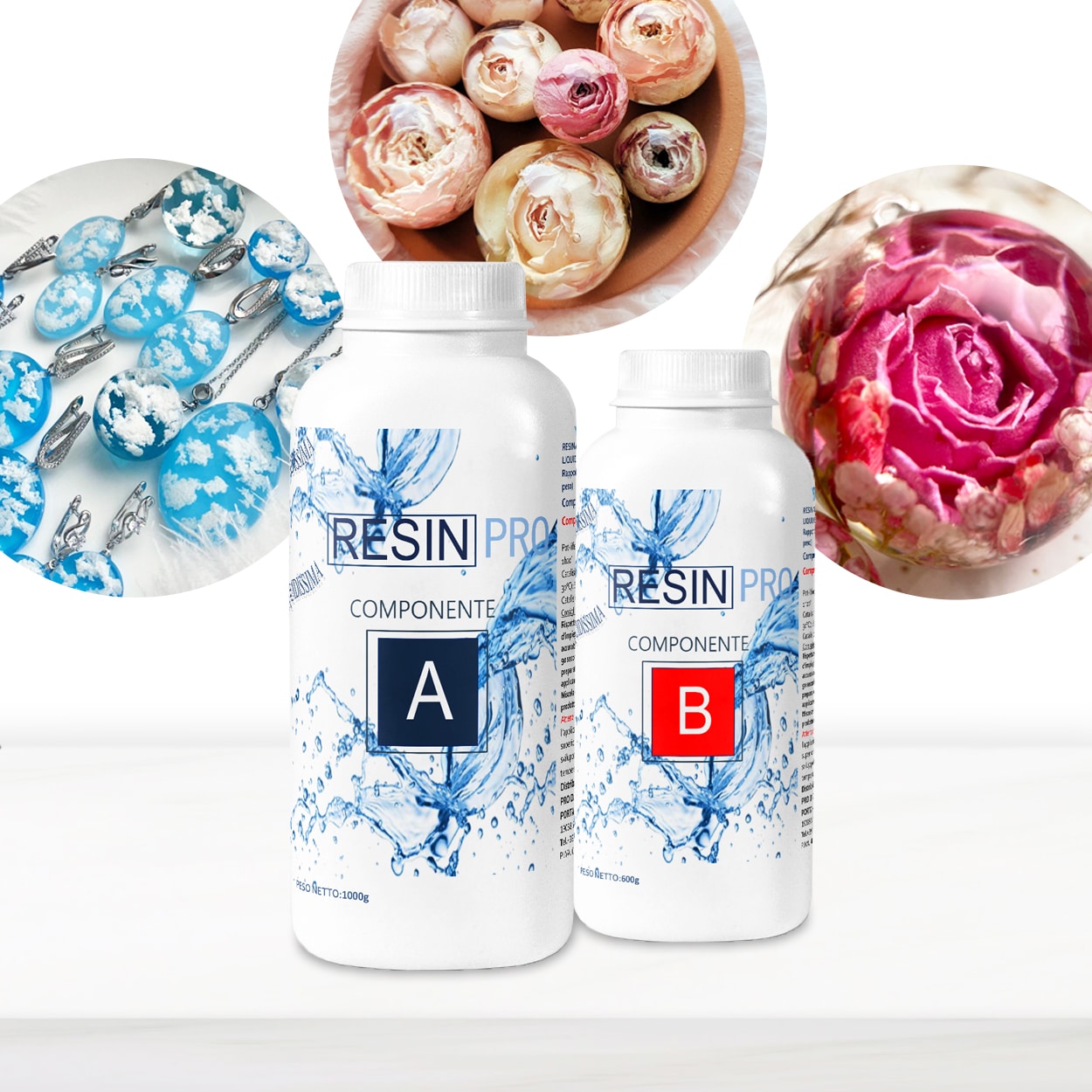
Epoxy resin is favoured in creative and construction circles for its strong bond and versatile application. But what exactly will it stick to? This guide explores typical surfaces epoxy resin is compatible with and offers advice for achieving reliable adhesion in your projects.
Common Surfaces for Epoxy Resin
Epoxy resin shows excellent adhesion to a wide range of materials used in both decorative crafts and practical repairs. Some of the most suitable surfaces include:
- Wood: Perfect for furniture coatings, inlays, and art pieces.
- Ceramics: Frequently used to repair or decorate pottery and tiles.
- Concrete: Often chosen for floor coatings and creative applications like embedded designs.
- Canvas and Fabrics: Used in mixed media artworks to add clear, glossy finishes.
- Glass Fibre (Fibreglass): Popular in model-making and restoration projects.
Epoxy resins can also adhere to some plastics and metals, but surface preparation is essential for best results.
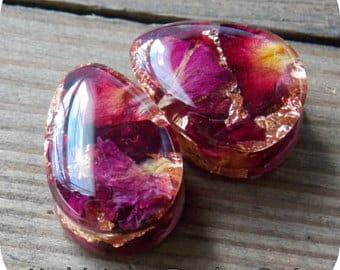
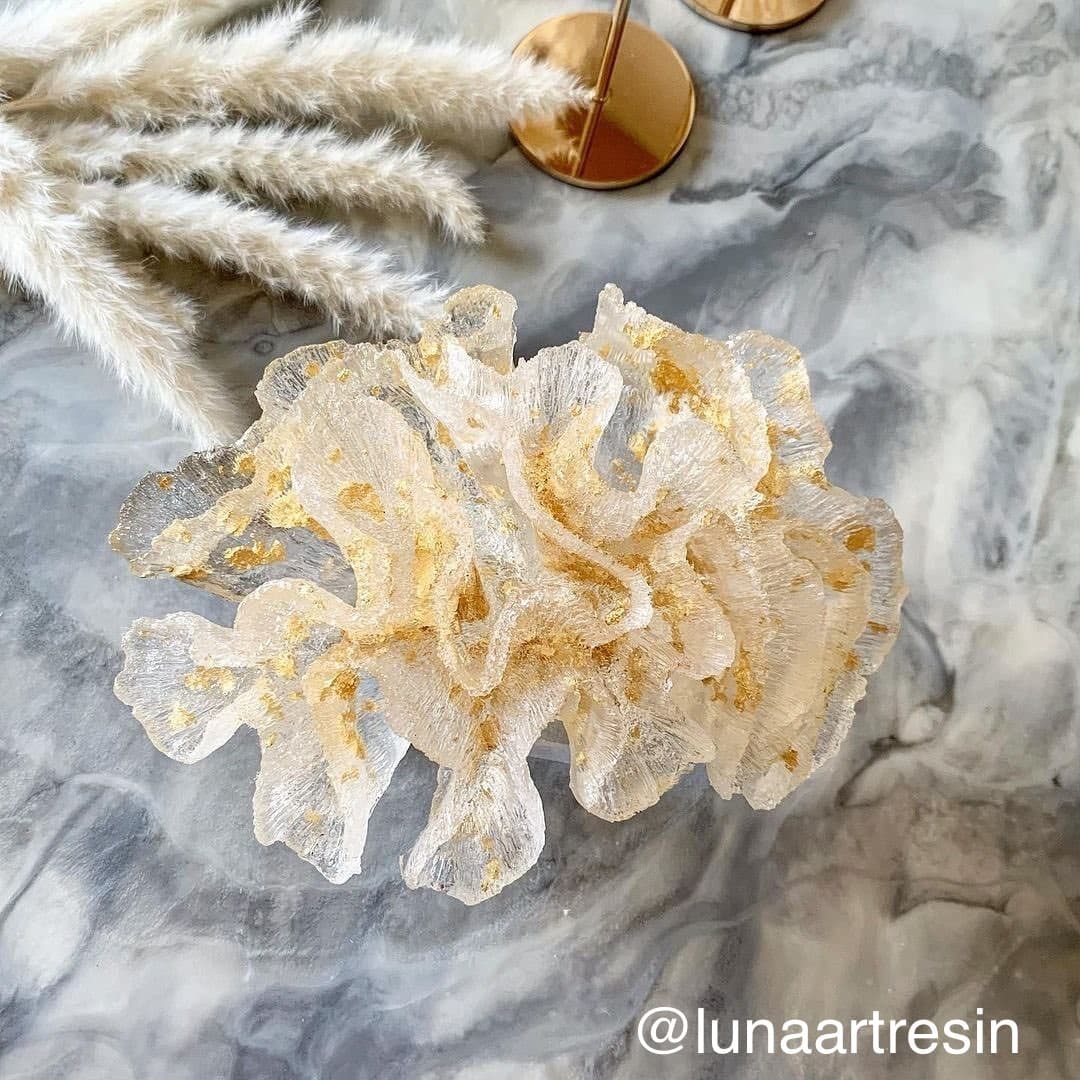
Surface Preparation Tips
For optimal adhesion, ensure all surfaces are clean, dry, and dust-free. Lightly sanding glossy or smooth finishes helps resin bond more securely. On porous materials such as wood or concrete, a primer or a thin seal coat of resin may help prevent air bubbles and uneven absorption.
If you are working with detailed moulds or artistic pieces, consider a specialist resin like Liquidissima Epoxy Resin for its excellent flow and transparency.
When Surface Choice Matters
Choosing the correct substrate impacts the final look, finish durability, and ease of application. For example, clear epoxy is ideal for wood and art, while high-use areas on concrete require a durable option such as “Icrystal” or “Trasparente” epoxy resins. Always match your resin and preparation method to the type of surface for long-lasting results.
Related products
Related guides
Understanding which surfaces your epoxy resin adheres to will help you achieve the best finish in any creative or practical project. For more detailed advice or to explore suitable two-component resins, revisit our guide to buying two-component resin.