 Free shipping on orders over £29,85
  Shipping Tracking!


 Google
 Facebook
Where does epoxy resin not adhere?
Understanding resin release and surface compatibility for your projects
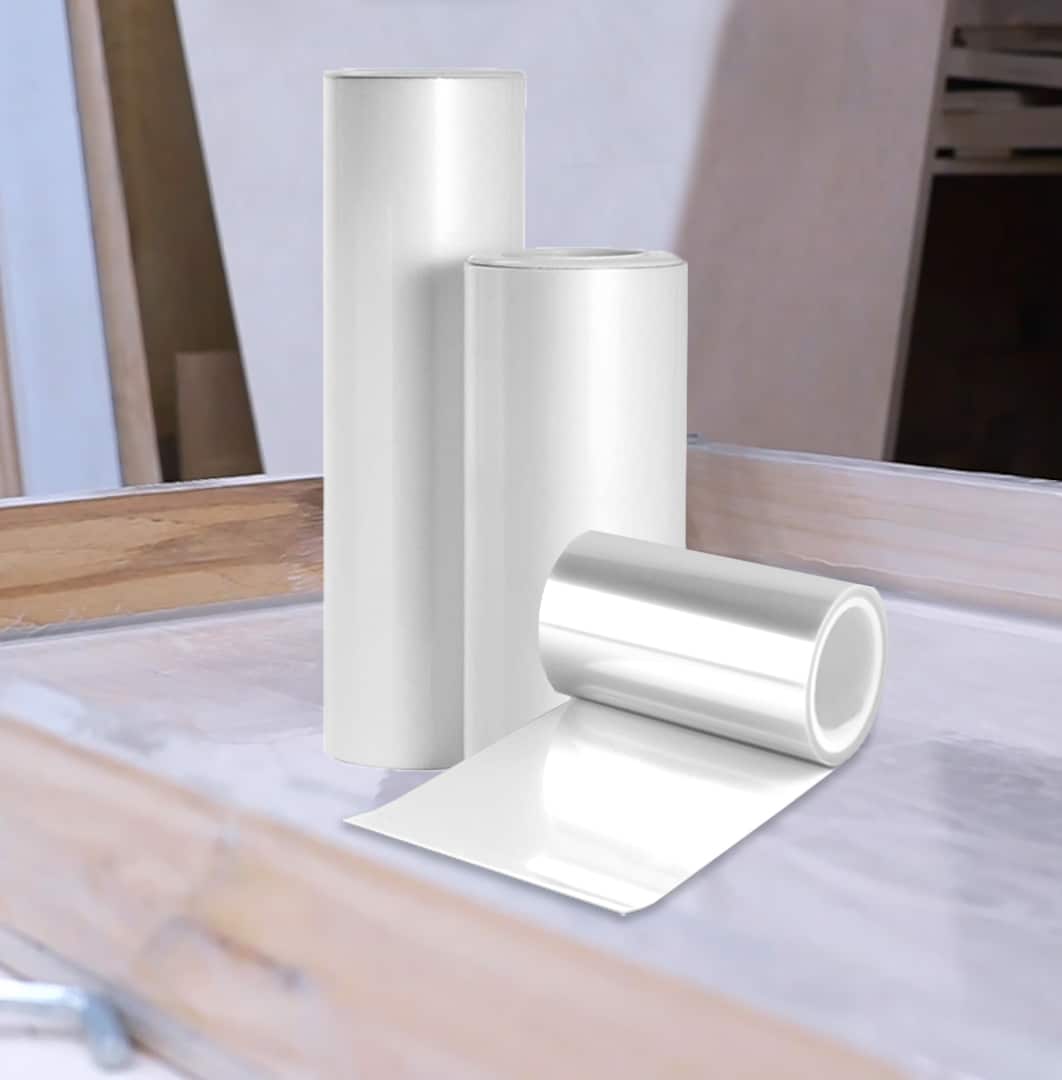

If you work with epoxy resin—whether crafting, casting, or creating floors—knowing where resin will NOT adhere is essential. This page covers the key surfaces and tools that resist epoxy resin adhesion, helping you select the right products for a smooth release, perfect finish, and easy clean-up. Suitable for resin artists, DIYers, and professionals.
Comparing Surfaces and Solutions That Prevent Resin Adhesion
Epoxy resin forms strong bonds with many substrates, but struggles to stick to very smooth, non-porous, or specially treated surfaces. Understanding these differences ensures you avoid resin sticking where unwanted, facilitating easier demoulding or residue-free cleaning. Common non-stick solutions include glossy release films for project moulds, non-stick measuring tools, and surfaces purposely primed for strong adhesion only when required. Choosing the right tool or surface for your process ensures success and minimises clean-up or sanding.
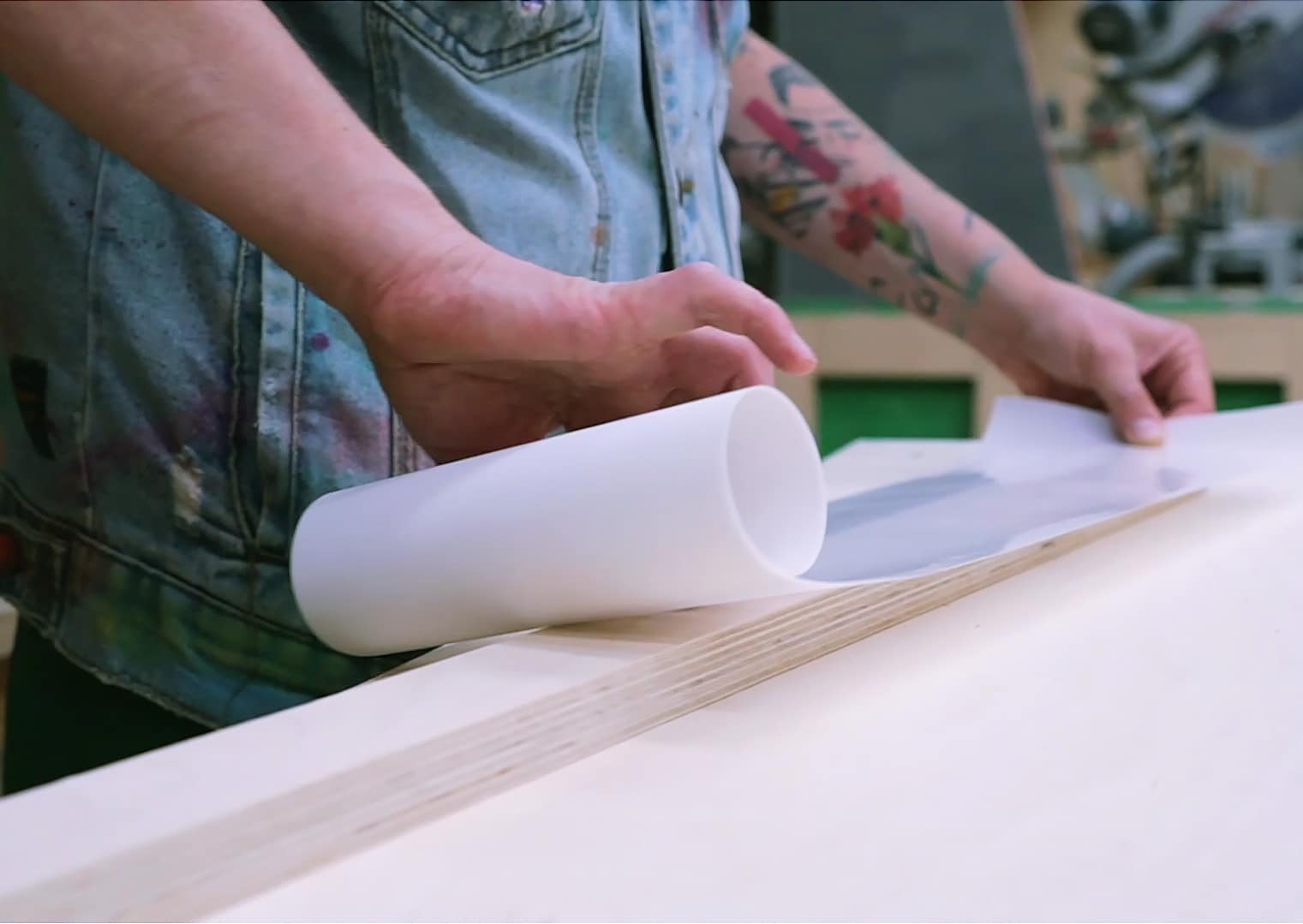
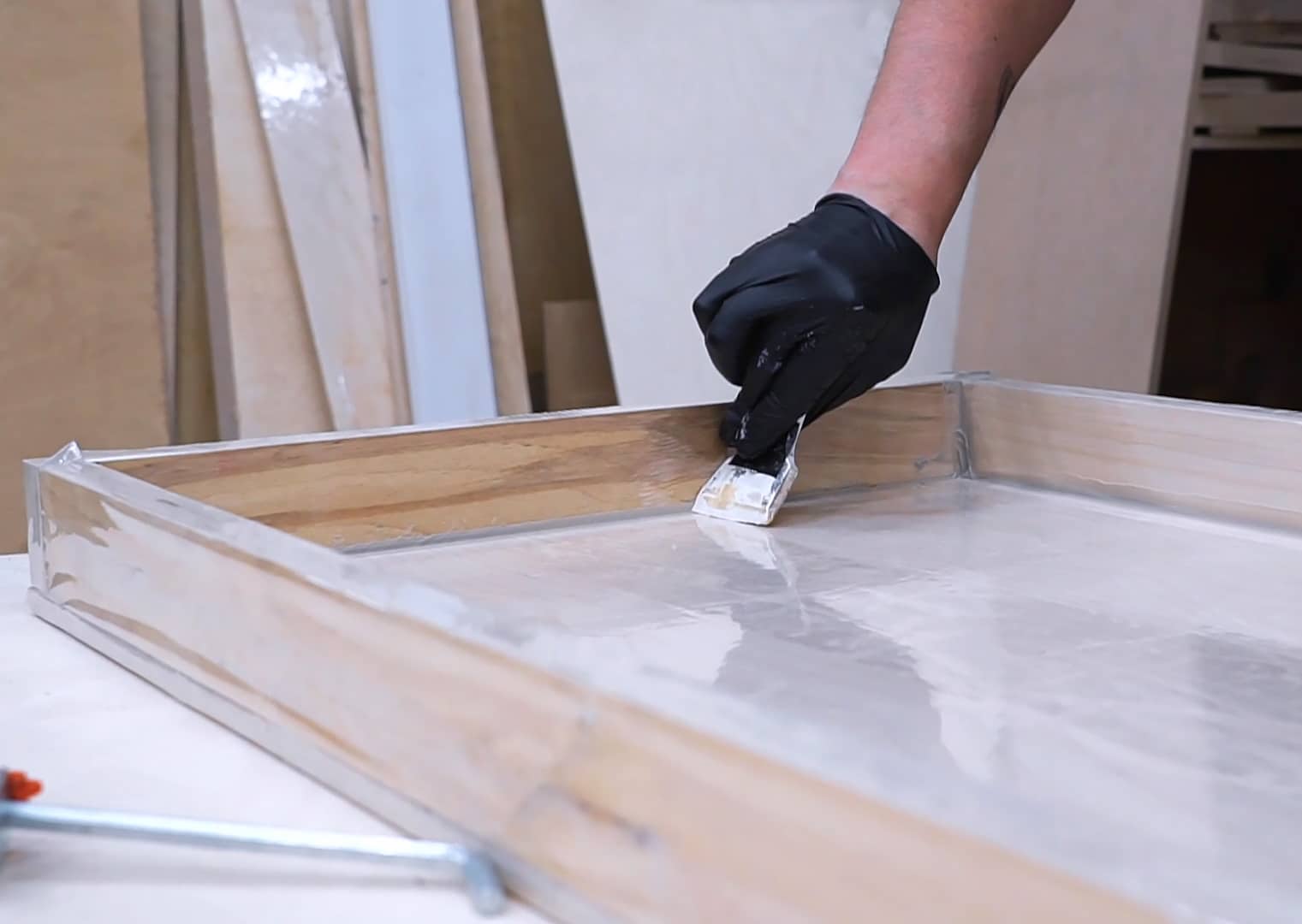
Example: Resin Pulls Cleanly from Non-Stick Surfaces
Notice how glossy release films and non-stick measuring cups allow epoxy resin to cure and then lift away effortlessly. These solutions are indispensable for anyone seeking a spotless, residue-free release in both artistic and functional projects.
“Shiny Shield” – Glossy Release Film for Resin Projects
Shiny Shield” – Glossy Release Film for Resin Projects is a professional solution designed specifically to prevent epoxy resin from sticking during casting or lining forms. This self-adhesive film lays perfectly bubble-free, withstands temperatures over 100°C, and removes easily without sticky residue. It is ideal for lining wooden frames or moulds, allowing fast demoulding and a flawless, polished finish. The glossy surface ensures a high-end look and makes post-casting clean-up quick—no sanding required. Particularly valued by artists seeking mirror-like results, it is reusable for multiple projects, saving time and effort. Its 16cm width suits most frame sizes, making it highly versatile in your resin toolkit.
2L Graduated Measuring Cup for Resin – Precise Epoxy Dosing Tool
For mixing and pouring, the 2L Graduated Measuring Cup for Resin – Precise Epoxy Dosing Tool offers a non-stick internal surface that resin cannot adhere to. This means leftover material peels out easily and the cup is ready for reuse without intensive cleaning, ideal for repetitive projects. Graded from 100ml up to 2 litres, it’s suitable for both hobbyists and professionals requiring reliable dosing accuracy. The sturdy material is robust for repeated mixing and incorporates a handy spout for mess-free pouring. If preventing resin residue in your tools matters, non-adhesive measuring cups are an essential upgrade.
“Epoxyprimer” – Universal Water-Based Two-Component Epoxy Floor Primer
Unlike non-stick surfaces, “Epoxyprimer” – Universal Water-Based Two-Component Epoxy Floor Primer is engineered to promote resin adhesion. Used on concrete, tiles, screeds, and timber, it prepares these surfaces so that epoxy flooring formulas properly bond. If you do NOT adequately prime challenging or non-porous surfaces, epoxy may not adhere as intended, potentially resulting in peeling or lifting. This water-based, odourless primer is easy to apply with roller, brush, or spatula—catering for both professional and DIY flooring applications. For situations where full adhesion is essential, the correct primer transforms an otherwise non-adherent surface into a reliable base for resin application.
Tips for Creating Perfect Release Surfaces
When intending for resin not to stick, opt for dedicated non-stick films, plastic sheets, or silicone-based surfaces for demoulding ease. For tool cleanup, always choose containers or measuring cups with non-stick features to eliminate residue and extend tool life. When permanent bonding is needed, ensure surfaces are thoroughly cleaned and appropriately primed—avoid using release films on areas where strong adhesion is required. Finally, test unfamiliar surfaces on a small area before full project application to confirm whether the resin will bond or release as needed.
Choosing the Right Surface for Your Resin Technique
Glossy surfaces or specially coated tools provide the clean separation resin artists need, while the Epoxyprimer turns typical non-adhesive floors into ideal bases for coatings. Match your surface choice with your desired outcome for the best results.
- "Shiny Shield" – Glossy Release Film for Resin ProjectsPrice range: £3.45 through £12.95Shiny Shield Glossy Release Film creates a flat, high-gloss surface for mould lining in epoxy resin projects with easy removal and reusability.
- 2L Graduated Measuring Cup for Resin – Precise Epoxy Dosing Tool£4.042L Graduated Measuring Cup for Resin offers precise epoxy dosing with graduations from 100ml and features a non-stick surface.
 "Epoxyprimer" – Universal Water-Based Two-Component Epoxy Floor PrimerPrice range: £156.45 through £286.45Epoxyprimer is a water-based two-component epoxy primer designed for reliable adhesion and durability on various floor surfaces.
Frequently Asked Questions
What is the difference between release films and primers?
Release films are designed to prevent adhesion, ideal for moulds, while primers promote adhesion on surfaces like floors.
Why doesn't epoxy stick to some surfaces?
Epoxy resin cannot bond to very smooth, glossy, non-porous, or chemically treated areas, making them ideal for easy release.
Can I use any plastic for epoxy moulds?
Not all plastics are suitable; glossy or specially coated plastics work best, whereas rough plastics may still bond with resin.
How do I prepare a surface to ensure epoxy adhesion?
Clean thoroughly and use a compatible primer such as Epoxyprimer for the intended surface—concrete, timber or tiles.
Are non-stick resin measuring cups reusable?
Yes, non-stick cups are designed for easy cleaning and multiple uses, providing residue-free performance each time.
What materials are best for achieving easy epoxy release?
Glossy release films, certain plastics, and silicone-based surfaces provide the cleanest release for cured epoxy projects.
Do I need to sand resin after using release film?
No, glossy release films yield a perfectly smooth, mirror-like finish that doesn't require additional sanding post demoulding.