 Free shipping on orders over £29,85
  Shipping Tracking!


 Google
 Facebook
← Back to Where should resin cement silk not be applied?
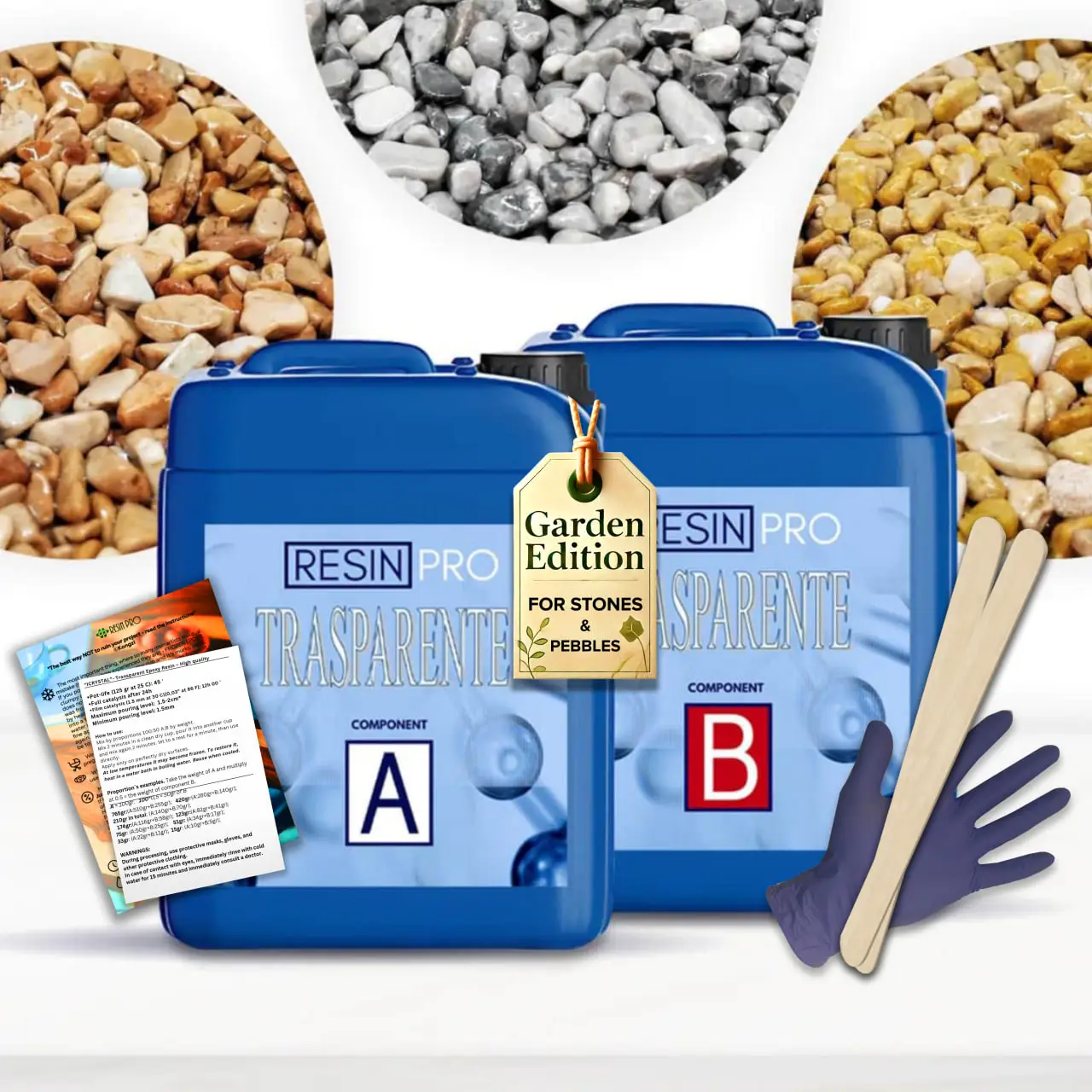
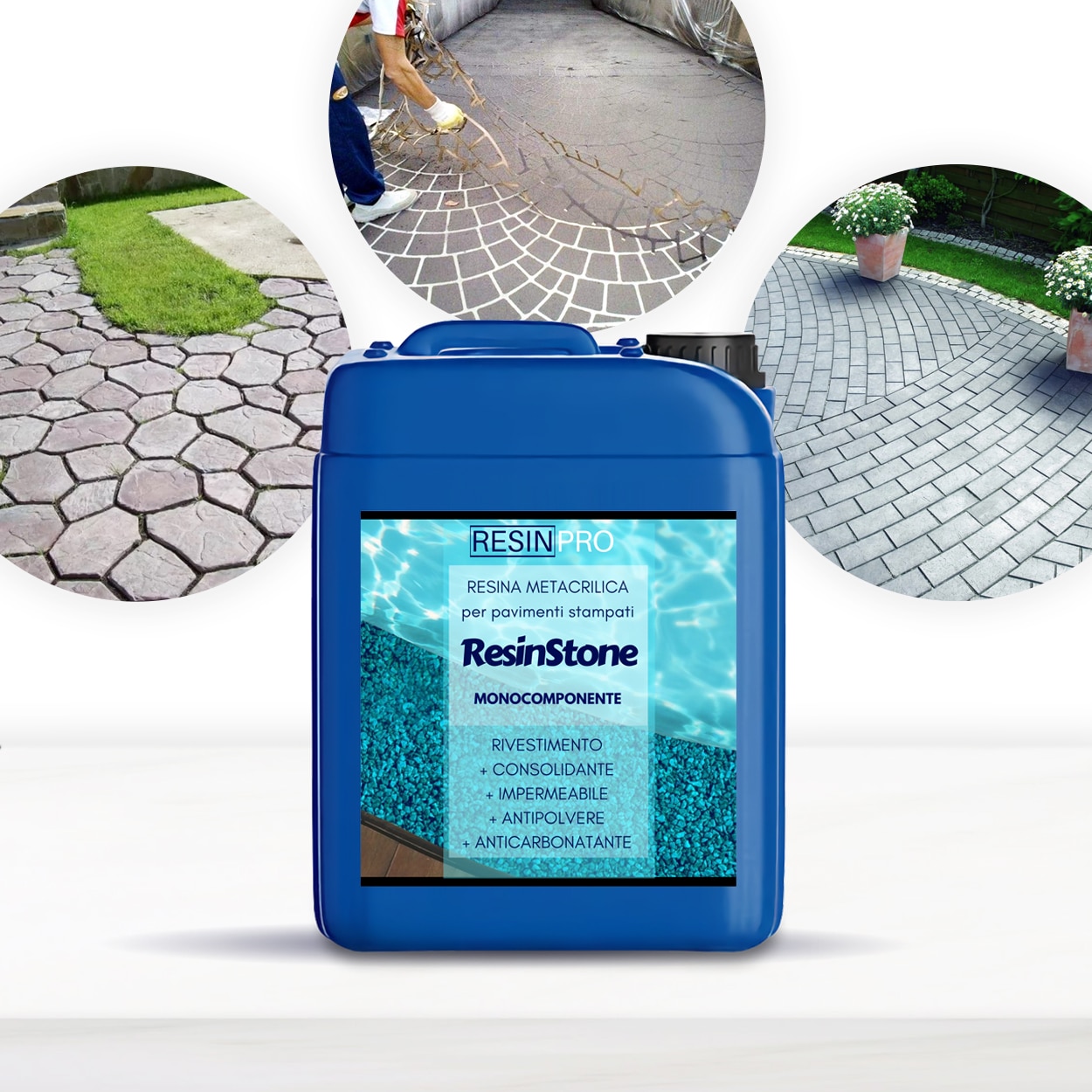
Choosing the right binder for pebble or aggregate flooring is essential for a durable, attractive result. Not all binders are suitable for every size or colour of stone, so it’s important to match materials to your project needs.
Epoxy Binders and Pebble Size: What Works Best?
Epoxy binders, such as the “Trasparente” – Epoxy Binder for Coloured Pebbles and Grits, are formulated to work well with most coloured aggregates commonly used in decorative flooring. When mixed at the recommended ratio, epoxy ensures that the pebbles or grits are well encapsulated, supporting stability and a seamless surface finish. This versatility means it’s effective for both fine and medium-sized stones.

Practical Guidance for Application
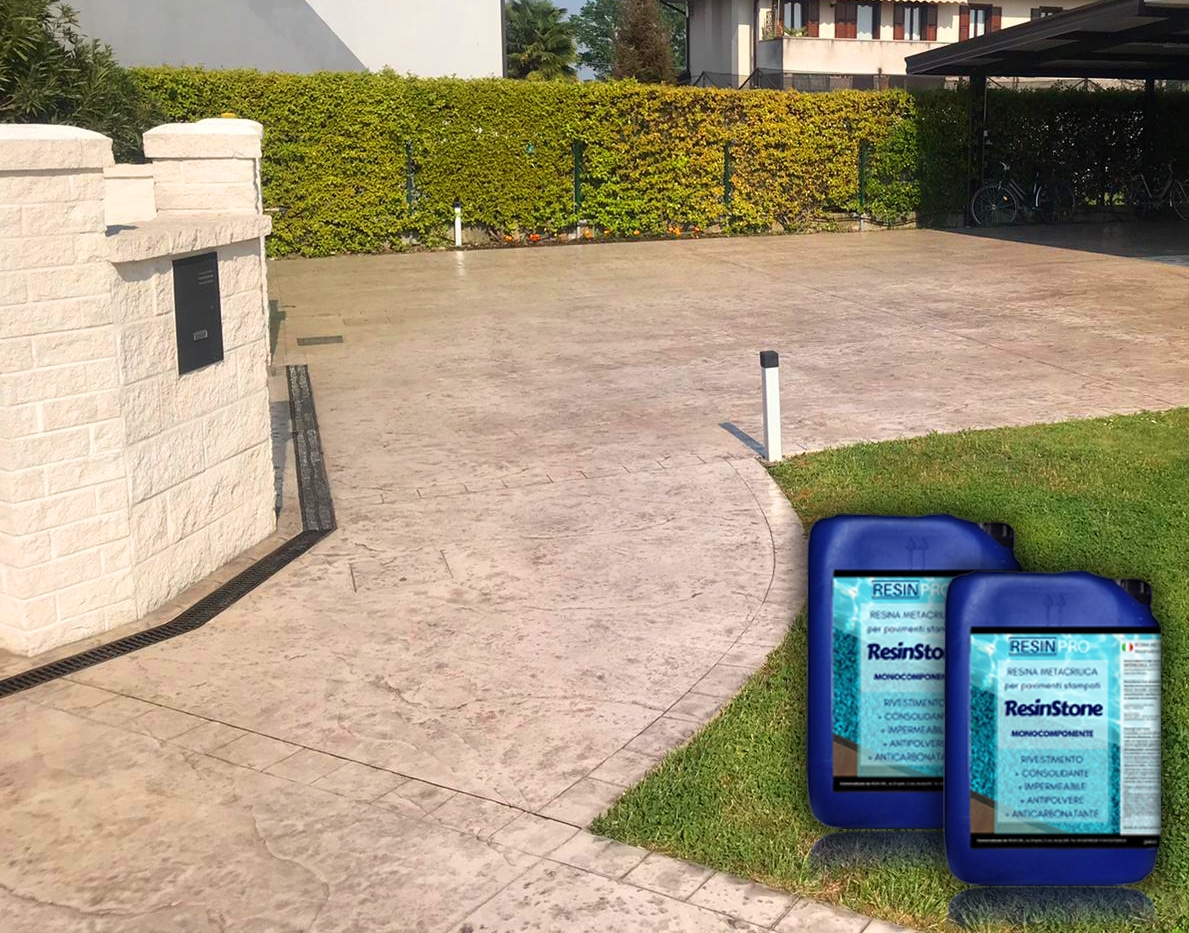
The key to a successful installation is thoroughly blending the epoxy binder with your chosen pebble size before applying the mix to your substrate. This approach allows the resin to penetrate all around the aggregates, ensuring structural integrity and a consistent appearance. For decorative flooring, paths, or driveways with coloured stones, always follow the manufacturer’s ratio guidelines as aggregate size can affect binder quantity and distribution.
- Do not pour epoxy binder directly onto loose gravel; always mix beforehand.
- Epoxy binder is best suited for dark or coloured aggregates rather than bright white or light stones, as some may show colour changes over time.
- If using white pebbles such as Carrara, consider a polyurethane binder instead, as recommended for these particular stones.
When This Matters
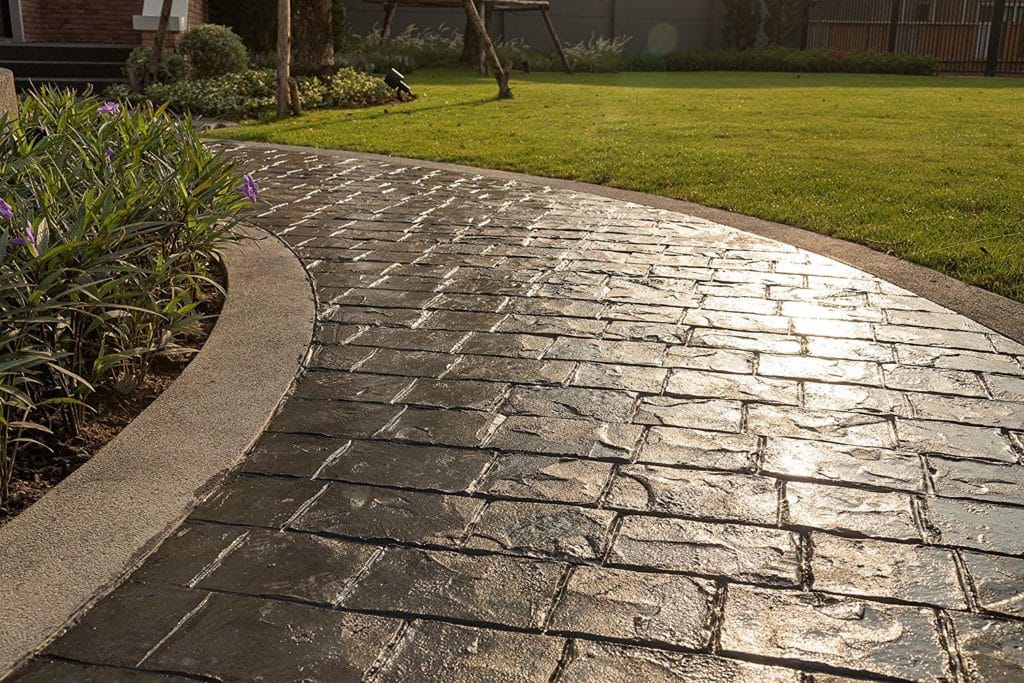
The choice of binding system is especially important for outdoor surfaces exposed to weather and traffic. Using the correct binder for your chosen aggregate size and type will result in durable, visually appealing pathways, patios, or permeable floors designed to last.
Related products
Related guides
Selecting the right epoxy binder and following best practice ensures your coloured pebble floor remains beautiful and robust. For a broader overview of where resin cement silk or similar products should (and shouldn’t) be used, see our advice on the main resin cement silk application guide.