 Free shipping on orders over £29,85
  Shipping Tracking!


 Google
 Facebook
← Back to Which is better for a boat: epoxy or polyurethane paint?

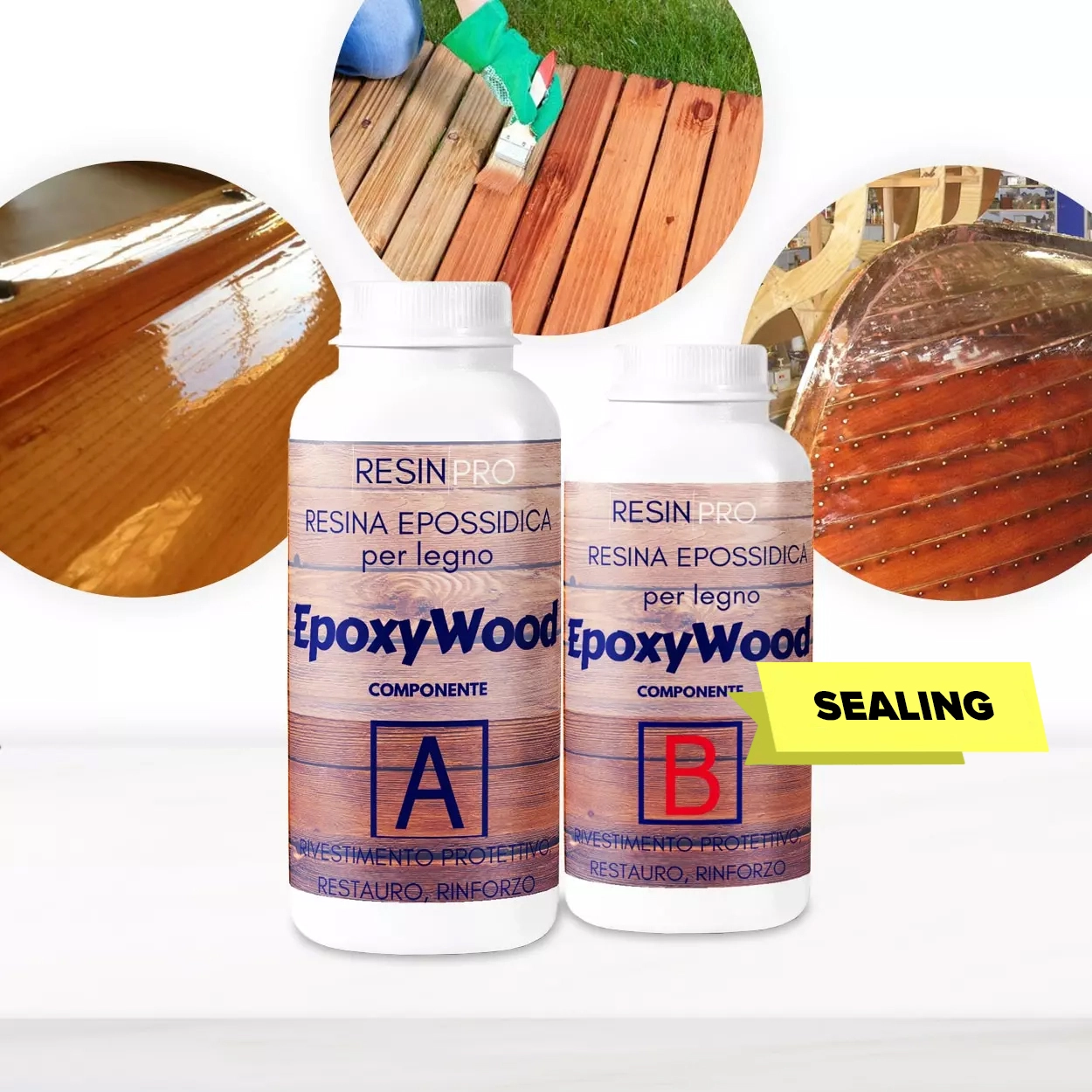
Proper priming is essential for ensuring strong adhesion and long-lasting results when applying epoxy coatings to boat surfaces. The right primer prepares and stabilises the substrate so your epoxy layer performs at its best.
Choosing the Right Primer for Your Boat
The recommended primer before using epoxy on a boat is a water-based, two-component epoxy primer, such as Epoxyprimer. This type of primer is suitable for a range of surfaces commonly found on boats, including timber, concrete, tiles, and screeds. Its two-component formula ensures excellent penetration and maximises the bond between the substrate and the subsequent epoxy coatings.
Surface Preparation and Application Tips
- Clean and Dry: Ensure all surfaces are free from dust, oil, old paint, and moisture before application.
- Correct Mixing: Thoroughly mix both components of the epoxy primer according to the manufacturer’s instructions.
- Application: Use a roller, brush, or spatula for a consistent coat. Allow the primer to fully cure (typically 24–48 hours) before applying the epoxy resin.
Good preparation minimises future issues and gives the epoxy layer a solid foundation for reliable performance, especially in demanding marine environments.
When Primer Matters Most
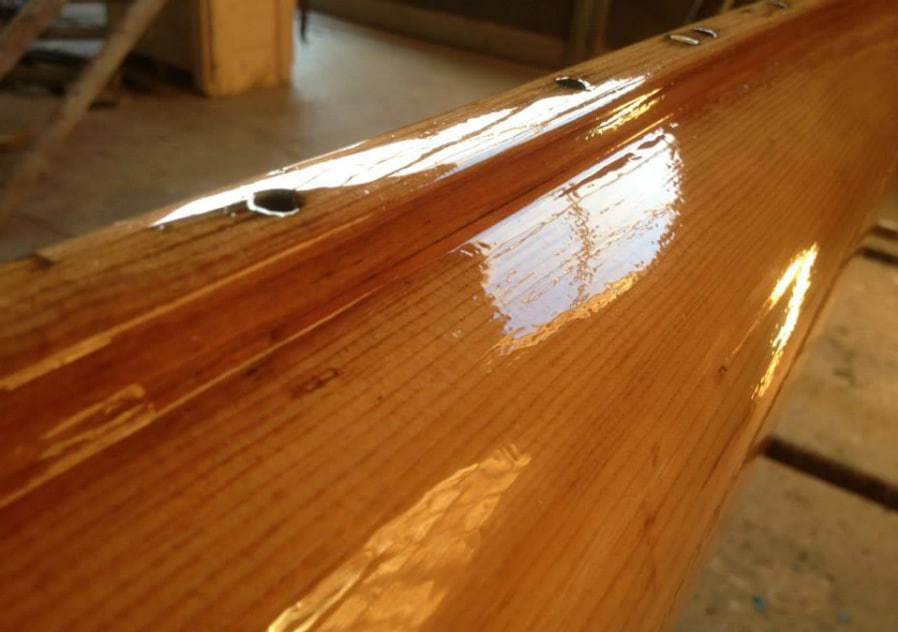
Using the right primer is particularly important if your boat’s surface is porous, repaired, or has previously sustained water damage. Timber surfaces, in particular, benefit greatly from a compatible epoxy primer, ensuring the finish remains strong and resistant to moisture ingress.
Related products
Related guides
Priming is a crucial first step for any boat epoxy project, setting the groundwork for a durable and long-lasting coating. To explore more about optimising your boat’s finish, see our main guide comparing epoxy and polyurethane paints for marine use.