 Free shipping on orders over £29,85
  Shipping Tracking!


 Google
 Facebook
← Back to Which is better for a boat: epoxy or polyurethane paint?
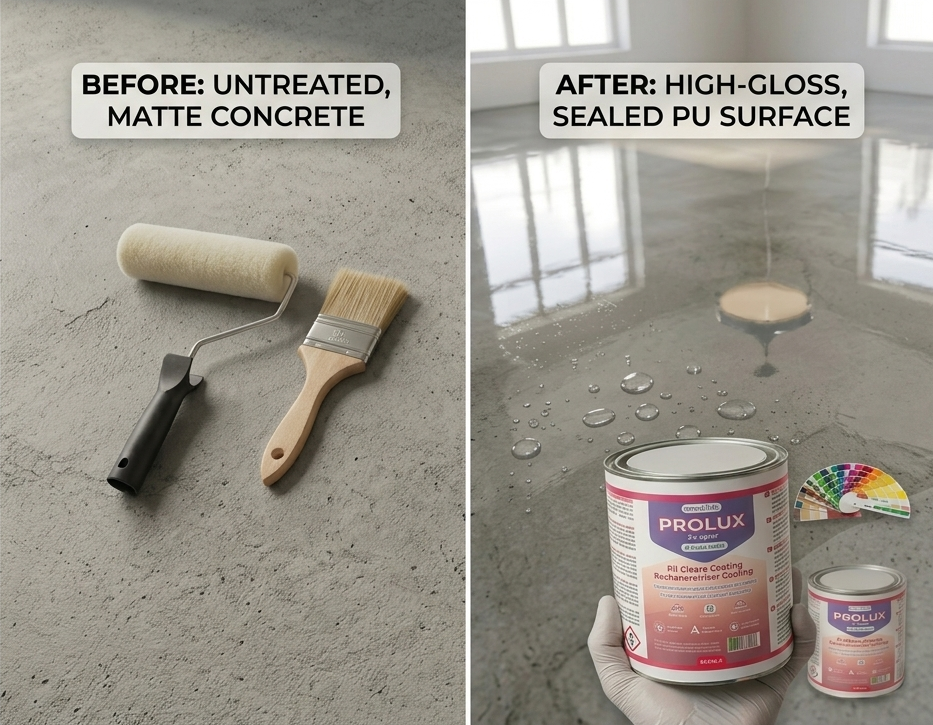
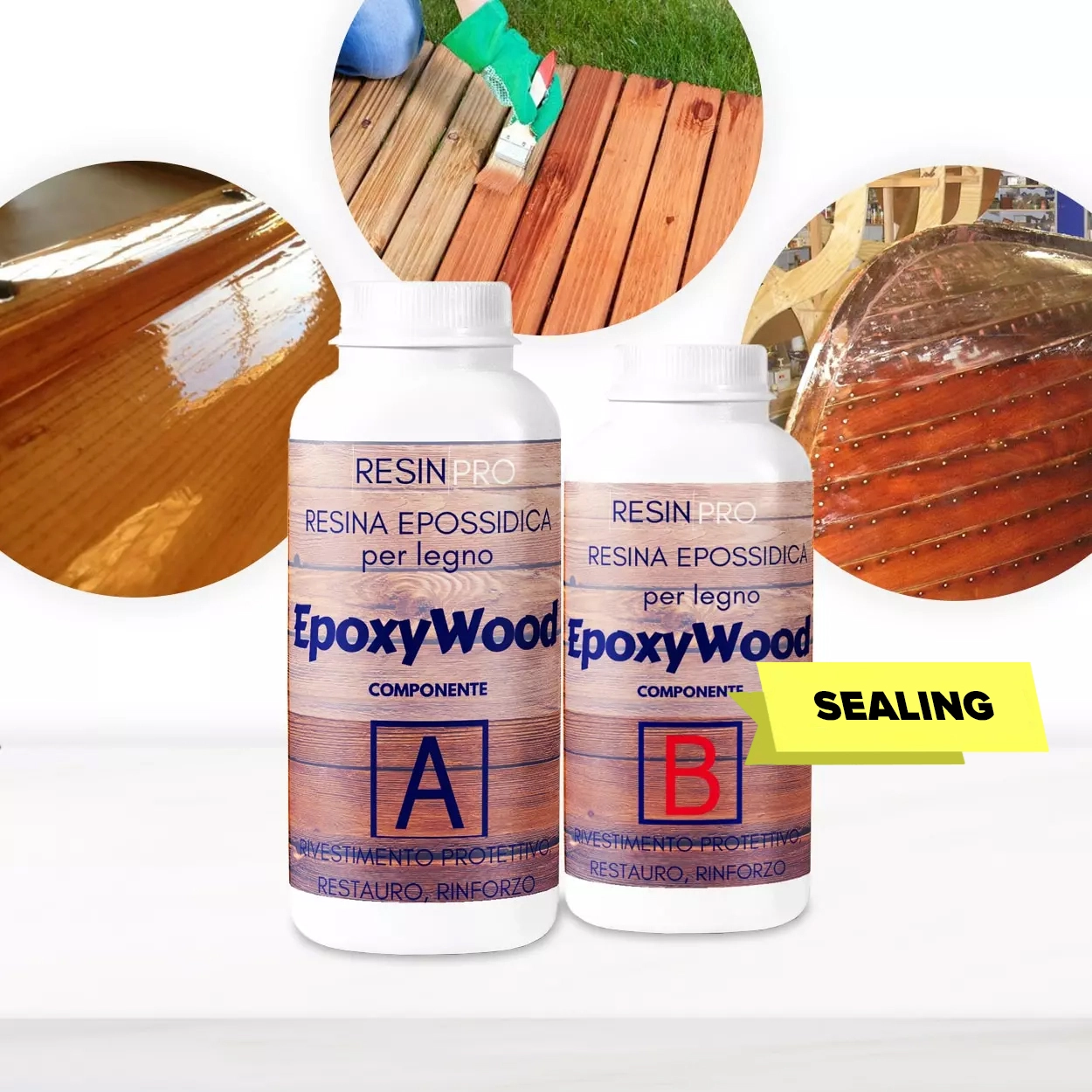
Choosing a protective coating for marine environments requires a balance of weather resistance and durability. Prolux polyurethane (PU) coating is commonly considered for surfaces in and around boats. Let’s look at where it fits best and how it performs on marine materials.
Why Prolux is a Practical Choice for Marine Surfaces
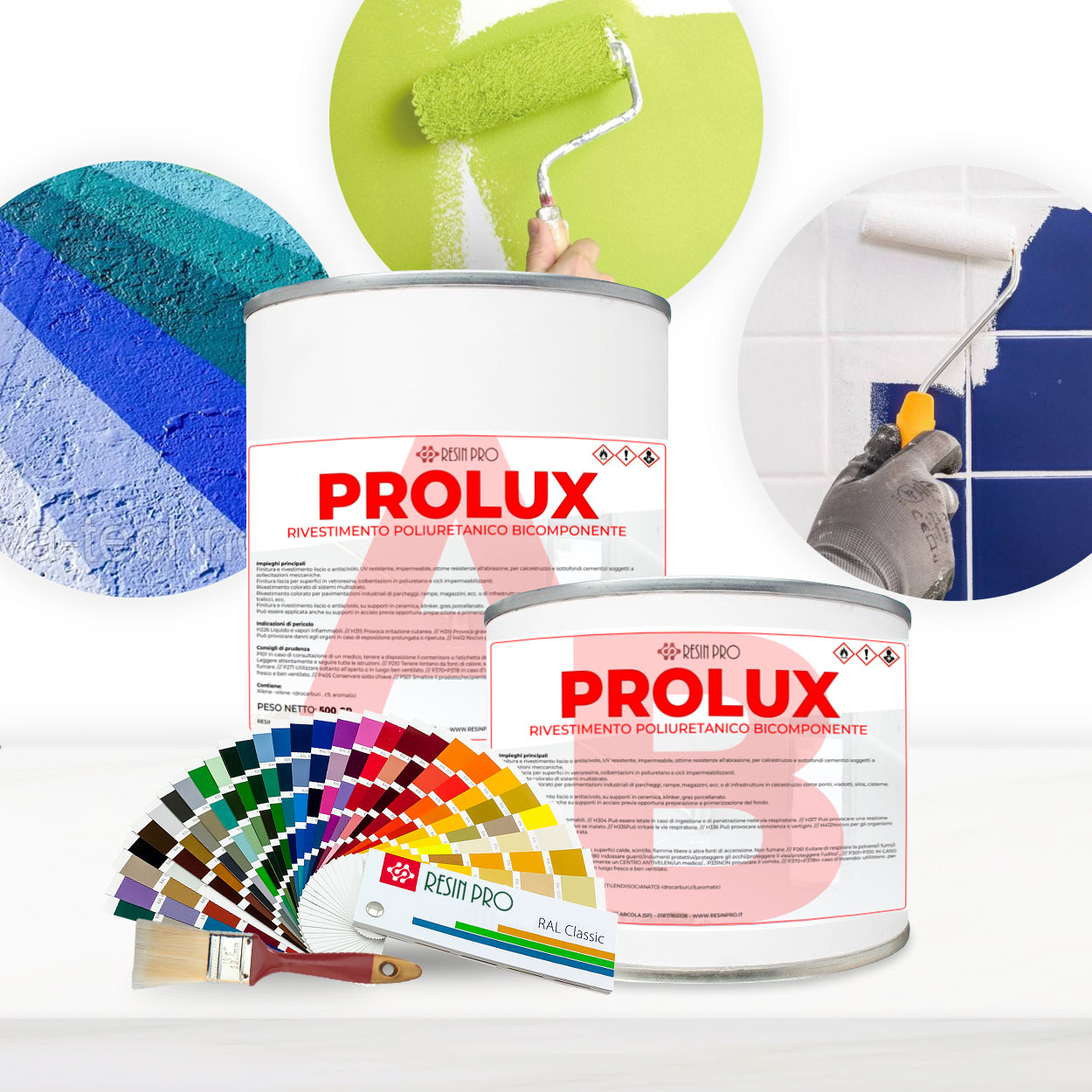
Prolux PU coating is developed to handle challenging outdoor environments. It provides robust resistance to abrasion and weathering, meaning it can withstand regular exposure to water, sunlight and physical wear. These properties make it particularly suitable for metals, fibreglass, and other properly prepared surfaces on boats and marine structures. Its glossy or satin finish and colour versatility add further appeal, making it adaptable for both protective and aesthetic requirements.
Preparing Marine Surfaces for Maximum Performance
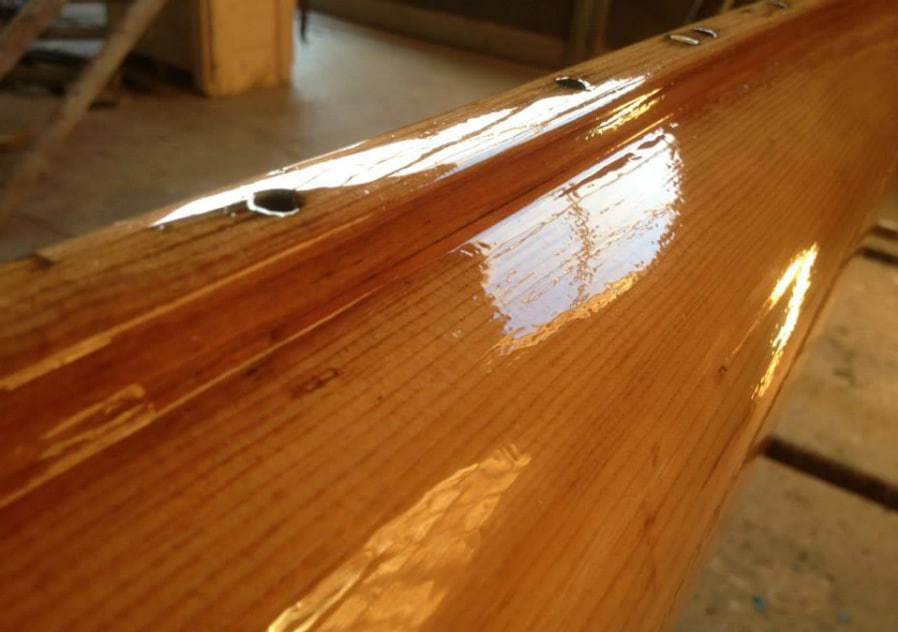
Surface preparation is crucial for long-lasting results. Before applying a product such as Prolux, ensure the surface is clean, dry, and free of oil or old coatings. On metal or fibreglass, proper cleaning and light abrasion help achieve optimal adhesion. Mixing the two components as directed and applying in controlled conditions can further extend the service life and resilience of the coating on decks, hulls or fittings.
When Does PU Coating Matter Most?
Prolux PU coating is most advantageous when you need a finish that stands up to abrasion, UV and weather exposure, and where an attractive, low-maintenance surface is desired. This is particularly important for high-traffic areas, exposed fittings, rails, and structural elements subject to daily marine use.
Related products
Related guides
Choosing a coating like Prolux on your boat means opting for weather-resistant, durable protection, especially for metal and fibreglass. For a full comparison of epoxy and polyurethane solutions, explore our main guide on selecting coatings for marine use.