 Free shipping on orders over £29,85
  Shipping Tracking!


 Google
 Facebook
What Does PHR Mean in Per Hundred Resin?
Understand per hundred resin for perfect dosing and effects.
If you are looking to master the art of resin craft, understanding measurements like ‘PHR’—per hundred resin—is essential. This guide is for artists, hobbyists, and professionals keen to achieve consistent and predictable results in their epoxy, polyester, or polyurethane resin projects by dosing pigments and additives with precision.
Understanding PHR: Why It Matters for Resin Pouring
PHR stands for ‘per hundred resin’. It is a universal term in resin art and formulation, denoting the number of parts of an additive or pigment to be used for every 100 parts of base resin (by weight). Using PHR ensures accuracy, making it easier to replicate effects, avoid over- or under-saturating colours, and maintain consistent properties every time.
For example, if an additive has a recommended use of 3 PHR, you would add 3 grams of that product to every 100 grams of resin. This approach is especially important for achieving repeatable results with colourants, pearlescent pigments, and special additives like cell effect agents. Accurately measuring tiny quantities is crucial.
Visual Guide: PHR Ratios in Resin Art
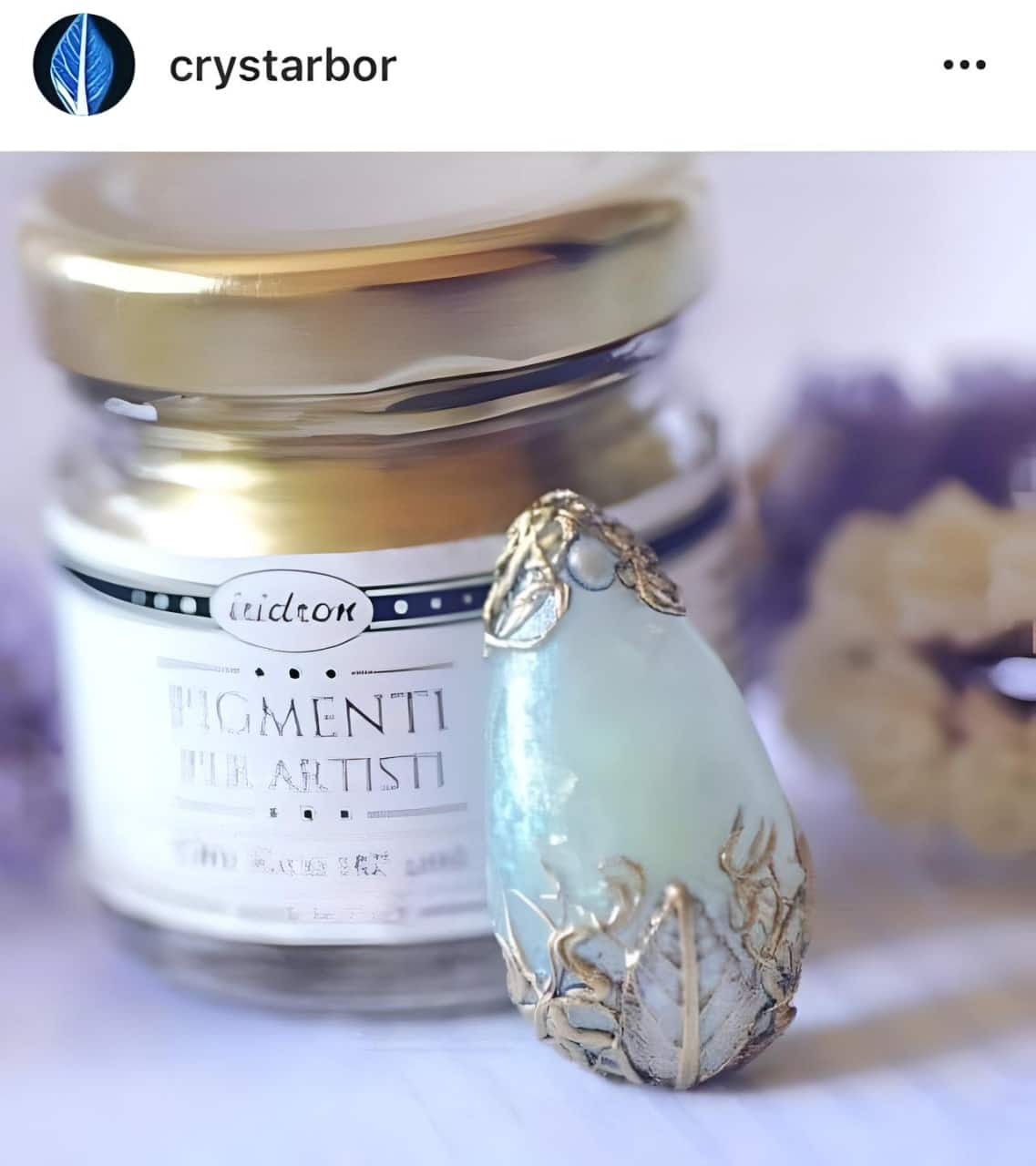
See real-world resin examples showing the difference between 1%, 3%, and 5% PHR pigment or additive dosing. Notice the variation in colour depth, shimmer, and cell effect depending on measurement accuracy. Visual references make it easier to judge your own mixes for consistent outcomes.
The Right Products for PHR-Based Resin Formulation
“Iridron” – Pearline Pigments, 25ml
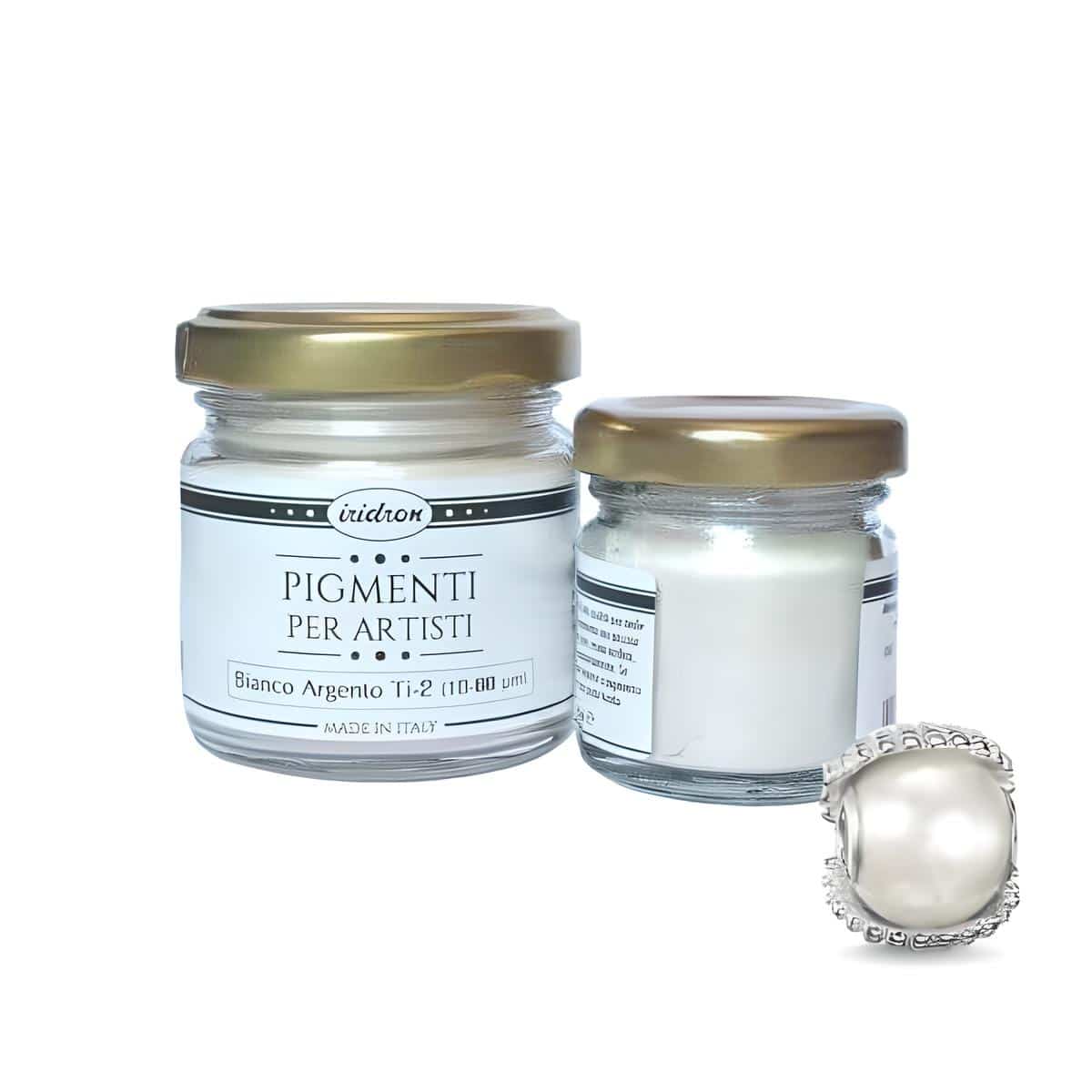
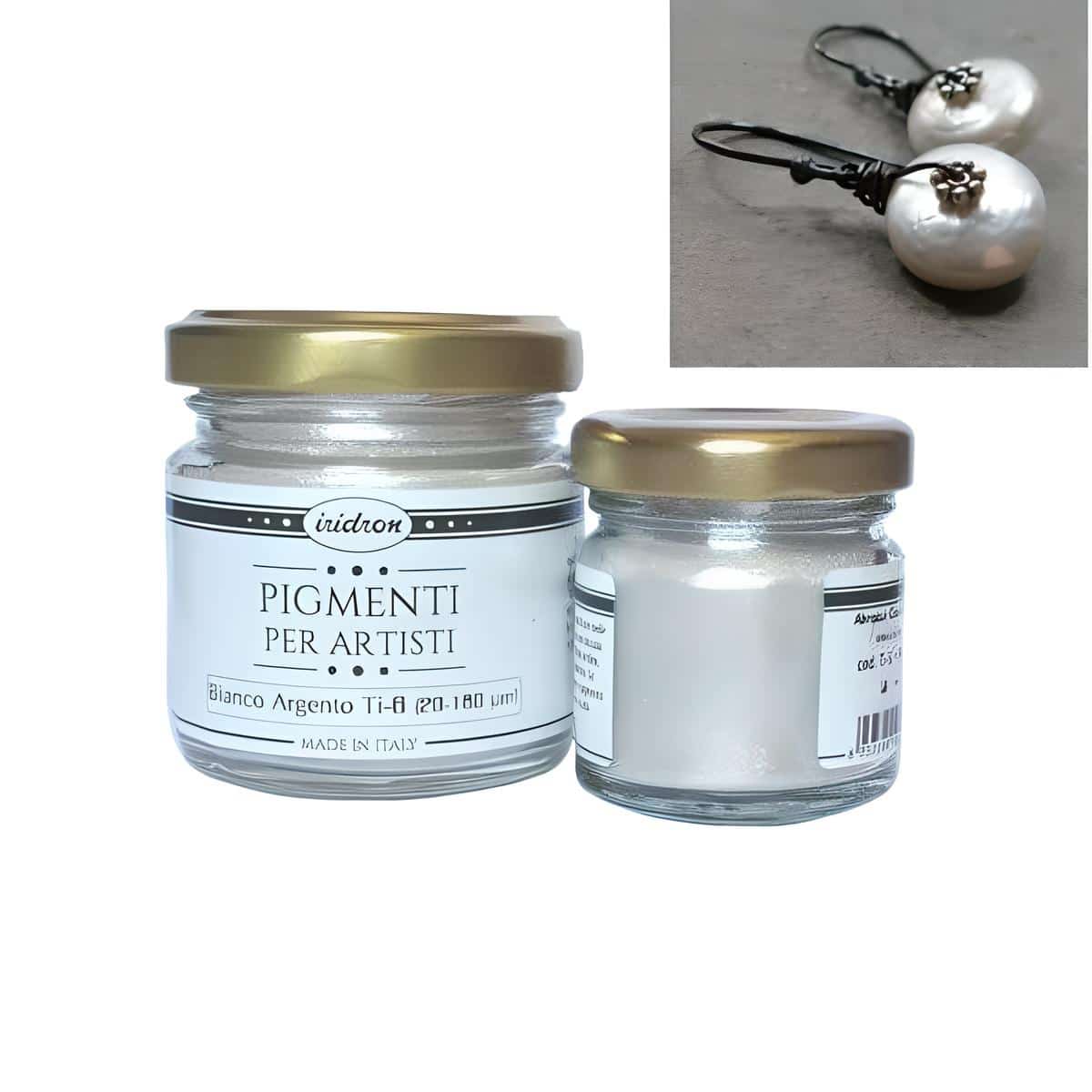
For those seeking shimmering effects in transparent resin, “Iridron” – Pearline Pigments, 25ml offer outstanding colour brilliance and stability, with mica-based particles that disperse evenly and are perfect for recipes requiring precise pigment dosing by PHR. These pigments are highly suitable for glazing techniques, and their high-temperature stability ensures your mixes stay true even in challenging conditions. See more metallic pigments.
“Magic Crystal” – Transparent Resin Colour 45ml
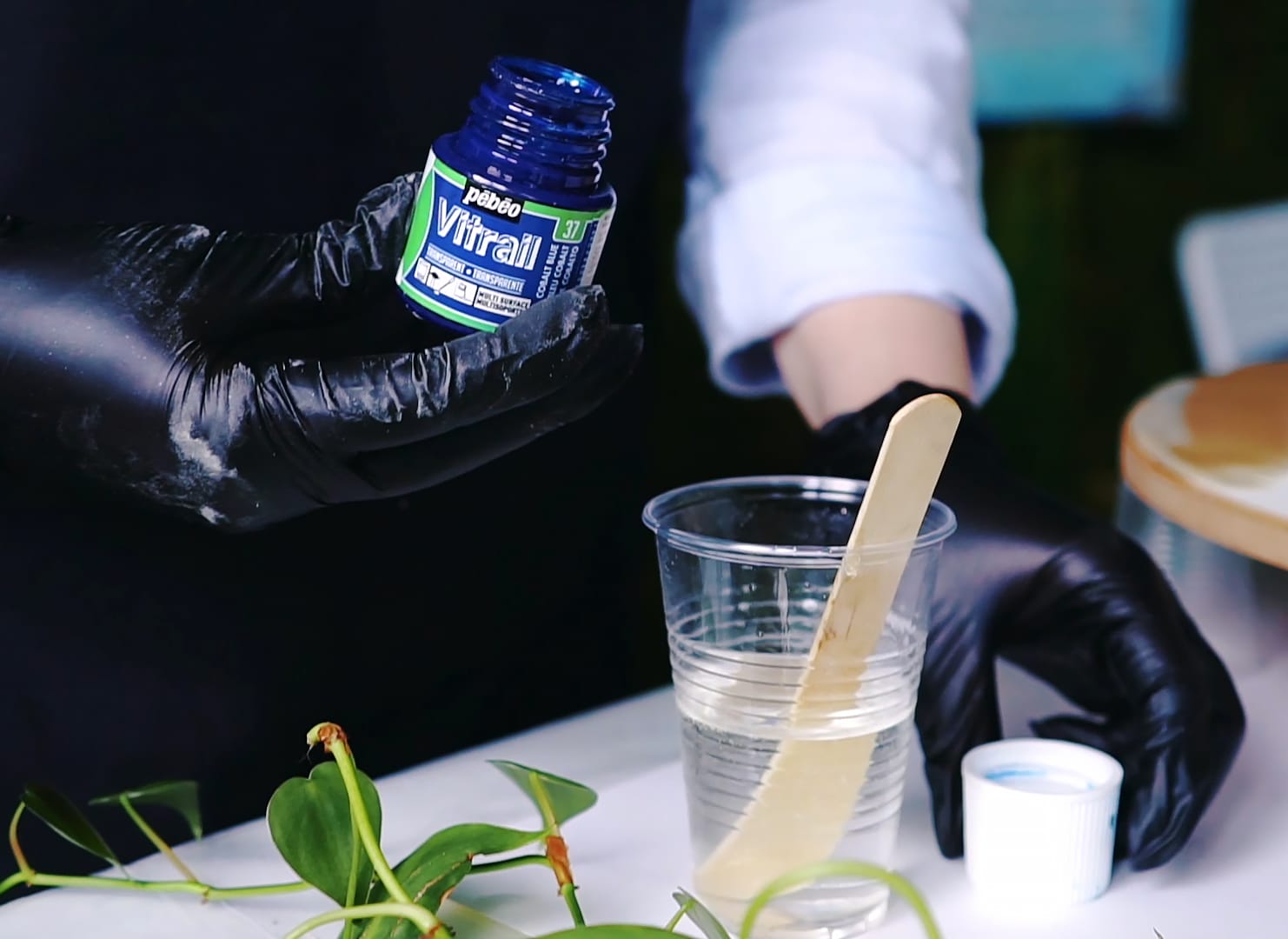
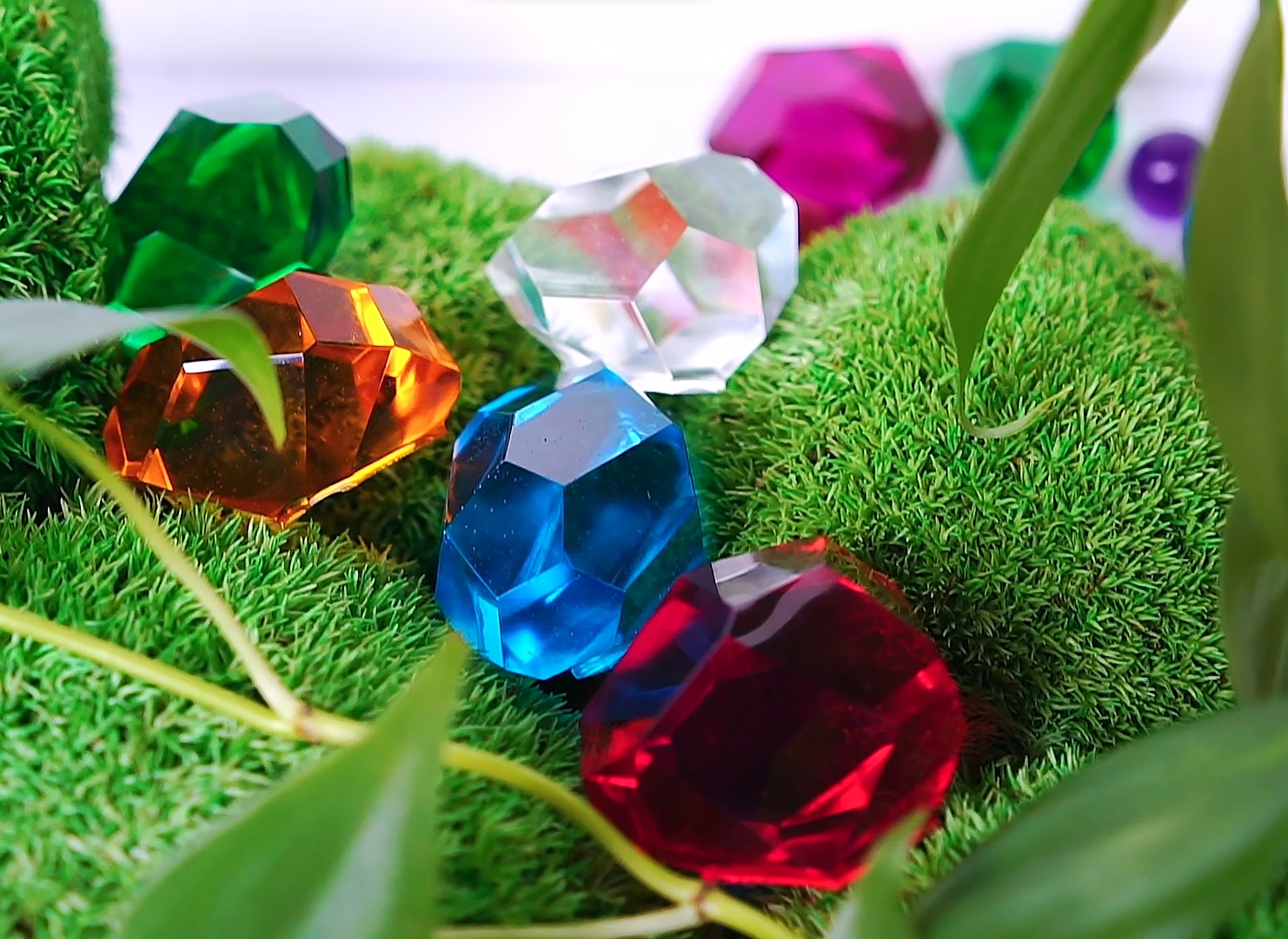
For crystal-clear results and vibrant, glass-like tints, “Magic Crystal” – Transparent Resin Colour 45ml delivers intense colour without cloudiness or settling. Since transparent colourants need to be added in very precise proportions, understanding and using PHR is vital for achieving the desired effect—especially in gemstone or geode projects. They are formulated for easy mixing into resin and maintain clarity after curing. Explore our full dyes and pigments collection.
“Resi-Blast” – Cell Effect Additive for Resin Art, 25ml
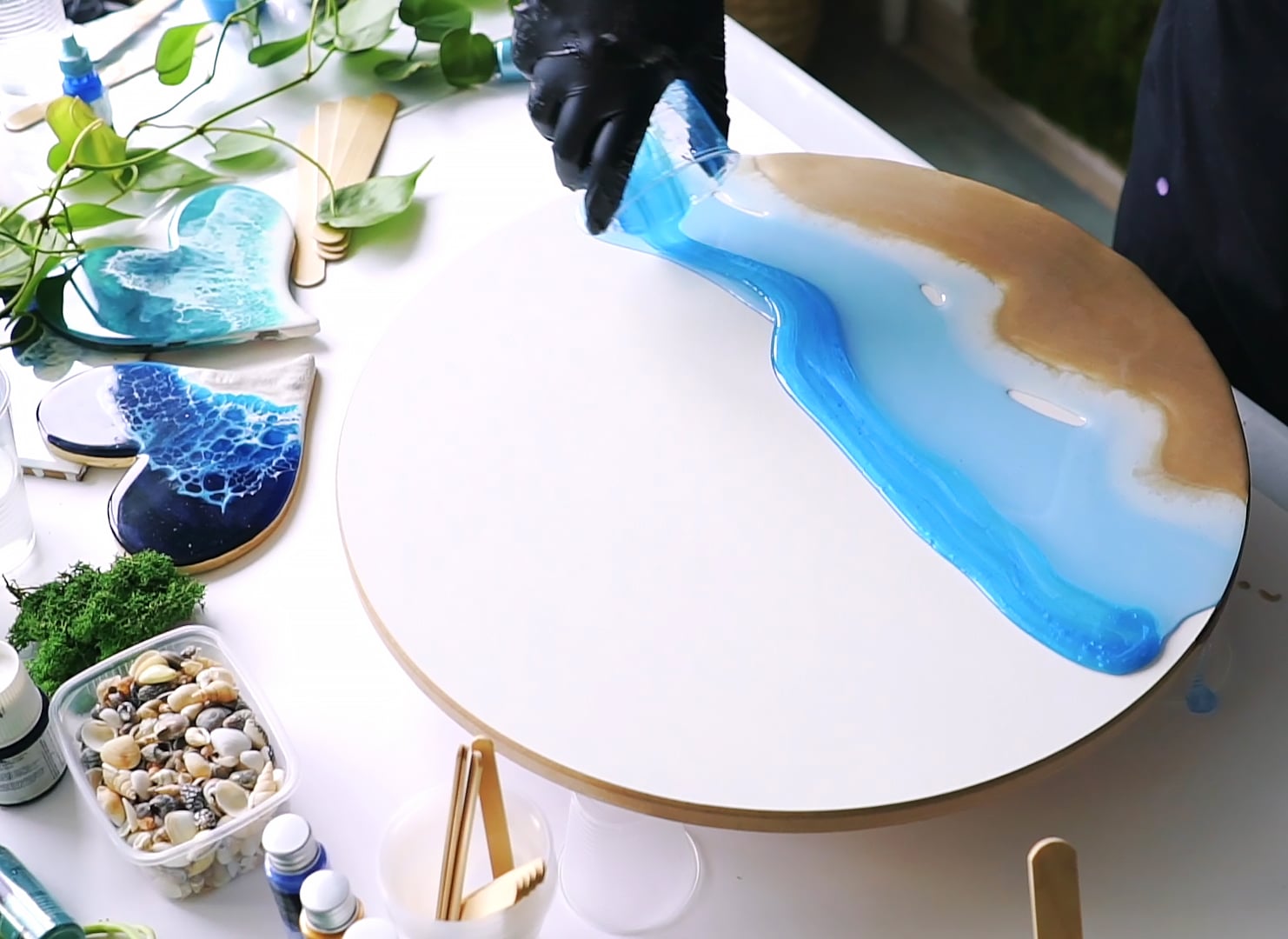
If you want to create dynamic ‘blooming’ or cell effects, “Resi-Blast” – Cell Effect Additive for Resin Art, 25ml is a dedicated agent dosed directly by PHR to guarantee optimal visual results without disrupting the curing process. Its non-toxic formula is compatible with epoxy, polyester, and polyurethane resins. Find more options in Glossy Finishes and Additives.
2L Graduated Measuring Cup for Resin – Precise Epoxy Dosing Tool
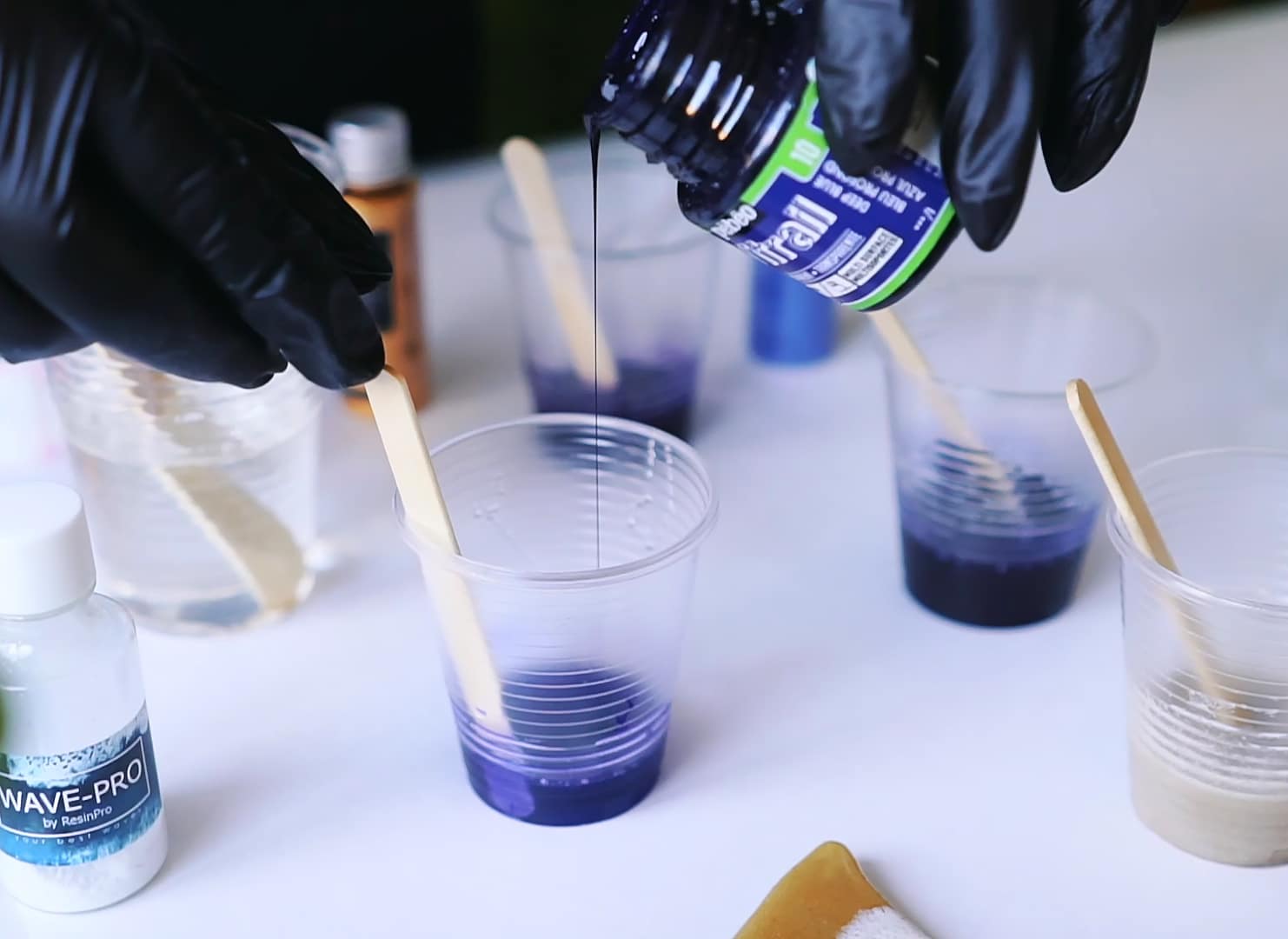
Accurate measurement is impossible without quality tools. The 2L Graduated Measuring Cup for Resin – Precise Epoxy Dosing Tool features clear graduations, a non-stick surface, and a precision spout—making it an indispensable accessory for anyone working to PHR ratios. This ensures exact pigment, dye, or additive amounts, supporting professional-grade results. For other mixing tools, visit Dosage Measuring Mixing Tools.
Tips for Accurate PHR Measurement in Resin Projects
Always use designated resin pigments or dyes. General craft pigments or household colourants may not dissolve completely or could degrade resin properties. Choose options like “Iridron” – Pearline Pigments or Magic Crystal transparent colours for reliable performance.
Use precision tools, especially for recipes requiring less than 5% pigment by weight. Digital scales or graduated cups help prevent accidental overdosing. Mixing thoroughly is essential to ensure even colour distribution, avoiding patchy or inconsistent results. Familiarise yourself with each additive’s PHR recommendation—overuse can affect curing, transparency, or surface hardening.
Precise dosing leads to consistent results. Keeping notes on your PHR ratios supports future projects, and practice makes perfect when it comes to pinpointing effects like cells or layered tints. Experiment within recommended parameters, and always cure test samples if making large batches or new combinations.
Expert Insights: Trusted Tools for Resin Measurement
Professional resin artists rely on accuracy—from digital scales to graduated cups. Using measurement tools from the start protects every batch from waste and supports stunning, repeatable effects every time you pour. Choose transparent, easy-to-read measuring cups for best results and less clean-up hassle.
- “Iridron” – Pearline Pigments, 25ml£5.95These mica-based pearlescent pigments are designed for use with transparent resins and glazing effects.
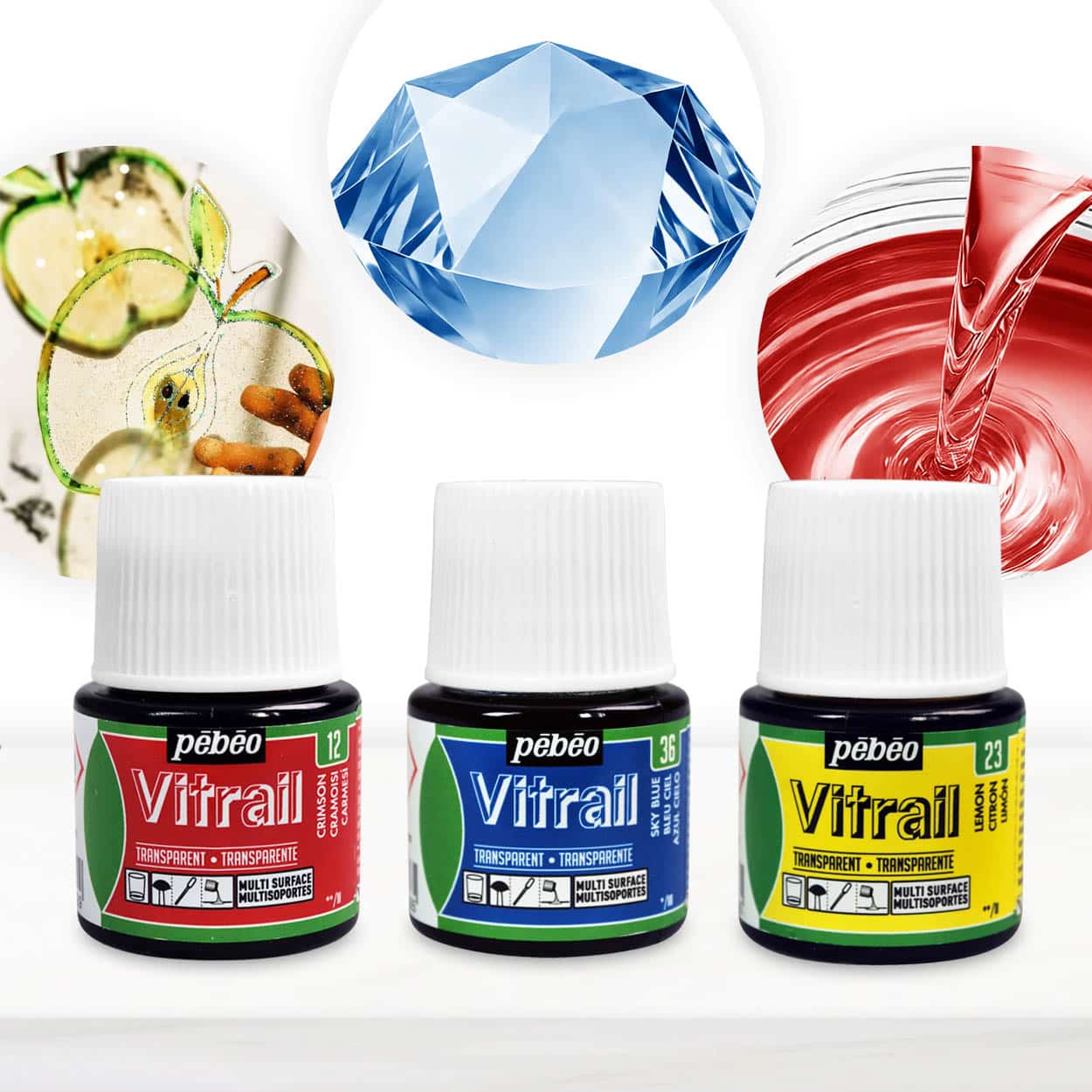
- "Magic Crystal" – Transparent Resin Colour 45ml£4.95"Magic Crystal" Transparent Resin Colour is suitable for creating glass-like, vibrant crystal effects in resin projects.
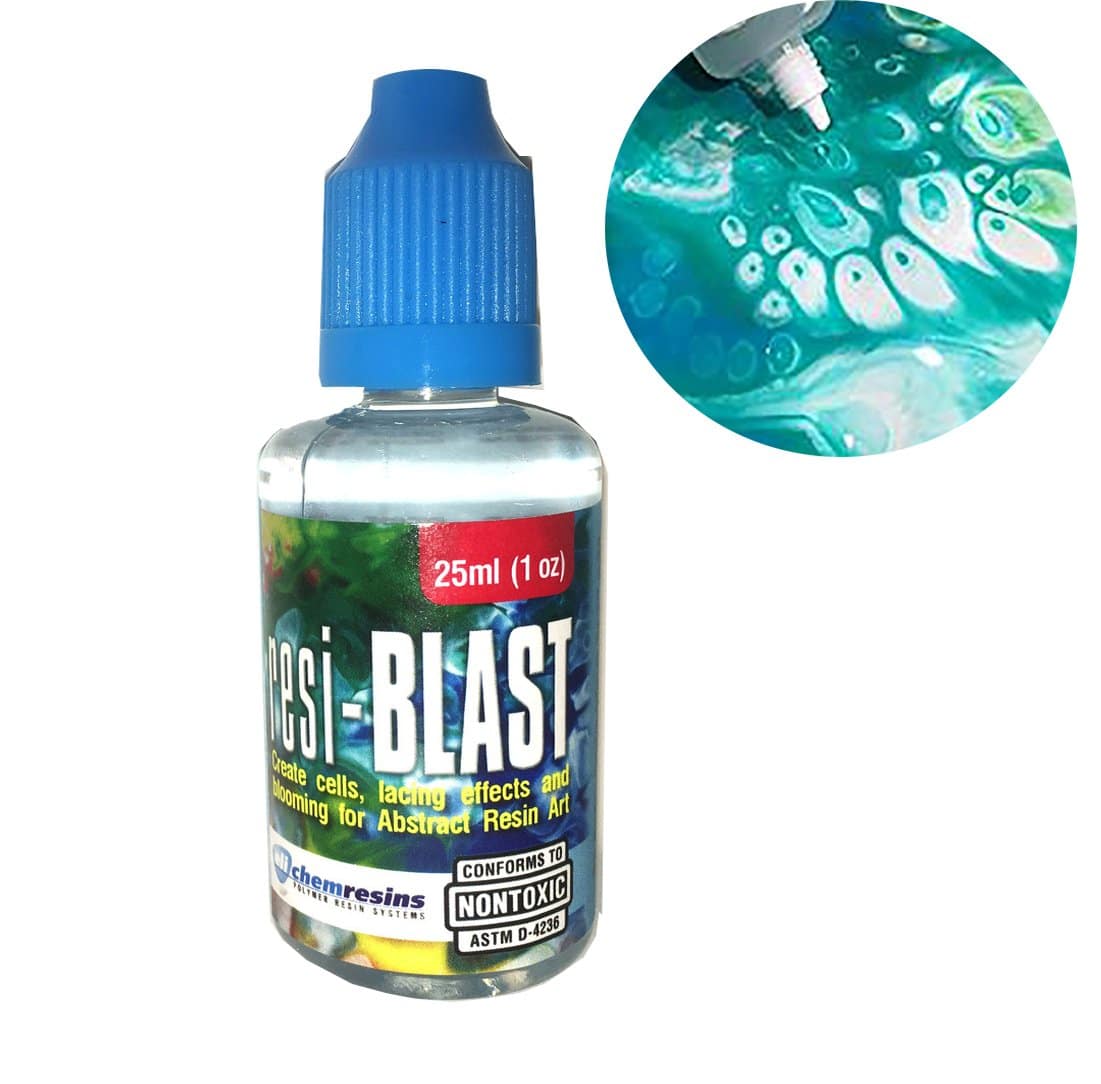 "Resi-Blast" – Cell Effect Additive for Resin Art, 25ml£21.95RESI-Blast is a non-toxic liquid additive designed to create cell effects and decorative patterns in epoxy resin projects.
 2L Graduated Measuring Cup for Resin – Precise Epoxy Dosing Tool£4.04This measuring cup supports accurate resin dosing with precise graduations from 100ml to 2L, suitable for resin artists.
Frequently Asked Questions
What does PHR stand for in resin projects?
PHR means 'per hundred resin'—the amount of an additive to use per 100 parts of base resin by weight.
How do I measure PHR accurately for my resin mix?
Use a precise scale or graduated measuring cup to weigh or measure both your base resin and additives.
Can I exceed the recommended PHR when adding pigments or additives?
It is not advisable—excessive additives can negatively affect curing, clarity, or strength of your resin.
How does PHR affect the colour and finish in resin art?
Using the right PHR ensures colour intensity and special effects are even, predictable, and repeatable.
What’s the most accurate tool for dosing PHR?
A digital scale is ideal for weight-based dosing; use graduated cups for liquid additives.
Should I keep records of my PHR mixes?
Yes, recording ratios and results will help you replicate and improve your resin projects over time.
Is PHR used for both pigments and additives?
Yes, PHR applies to all additives—pigments, dyes, and effect agents in resin mixing.