 Free shipping on orders over £29,85
  Shipping Tracking!


 Google
 Facebook
Can polyester resin be used to fill wood?
Choosing the right resin for wood filling and restoration projects

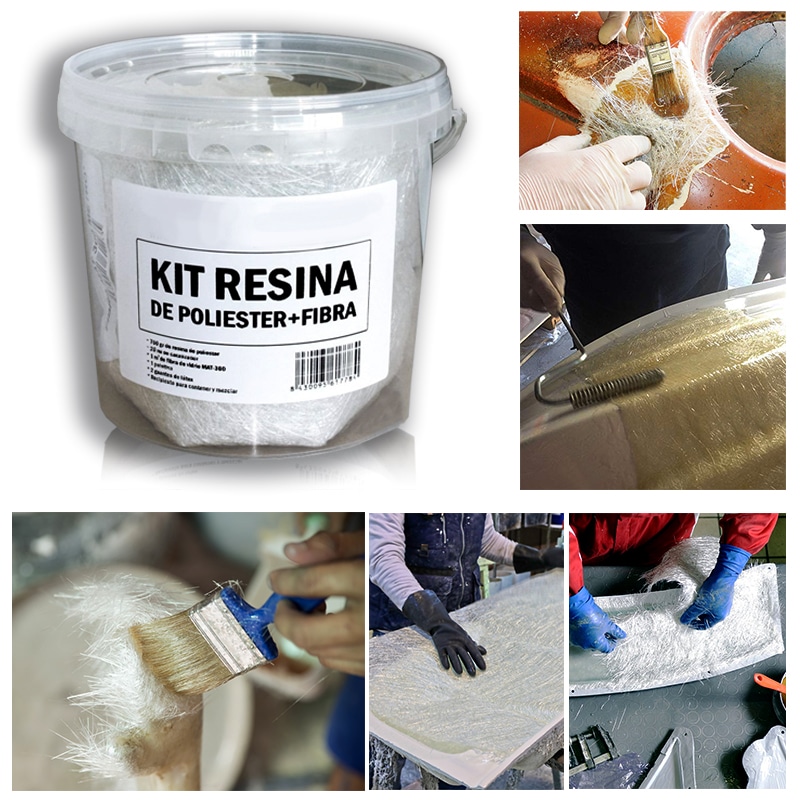
If you’re looking to fill cracks, holes, or voids in wood, the choice of resin is essential for a lasting, reliable result. This page explains whether polyester resin is appropriate for wood filling, how it compares to specialist epoxies, and what applications suit each option. Woodworkers, repairers, and hobbyists will find all you need to confidently choose the right product for your repair or creative project.
Polyester vs Epoxy Resin for Filling Wood: Key Differences
Polyester resin is strong, affordable, and widely used for structural repairs, particularly when paired with fibreglass reinforcement. Its adhesive properties mean it will bond to many rigid materials, including properly prepared wood. However, epoxy resins offer excellent penetration into wood pores, greater flexibility, and superior waterproofing. These qualities make epoxies more suitable for deep restoration, waterproofing, and aesthetic projects where the finished look and wood protection are critical. If you need a rigid, robust repair—such as filling a wood void before structural reinforcement—Resin Fibreglass Repair Kit – Complete Polyester Resin and Hardener Set is a valid option. For deep, aesthetic, or creative woodwork, consider modern epoxy solutions.
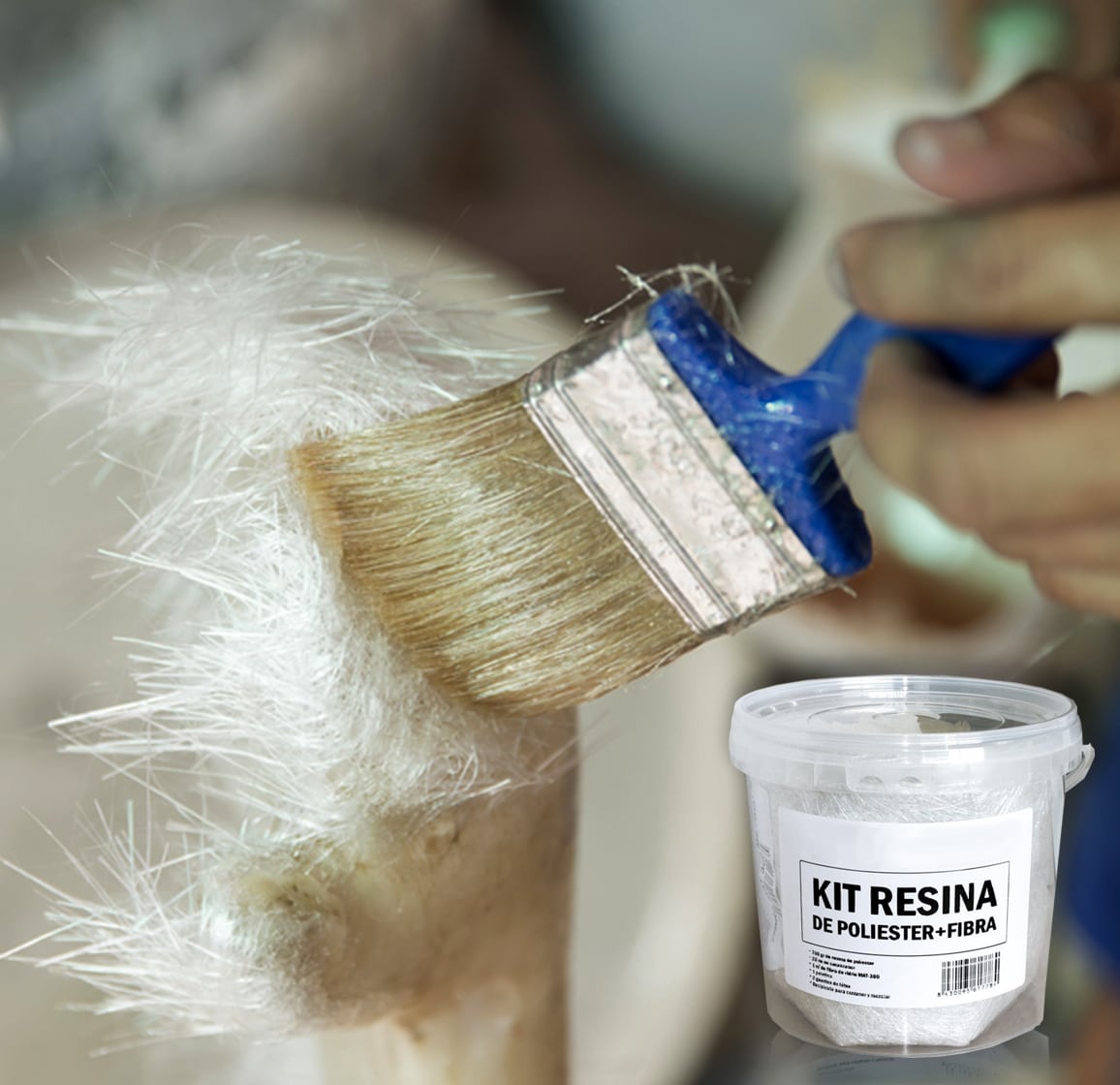
Polyester vs Epoxy: Application on Wood Demo
Polyester resin provides a rigid, water-resistant finish that’s best for structural wood repair. In contrast, specialist epoxy resins like EpoxyWood let you restore and waterproof wooden surfaces while enhancing their natural appearance.
Resin Fibreglass Repair Kit – Filling and Reinforcing Wood
Resin Fibreglass Repair Kit – Complete Polyester Resin and Hardener Set provides everything needed for durable, waterproof repairs—including wood. This orthophthalic polyester resin, combined with fibreglass matting, is specifically formulated for tough reinforcement and patching. It’s suitable where wood needs to regain strength or resist water ingress, such as on boat hulls, pressure pipes, or beams affected by rot and cracking. The kit includes gloves, a brush, mixing container, and clear instructions, making it straightforward for both professionals and beginners.
Polyester resin is best when you require a cost-effective, robust repair and do not need to match or enhance the wood’s appearance. Ensure the wood is clean, dry, and free of oil before applying. The kit’s waterproof and impact-resistant finish can significantly extend the life of wooden structures.
EpoxyWood – For Deep Penetration, Restoration, and Waterproofing
If your project calls for a resin that penetrates deeply into wood grain for structural reinforcement and waterproofing, “EpoxyWood” – Wood Restoration Epoxy Resin for Deep Penetration and Waterproofing is purpose-made for the task. Its ultra-low viscosity allows it to soak into even the finest pores of the timber, providing invisible but highly effective consolidation that resists moisture and future decay. Unlike most polyester resins, EpoxyWood enhances the wood’s natural beauty with a warm, straw-yellow finish and is both solvent-free and vegan-friendly—ideal where safety or sustainability are priorities.
Choose EpoxyWood for restoring and preserving valuable woodwork, furniture, or marine joinery, particularly when both aesthetics and longevity matter.
Deep Pour Resins for Filling Large Wood Voids and Creative Projects
When you need to fill wide gaps, large cracks, or castings alongside wood—such as in river tables or artistic pieces—specialist deep pour epoxy resins perform best. “EpoxyTable 5-Five” – Deep Pour Epoxy Resin for Tables and Large Projects – Up to 5cm is designed for medium-depth pourings up to 5cm thick, providing bubble-free clarity and long-term UV stability. For even thicker applications, “Epoxytable 10-Ten” – Deep Pour Epoxy Resin for Tables, Up to 10cm Casting enables single pours up to 10cm without overheating or distortion.
Both epoxies are excellent when combining wood with resin for creative design, providing strength as well as clarity, scratch resistance, and a seamless finish. They are the go-to resins for furniture makers, artists, and anyone seeking to highlight timber’s natural beauty or incorporate functional inlays.
Tips: Choosing the Right Resin for Your Wood Project
Carefully match your resin choice to the wood application: polyester resin delivers excellent structural repair and value for money, but may not penetrate as deeply or look as attractive as an epoxy. For visual projects, waterproofing, or restoration, an epoxy designed for wood (like EpoxyWood) is ideal. For large castings or river tables, deep pour epoxies allow you to combine strength with clarity. Always prepare the wood by sanding and drying, and check compatibility—especially if the surface is oily or previously treated.
Visual Guide: Filling Wood with Different Resins
Notice how polyester resin, when used with fibreglass, forms a tough, opaque patch ideal for hidden repairs, while deep pour epoxies maintain clarity and a seamless blend with decorative wood accents. Select the resin that aligns with your project’s needs for appearance and strength.
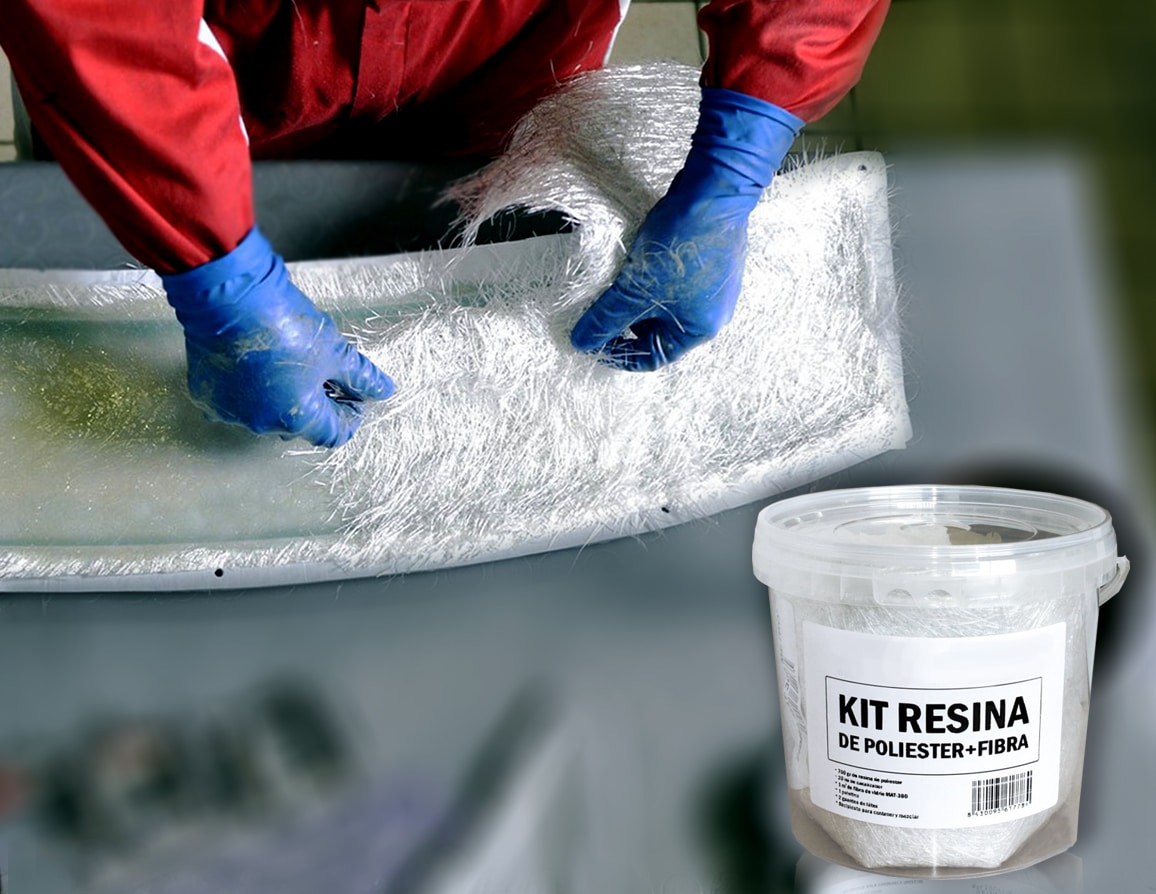
- Resin Fibreglass Repair Kit – Complete Polyester Resin and Hardener SetThe Resin Fibreglass Repair Kit is designed for durable, waterproof polyester resin repairs including wood and other rigid materials.
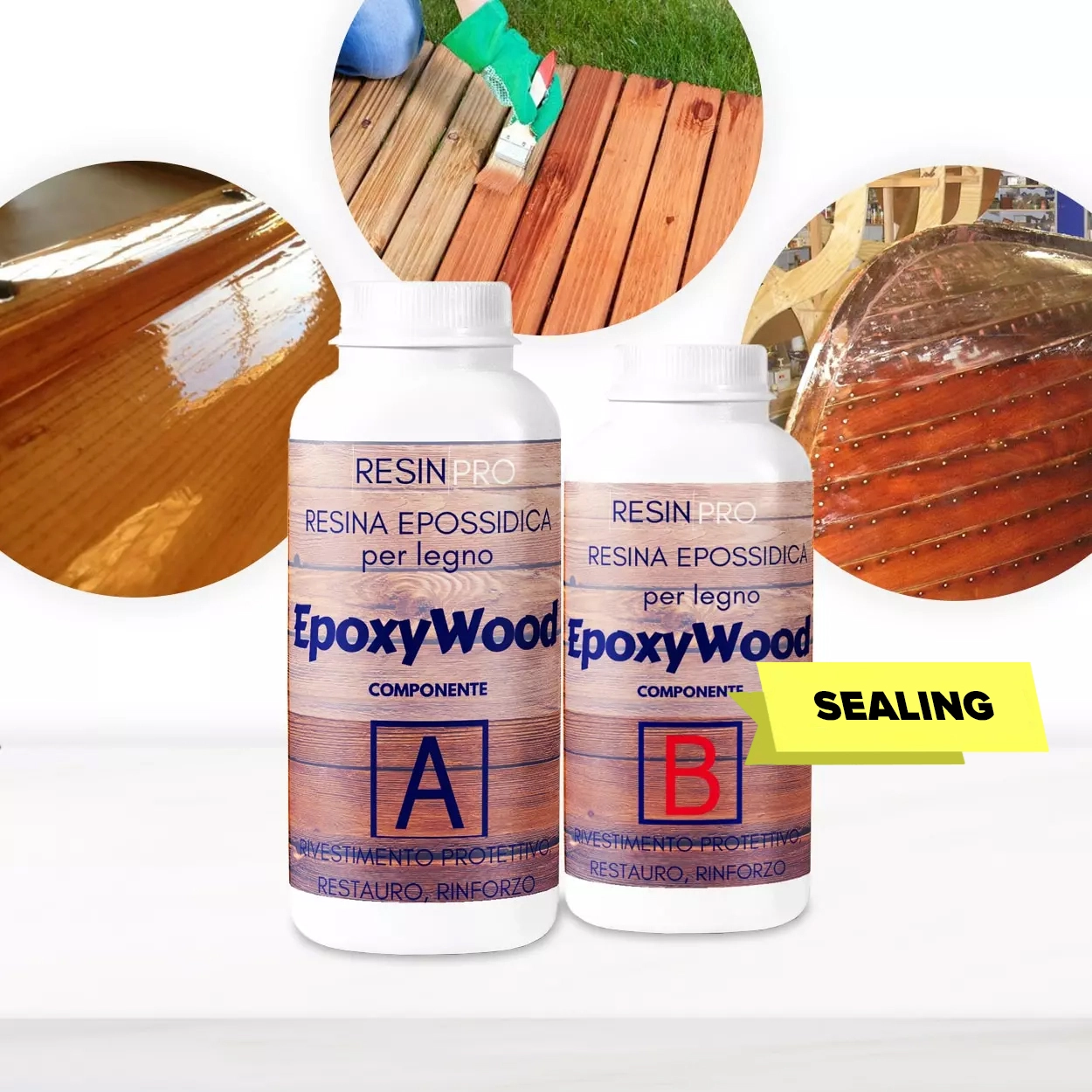 "EpoxyWood" – Wood Restoration Epoxy Resin for Deep Penetration and WaterproofingPrice range: £27.95 through £41.95"EpoxyWood" is a specialist epoxy resin for wood restoration, designed to penetrate and waterproof wooden surfaces with a natural finish.
 "EpoxyTable 5-Five" – Deep Pour Epoxy Resin for Tables and Large Projects – Up to 5cmPrice range: £17.95 through £1,154.95EpoxyTable 5-Five is designed for deep pouring in tables and large projects up to 5cm with low viscosity and UV resistance.
 “Epoxytable 10-Ten” – Deep Pour Epoxy Resin for Tables, Up to 10cm CastingPrice range: £35.95 through £351.95“Epoxytable 10-Ten” offers epoxy resin suitable for super-deep pouring up to 10cm, commonly used for tables and artistic projects.
Frequently Asked Questions
Can polyester resin be used to fill wood?
Yes, polyester resin bonds to wood for filling, reinforcement, and waterproofing, especially in combination with fibreglass matting.
Is polyester or epoxy resin better for filling wood?
Epoxy resins are generally better for wood filling due to deeper penetration, enhanced waterproofing, and a more attractive finish.
What resin should I use for filling large voids or cracks in wood?
Deep pour epoxy resins are ideal for large voids, offering clarity and stability up to 5-10cm thickness per pour.
Do I have to use fibreglass mat with polyester resin when filling wood?
Fibreglass enhances the structural strength of polyester resin repairs, but small fills may only require resin for bonding to wood.
Can resin be used to repair wooden furniture?
Yes, both polyester and specialist epoxies are suitable depending on the desired strength, depth, and finish.
Does polyester resin make wood waterproof?
Polyester resin creates a waterproof barrier when cured, protecting wood from moisture and rot.
What is the difference between EpoxyWood and deep pour epoxy for wood filling?
EpoxyWood penetrates and seals wood for restoration; deep pour epoxies are for casting wide or thick sections and creative work.