 Free shipping on orders over £29,85
  Shipping Tracking!


 Google
 Facebook
← Back to How to repair a floor that has already been levelled with resin?


Repairing cracks and holes in a resin-levelled floor can restore its structure, but what about priming? A primer plays a crucial role after repairs, ensuring fresh resin or coatings adhere securely and perform as expected.
Why Priming Matters After Repair
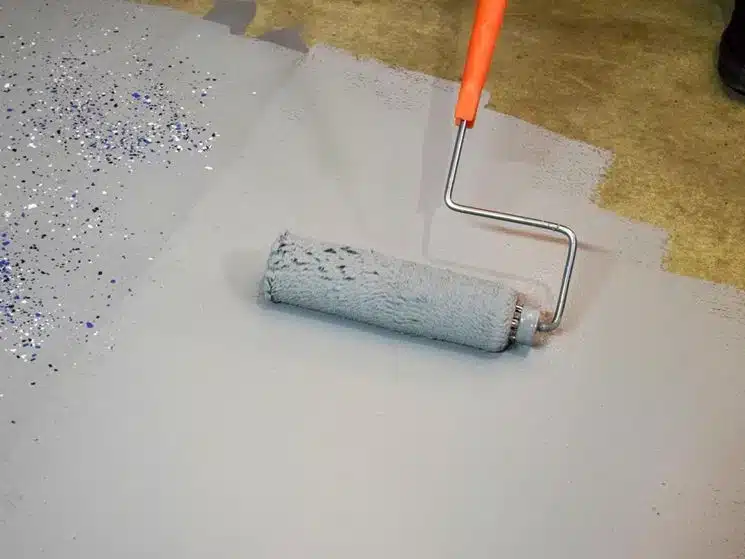
When you fill gaps or cracks in a resin floor, the repaired spots often have different levels of porosity and texture compared to the surrounding surface. Priming these areas helps achieve an even, consistent bond for your new resin or polyurethane layer. Without primer, coatings may struggle to stick or could peel away prematurely, compromising the durability of your repair.
Choosing the Right Primer for a Resin Floor
Opt for a primer compatible with both the repair material and the next layer you plan to apply. For example, Epoxyprimer is suitable for concrete, timber, tiles, and screeds, making it a reliable choice for most resin floor repairs. It delivers the adhesion needed for successful application of epoxy or PU coatings, and it’s straightforward to apply with a roller or brush.
When Skipping Primer Might Cause Issues
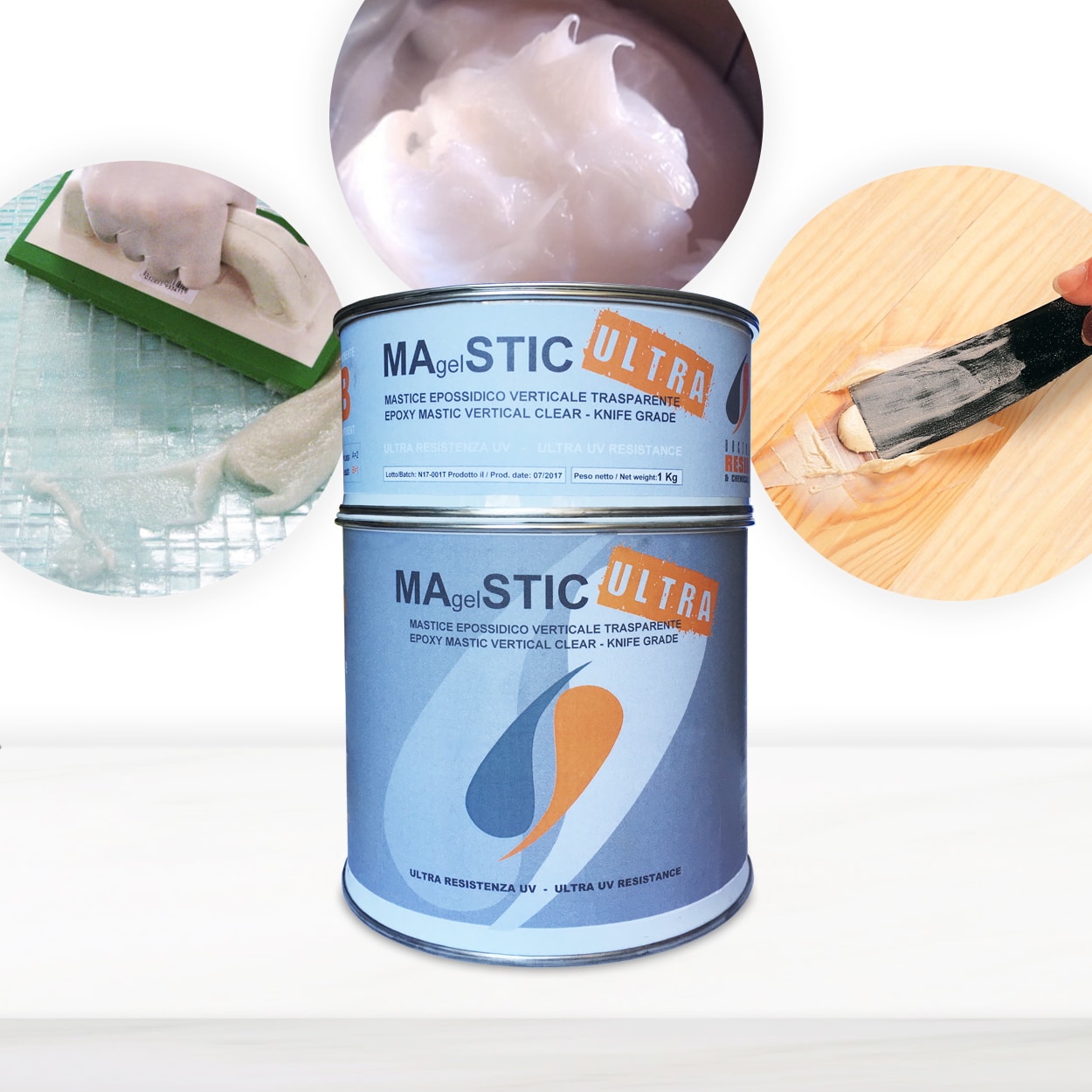
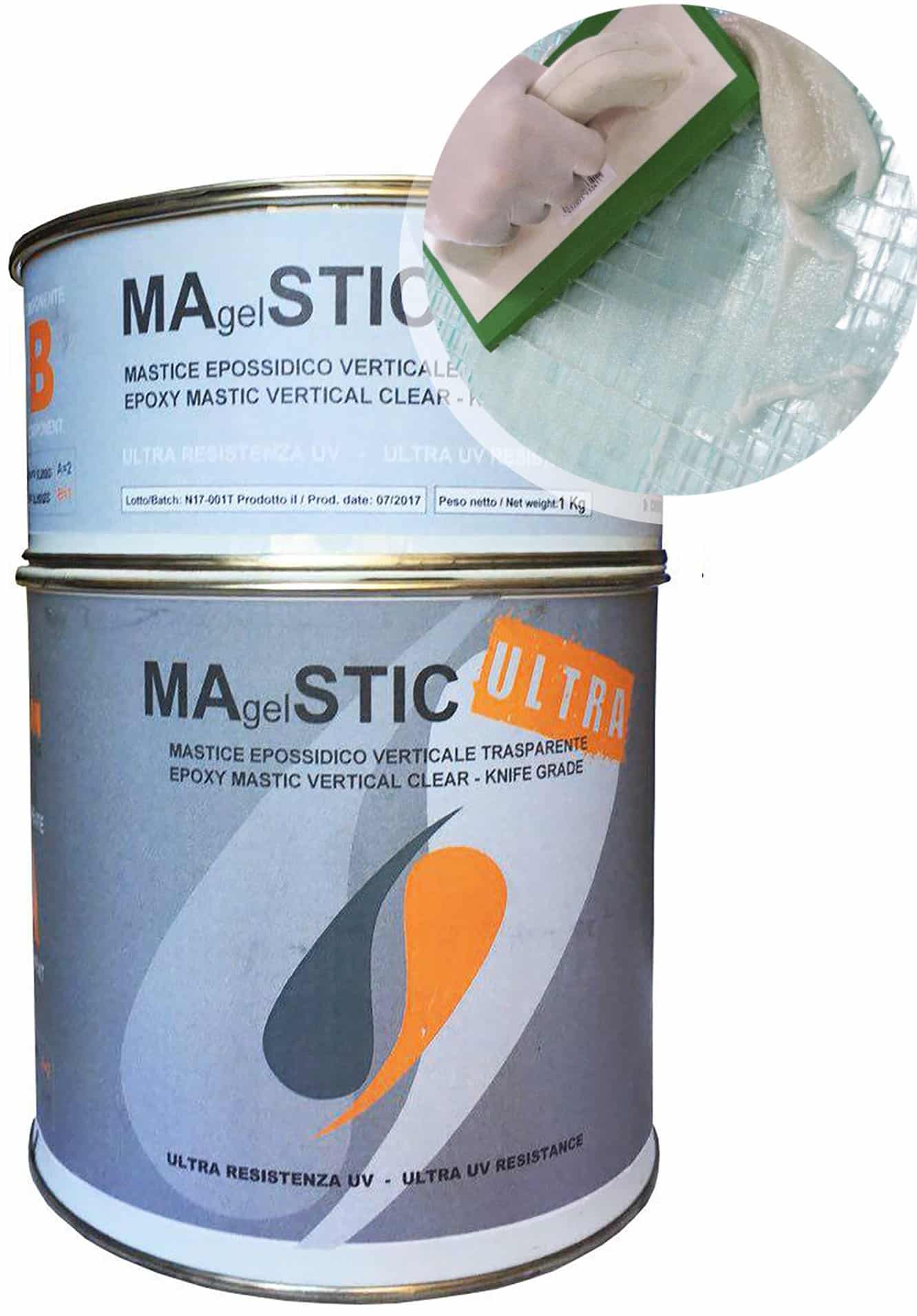
In high-traffic, damp, or fluctuating environments, skipping the primer increases the likelihood of poor adhesion and premature surface wear. If you’ve used a repair product like fibreglass putty or a mastic, priming becomes especially important to seal uneven textures and create a uniform base for your final finish.
Related products
Related guides
For long-lasting, attractive results when repairing a resin-levelled floor, priming is a smart step rather than an optional extra. Want more advice on floor repair and coatings? Visit our main guide here for comprehensive solutions.