 Free shipping on orders over £29,85
  Shipping Tracking!


 Google
 Facebook
← Back to Why does the resin not harden?
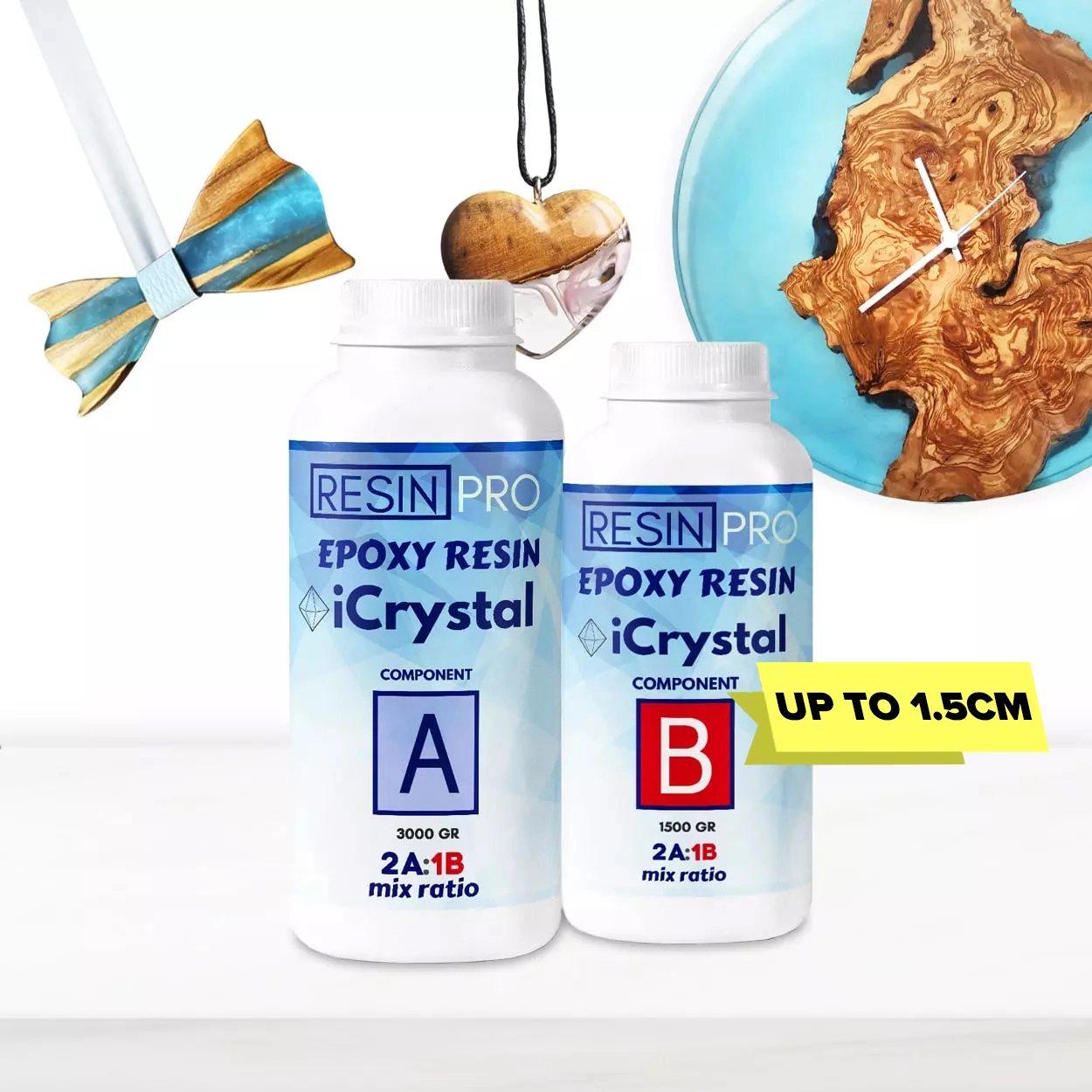
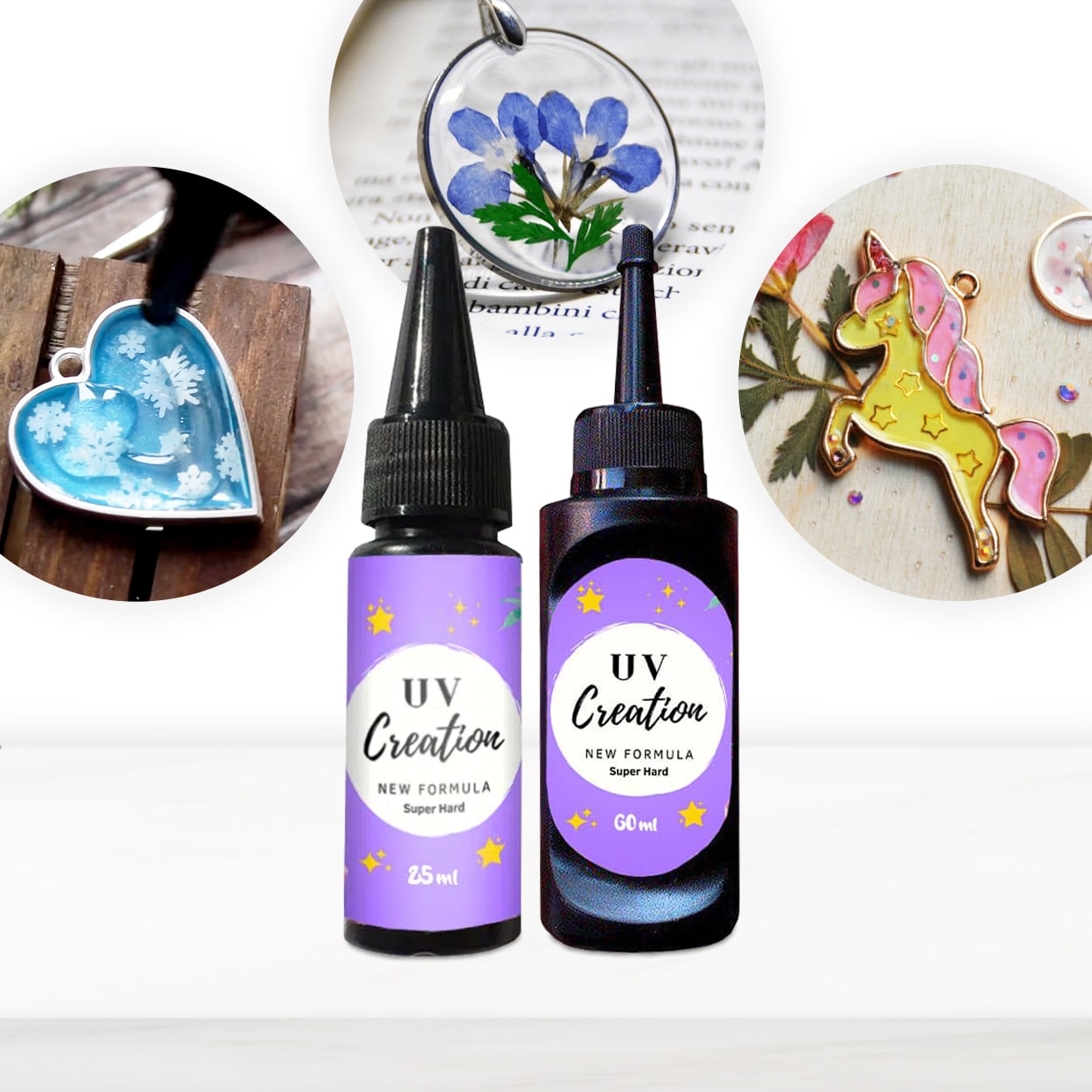
Achieving a flawless resin finish depends as much on precise mixing as on product choice. Many crafters wonder whether an incorrect resin ratio will always result in a project that just won’t cure.
How Resin Ratios Affect Curing
Most two-part resins require very specific ratios of resin to hardener (such as 2:1 or 1:1) for curing to take place correctly. Too much or too little of either part can disrupt the chemical reaction, often causing the resin to remain sticky or soft. In many cases, even small deviations from the recommended ratio can leave your piece uncured or improperly set.
- Resin mixed with too little hardener may never fully solidify.
- Excess hardener can lead to a brittle or cloudy finish.
- Sometimes, minor errors might still result in partial curing, but durability and clarity will suffer.

Tips for Accurate Mixing Every Time
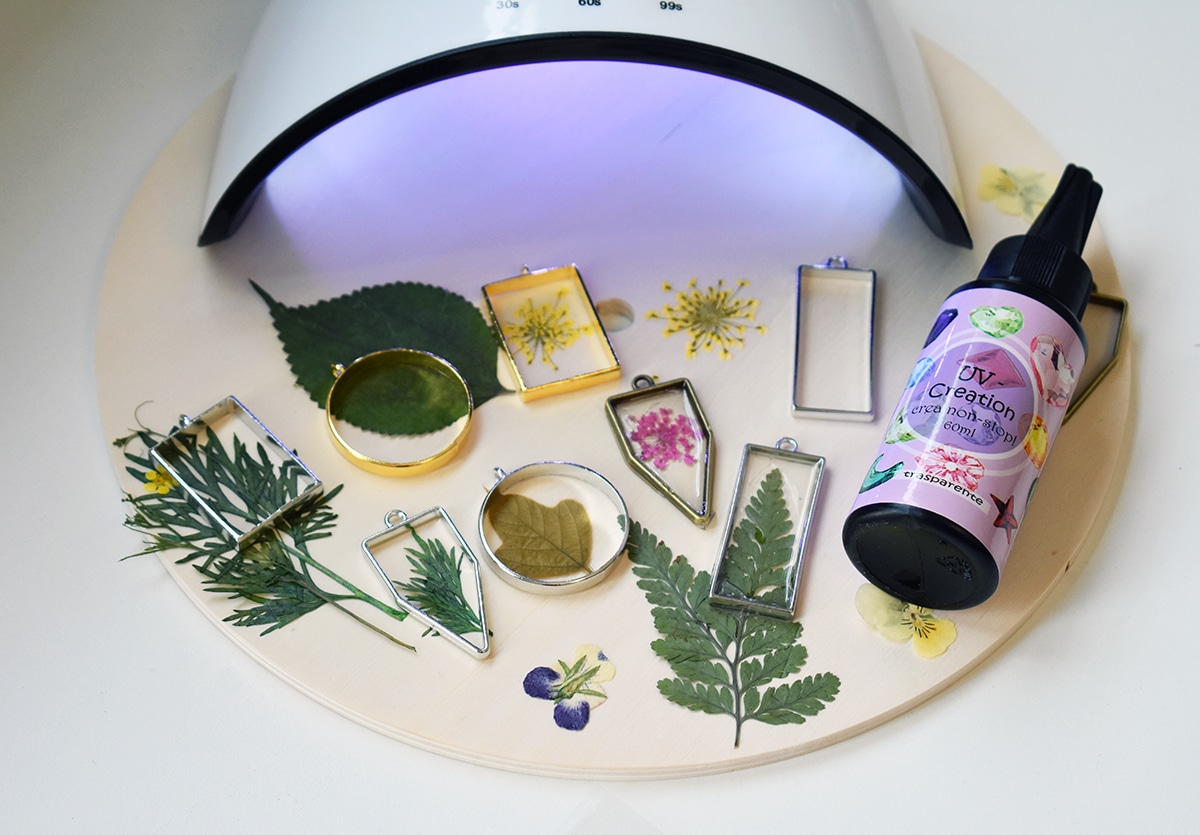
Consistency is crucial. Always mix by the method specified—most resins are by weight, but some like the One-2-One Epoxy Resin use a 1:1 ratio by volume. Double-check your instructions, measure carefully, and blend thoroughly for several minutes to ensure the components fully combine. Using separate, clean mixing tools for each batch helps maintain accuracy and avoids unwanted curing issues.
When This Matters Most
Following precise ratios is especially critical for resin jewellery, tabletops, and functional art. Inaccurate measurements are a common cause of soft or sticky surfaces, and correcting these after pouring is rarely successful. Quick-setting or deep-pour projects offer even less room for error—make sure you’ve chosen a resin suited for your intended use, like Icrystal Clear Epoxy Resin, which offers a clear mixing ratio for reliability.

Related products
Related guides
Mixing resin can seem daunting, but getting the right ratio is the best way to guarantee a professional finish. For more help troubleshooting resin curing, visit our full guide on why resin doesn’t harden.