 Free shipping on orders over £29,85
  Shipping Tracking!


 Google
 Facebook
← Back to Why does the resin not harden?
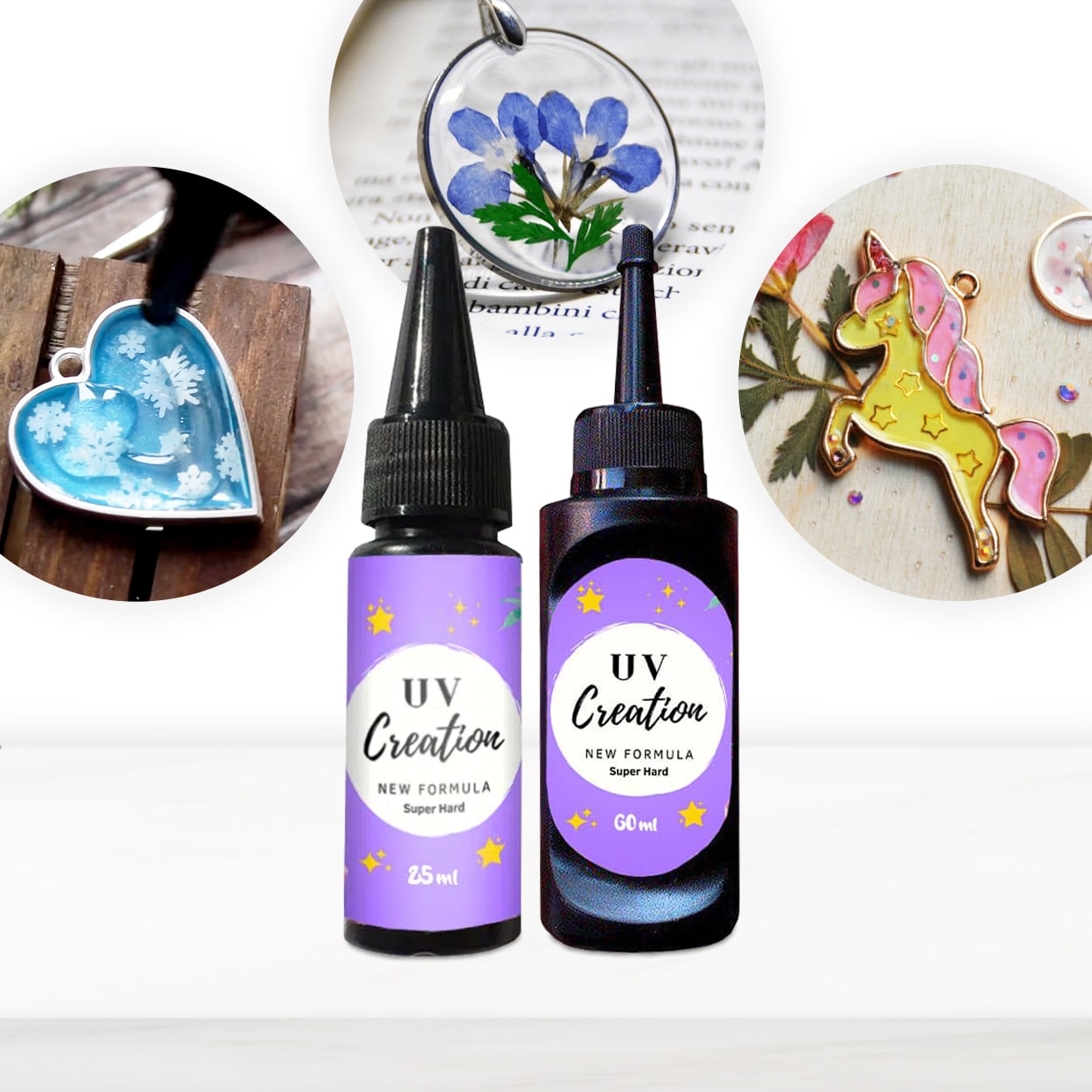
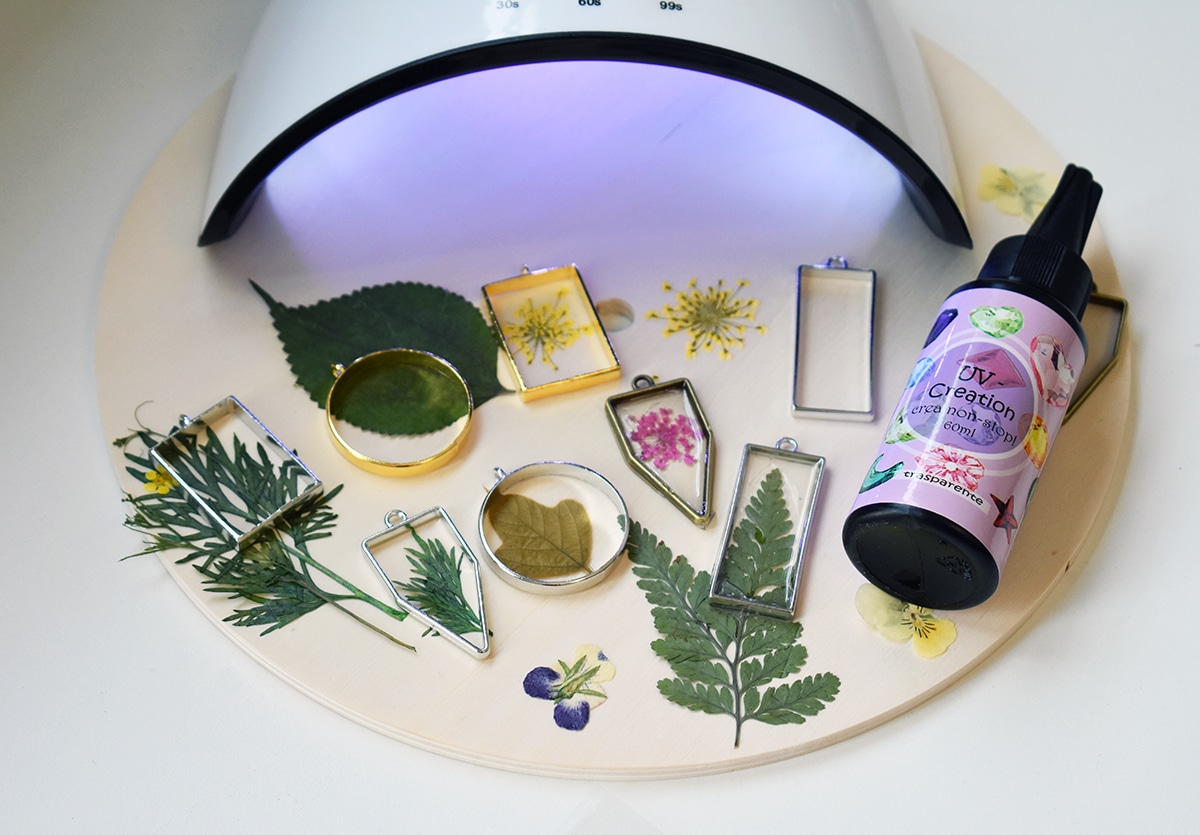
Few things are more frustrating for crafters than resin that refuses to cure. Tackiness, stickiness, or soft spots can ruin an otherwise beautiful piece. Thankfully, understanding why resin stays uncured makes prevention and troubleshooting much simpler.
Common Reasons Resin Won’t Harden
- Incorrect Mixing Ratio: Too much or too little hardener can prevent proper curing. For example, One-2-One resin is mixed 1:1 by volume, while other formulas may require different ratios.
- Inadequate Mixing: Not stirring the resin and hardener thoroughly can leave uncured spots. Take care to scrape the sides and bottom of your mixing container.
- Layer Thickness or Poor Curing Conditions: Pouring resin too thickly, using excessive colourant, or lacking a suitable UV lamp (for UV cures) can also cause issues. Each resin type has recommended maximum layer thickness and equipment requirements. For example, “UV–Creation” is ideal for layers up to 3 mm and requires UV light to cure thoroughly.


Practical Steps to Fix and Avoid Sticky Resin
- If your resin remains tacky, ensure the project is kept at a stable, warm room temperature. Cold slows the curing process for most epoxy resins.
- Double check you’ve used the correct ratio and mixed thoroughly. For two-part epoxies, a simple 2:1 or 1:1 ratio is vital; always follow the product’s guidance.
- If using UV resin, make sure you’re exposing your piece to the right amount and type of light. UV–Creation fully hardens within 2–3 minutes under a 3W–36W lamp with 365–405 nm wavelength.
- For castings that are still sticky after correct curing, you can try adding another thin layer of properly mixed and cured resin, or carefully removing the surface and repouring.
When This Matters Most
Uncured resin problems are especially common when experimenting with new brands, adjusting quantities by eye, or trying out faster-curing formulas. Taking a little extra time to measure and mix precisely pays off for both beginners and experienced makers.

Related products
Related guides
With careful mixing, the correct product ratios, and the right curing environment, uncured resin can be easily avoided. Browse our full guide on why resin does not harden for even more troubleshooting help and expert tips.