 Free shipping on orders over £29,85
  Shipping Tracking!


 Google
 Facebook
← Back to Which catalyst is suitable for epoxy resin?
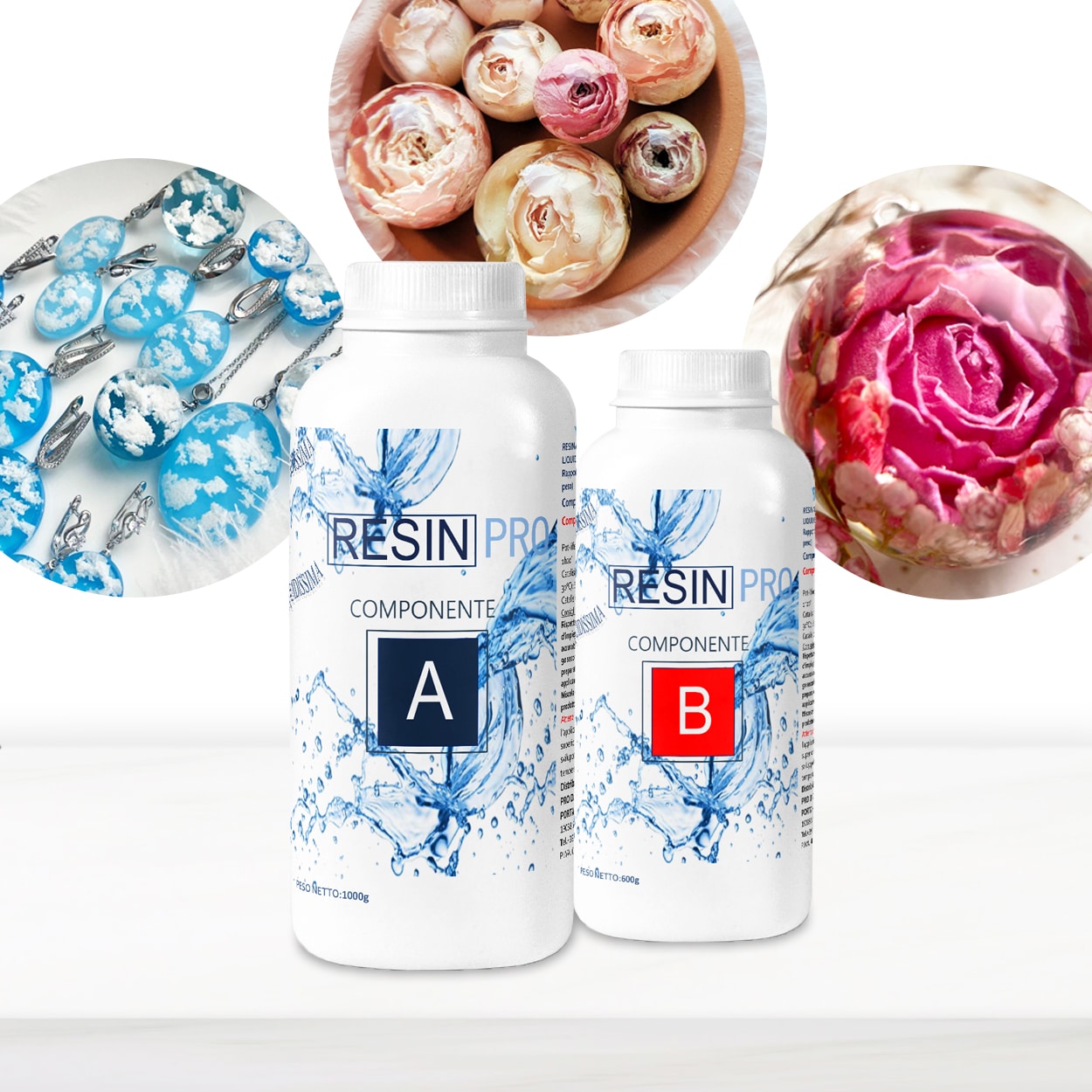
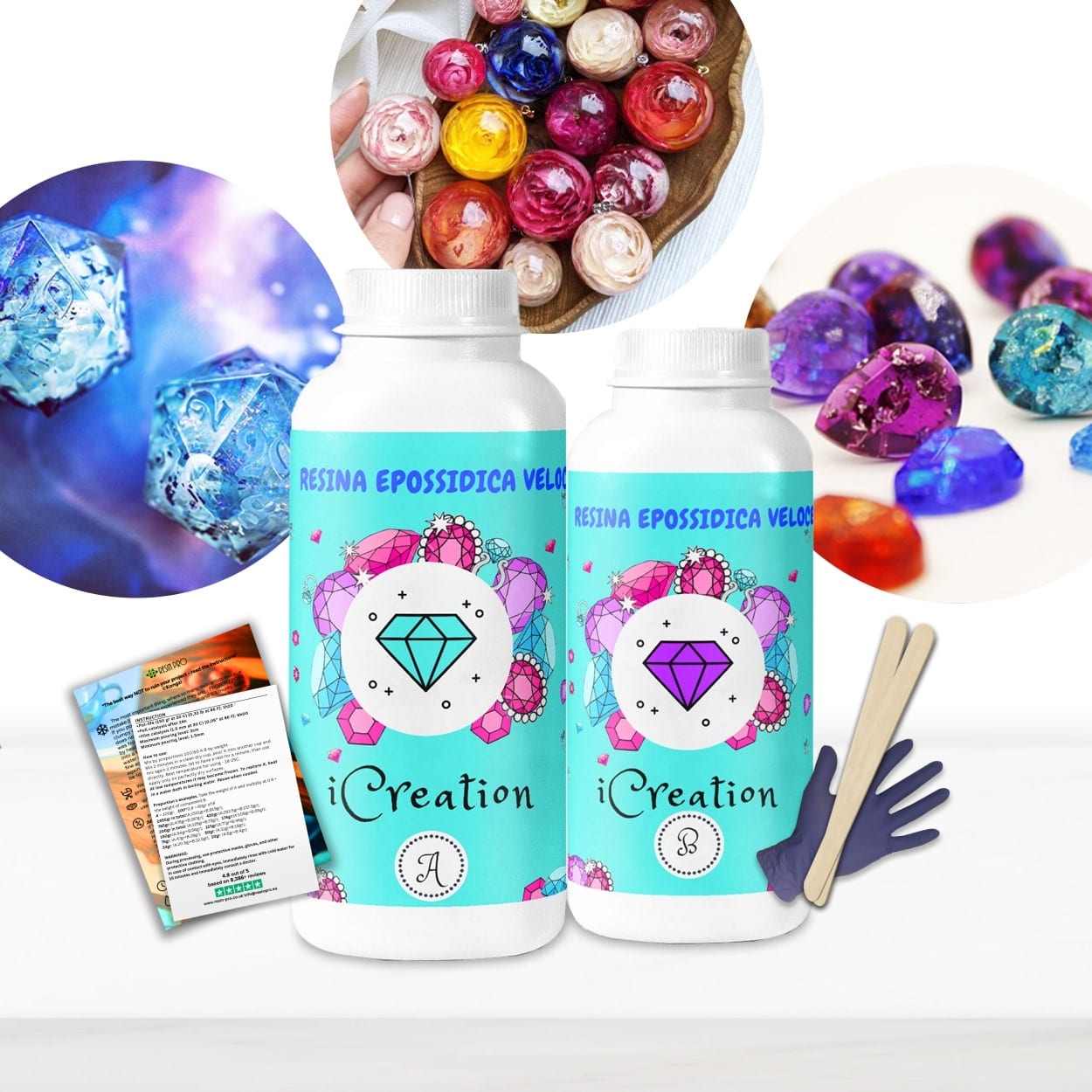
Slow-setting epoxy resin systems are formulated to offer an extended working time, making them ideal for projects that demand precision and detail. Understanding their benefits and when to use them can make all the difference in achieving expert results.
What Are Slow-Setting Epoxy Systems?
Slow-setting epoxy resin systems, sometimes called ‘long pot-life’ epoxies, are engineered to cure gradually over several hours rather than minutes. This gives makers and artists the flexibility to mix, pour, assemble, and manipulate intricate components without rushing. They are typically two-part systems—resin and hardener—mixed in specific ratios as instructed on the packaging. An example is the Liquidissima Epoxy Resin, which offers excellent transparency and a longer working window, perfect for detailed applications.

Advantages and Suggested Applications
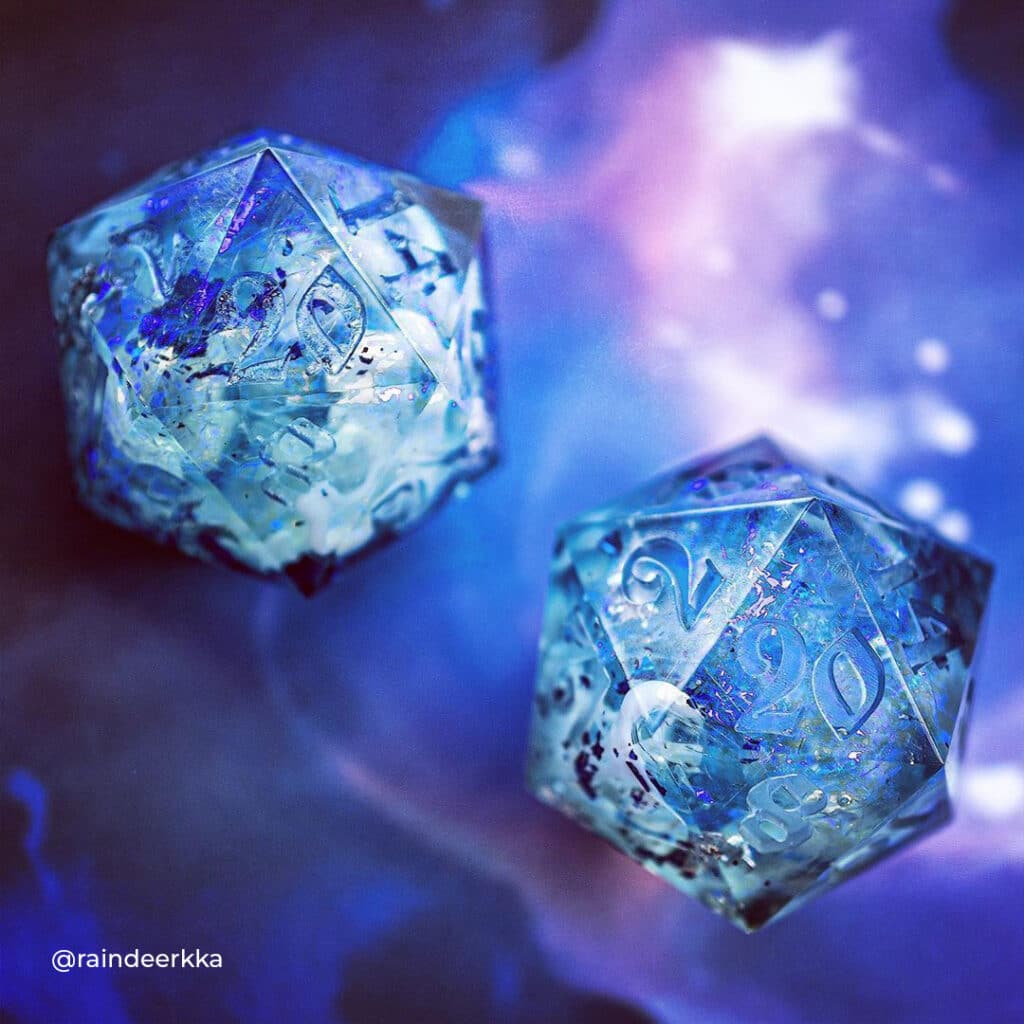
Opting for a slow-setting system is beneficial when you need extra time to position inclusions, layer colours, or pour into complex moulds. Key uses include:
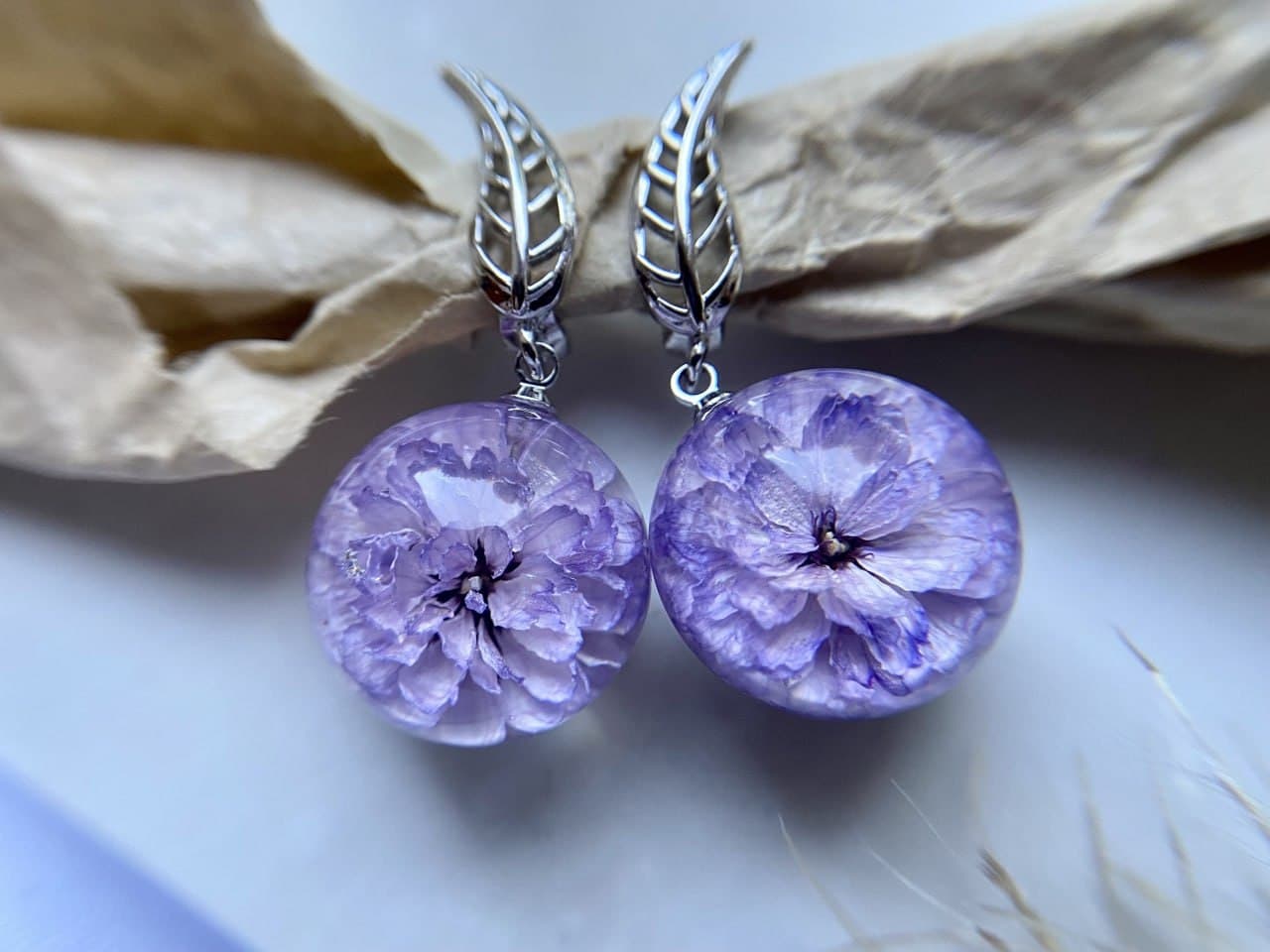
- Jewellery making and embedding objects
- Large surface coatings where even spreading is essential
- Composite applications and technical fabric work
Slow cure times also generally reduce the likelihood of unwanted air bubbles and imperfections, giving a smoother finish. Products such as Icrystal Clear Epoxy Resin are particularly suited to casting, model making, and surface finishes where clarity and working time are critical.
Getting the Best Results
For best results with slow-setting epoxy:
- Precisely follow the recommended resin-to-hardener ratios—many use a 2:1 ratio.
- Work in a dust-free, well-ventilated area at room temperature.
- Allow ample curing time—often overnight—for the resin to reach full hardness.
- Avoid moving moulds or objects until the initial set has finished to maintain flawless edges and surfaces.
When This Matters
Choosing a slow-setting system is essential when your project involves complex arrangements, layering, or detailed adjustments that require more time before the resin hardens. It is also a safer choice for beginners, reducing the pressure to pour and finish quickly.
Related products
Related guides
Whether you’re designing intricate jewellery, crafting unique art, or working with composites, slow-setting epoxy systems give you the control and finish that fast-curing alternatives can’t always guarantee. To learn more about choosing the right catalyst for your epoxy resin, visit our main guide on which catalyst is suitable for epoxy resin.