 Free shipping on orders over £29,85
  Shipping Tracking!


 Google
 Facebook
← Back to Which glue is stronger than Attack resin?
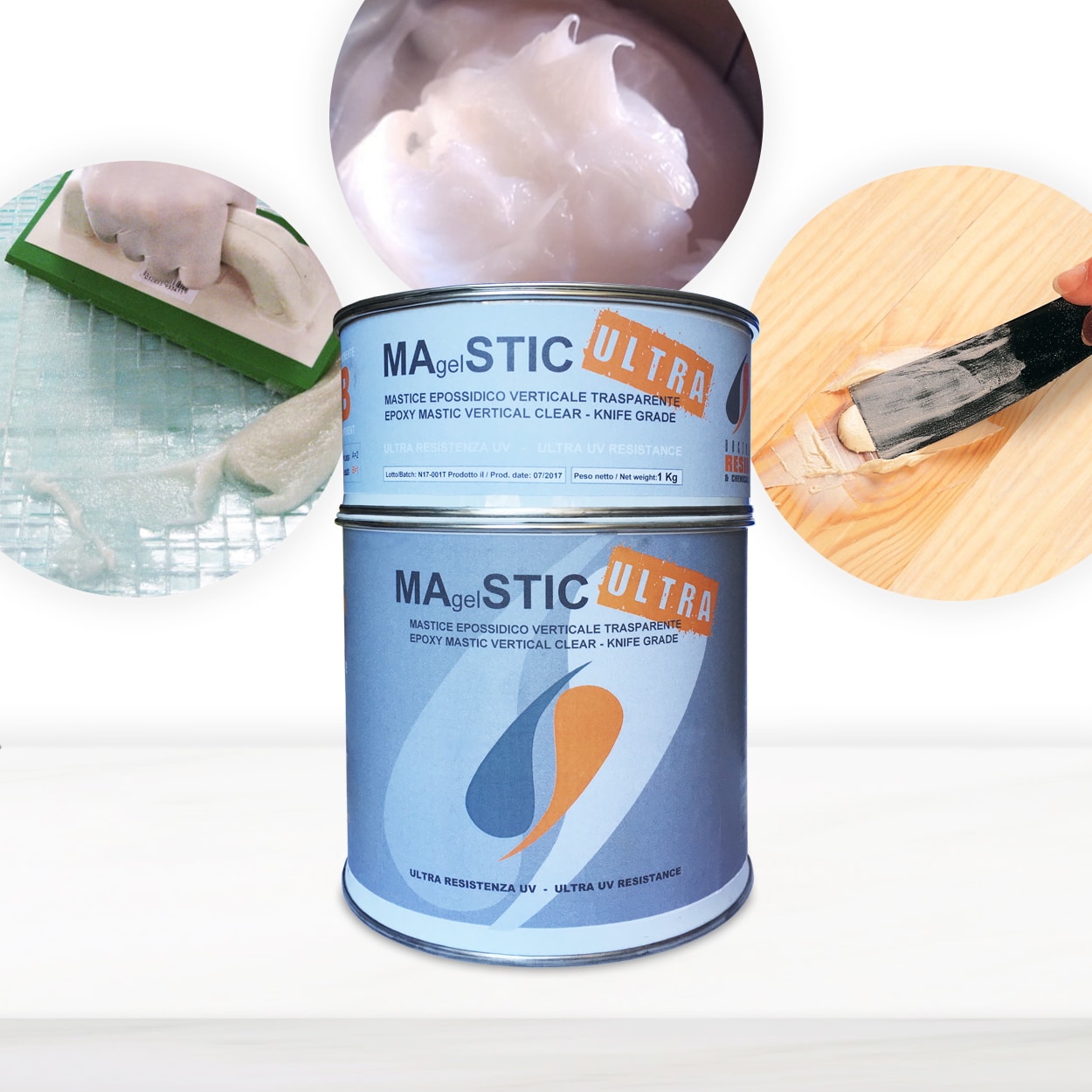

Repairing stone, whether natural or artificial, demands the right adhesive to ensure a strong, lasting bond. Selecting a specialist product is crucial for both professional and DIY restoration projects.
Why Epoxy Mastic Is Recommended for Stone Repairs
For stone repairs, particularly where strength and longevity are vital, a two-part epoxy mastic such as Magelstick is an excellent choice. Its thixotropic (non-drip) formulation helps prevent sagging when used on walls or vertical surfaces. This adhesive offers superior mechanical strength, ensuring that repairs on stone, cement, or even metal hold fast and resist the stresses of daily use. Additionally, Magelstick can be applied both indoors and outdoors thanks to its UV and weather resistance, making it suitable for a broad range of restoration scenarios.


Practical Application Tips
When using epoxy mastic for stone, always follow the specified mixing ratio carefully to achieve the best results. Prepare only as much product as you will use within the working time, as two-part epoxies begin curing quickly once mixed. Surfaces should be clean and dry before application to maximise adhesion. The thixotropic texture makes it easy to apply to joints or upright features without mess or waste, while minimal shrinkage ensures a smooth, seamless finish after curing.
When This Matters
- Working on vertical stone surfaces where traditional adhesives might run or drip.
- Outdoors, where UV and weather resistance are needed.
- Renovation or repair of high-stress or structural elements in stone, cement, or metal.

Related products
Related guides
Using a professional epoxy mastic ensures reliable, durable repairs for stone and related materials. For more guidance on selecting the strongest adhesives for demanding repairs, visit our main hub on which glue is stronger than Attack resin.