 Free shipping on orders over £29,85
  Shipping Tracking!


 Google
 Facebook
← Back to Which wood is best for resin pours?
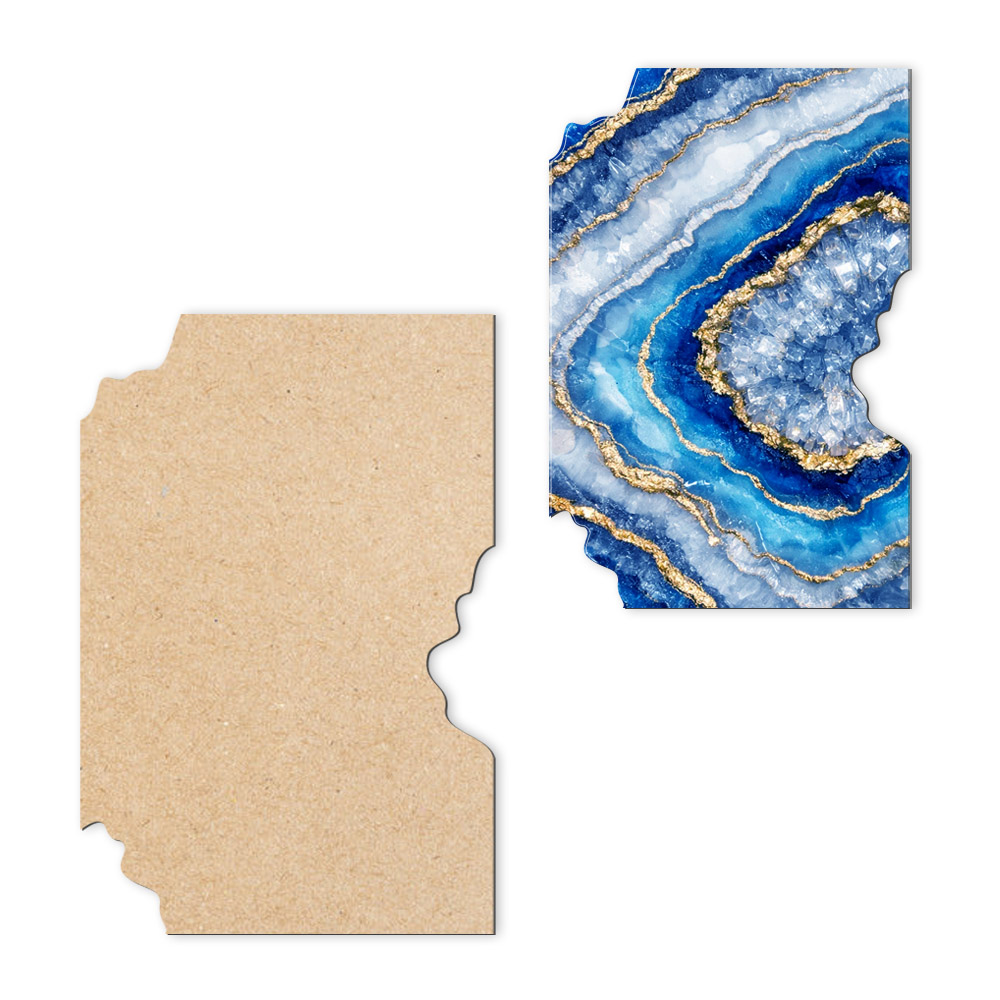

Sealing or priming MDF before pouring resin is essential to achieve a crisp, stable finish and avoid issues like uneven soaking or dull spots. Whether you are working on wall art, trays or statement pieces, good preparation makes all the difference.
Why Prime or Seal MDF for Resin Art?
MDF boards are favoured in resin art for their smooth surface and stability. However, MDF is naturally porous and will draw in liquid resin, especially at the edges. Without sealing, this can cause patchy finishes and unnecessary resin waste. By sealing or priming, you provide a barrier that helps resin sit evenly on the surface and gives your artwork the best chance of a clean, professional look.


How to Prepare MDF for Resin Pouring
To prepare your MDF, start by gently sanding the surface and edges for a smooth base. Wipe away any dust. Apply a suitable sealer or primer—products like acrylic gesso or a dedicated MDF sealer are popular choices. For best results, pay extra attention to the edges, which are most absorptive. Allow the primer to dry thoroughly before pouring the resin.
- Lightly sand all surfaces and edges
- Apply primer or sealer in thin coats
- Allow full drying time between coats and before resin application
Looking for a sturdy base? The MDF Resin Art Board – Geode V3 – 60x40cm is designed specifically for resin pours and will benefit from proper sealing before use.
When Sealing MDF Matters Most
Sealing is especially important if you plan to use tinted, metallic, or layered resin, as unsealed MDF can cause colour bleed or uneven lines. For pieces that will be displayed or handled frequently, proper sealing extends the life and appearance of your work.

Related products
Related guides
Taking the time to seal your MDF creates a strong foundation for resin pours and allows your creativity to shine. If you’d like to learn more about suitable woods or improve your resin technique, return to our main guide: Which wood is best for resin pours?