 Free shipping on orders over £29,85
  Shipping Tracking!


 Google
 Facebook
← Back to Which resin should you choose for a water softener?
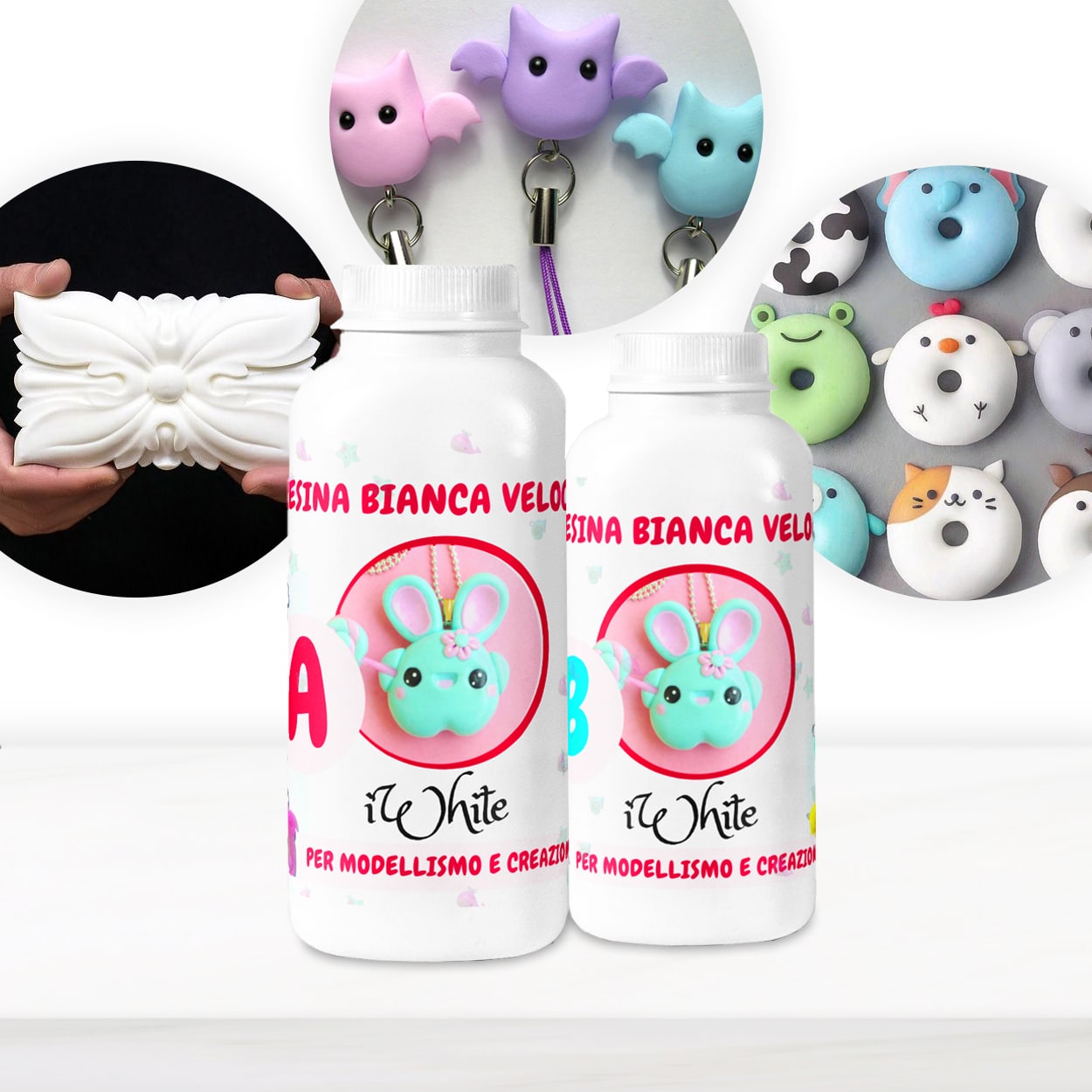
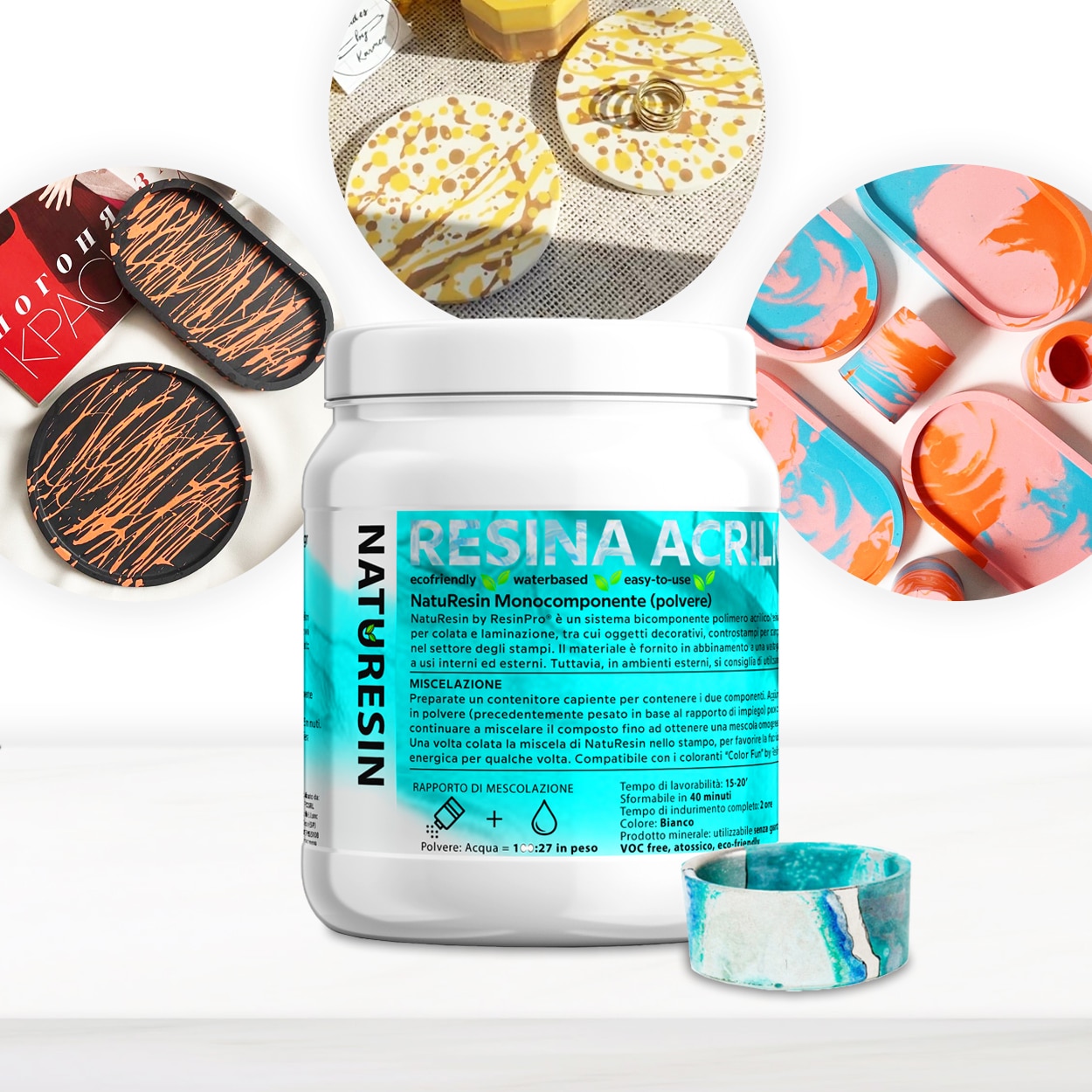
Polyurethane resins are versatile materials often used in modelling and prototyping, but their suitability for making water softener parts depends on the application’s requirements. This guide highlights where polyurethane resin is most appropriate for softener system components and how to get the best results.
Where Polyurethane Resin Fits in Softener Systems
Polyurethane resins, such as IWhite, are ideal for non-structural or prototype parts within water softener units. Their fast curing and ability to capture fine detail make them a smart option when developing and testing new design shapes before committing to final materials. However, they are not recommended for parts exposed to heavy loads, continual water flow, or those requiring specialist certifications.
Tips for Prototyping and Casting
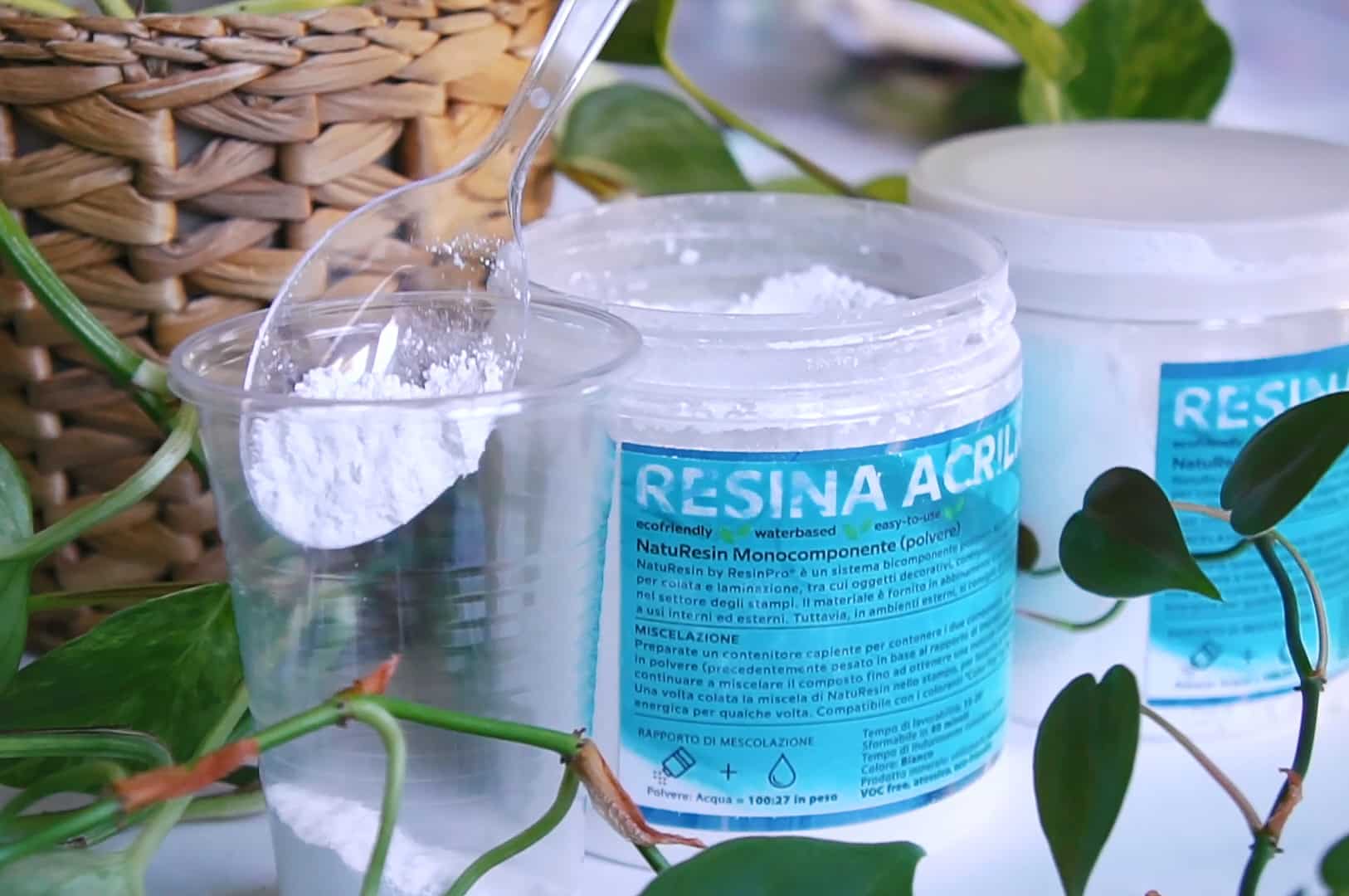
- Use polyurethane resin for small, detailed testing components or covers in softener systems.
- Take advantage of the rapid curing (often as quick as 30 minutes) to iterate designs efficiently.
- These resins can be colour tinted or painted after curing for identification or aesthetic purposes.
- Handle uncured resin with gloves and appropriate safety gear, as it contains reactive chemicals.
When This Matters
If you are troubleshooting a new softener layout, refining part shapes, or trialling concepts before moving to full-scale production, polyurethane resin casting helps verify fit and form without the cost and delay of injection moulding or final material sourcing.
Related products
Related guides
Choosing the right resin for water softener projects hinges on the component’s purpose. Polyurethane resins shine in prototyping and non-structural uses, so for a broader overview of resin types and their suitability, return to our main guide on which resin you should choose for a water softener.