 Free shipping on orders over £29,85
  Shipping Tracking!


 Google
 Facebook
Which resin should you choose for a water softener?
Compare mineral, epoxy, and polyurethane resins for softener projects
If you’re seeking the right resin for use in or around a water softener – whether to cast decorative covers, repair housing units, or prototype internal components – understanding the available resin types is crucial. This guide will help you identify and compare mineral, epoxy, and polyurethane resins, so you can select the optimal material for your specific water softener project.
Comparing Resin Types for Water Softener-Related Projects
Choosing a resin for any application in proximity to water softeners requires considering both the functional demands (such as water exposure and durability) and the handling or environmental requirements (like safety or curing time). Mineral resins, epoxy systems, and polyurethane casting resins each offer distinct properties, making them more suitable for different types of use:
- Mineral resins are water-activated, eco-friendly, non-toxic, and typically best for decorative elements exposed to water.
- Epoxy resins offer strong waterproofing and adhesion for repairing or reinforcing wood and metal parts near softener units.
- Polyurethane resins cure quickly and capture fine details, ideal for rapid prototyping of softener components or housings.
See How Different Resins Perform in Water-Related Projects
View examples of mineral, epoxy, and polyurethane resins used creatively or functionally in moist and wet environments. Observe the difference between solvent-free finishes for decorative pieces, waterproof epoxy for timber, and the fine detail captured by advanced polyurethane casting — helping you visualise which solution fits your specific water softener component or housing needs.
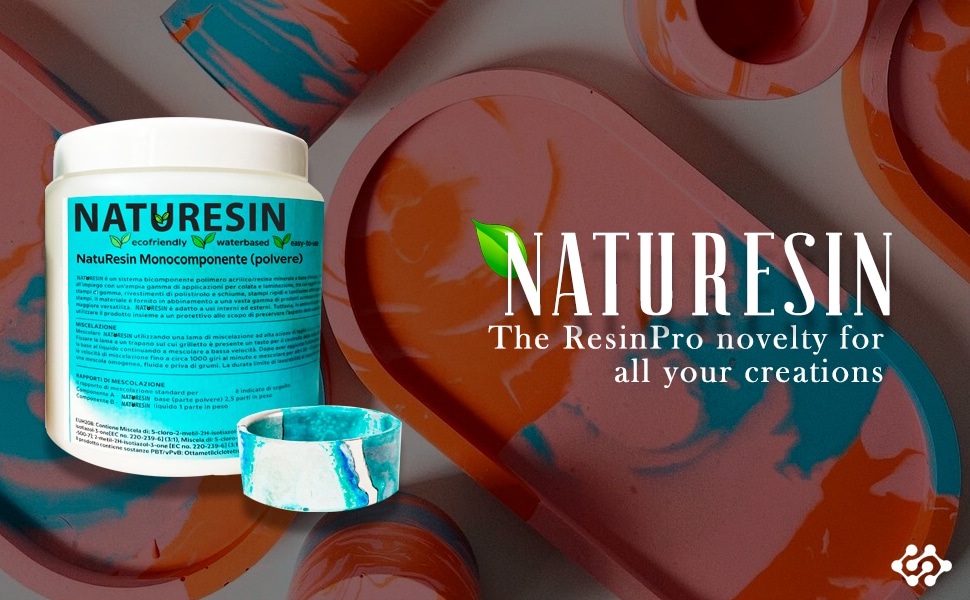
“NatuResin” – Mineral Resin & Water System for Creative Casting and Crafts
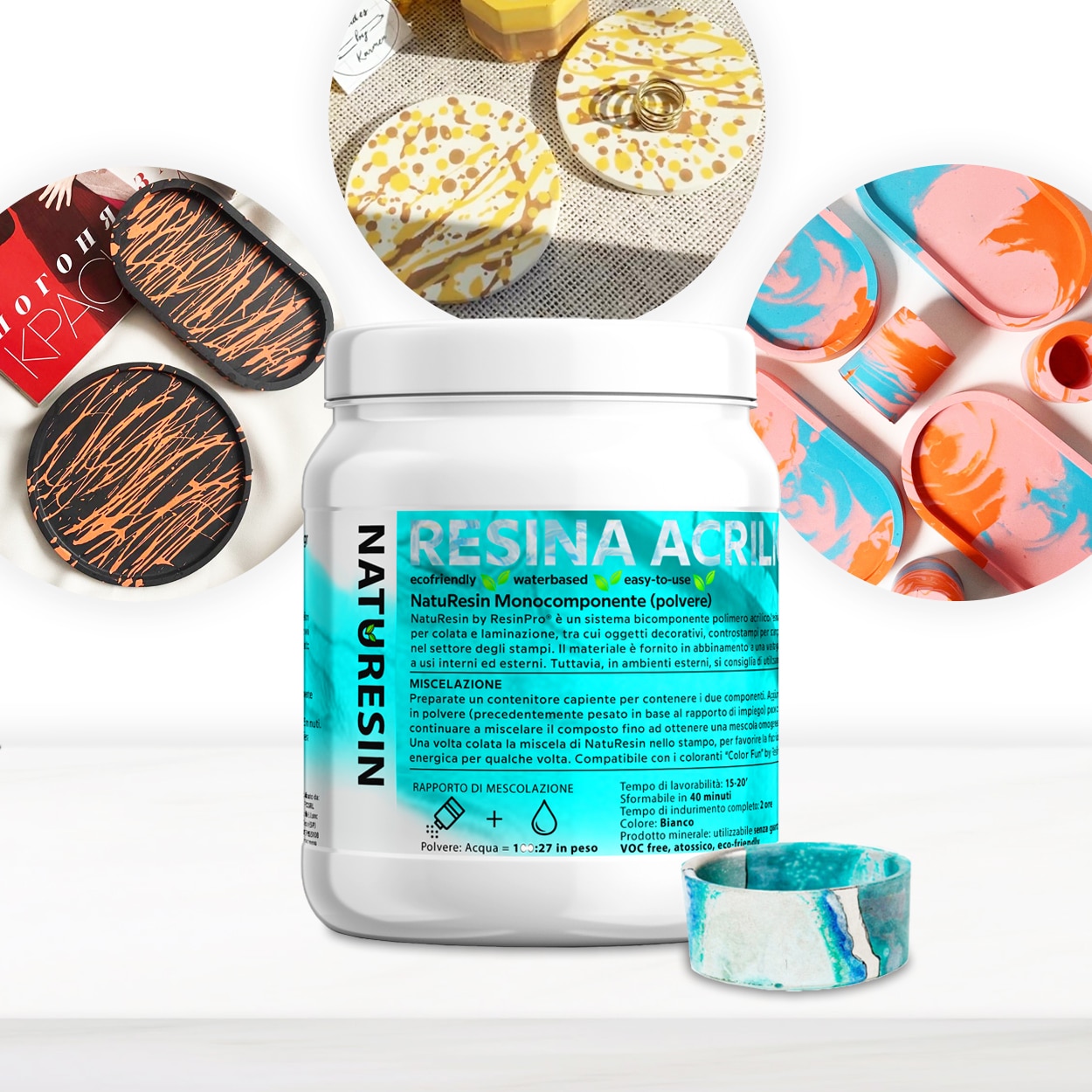
For projects where safety, eco-friendliness, and minimal toxicity are paramount, “NatuResin” – Mineral Resin & Water System for Creative Casting and Crafts stands out. This single-component mineral resin mixes with ordinary tap water and is entirely VOC-free, making it ideal for users seeking a solvent-free alternative near water treatment systems.
- Eco-friendly & VOC-free mineral resin formula for safe handling
- Solvent-free and user-friendly – no gloves needed
- Ceramic-like hardness offers strong, decorative results both indoors and outdoors
- Customisable with pigments & paints after curing
NatuResin is an excellent choice if you are casting outer shells, non-structural parts, or decorative covers for your water softener. Its composition ensures it’s safe for households focused on sustainability and reduced chemical exposure.
“Liquidissima” – Epoxy Resin For Creations & Jewellery
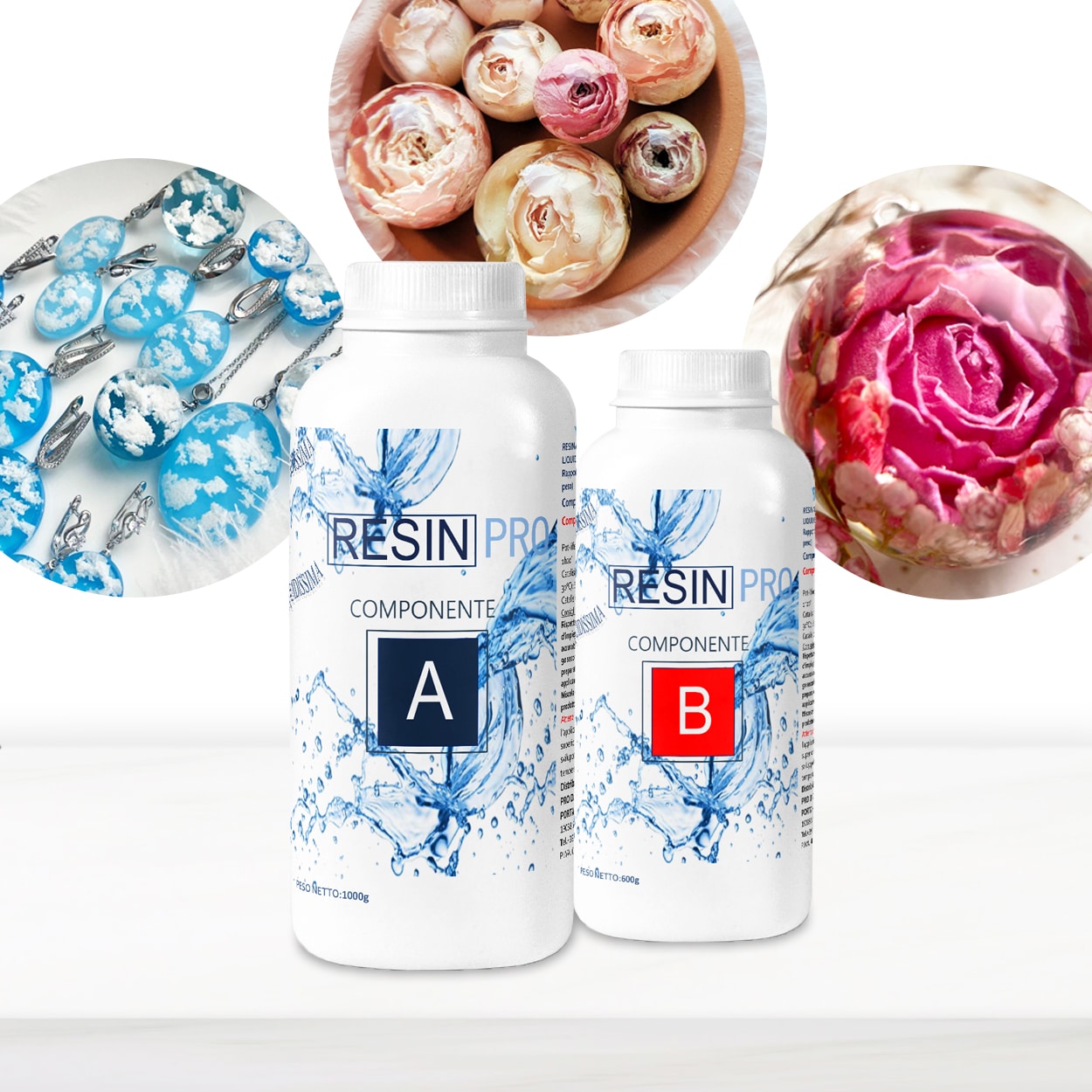
If your project demands high clarity and smooth surface detail, “Liquidissima” – Epoxy Resin For Creations & Jewellery provides exceptional transparency with a self-levelling finish. While primarily intended for jewellery and fine art moulds, its excellent flow characteristics and ability to minimise air bubbles make it ideal when crafting small, intricate components for water softener prototypes or demonstration models.
- High Transparency for water-clear finishes
- Low Viscosity for easy pouring into detailed moulds
- Minimised Air Bubbles for fewer flaws in complex shapes
Choose Liquidissima for applications where detail and visual appeal matter more than mechanical endurance or structural load-bearing.
“EpoxyWood” – Wood Restoration Epoxy Resin for Deep Penetration and Waterproofing
When structural strength and long-term water resistance are top priorities—such as for repairing or upgrading wooden components around plumbing or softener systems—EpoxyWood is designed to excel. Its ultra-low viscosity allows deep penetration into wood fibres before hardening into a durable, waterproof barrier.
- Waterproofing: Transforms treated wood into a moisture-resistant surface
- Reinforcement: Increases wood durability and longevity
- Aesthetic Finish: Subtle straw-yellow tint enhances natural grain
- Eco-Conscious: Free from solvents and cruelty-free
This resin is especially suitable for restoring furniture, cabinetry, or timberwork in damp environments, ensuring your water softener installation remains robust over time.
“IWhite” – Polyurethane Casting Resin – White, Fast-Curing Two-Part System
For model makers, professionals, or hobbyists focused on rapidly prototyping water softener components (e.g., small plastic parts or housings), “IWhite” – Polyurethane Casting Resin offers a highly fluid and fast-curing solution. With a 30-minute set time, it’s perfect for multiple iterations or trial moulds when refining design or fit for softener systems.
- Fast-setting for efficient prototyping workflows
- Colourable and paintable, both before and after curing
- Captures fine details, ideal for intricate parts
IWhite is best for technical users who require fast turnaround and precise results in their component production, while still maintaining a stable and durable finished piece.
Factors to Consider When Selecting Resin for Water Softener Projects
Selecting the ideal resin is not only about the base material; you should also assess the unique requirements of your project:
- Water exposure: For parts in direct, ongoing contact with water, prioritise options with confirmed waterproof or water-resistant credentials (e.g., EpoxyWood).
- Handling safety: Choose solvent-free or non-toxic formulations when user or household safety is a key concern, such as NatuResin’s mineral base.
- Application type: For decorative covers or light fixtures, mineral resin offers simplicity and eco-benefits. For repairs and structural parts, epoxy is preferred. For prototyping plastic elements, polyurethane excels.
- Customisation and finish: Consider if your part needs to be paintable, colourable, or have distinct surface effects. Both NatuResin and IWhite allow custom finishing post-cure.
Pro Tips for Achieving the Best Resin Results Near Water
Surface prep and curing conditions make all the difference. Always work on thoroughly dry, sanded surfaces, particularly with wood. For detailed casting, choose resins that minimise air bubbles. When possible, opt for eco-conscious, solvent-free formulas for added safety near plumbing. Test a small area before attempting full-scale softener repairs or upgrades.
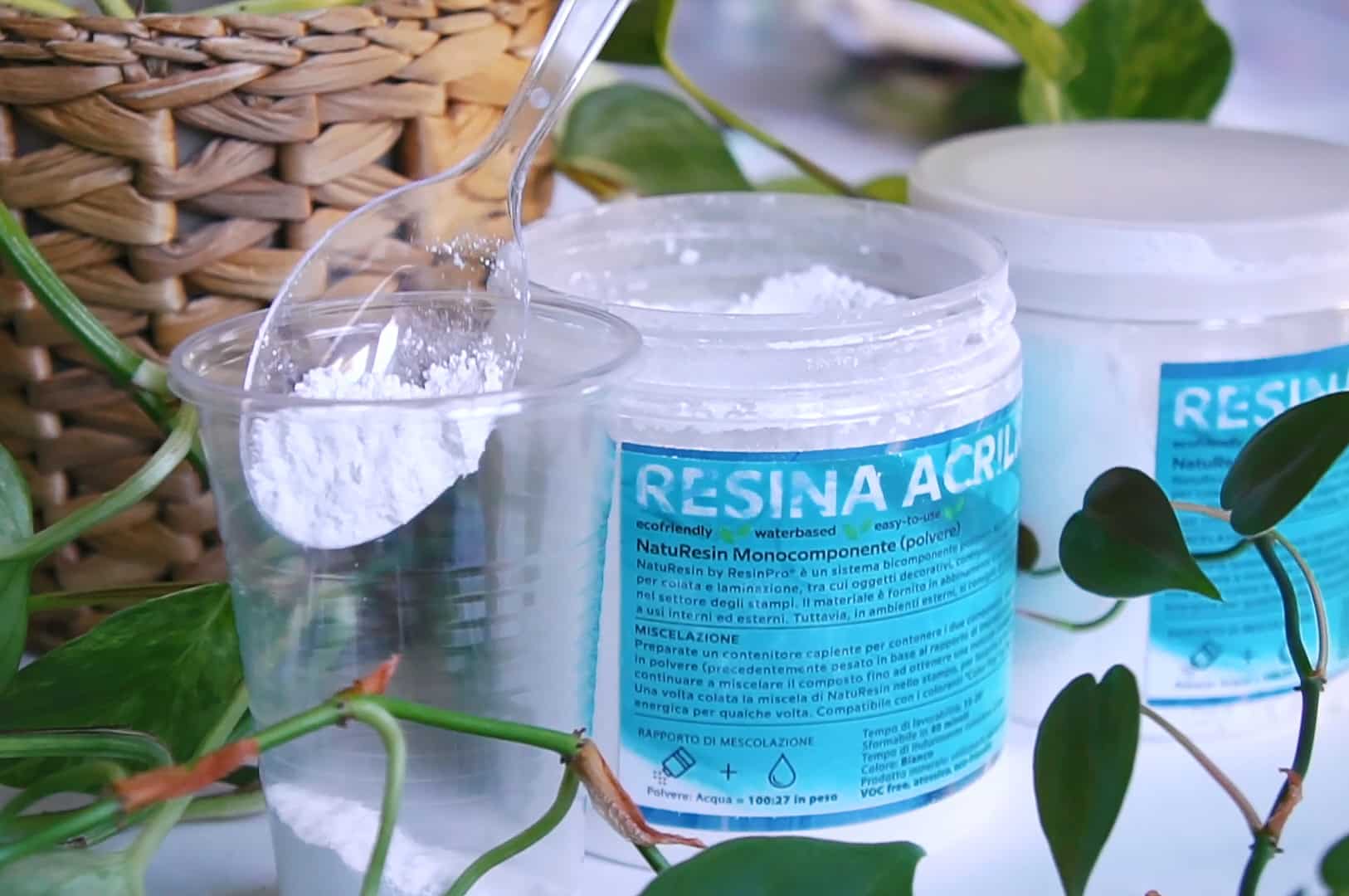
- “NatuResin” – Mineral Resin & Water System for Creative Casting and CraftsPrice range: £18.95 through £104.95NatuResin is a water-activated mineral resin designed for creative casting projects with a safe, eco-friendly formulation suitable for indoor and…
- "Liquidissima" – Epoxy Resin For Creations & JewelleryPrice range: £12.85 through £31.85"Liquidissima" epoxy resin offers transparency and a self-levelling finish suitable for intricate jewellery work.
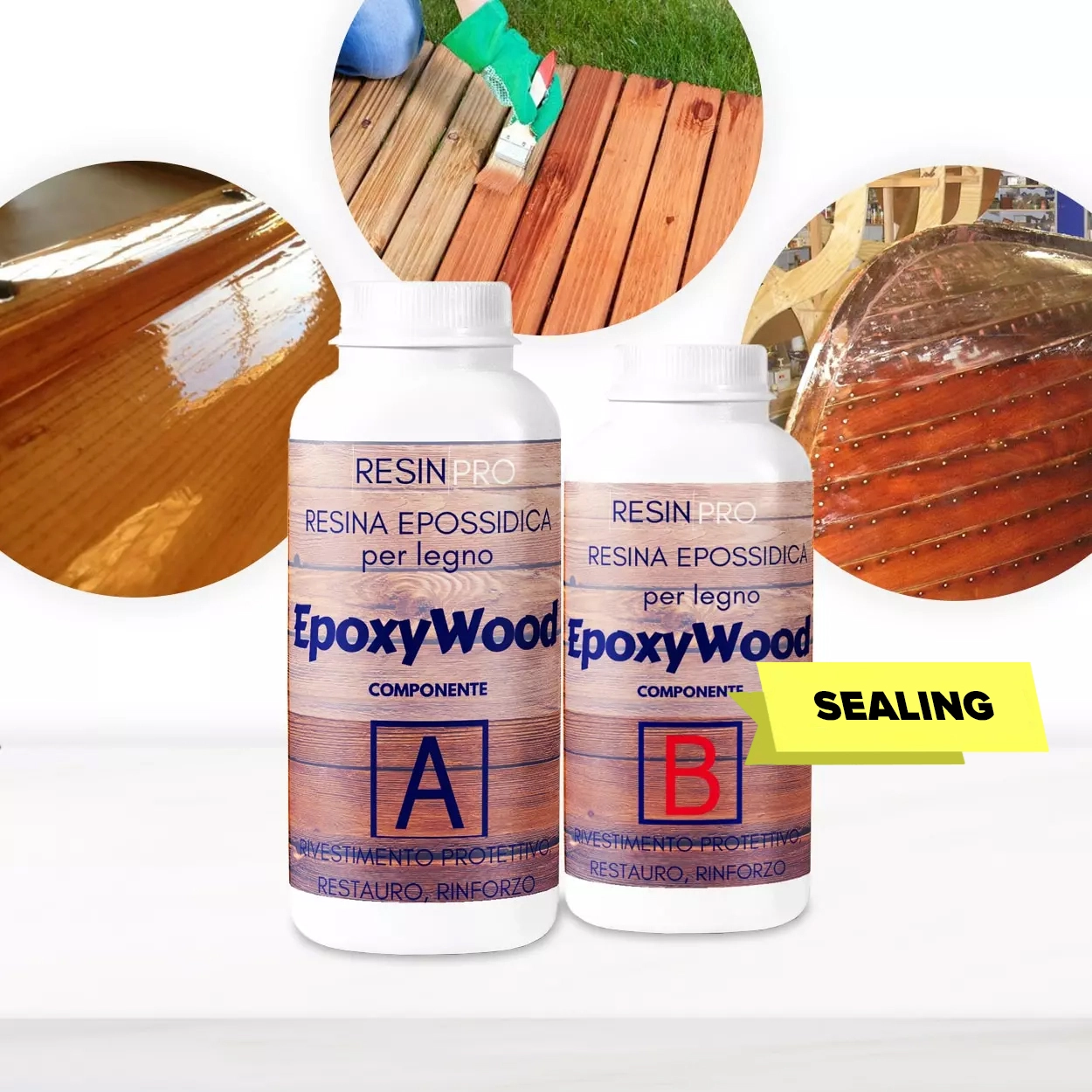 "EpoxyWood" – Wood Restoration Epoxy Resin for Deep Penetration and WaterproofingPrice range: £27.95 through £41.95EpoxyWood is designed for wood restoration and waterproofing with a deep penetrating, solvent-free formula suitable for marine and furniture use.
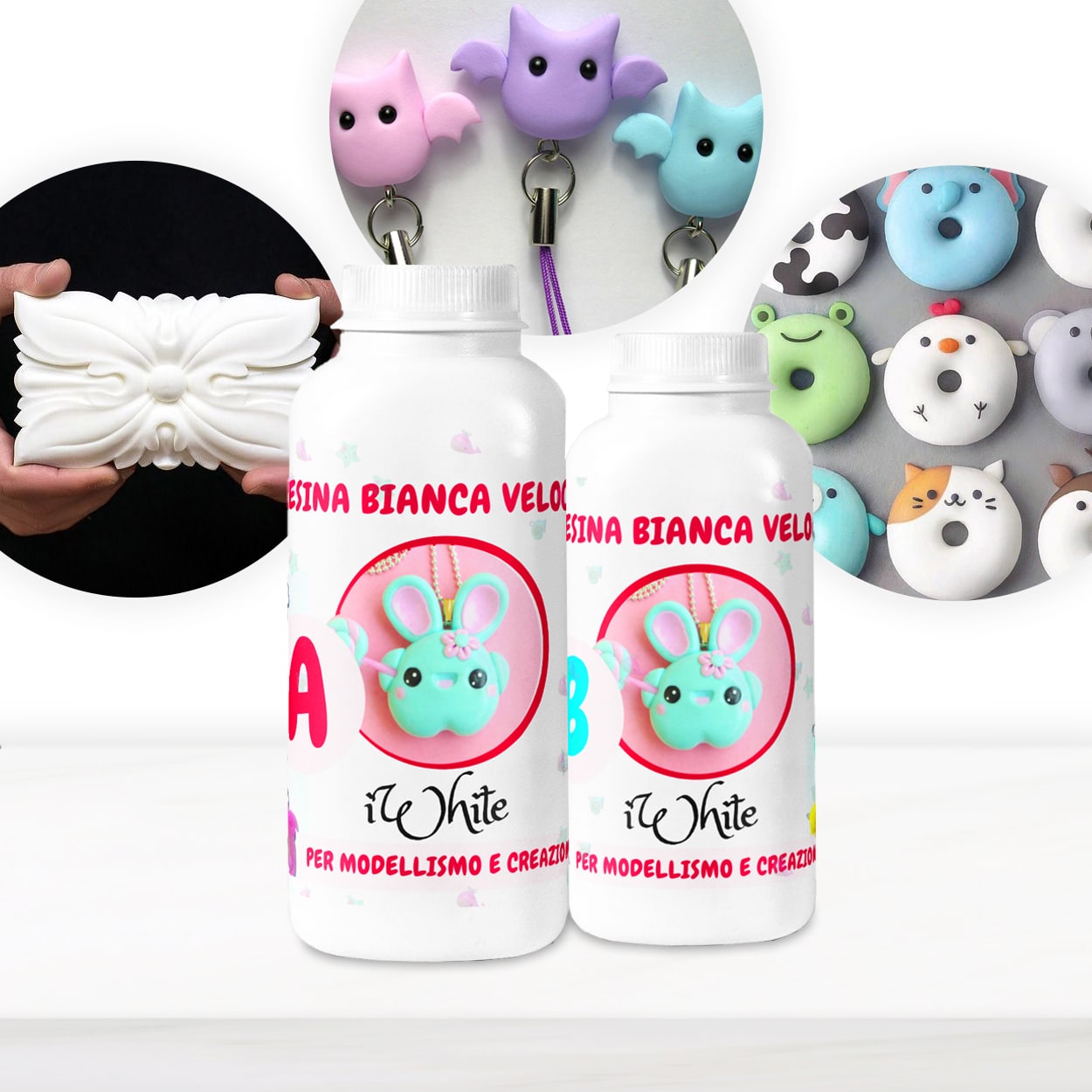 “IWhite” – Polyurethane Casting Resin – White, Fast-Curing Two-Part SystemPrice range: £24.00 through £36.95IWHITE is a fast-curing, highly fluid polyurethane resin suitable for rapid prototyping and detailed moulding projects.
Frequently Asked Questions
Which resin is safest for water softener projects?
NatuResin offers a solvent-free, non-toxic mineral formula suitable for decorative projects where safety is a priority.
What is the best resin for waterproofing water softener parts?
EpoxyWood is designed for deep penetration and waterproofing, ideal for protecting wood and other components.
Can mineral resins be used for softener housings?
Mineral resins are appropriate for decorative housings but are not recommended for structural or high-pressure components.
What is the difference between epoxy and polyurethane resins for water softener use?
Epoxy resins prioritise waterproofing and reinforcement, while polyurethane is best for quick, precise casting and prototyping.
Are epoxy resins chemical resistant enough for water softener applications?
EpoxyWood provides good waterproofing and some chemical resistance, but verify suitability for any aggressive or specialist chemicals.
Can polyurethane resins be used for making water softener parts?
Polyurethane resins like IWhite are suitable for prototyping and non-structural plastic components in water softener systems.