 Free shipping on orders over £29,85
  Shipping Tracking!


 Google
 Facebook
← Back to Which resin should be used for concrete?

When creating decorative stone or pebble finishes on concrete, questions often arise about whether you can apply an epoxy pebble binder straight onto a bare surface. A few key preparation steps ensure long-lasting, beautiful results.
Why Preparation Matters for Concrete
Concrete is naturally porous and can absorb moisture or contaminants that interfere with the bonding of resins. Simply applying an epoxy pebble binder directly onto unprepared concrete may result in uneven curing or poor adhesion, ultimately impacting the stability and durability of your finish.

Step-by-Step: Achieving the Best Bond
- Prime the Surface: Before applying your epoxy pebble binder, start with an appropriate primer such as a dedicated water-based epoxy primer. This creates a secure interface, promoting strong adhesion between the concrete base and the resin-binder mix.
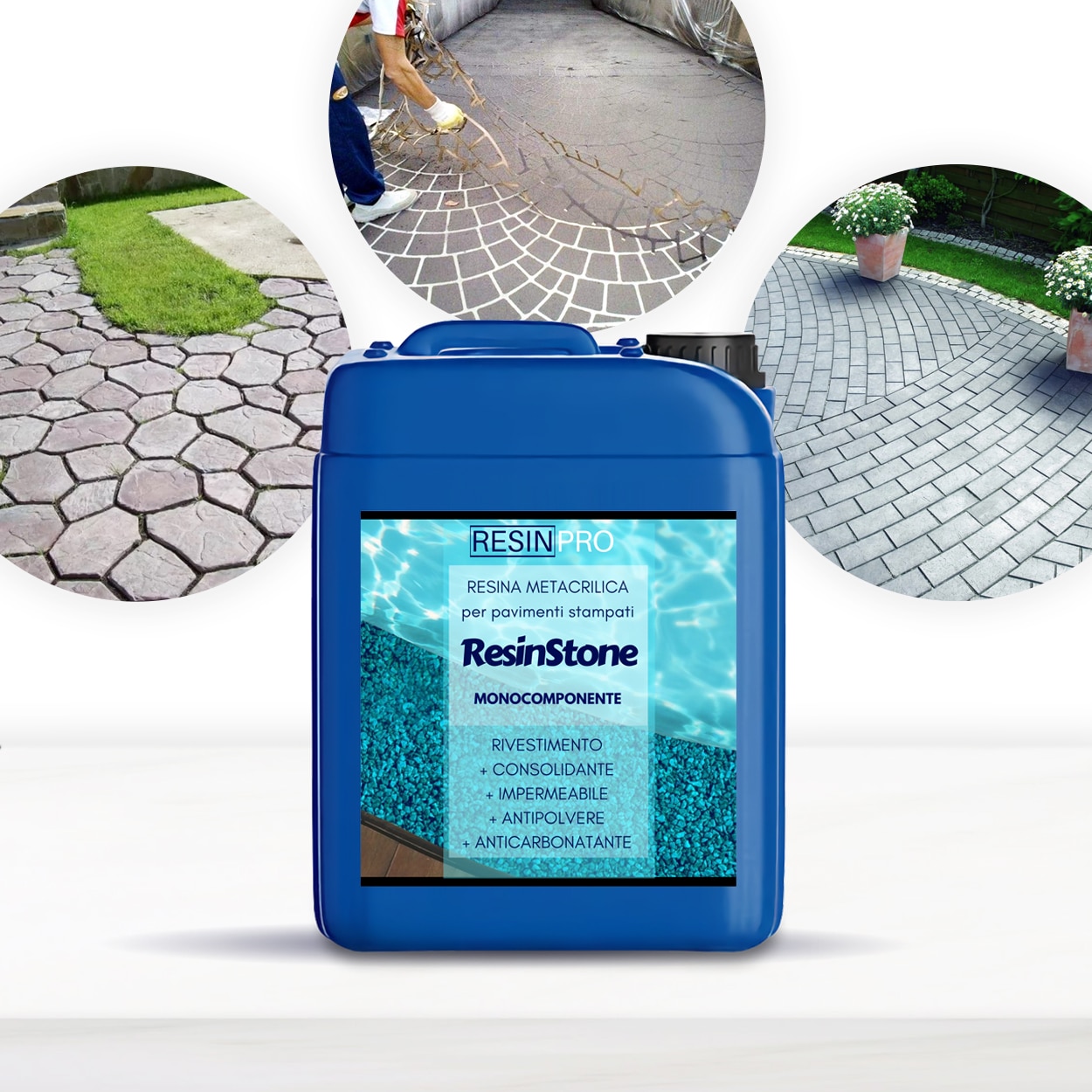
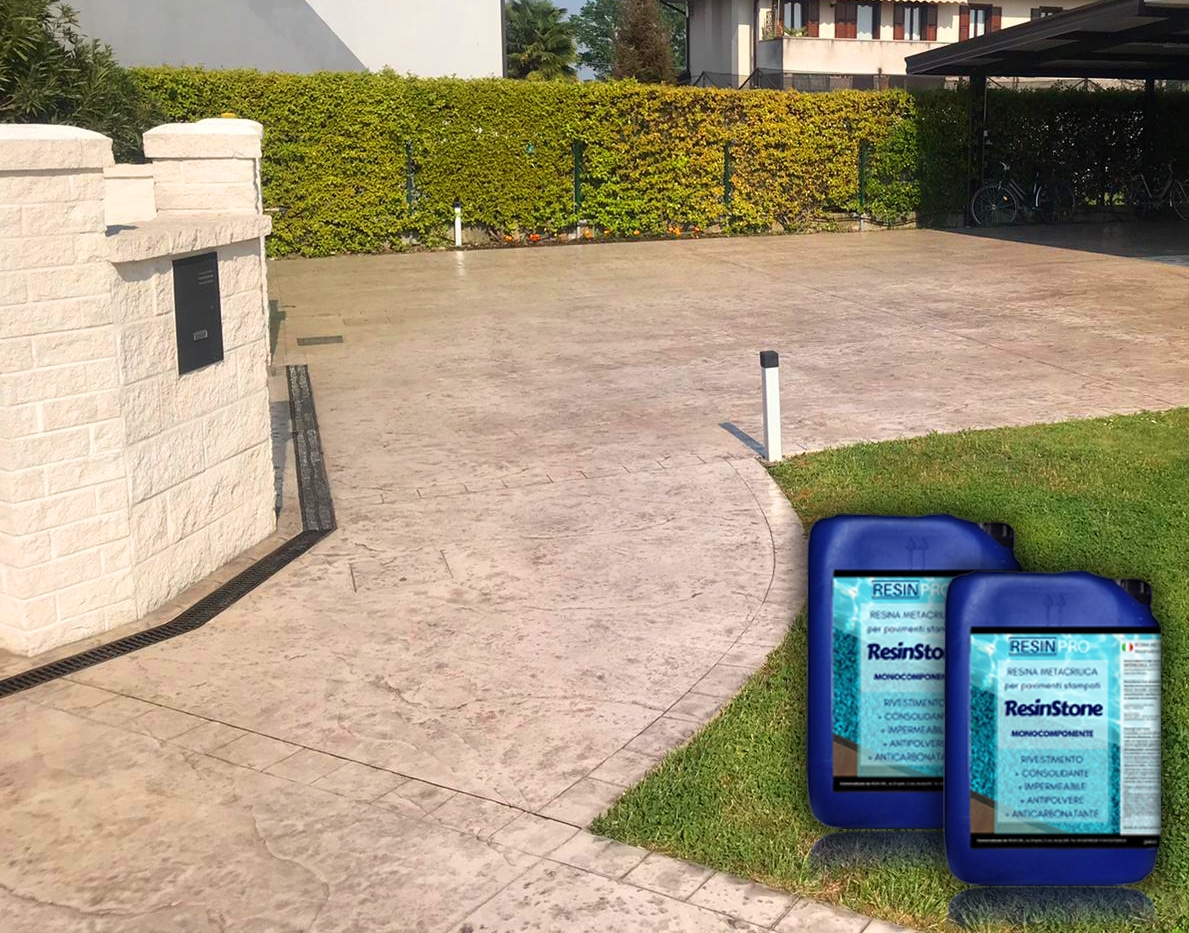
- Alternative: Methacrylic Resin: For certain installations, using a methacrylic resin primer designed for concrete—like “Resinstone”—can offer deep penetration and robust surface protection, serving well as a preparatory layer before finishing with epoxy systems.
- Final Application: Once primed and fully cured, you can proceed with your chosen epoxy pebble binder, ensuring proper mixing with aggregate for a secure, decorative result.
When This Matters
Surface preparation is crucial for outdoor installations, heavy-use areas, or wherever moisture might be present. Skipping these steps on plain concrete floors can lead to early failure of the resin layer or visual issues such as bubbles and delamination.
Related products
Related guides
Properly preparing your concrete before using an epoxy pebble binder not only enhances durability but also ensures you achieve a quality finish. For a wider overview of suitable concrete resins and best practice, visit our main page on which resin should be used for concrete.