 Free shipping on orders over £29,85
  Shipping Tracking!


 Google
 Facebook
← Back to Which resin should be used: epoxy, urethane, or polyurethane?
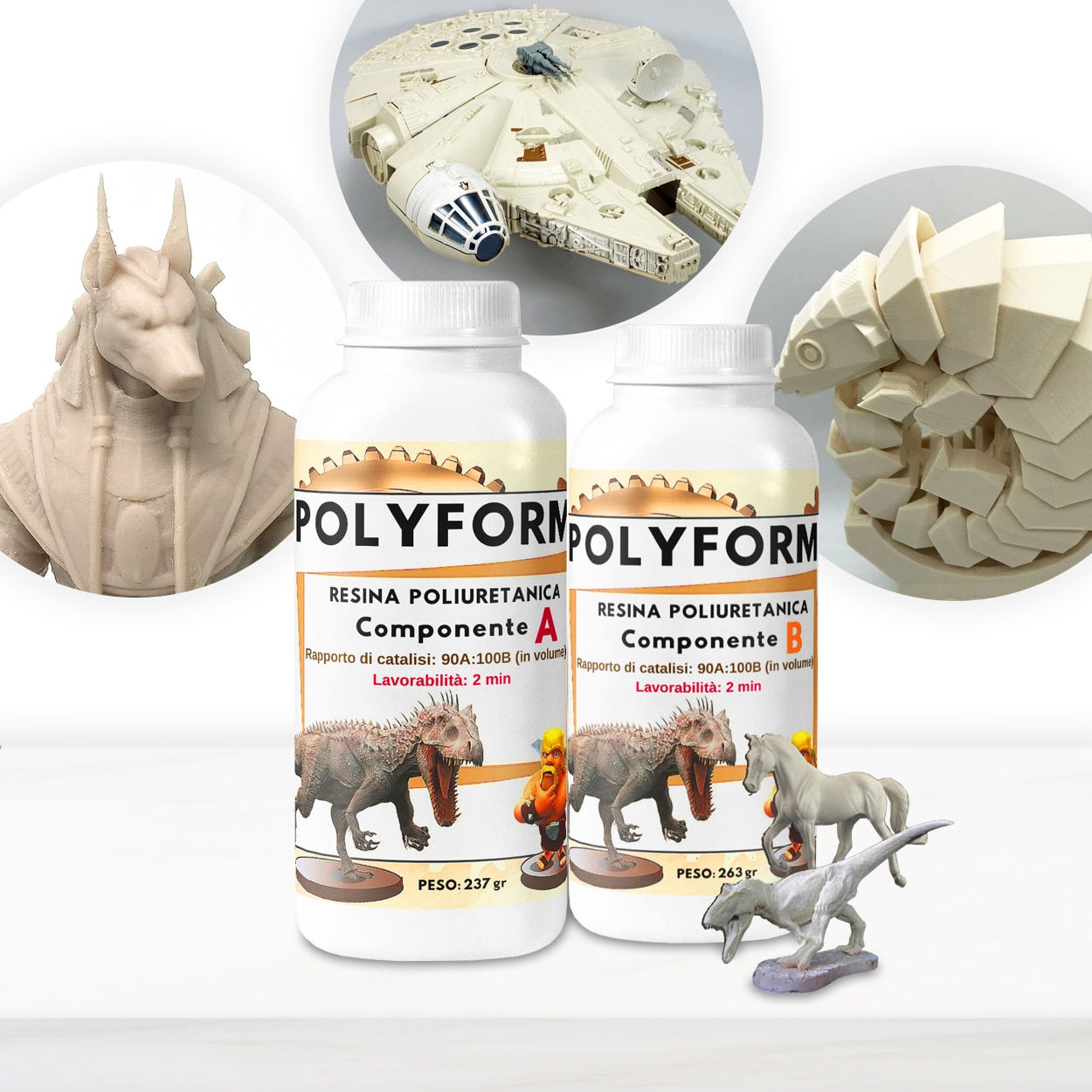
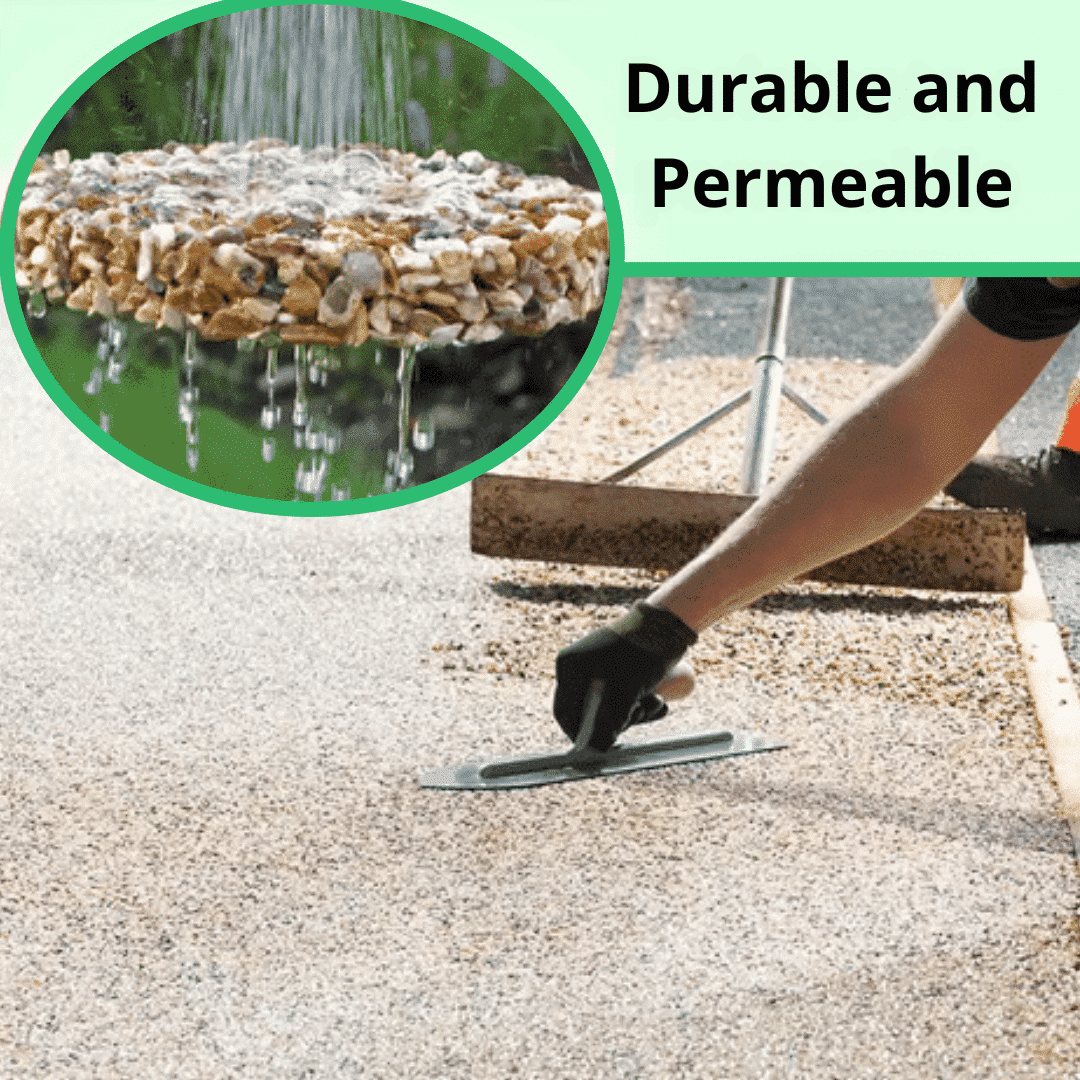
Urethane, or polyurethane, resins are valued for their versatility in casting, flooring, and prototyping. If you’re weighing up resin choices, understanding where polyurethanes excel can help ensure the best result for your project.
Where Are Polyurethane Resins Used?
Polyurethane resins stand out for their robustness and quick-setting properties, making them a popular choice in both professional and hobbyist projects. For example, Polyform polyurethane casting resin is frequently used for detailed moulding, rapid prototyping, and small batch production. It sets quickly and produces strong, detailed parts, making it invaluable in model making or when time is of the essence.
Choosing the Right Polyurethane Resin
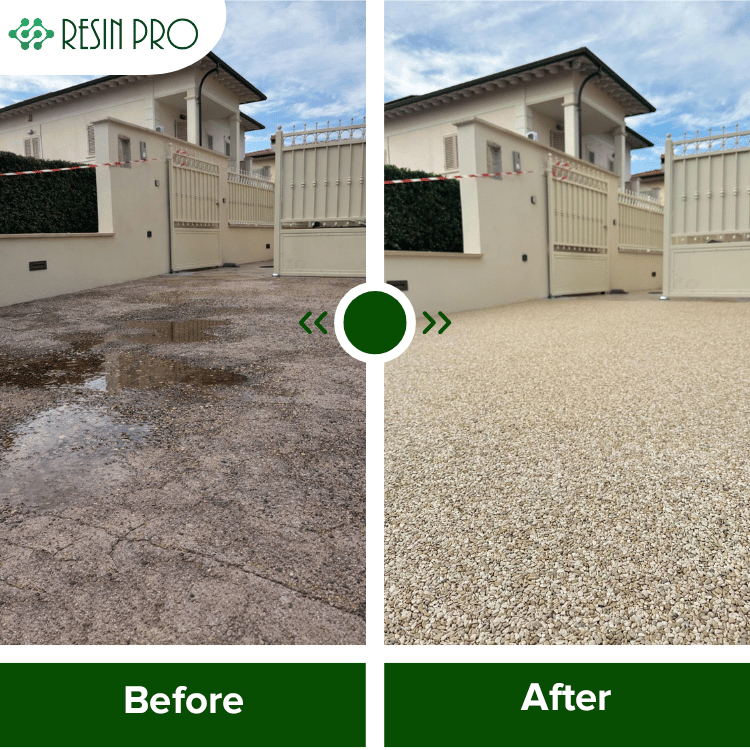
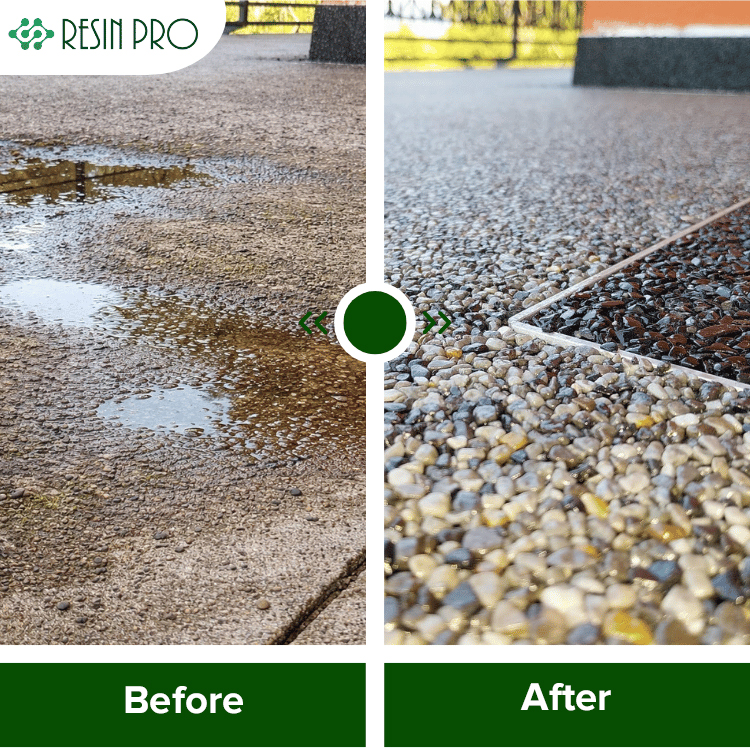
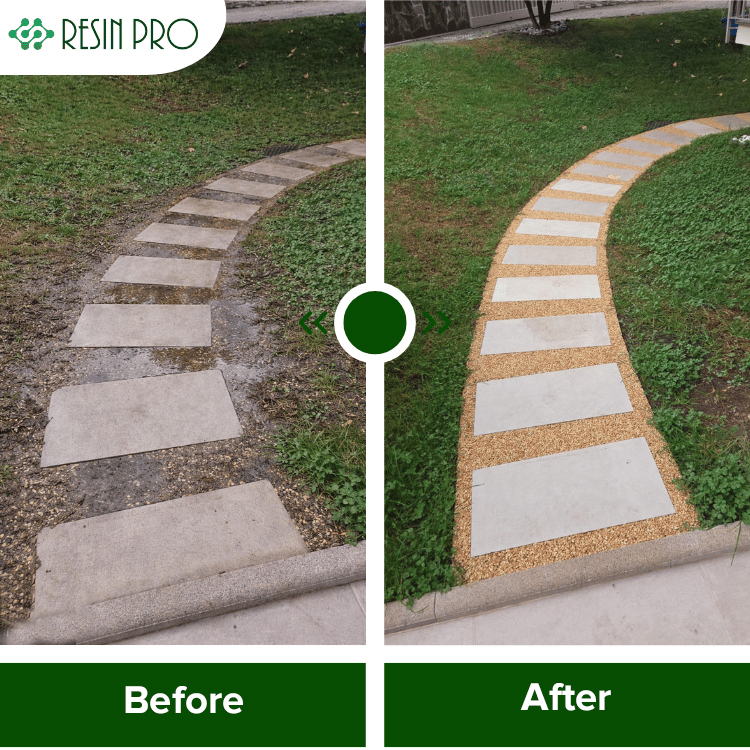
When selecting a urethane or polyurethane resin, first consider your project’s requirements. For fast, detailed casting, opt for formulations like Polyform: it cures rapidly (within 5 minutes) and is non-toxic once hardened. For permeable outdoor flooring featuring white or light-coloured aggregates, a non-yellowing polyurethane is best, such as the resin included in the Flowstone Complete Permeable Floor Kit. Always follow specific product guidance on mixing ratios, temperature range, and suitable applications for best performance.
When Polyurethane Matters Most
- Speed is a priority: Polyurethane resins are ideal for projects with tight timelines thanks to their fast curing properties.
- Wear resistance is crucial: Items requiring high durability—such as floorings or functional prototypes—benefit from polyurethane’s robust finish.
- Detailed casting: Their flow characteristics make them suitable for intricate silicone moulds and fine detail rendering.
Related products
Related guides
Whether you’re casting models or creating resilient outdoor flooring, understanding urethane (polyurethane) resins ensures you select the right material for the job. Explore further guidance on resin selection on our main page, Which resin should be used: epoxy, urethane, or polyurethane?