 Free shipping on orders over £29,85
  Shipping Tracking!


 Google
 Facebook
← Back to Which resin is best for creating model water?
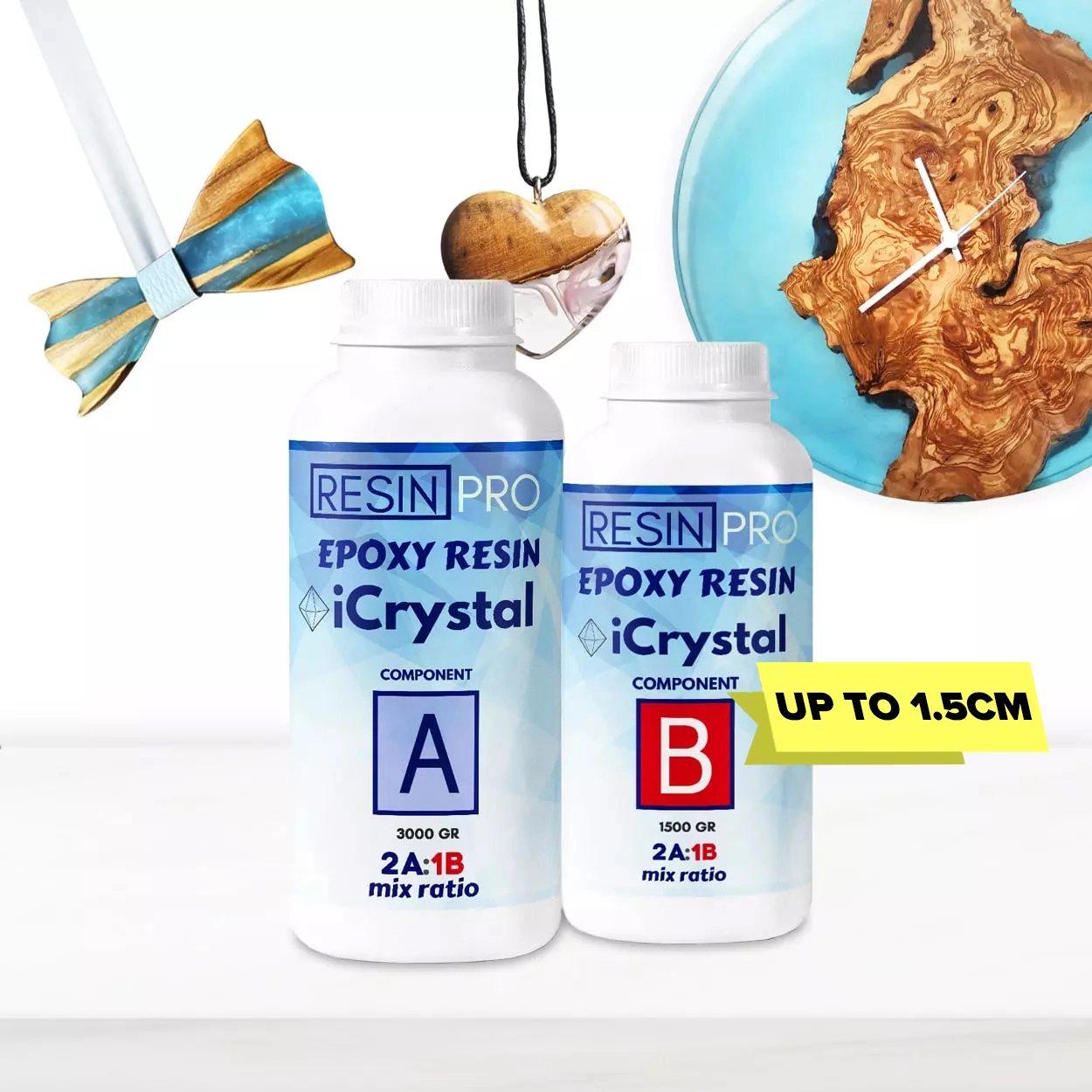
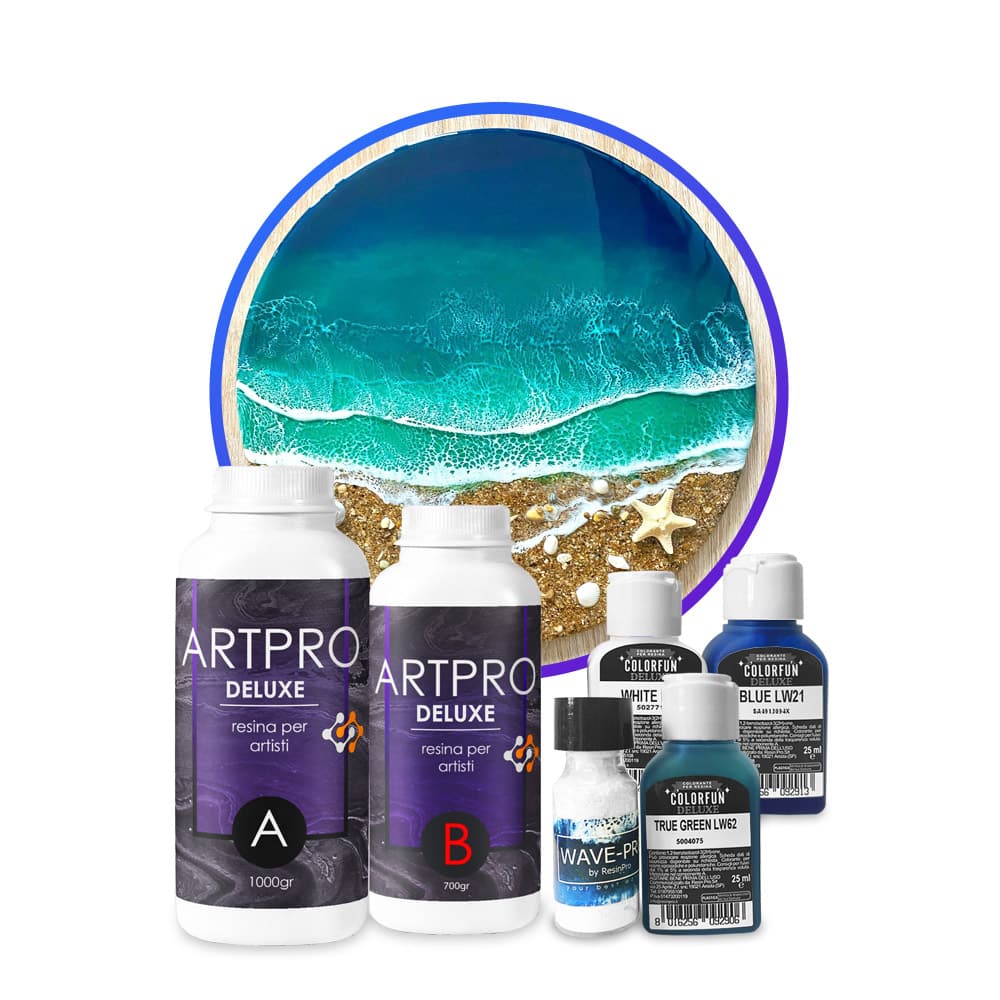
When crafting realistic water effects for models and dioramas, understanding the correct pour depth per layer of epoxy resin helps ensure clear, professional results without accidental overheating or trapped bubbles.
Typical Maximum Layer Depths for Model Water Resins
Most epoxy resins used for model water have a recommended maximum pour depth for each layer, often between 1cm and 2cm. For example, “Icrystal” clear epoxy resin supports up to 1.5cm per pour, making it ideal for standard water effects. Similarly, “Trasparente” resin can be applied up to 2cm thick in one go, which is suitable for deeper features or larger projects. Trying to pour thicker layers in one session can result in overheating, incomplete curing, or a cloudy, flawed surface.


How to Achieve Deeper Water Effects
If your design calls for a deeper water appearance, simply apply your resin in multiple thin layers, allowing each layer to cure fully before adding the next. This staged approach prevents excessive heat build-up and reduces the risk of bubbles or deformation. Always check the specific product instructions, as working times and layer thicknesses may vary. For very delicate work, such as creating water in miniature jewellery or detailed moulds, opt for a specialised low-viscosity resin like “Liquidissima”, which is designed for clear, thin layers up to 1cm.
When Maximum Pour Depth Matters Most
Strictly following the maximum pour depth is especially important when casting larger water features or embedding decorative elements below the surface. This guidance helps you achieve transparent, bubble-free finishes that enhance the realism of your model water scenes.

Related products
Related guides
By staying within the recommended pour depths, you’ll achieve clearer, more reliable results for your model water projects. For further guidance on selecting the right resin for your artistic vision, see our main guide on which resin is best for creating model water.