 Free shipping on orders over £29,85
  Shipping Tracking!


 Google
 Facebook
← Back to When does resin not harden?
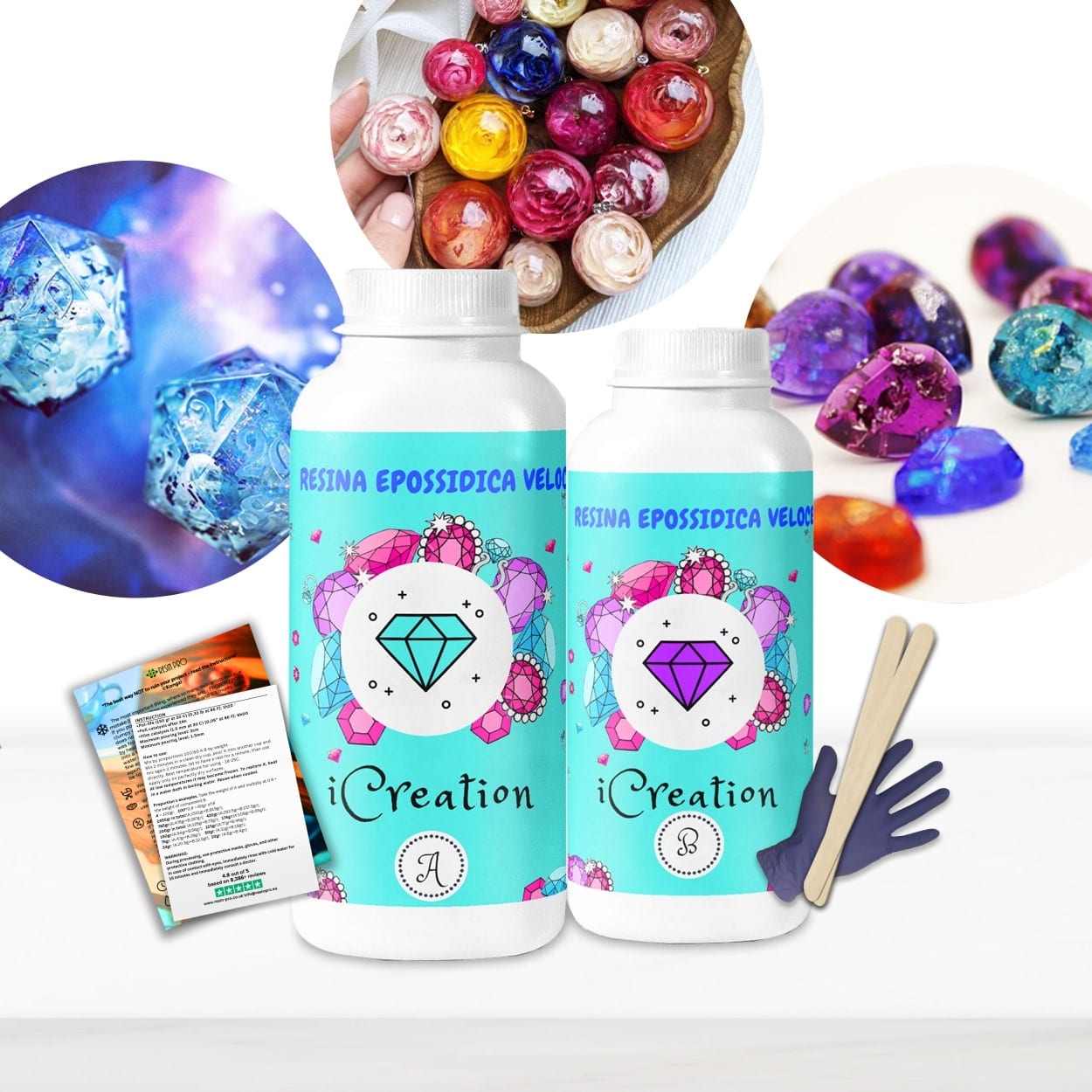

Working with resin becomes much simpler when you use a straightforward mixing ratio. An easy 2:1 (by weight) approach takes the guesswork out of preparation, making your crafting process more reliable and enjoyable.
What Does 2:1 Mixing Ratio Mean?
With a 2:1 resin mixing ratio, you combine two parts of resin with one part of hardener, usually by weight. This ratio is particularly common in many modern fast-curing resins and helps ensure consistent chemical reactions between the components for a strong, clear result.
Measuring by weight is essential, so it’s a good idea to use digital scales for accuracy. Pour the resin and hardener into a clean mixing cup following the measured proportions, and stir gently but thoroughly to avoid trapping air bubbles.

Why Choose a 2:1 System?
Using a 2:1 system offers several advantages for both beginners and experienced crafters:
- Reduced Mixing Errors: The clear ratio decreases the chances of under- or over-hardening.
- Reliable Results: An accurate mix is crucial for proper curing and clarity, especially in projects like jewellery and decorative crafts.
- Faster Curing: Many fast-drying epoxies, such as ICreation epoxy resin, use a 2:1 ratio to deliver a quick turnaround on small projects.
Practical Tips for Mixing and Curing
- Double-check the manufacturer’s instructions, as occasionally resins may require different methods (some use volume, others by weight).
- Mix for at least two minutes, ensuring you scrape the sides and bottom of the mixing container.
- Avoid mixing too vigorously to help minimise bubbles.
- Always use clean tools to prevent contamination, which can affect curing.

When This Matters Most
Accurately using a 2:1 mixing ratio is especially important in high-detail or quick-turnaround work, such as jewellery casting or decorative coatings, where incomplete mixing can cause tacky or soft spots.
Related products
Related guides
Simple mixing ratios like 2:1 can help prevent issues where resin doesn’t harden properly. Looking for more on reliable curing? Explore the full guide on when resin does not harden.