 Free shipping on orders over £29,85
  Shipping Tracking!


 Google
 Facebook
← Back to How much does resin for indoor flooring cost?


Epoxy primers are valued for their versatility, forming a critical foundation layer for various indoor flooring systems. But which surfaces truly benefit from an epoxy primer?
Suitable Substrates for Epoxy Primers
Epoxy primers are adapted to bond well to several types of indoor surfaces. Commonly, they can be used on:
- Concrete: Fresh or existing concrete floors benefit from a primer that enhances adhesion and durability.
- Screeds: Both traditional sand-cement and specialist screeds are suitable, provided they are fully cured and dry.
- Ceramic Tiles: With proper cleaning and optional etching, tiles offer a solid base for resin flooring systems.
- Timber: Wooden and engineered wood floors can be primed, as long as boards are stable and firmly fixed.
Key Considerations for Surface Preparation
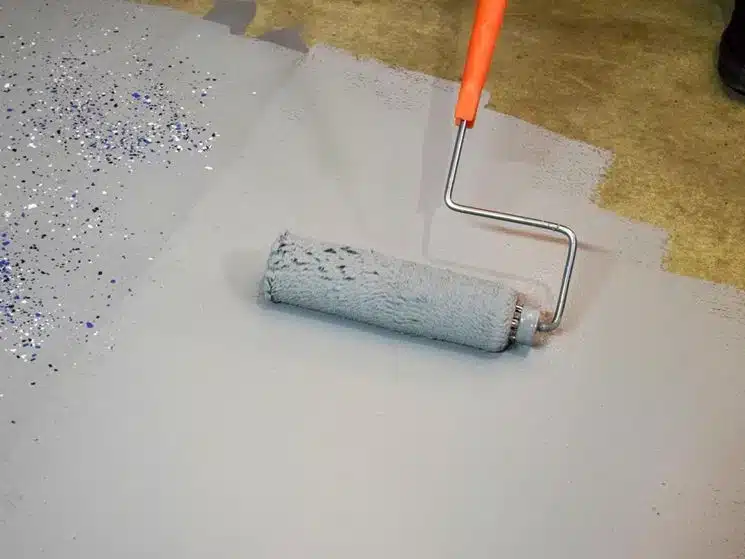
Preparation is vital to achieve a durable and attractive epoxy resin finish. Substrates should be clean, dry, and free from dust, oil, or loose materials. Uneven or porous floors may require additional attention, such as light sanding or filling. Using a water-based primer, like the Epoxyprimer, helps ensure strong adhesion and stability across a range of surfaces.
When to Prioritise Epoxy Priming
It is particularly important to use an epoxy primer on absorbent or unstable surfaces, such as older concrete or timber, to prevent future delamination and surface defects. Consistent priming leads to better coverage of the final resin coat and enhances longevity.

Related products
Related guides
Understanding the correct substrates for epoxy primers sets the stage for a successful indoor resin flooring project. For more information on flooring preparations and costs, visit our main guide on how much resin for indoor flooring costs.