 Free shipping on orders over £29,85
  Shipping Tracking!


 Google
 Facebook
← Back to How much does resin for indoor flooring cost?


Accurately working out how much resin you need for indoor flooring is essential to avoid costly mistakes and ensure a smooth, even finish. Here’s a straightforward method to help you get it right first time.
Step-by-Step Calculation for Resin Flooring
Begin by measuring the length and width of your flooring area in metres. Multiply these values to get the total surface area (m²). For example, a room 4m by 5m equals 20m². Next, consult the resin product’s technical data sheet to determine its coverage rate, usually provided in square metres per kilogram or per litre for a set thickness.
Simply divide the total surface area by the stated coverage. For example, if your resin covers 4m² per kg and your floor is 20m², you’ll need approximately 5kg. Adjust for your desired layer thickness if the product offers variable rates.
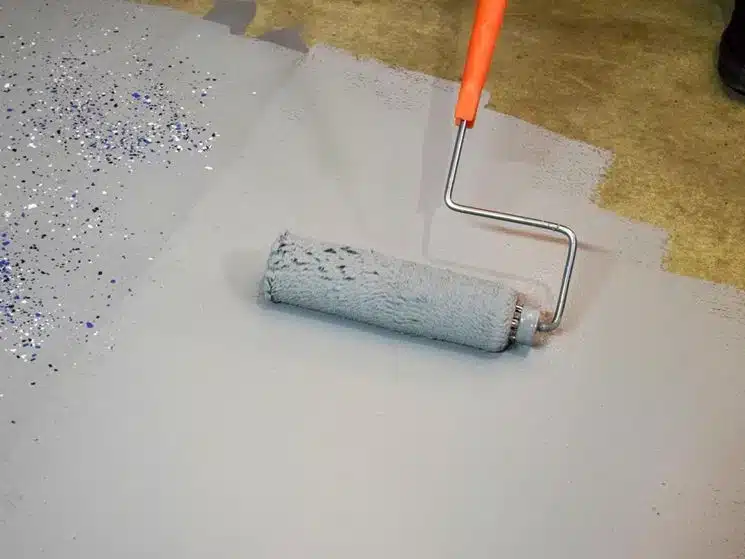
Considering Surface Type and Allowing for Margin
Surface porosity and texture directly affect resin usage. Absorbent substrates such as concrete or timber often require a greater quantity or a primer to prevent excess absorption. Always factor in a 10-15% margin for possible waste or the natural absorption of the surface, particularly if you’re working with older or highly porous material.
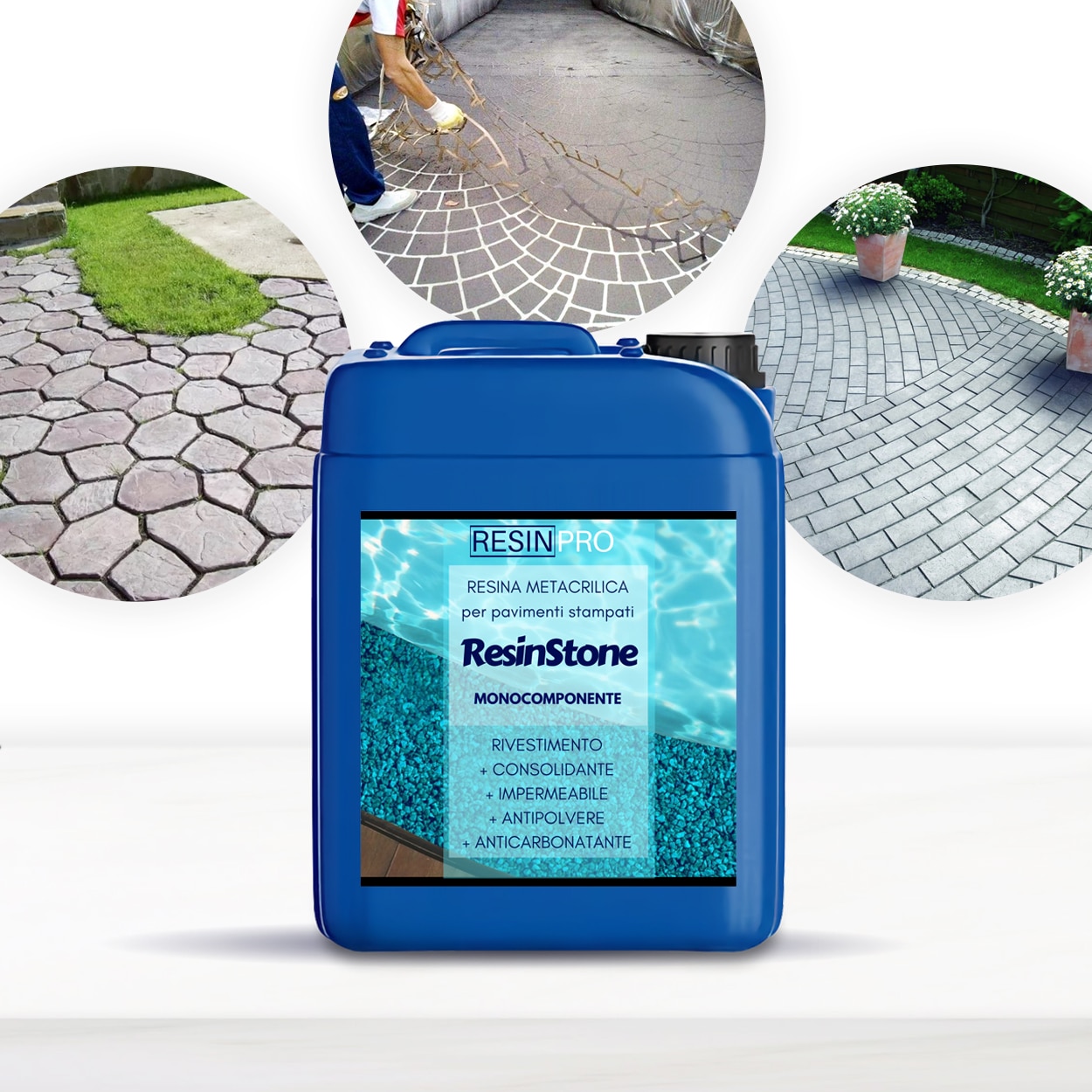
Applying a suitable primer, like the Epoxyprimer – Universal Water-Based Two-Component Epoxy Floor Primer, can promote adhesion and stabilise absorbent bases, reducing unpredictable resin loss.
When Getting the Calculation Right Matters
Accurate resin quantity calculations matter most when results must be seamless—such as in high-traffic areas or when using decorative finishes. Underestimating can leave you short mid-project, affecting the overall finish, while overestimating adds unnecessary expense.

Related products
Related guides
Carefully calculating your resin needs leads to a professional, trouble-free flooring result. For further costing tips and product options for indoor flooring, visit our main guide on resin flooring costs.