 Free shipping on orders over £29,85
  Shipping Tracking!


 Google
 Facebook
← Back to When is resin harvested?
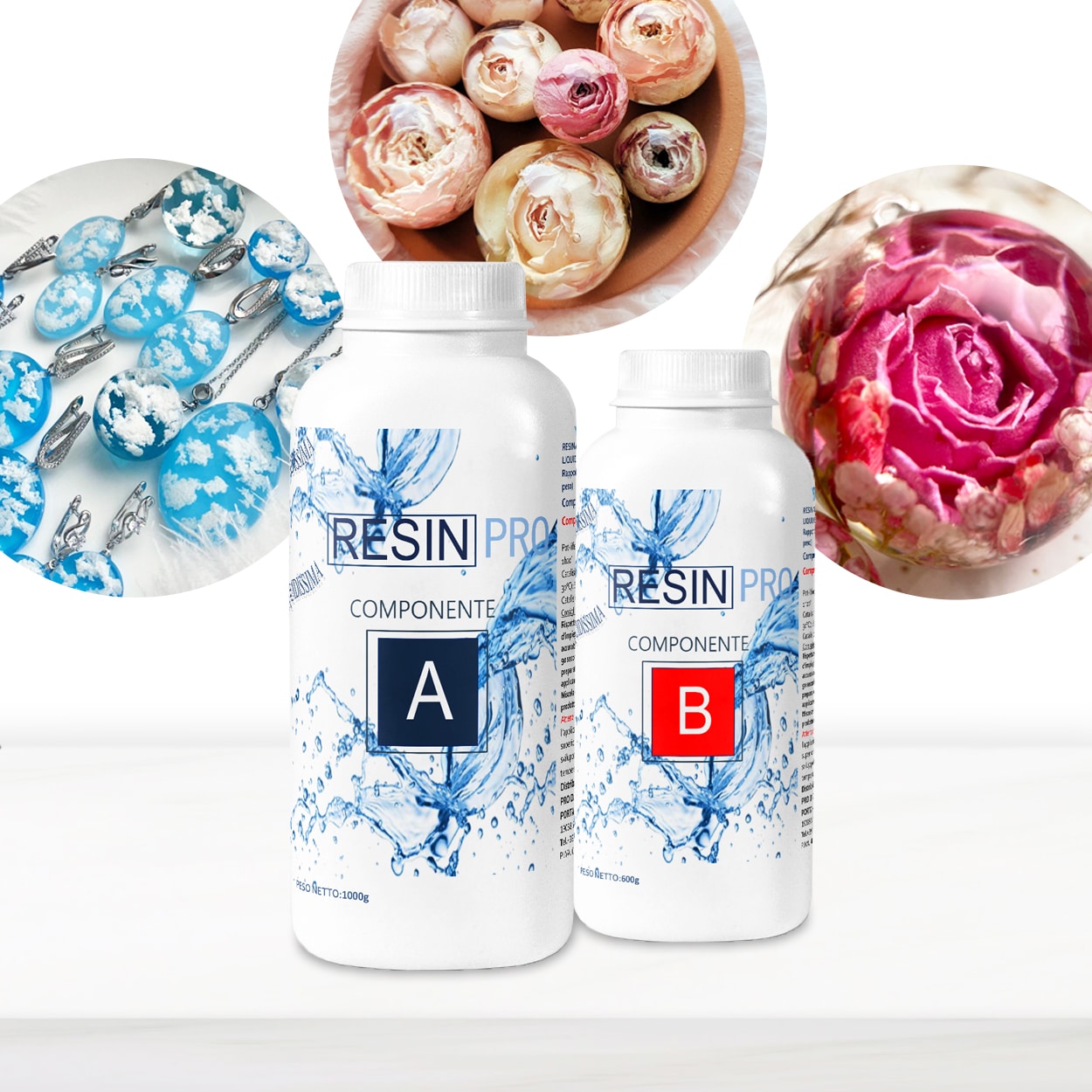
Knowing precisely when your epoxy resin piece is fully cured is vital for achieving flawless results and avoiding costly mishaps. Whether you are creating jewellery, casting art, or finishing a table, recognising the cure stage ensures a strong, lasting, and beautiful end product.
Key Signs of a Complete Epoxy Cure
Epoxy resin is considered fully cured when the surface is firm, dry, and no longer sticky or tacky to the touch. Most resins, such as Liquidissima for jewellery or Icrystal for coatings, require 24 to 72 hours under normal room conditions. Independent of the chosen brand, these general cues apply:
- Surface feels hard and completely dry
- No flexibility or softness when lightly pressed
- Shiny, clear finish with no cloudiness or wet spots
Practical Steps for Checking Your Epoxy
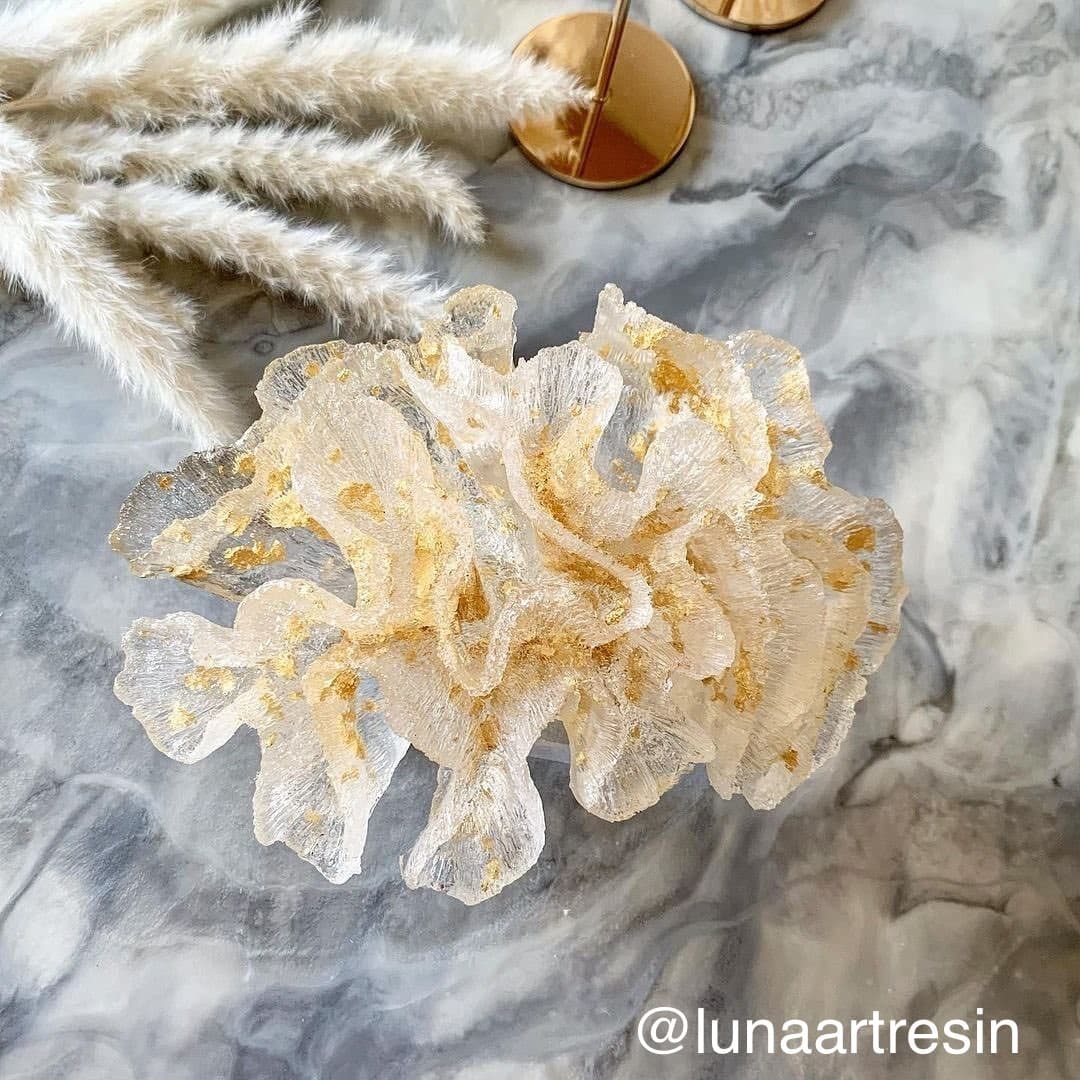
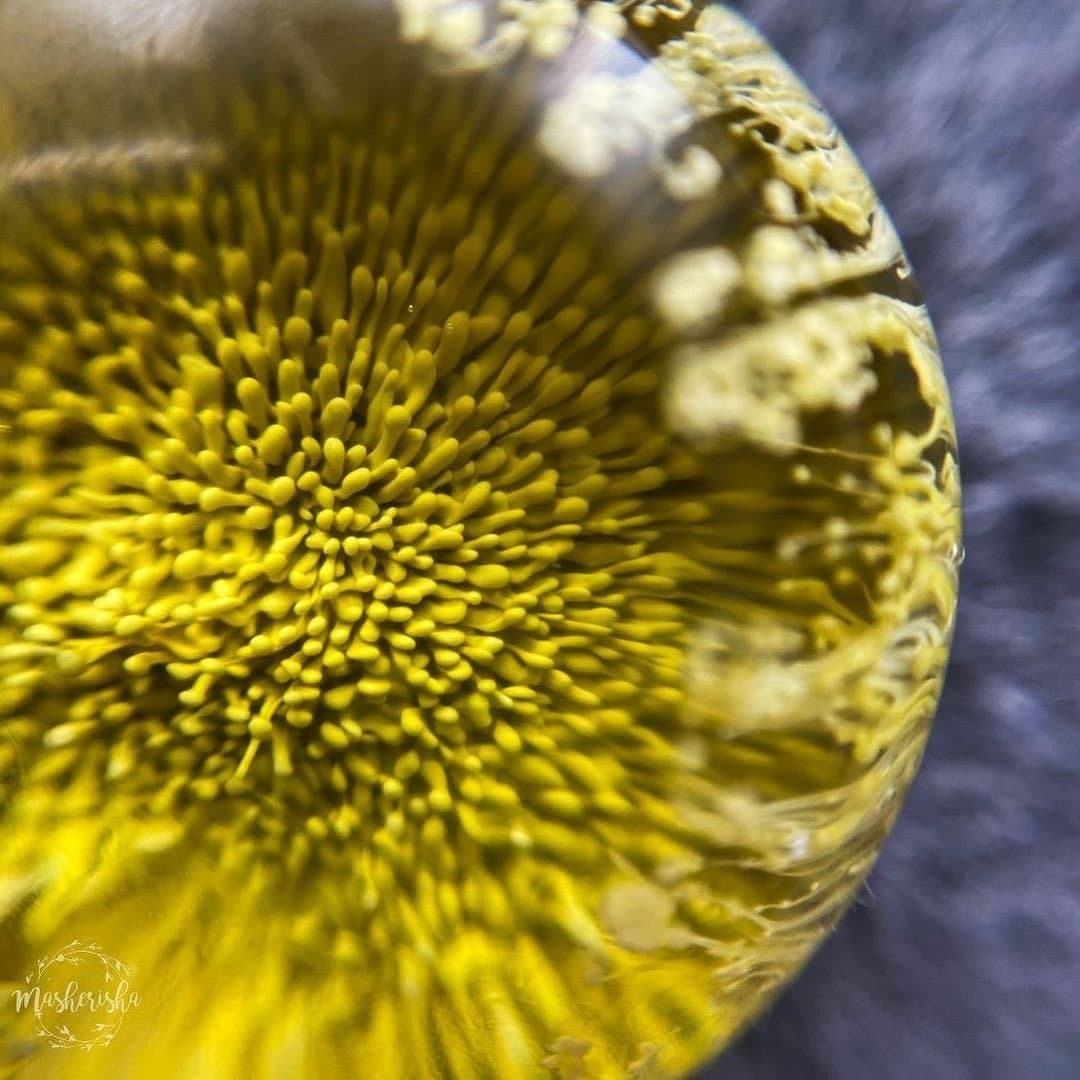
To check your project’s readiness, gently press the edge (or a hidden section) with a fingernail or gloved finger. If there is no imprint or stickiness, it is typically safe to demould or start finishing. For thicker pours or deep casting with products like Epoxytable 10-Ten, the core may take longer—give it more time before handling. Always follow the manufacturer’s guidelines and avoid rushing, as premature handling can lead to surface imperfections or internal weaknesses.
When This Matters Most
Complete curing is crucial for projects that require polishing, sanding, or exposure to moisture. Jewellery, tabletops, and outdoor applications demand fully set resin for best appearance and durability. Allow extra time if working in cool or humid conditions.

Related products
Related guides
Understanding resin curing is key to successful crafts, restoration, and artistic pieces. For more details about working with resin, visit the full guide on when resin is harvested and expert tips.