 Free shipping on orders over £29,85
  Shipping Tracking!


 Google
 Facebook
← Back to When should water softener resin be regenerated?
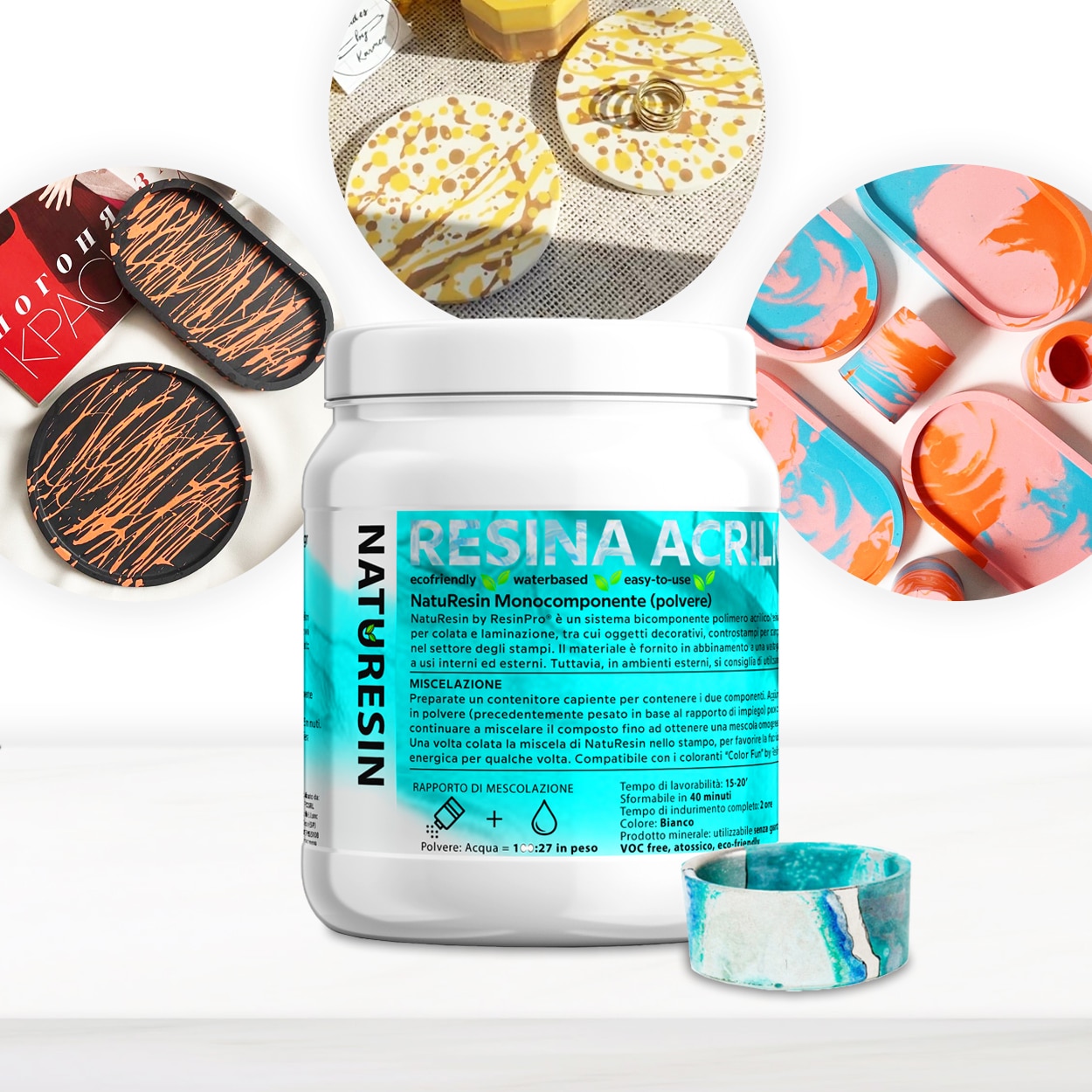
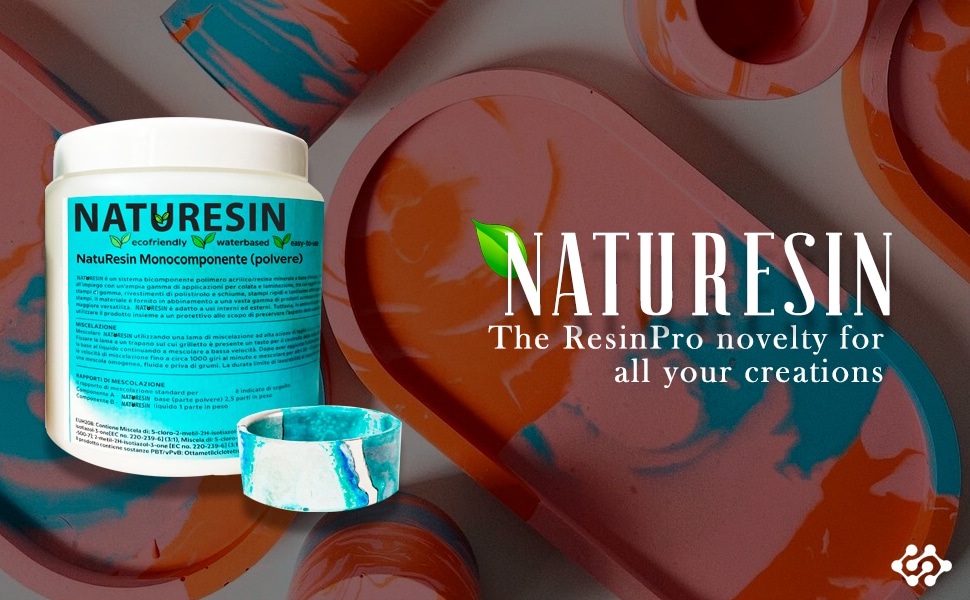
If you’re seeking sustainable ways to renew resin for your crafts or decorative projects, today’s market offers eco-friendly alternatives that simplify both creating and cleaning up.
What Makes a Resin Eco-Friendly?
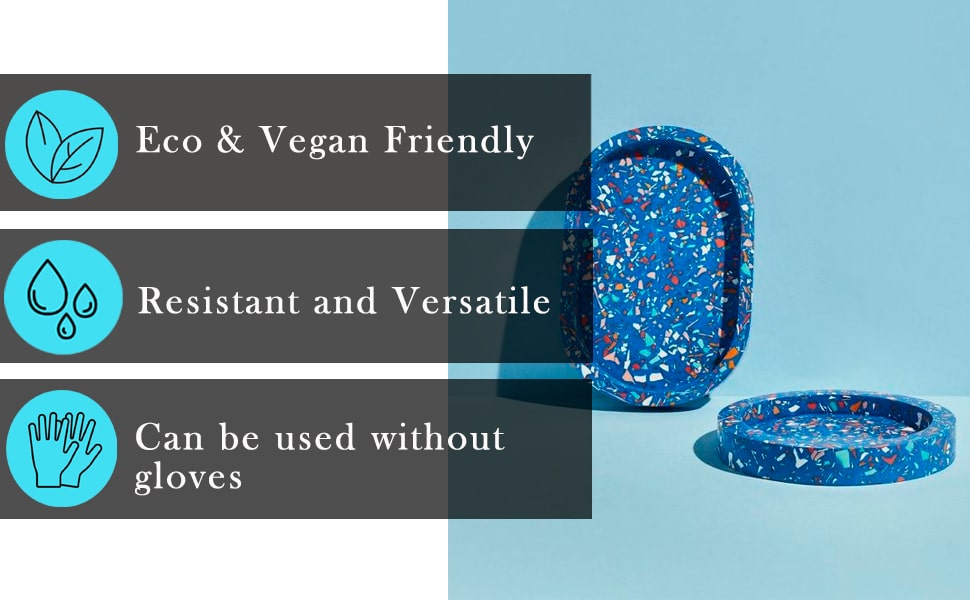
Eco-friendly resins, such as water-based mineral formulas, differ from traditional synthetic or solvent-based resins by using safer, low-impact ingredients. These resins are typically VOC-free and solvent-free, minimising fumes and reducing environmental burdens associated with production and disposal. For crafts, this means safer handling—often without the need for gloves—and easier clean-up with water rather than harsh chemicals.
Getting Started with Water-Based Resins
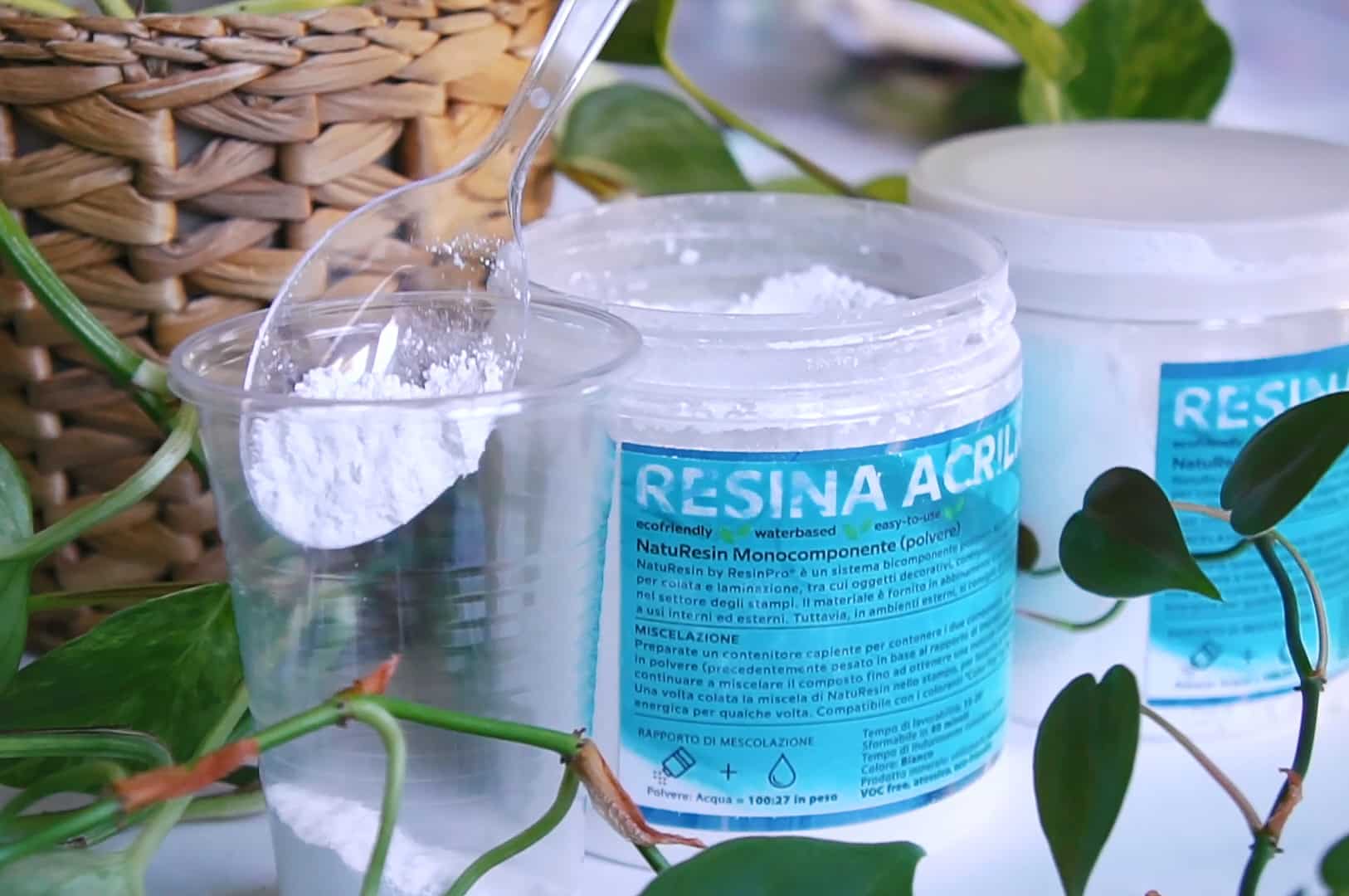
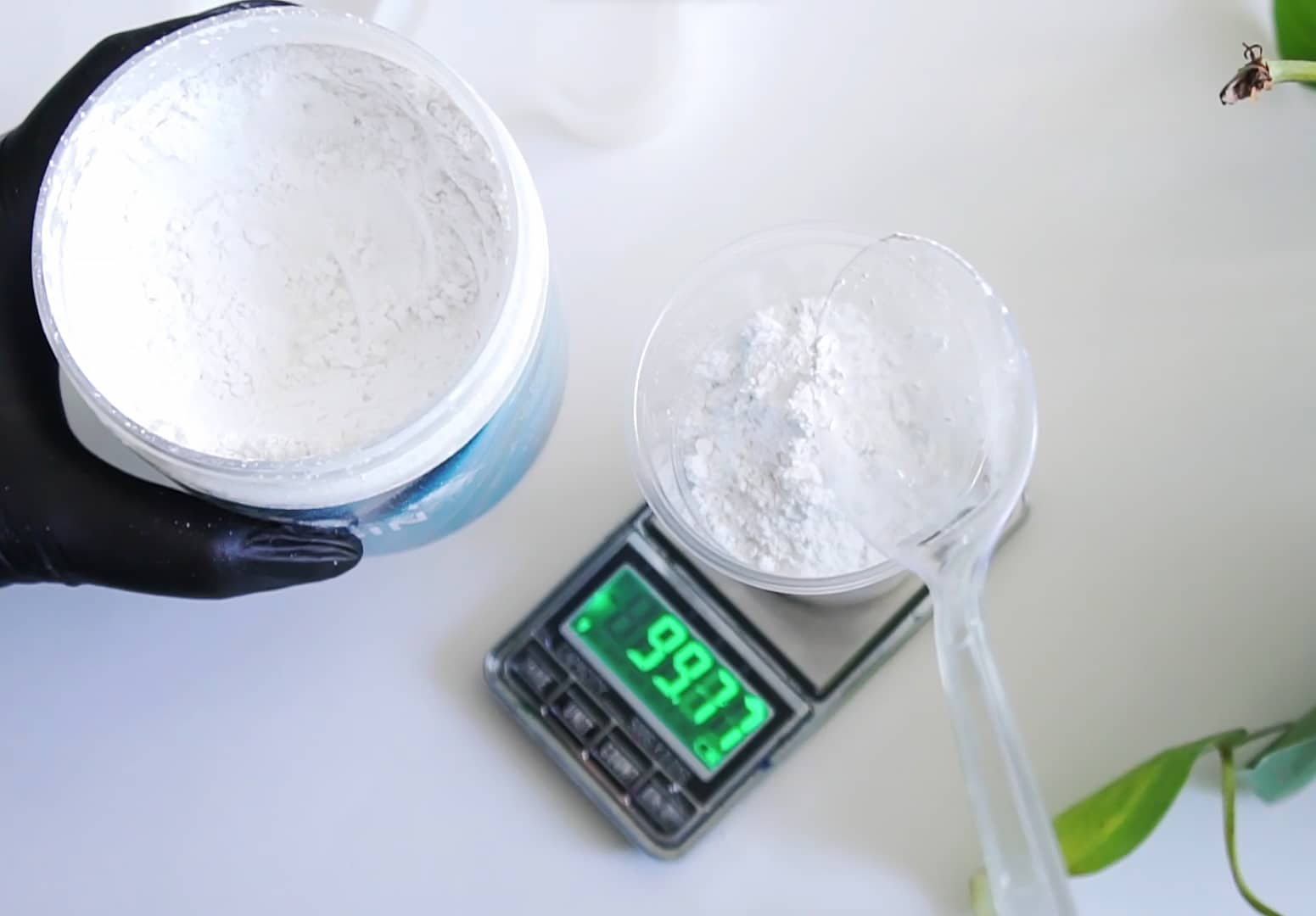
Products like NatuResin – Mineral Resin & Water System are designed for artists, hobbyists, and small-batch makers. To use, simply mix the mineral resin powder with water, pour into your silicone moulds, and allow to set. The hardened result offers a ceramic-like durability, suitable for both indoor and outdoor decorative items. You can further personalise finished pieces with pigments or paints after curing.
When This Matters: Choosing Eco Alternatives
If you are conscious about reducing your exposure to solvents or wish to lessen your project’s environmental impact, water-based resins are a wise choice. These alternatives are particularly ideal in home studios or around children, and when frequent crafting means safety and air quality are priorities.
Related products
Related guides
When considering resin renewal for craft or decorative uses, switching to water-based, eco-friendly options helps you create more safely and sustainably. Explore more on responsible resin use and related topics on our main FAQ about resin care and regeneration.