 Free shipping on orders over £29,85
  Shipping Tracking!


 Google
 Facebook
← Back to Why does resin form craters when applied?


Craters can spoil the look of resin tabletops, often caused by bubbles, improper application, or unsuitable resin types. Choosing the right resin is essential for a flawless finish, especially with deep pour table projects.
Why Resin Choice Affects Surface Finish
The type of epoxy resin significantly shapes your results when making tables. Deep pour epoxies, such as Epoxytable 10-Ten, are specifically formulated for thick applications. Their low viscosity and long working time help air bubbles escape, limiting the risk of surface craters.
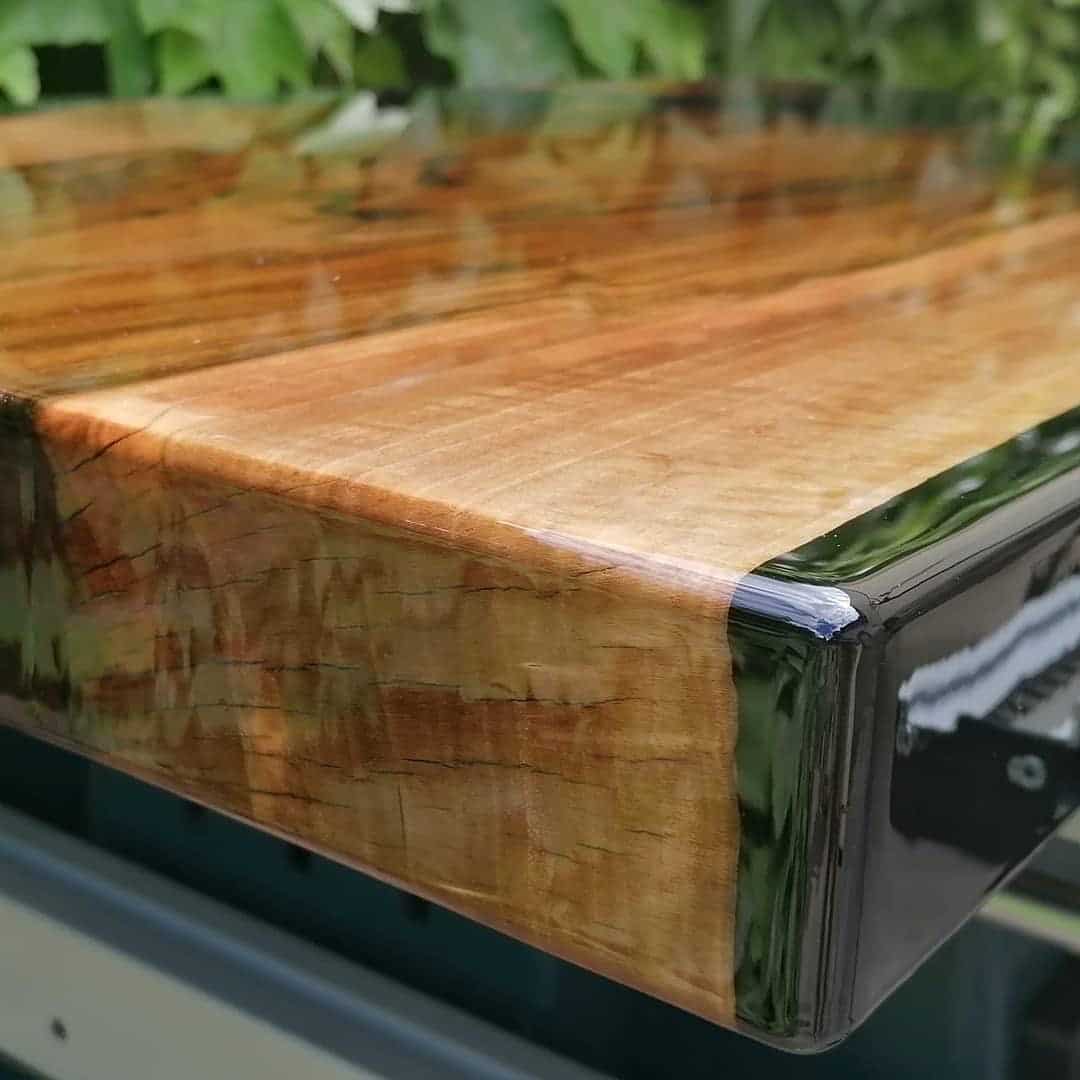

Best Practices for Smooth Table Castings
For tabletop pours up to 10cm, use a resin designed for deep or multi-layer casts. These resins reduce heat build-up and enable careful bubble removal. For pours up to 5cm, EpoxyTable 5-Five is a practical choice. Always pour in clean, dust-free conditions, and consider tools like isopropyl alcohol sprays to eliminate surface bubbles before the resin cures.
- Select a deep pour or bubble-resistant epoxy for thick projects.
- Mix slowly and thoroughly to avoid introducing excess air.
- After pouring, gently sweep the surface with a heat gun or alcohol spray to remove bubbles.
When This Matters Most
Avoiding craters is especially important for statement tables or river tables made with thick resin layers, where clarity and a smooth finish showcase the design. Using a dedicated deep pour resin is the safest way to achieve this.

Related products
Related guides
Selecting the appropriate resin is vital for professional-looking results. For more advice on flawless resin finishes and troubleshooting, explore our tips on why resin forms craters when applied.