 Free shipping on orders over £29,85
  Shipping Tracking!


 Google
 Facebook
Why does resin form craters when applied?
Discover the causes and solutions for cratered resin surfaces


Cratering, pitting, or ‘fish eyes’ can frustrate anyone working with epoxy or wood resins. This page explains why resins develop craters, how various choices affect the outcome, and which products or additives are ideal for creating flawless surfaces. Whether you cast tables, restore wood, or produce artwork, understanding the mechanics behind craters can guide you to the right materials and application methods.
Understanding Resin Craters and How Products Differ
Crater formation occurs when the self-levelling nature of resin is interrupted—by contamination, under-mixing, improper surface preparation, or unsuitable product selection. Key factors influencing this phenomenon include resin viscosity, pour thickness, substrate type, curing temperature, and additives used. Epoxy formulations differ greatly: deep pour resins offer extended open times and reduced exothermic reactions to avoid defects on thick applications, while surface or restoration resins are tailored for penetration, adhesion, and moisture tolerance. Proper cleaning agents remove oils or dust that might trigger micro-repellant zones and cause cratering. Choosing the best-matched resin product and preparation method is crucial for smooth, crater-free results.
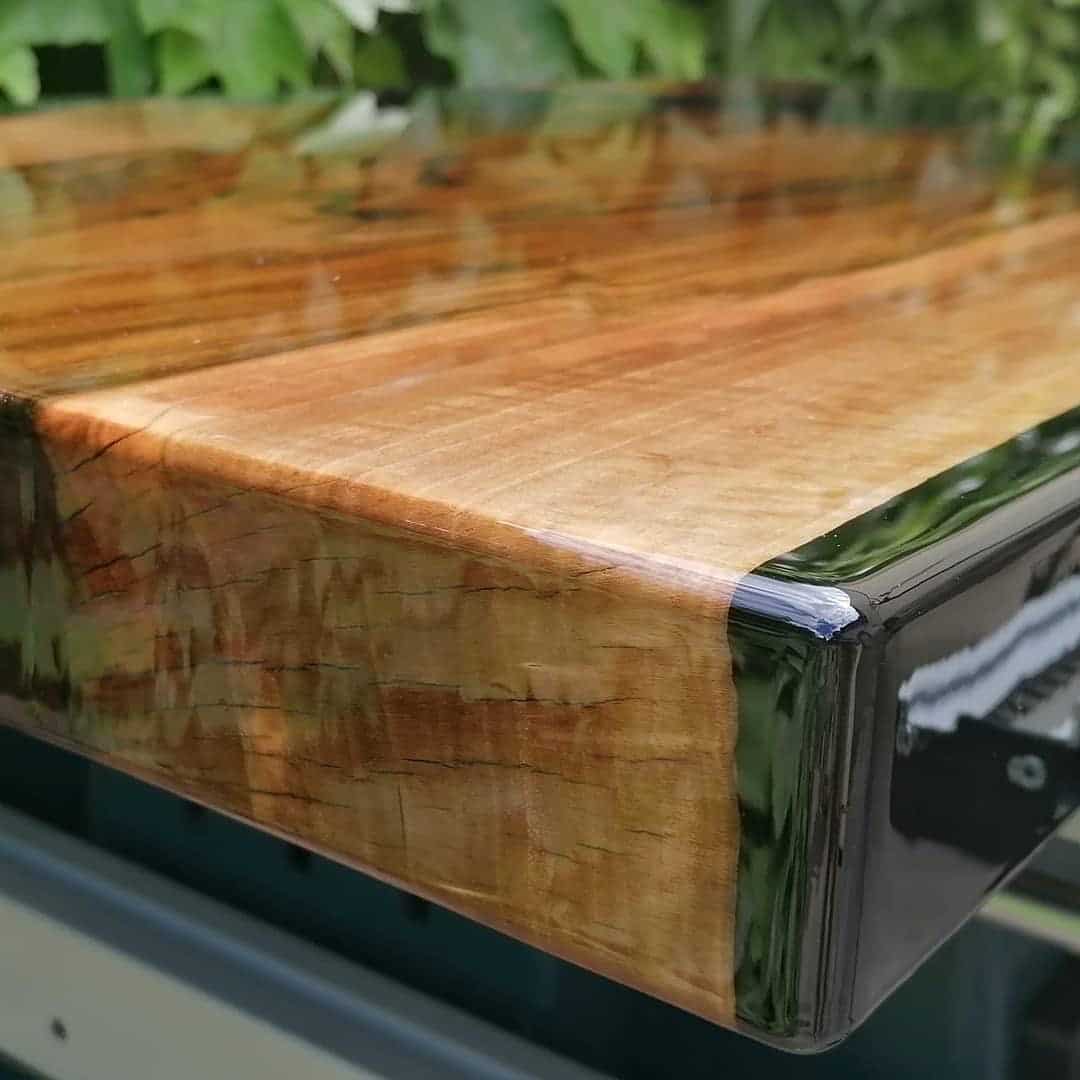
Visual Guide: Examples of Resin Craters and Smooth Finishes
See real-world visuals highlighting the difference between cratered and flawless resin surfaces. Surface preparation and the right resin selection can achieve a glassy, uniform finish without pitting.
Pure Isopropyl Alcohol 99.9% – 1000ml Bottle for Epoxy Resin Projects & DIY
Pure Isopropyl Alcohol 99.9% – 1000ml Bottle for Epoxy Resin Projects & DIY is an essential step in surface preparation and resin artistry. Its high purity leaves no residue, making it effective for degreasing and removing contaminants before resin application. It also plays a role in bubble elimination. Using isopropyl alcohol on your resin surface can break surface tension, allowing trapped air to escape and promoting an even finish. This reduces the risk of crater formation, which is often triggered by lingering oils or dust.
“Epoxytable 10-Ten” – Deep Pour Epoxy Resin for Tables, Up to 10cm Casting
If you’re pouring thick resin for river tables or substantial artistic works, “Epoxytable 10-Ten” – Deep Pour Epoxy Resin for Tables, Up to 10cm Casting is optimised for clarity and anti-cratering. Its super low viscosity ensures that bubbles escape more easily, producing a bubble-free, glass-like finish even in thick pours. The slow exothermic reaction releases heat gradually, preventing local overheating that could cause the resin to pull away and create craters. This makes it excellent for complex or high-volume resin work.
“EpoxyTable 5-Five” – Deep Pour Epoxy Resin for Tables and Large Projects – Up to 5cm
For medium-depth projects such as dining tables and countertops, “EpoxyTable 5-Five” – Deep Pour Epoxy Resin for Tables and Large Projects – Up to 5cm provides similar anti-crater properties in pours up to 5cm. Low viscosity and careful processing ensure surface inclusions or pockmarks are minimised, yielding a flawless surface. It provides a long working time for even mixing and settling, which reduces trapped air that could morph into surface imperfections or shallow craters when cured.
“EpoxyWood” – Wood Restoration Epoxy Resin for Deep Penetration and Waterproofing
Wooden projects present their own challenges due to grain, absorbency, and hidden oils. “EpoxyWood” – Wood Restoration Epoxy Resin for Deep Penetration and Waterproofing is custom formulated to soak into wood fibres, binding from within rather than forming only a surface layer. This prevents moisture or contaminants from resisting the resin and causing craters. The preparation instructions recommend a dry, sanded surface, highlighting how essential substrate readiness is for avoiding pitting or uneven resin behaviour.
How to Achieve Smooth Resin Surfaces Without Craters
Low viscosity and careful processing prevent craters: Always use the correct viscosity product for your project’s depth and material. Pour in the recommended thickness to allow self-levelling while avoiding excessive heat build-up. Preparation and resin selection matter most: Sand and degrease surfaces thoroughly—water, oils, or dust always increase the risk of cratering. Tools like pure isopropyl alcohol are invaluable for final cleaning and can help disperse micro-bubbles. Correct products reduce craters and bubbles: The longer working time and controlled curing of deep pour epoxies are key advantages for table and casting projects, while wood resins with deep penetration maintain smoothness even when applied to porous surfaces.
Expert Advice: Preventing Craters in Every Pour
Prevention is in your hands: Clean all surfaces, use low-viscosity resin, and pour in the recommended thickness for your project. Isopropyl alcohol is highly effective for last-step degreasing prior to resin application.

- Pure Isopropyl Alcohol 99.9% – 1000ml Bottle for Epoxy Resin Projects & DIYPrice range: £10.45 through £20.95Pure Isopropyl Alcohol 99.9% is suitable for epoxy resin projects and helps remove bubbles and create effects.
- “Epoxytable 10-Ten” – Deep Pour Epoxy Resin for Tables, Up to 10cm CastingPrice range: £35.95 through £351.95“Epoxytable 10-Ten” is suitable for deep pour resin projects such as tables up to 10cm thick, providing low viscosity and UV resistance.
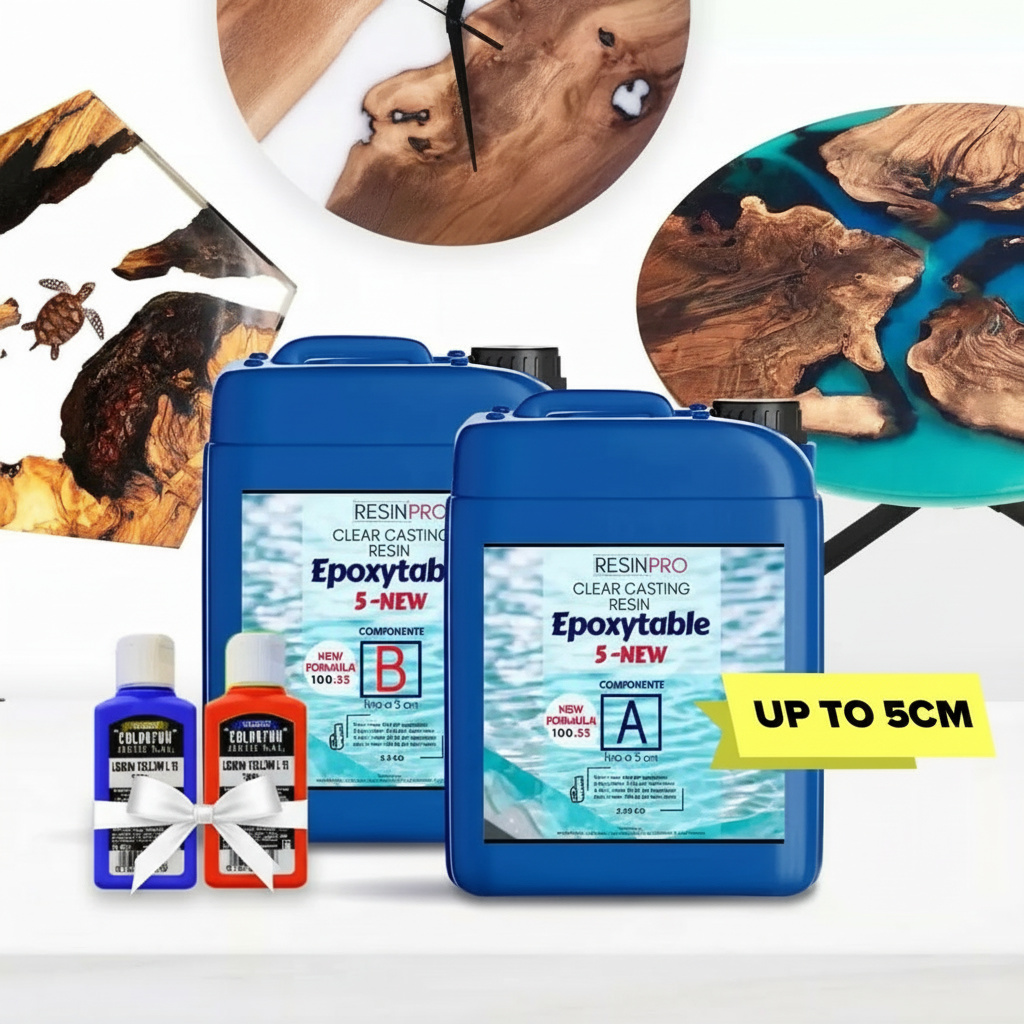 "EpoxyTable 5-Five" – Deep Pour Epoxy Resin for Tables and Large Projects – Up to 5cmPrice range: £17.95 through £1,154.95EpoxyTable 5-Five is designed for deep pouring up to 5 cm, suitable for tables and large artistic projects.
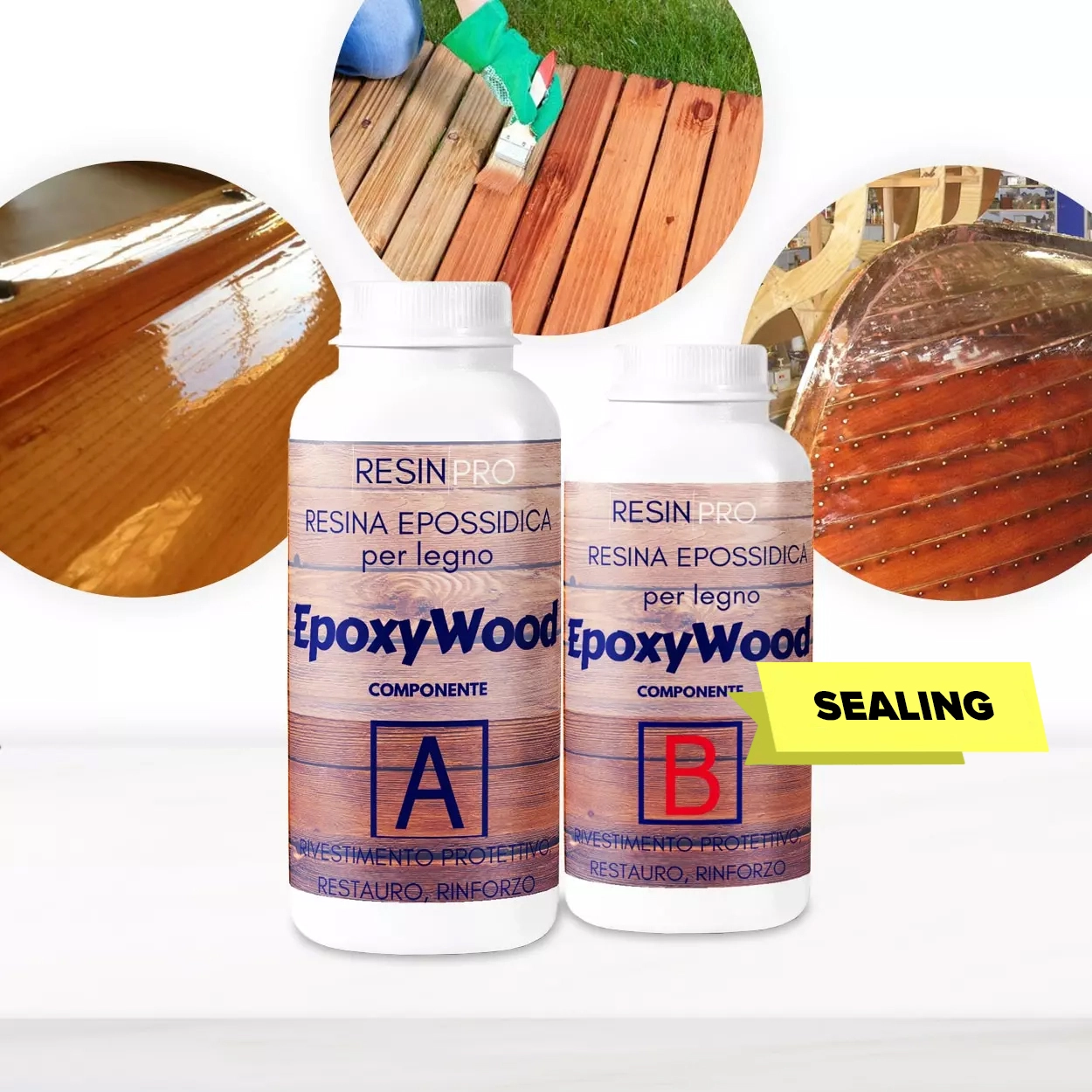 "EpoxyWood" – Wood Restoration Epoxy Resin for Deep Penetration and WaterproofingPrice range: £27.95 through £41.95"EpoxyWood" is designed for wood restoration with deep penetration and waterproofing, suitable for the theme exploring resin surface effects.
Frequently Asked Questions
How do I prevent craters in epoxy artwork?
Ensure surfaces are dust- and oil-free, choose a low-viscosity resin, and use isopropyl alcohol for final cleaning or bubble release.
What resin type is best for avoiding craters in tables?
Deep pour epoxies like 'Epoxytable 10-Ten' offer extended working time and low viscosity to help prevent craters in thick applications.
Why do craters appear on wood after resin application?
Cratering on wood often results from moisture or oils in the substrate. Sanding and full drying are essential before resin use.
Are there additives to help eliminate resin craters?
Pure isopropyl alcohol helps in surface cleaning and bubble removal, reducing craters but should be used sparingly and safely.
Should I use 5cm or 10cm pour resin to prevent craters?
Use the resin formulated for your intended thickness: thicker pours need slow-curing, low-exotherm resins to stay bubble and crater-free.
How does preparation affect cratering?
Proper sanding, dust removal, and degreasing are the best defences against defects when coating wood or other surfaces with resin.
Can I fix resin craters after curing?
Yes, sand down the cratered area and recoat with a compatible resin layer. Surface cleaning is key before reapplication.