 Free shipping on orders over £29,85
  Shipping Tracking!


 Google
 Facebook
← Back to How long does resin without catalyst take to dry?
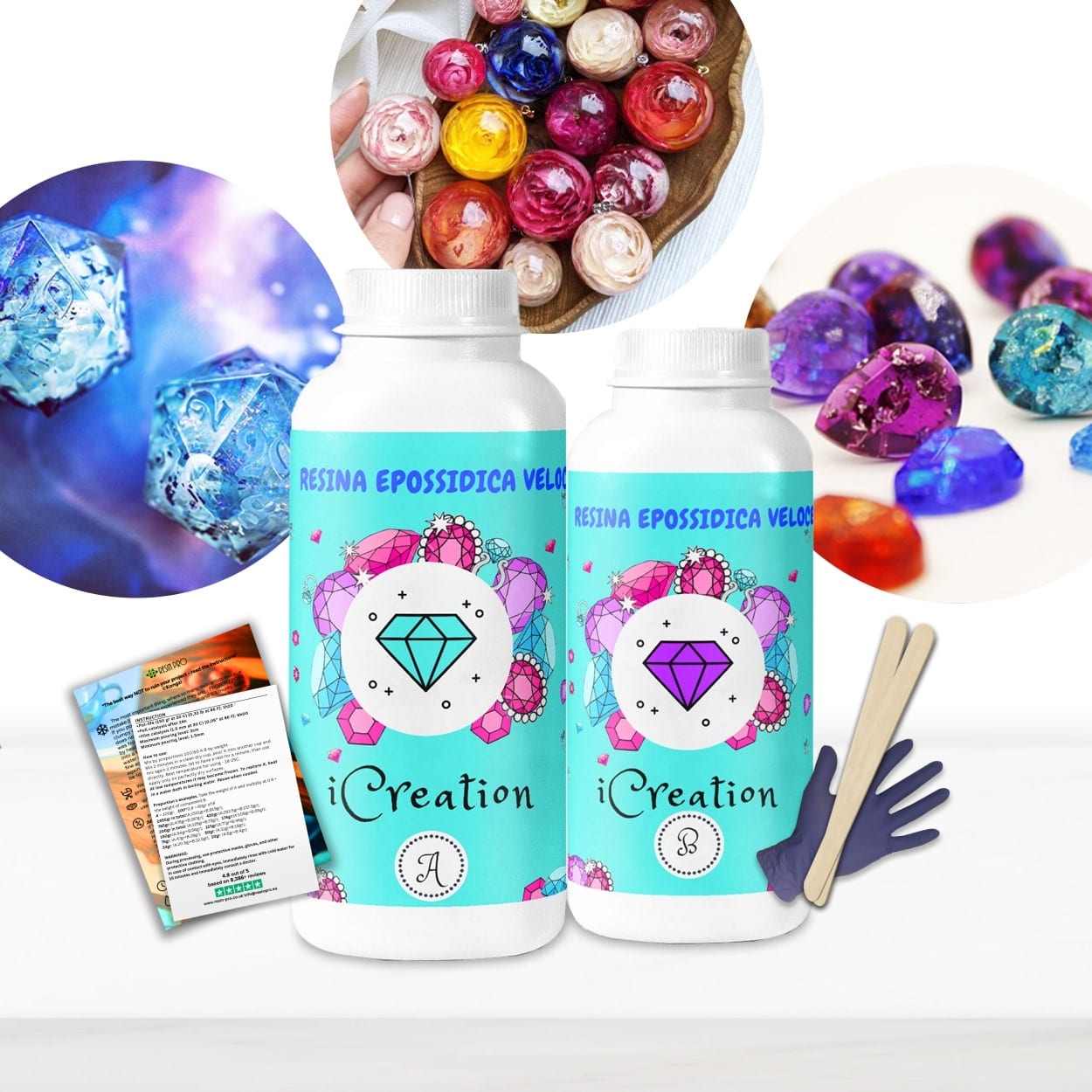
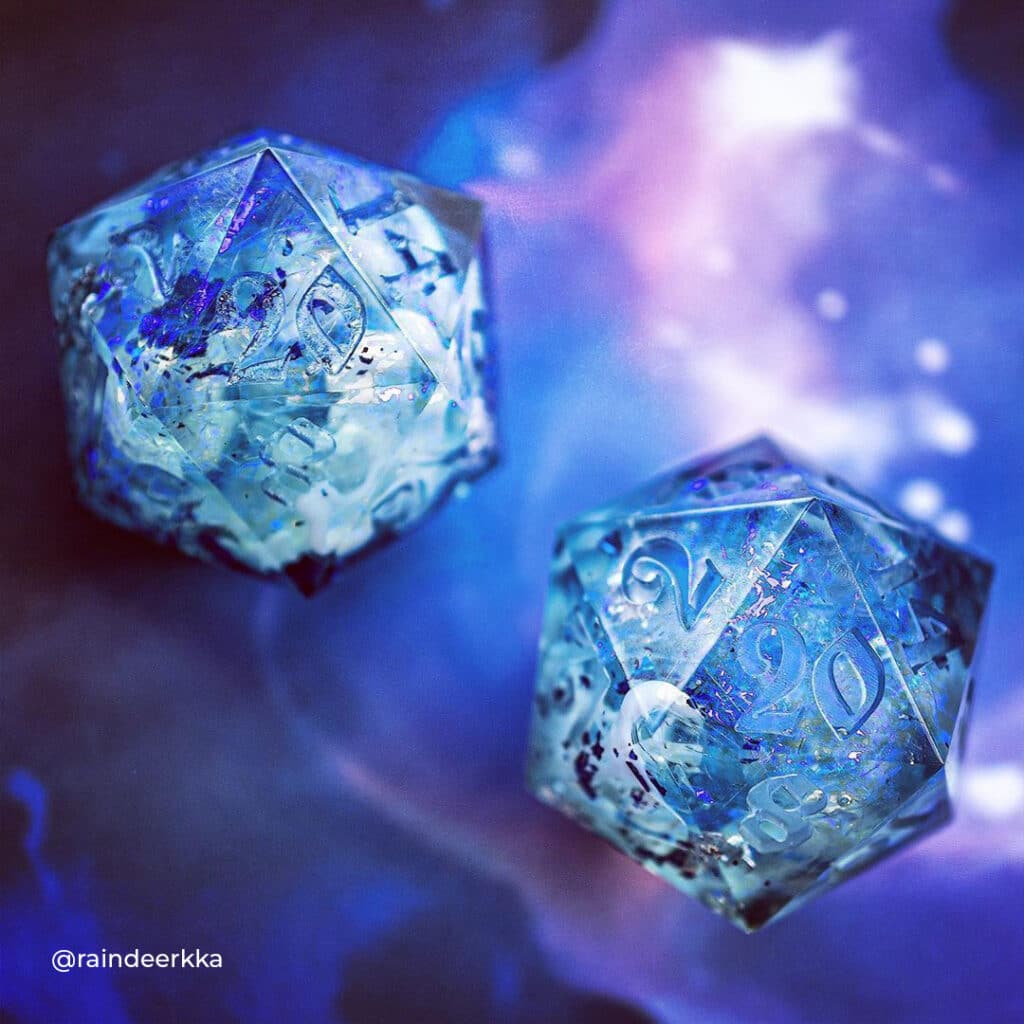
Getting the right balance of resin and catalyst is fundamental for achieving a successful finish. Using the wrong mix ratio can lead to results that compromise both the look and durability of your project.
Common Issues Caused by Incorrect Mixing
If the catalyst is not measured accurately, the resin may not cure as intended. Too little catalyst leaves your resin tacky, soft, or even partially liquid. Excess catalyst can cause rapid hardening with brittleness or uneven finishes, and may introduce surface imperfections. In every case, the end result will lack the reliable strength and appearance expected from a correctly cured resin piece.

How to Measure Resin and Catalyst Accurately
Always follow the manufacturer’s suggested ratios and use dedicated mixing tools for precision. For instance, the ICreation Fast Epoxy Resin uses a simple 2:1 ratio, making it easier to get right every time. Take care to measure both components by weight or volume as directed—eye-balling measurements can easily introduce errors. Attention at this stage saves disappointment later!
When Getting the Ratio Right Matters Most
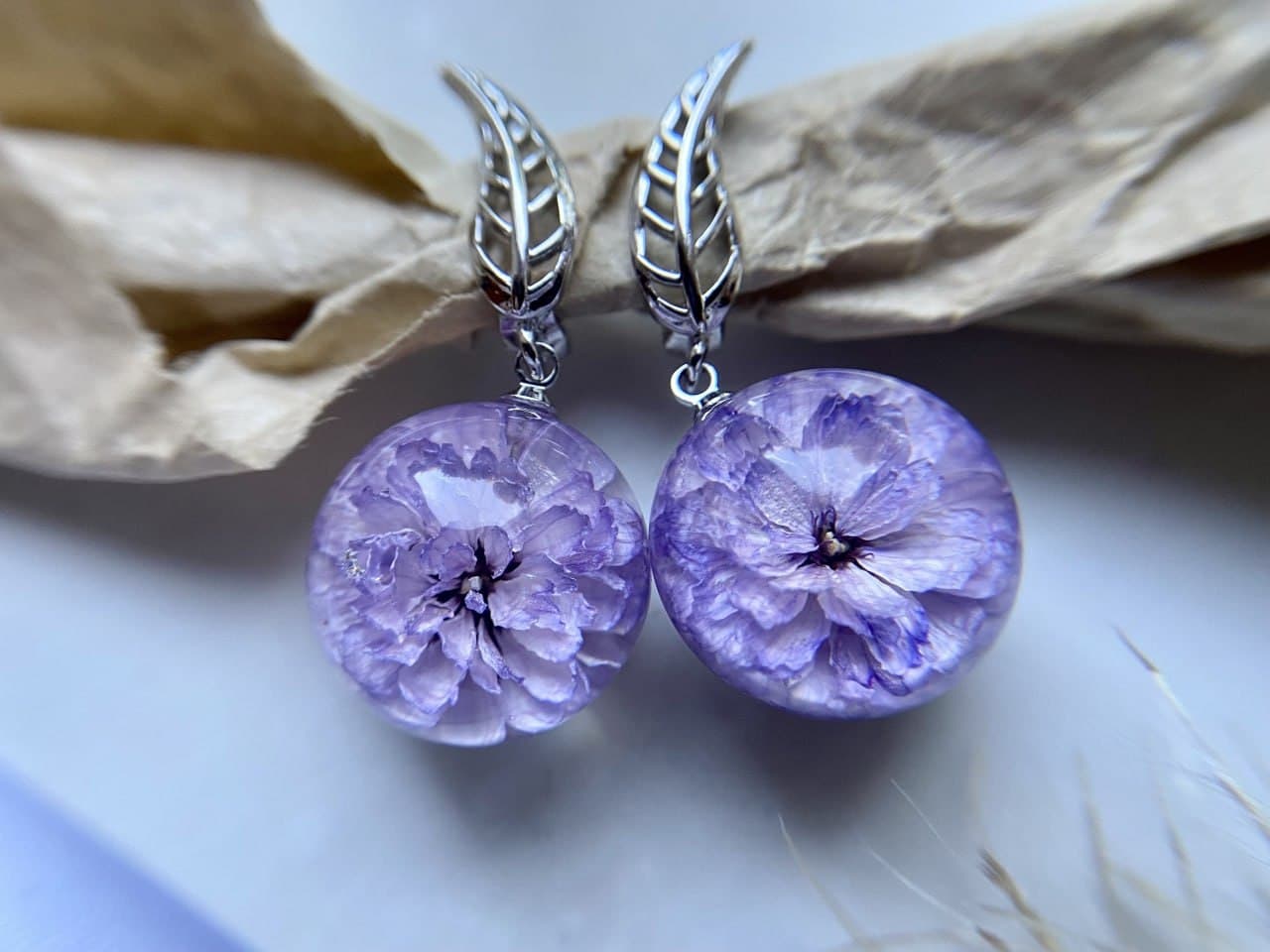
- Detailed jewellery making, where a flawless, glassy finish is critical
- Art and casting projects needing long-term clarity and strength
- Functional items where durability and a proper cure are truly important
Choosing a resin designed for easy, reliable mixing—such as Liquidissima for jewellery—can help, especially when precision really counts.

Related products
Related guides
Using the correct resin to catalyst ratio is the foundation for a resilient and attractive result. For more guidance on successful resin curing and troubleshooting, see our main hub: How long does resin without catalyst take to dry?