 Free shipping on orders over £29,85
  Shipping Tracking!


 Google
 Facebook
← Back to How long does resin without catalyst take to dry?
Discovering your resin project is sticky and never cures is frustrating—especially if you realise you forgot the catalyst. Can anything be done to rescue the piece, or is it a lost cause?
Understanding Why Resin Needs Catalyst
Resin systems, such as epoxy, require a catalyst (often called ‘hardener’) to begin the chemical reaction that enables the mixture to set and cure. Without this critical component, the resin will remain soft, tacky or sticky indefinitely—no amount of waiting will turn it solid.
Can Sticky Resin Be Fixed?
Unfortunately, resin without the necessary catalyst cannot be saved by adding more hardener to the surface or by applying heat. The essential chemical reaction never began, so the mixture will never properly cure, no matter what you try. Attempting quick fixes such as spraying sealants or recoating without removing the sticky layer will likely result in further issues down the line.
Best Practices for Your Next Project
- Start fresh: Remove and dispose of the uncured resin safely before recoating.
- Plan in advance: Carefully measure and mix both parts—always follow the exact ratios provided by the manufacturer.
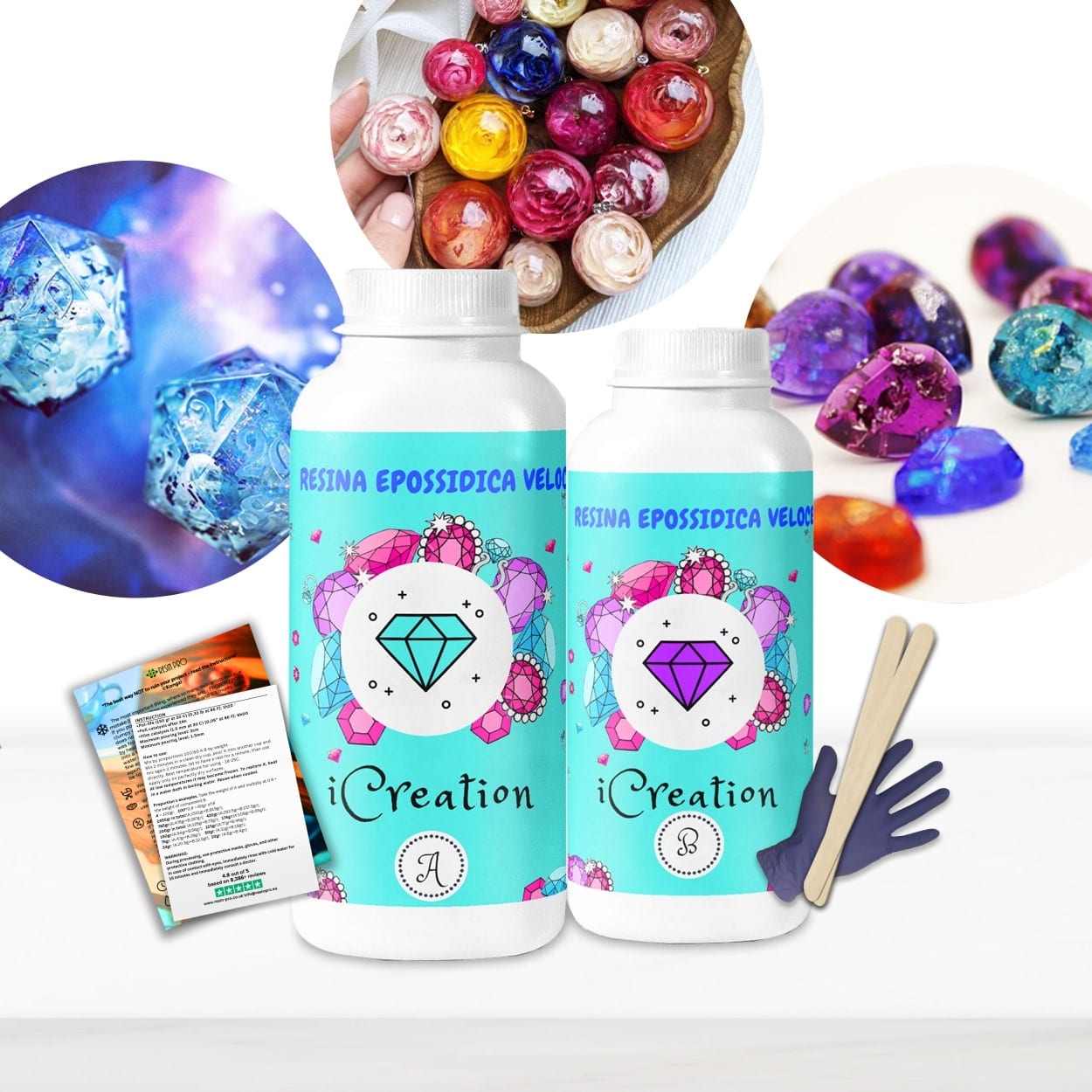
- Choose a reliable resin: Consider products with clear mixing instructions, such as “ICreation” – Fast Epoxy Resin, 6h Demoulding, Transparent Gloss Finish, which offers a simple 2:1 mix and rapid curing for fewer mistakes.
When This Matters
For artists, DIY makers, and crafters, forgetting the catalyst can mean losing hours of creative effort and wasting costly materials. Always double-check your mixing process before you begin to save time and resources.
Related products
Related guides
While it’s disappointing to lose a sticky resin project, a little care in preparation can make all the difference on your next attempt. For more insights on curing times and making resin set perfectly, visit our main guide on what happens if resin is used without catalyst.