 Free shipping on orders over £29,85
  Shipping Tracking!


 Google
 Facebook
← Back to How much resin should be in the silos of the purifiers?

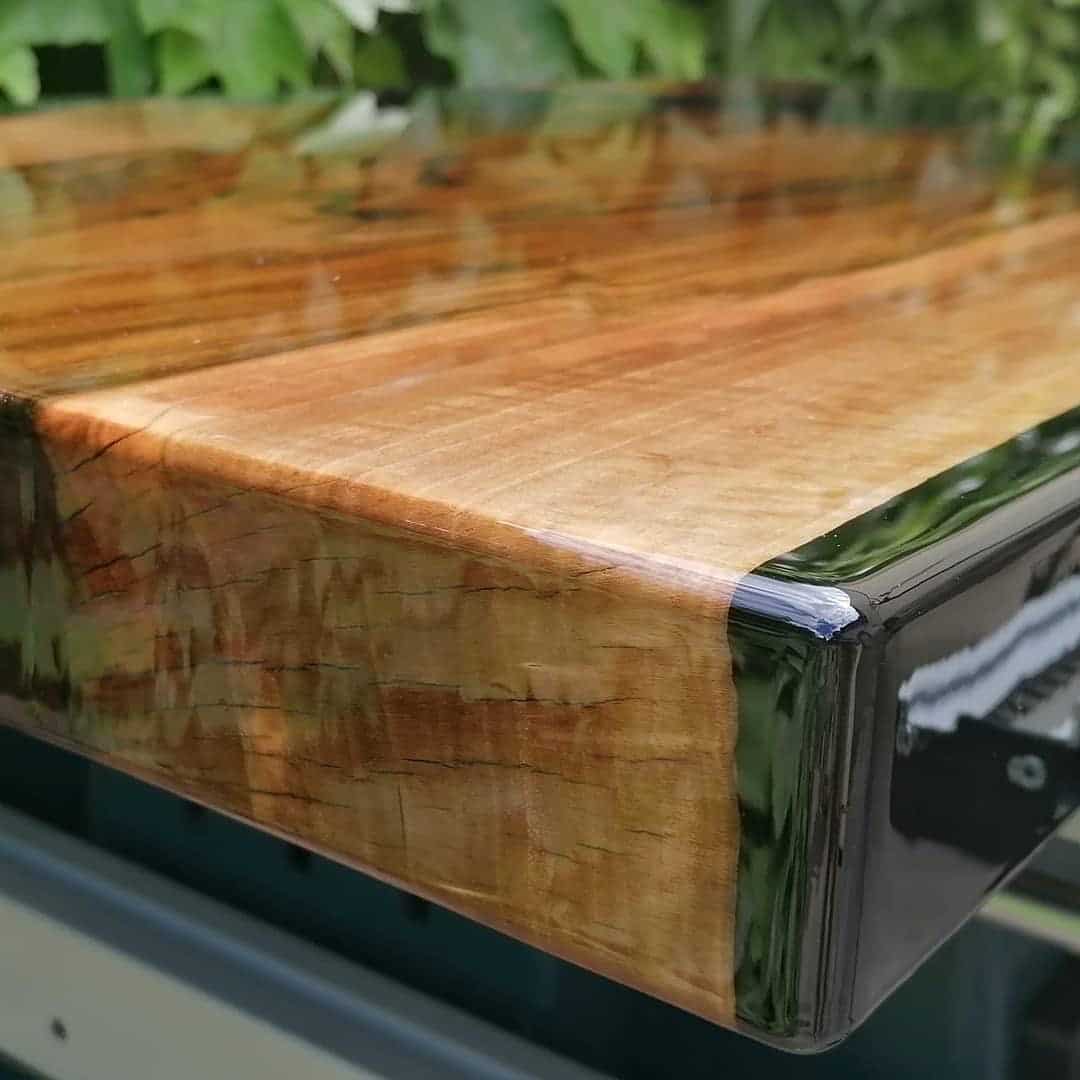
Choosing the right resin for silo applications is essential, especially when considering factors like durability, clarity, and cure speed. Here, we’ll explore the fundamental differences between epoxy and polyurethane resins—two popular options, each suited to specific needs in silos and purifiers.
Characteristics of Epoxy Resins in Silos
Epoxy resins are valued for their strength and ability to create clear, deep or medium-thick castings. Their slow-curing profile makes them ideal for larger volumes where careful, bubble-free casting is desirable. Products like Epoxytable 10-Ten excel when high clarity and controlled curing are paramount, as often required in silos handling substantial resin quantities.
- Recommended for deep pours up to 10cm in one go
- Helps maintain transparency and strength in bulk applications
- Often chosen where resin flow in equipment must remain stable over time


Benefits of Polyurethane Resins
Polyurethane resins, in contrast, are known for their fast setting time. This makes them well-suited to rapid prototyping or operational processes where quick turnaround is essential. Their high fluidity captures intricate detail, but they may not be ideal for thick, clear pours in silos that require transparency comparable to epoxy.
- Cure in as little as 30 minutes for efficient swaps or prototyping
- Best for applications needing quick changes and high detail reproduction
- Provide a durable, paintable finish after curing
When Does the Choice Matter?
If the application demands clarity and long-term flow within the silo—such as in large purifier units—epoxy is preferred. However, for smaller, fast-paced jobs where resin needs to be replaced or modified swiftly, polyurethane has clear advantages.

Related products
Related guides
Selecting between epoxy and polyurethane for silo use depends on your desired balance of durability, clarity, and speed. For more detail on managing resin volumes in purifiers and optimal application techniques, see our main guide on how much resin should be in the silos of the purifiers.