 Free shipping on orders over £29,85
  Shipping Tracking!


 Google
 Facebook
How much resin should be in the silos of the purifiers?
Selecting the right resin volume and type for effective purification

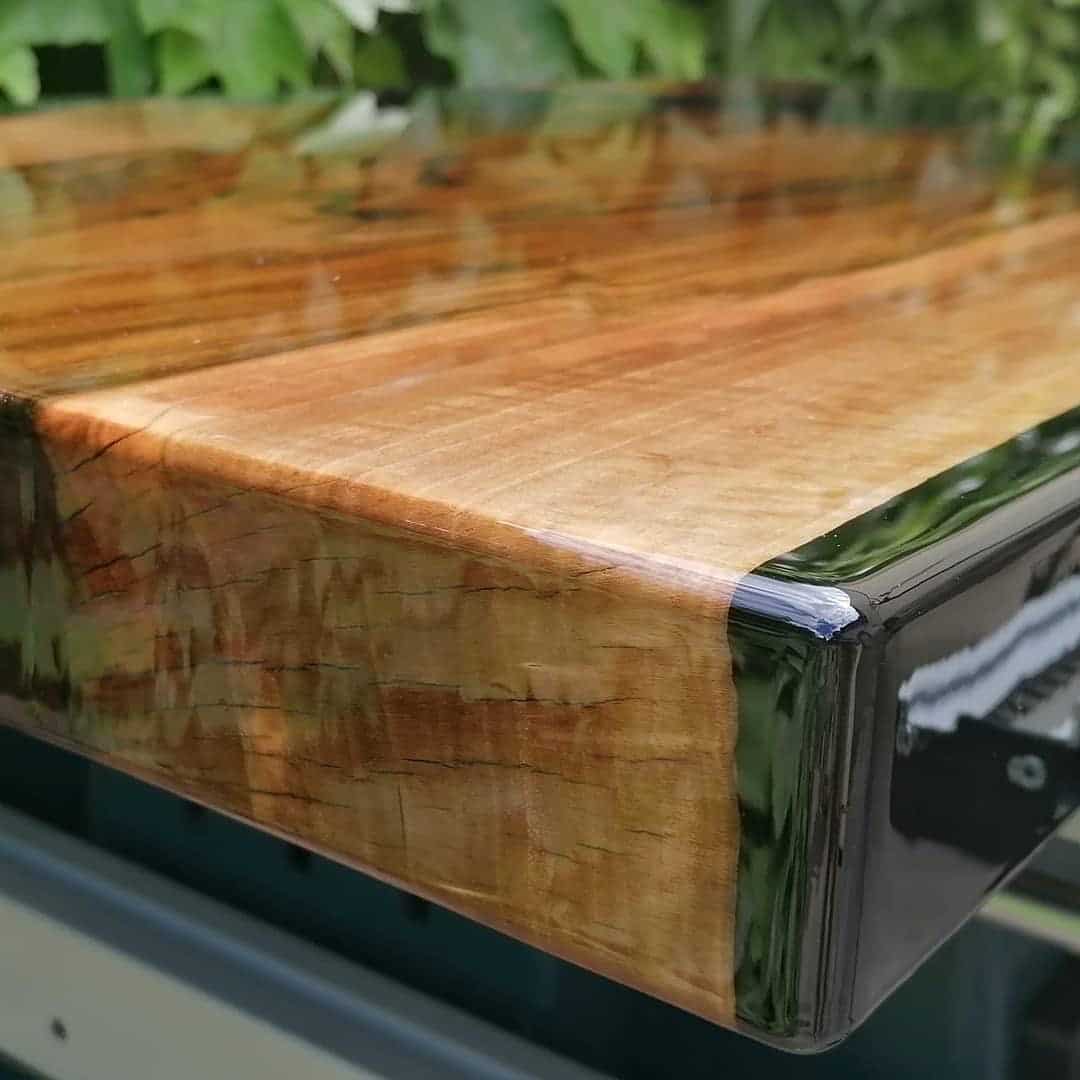
Understanding how much resin should be in the silos of purifiers is essential for maintaining process efficiency and achieving optimal results, whether you are working on water purification, chemical processing, or bespoke industrial projects. This guide is tailored for facility managers, technicians, and hobbyists who need to select the right resin type and quantity to match their specific silo application, casting depth, and operational requirements.
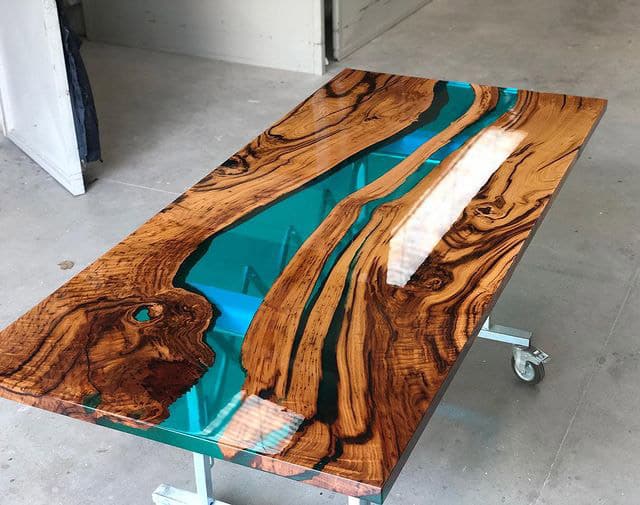
Comparing Resin Types for Silo and Purification System Applications
The quantity and type of resin you should use within a purifier’s silo depend on the intended depth of fill, flow characteristics required, and the project’s technical needs. For deep applications demanding large single pours, specialised deep-cast resins are best as they safely cure thick layers without overheating. Medium-depth or multi-layer applications need versatile resins with balanced cure rates, while intricate or fast-changing systems may benefit from rapid-set polyurethane or ultra-clear epoxies. Matching resin fill volume to the maximum recommended thickness and layer approach ensures safety, clarity, and longevity of both resin and silo hardware.

Visualising Resin Layers and Silo Applications
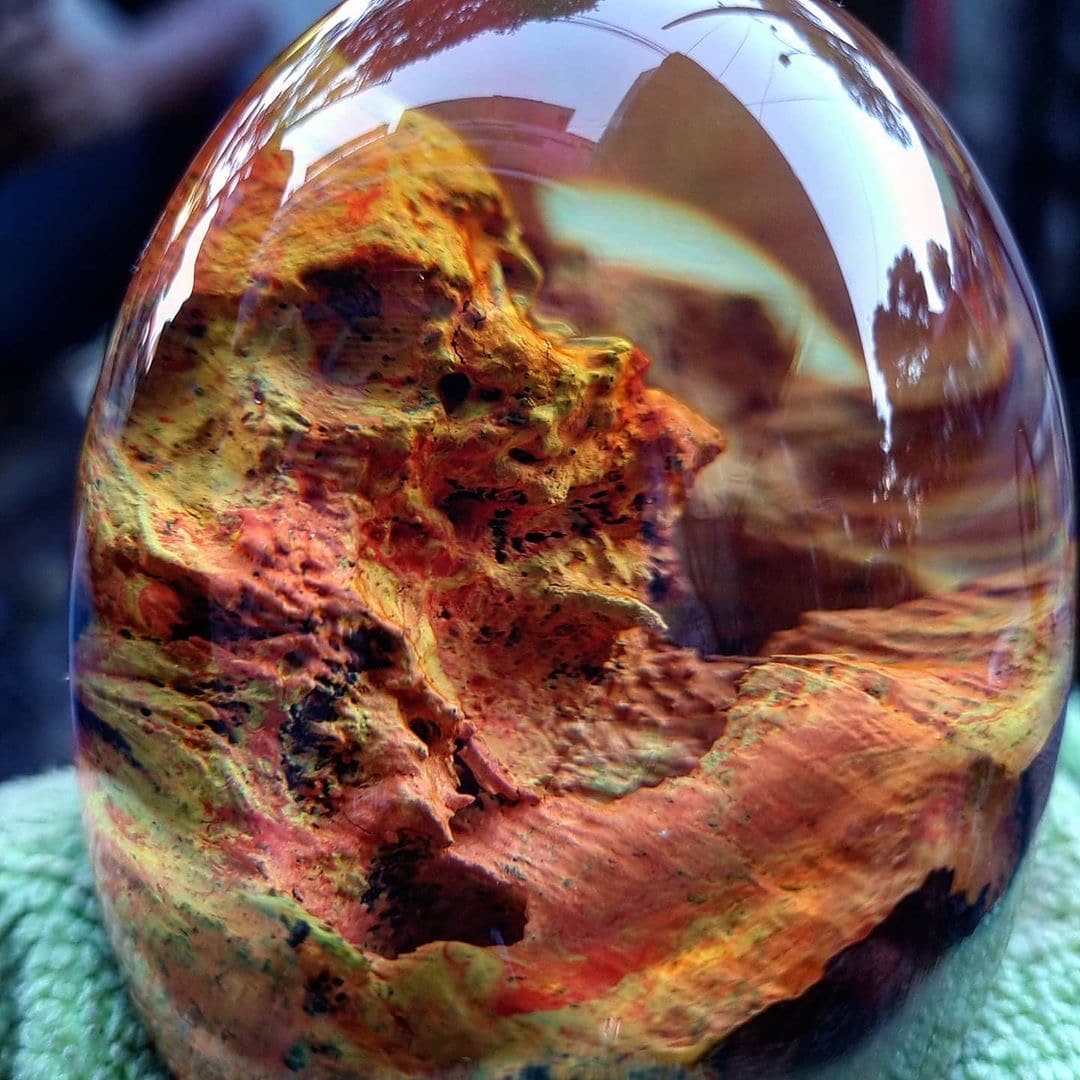
See examples showcasing different resin thicknesses used in silo scenarios, including clear deep pours, intermediate fills, and shallow precision layers. Proper resin choice keeps internal silo processing safe and efficient, while crystal-clear finishes contribute to both aesthetics and monitoring capabilities.
“Epoxytable 10-Ten” – Deep Pour Solutions for Large Silos
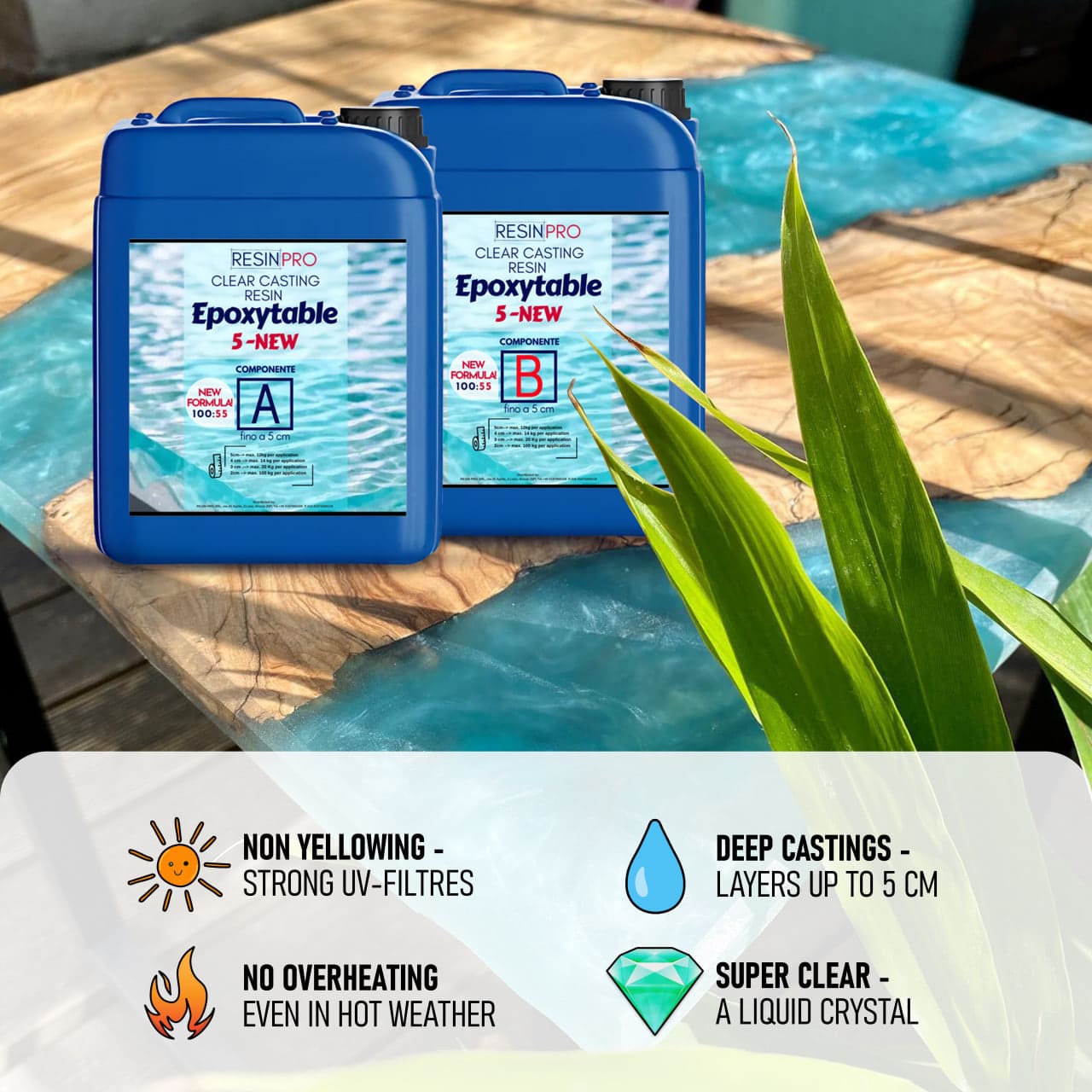
Epoxytable 10-Ten – Deep Pour Epoxy Resin for Tables, Up to 10cm Casting is engineered for environments requiring significant resin depth, such as industrial silos handling large batch processing. It’s ideal when a thick, single-pour fill is needed, safely reaching up to 10cm per pour without excessive heat generation or bubbling. Thanks to its low exothermic reaction and robust UV resistance, it’s highly reliable for filling and refilling larger purifier reservoirs, especially in applications where clarity and structural integrity must be maintained over time.
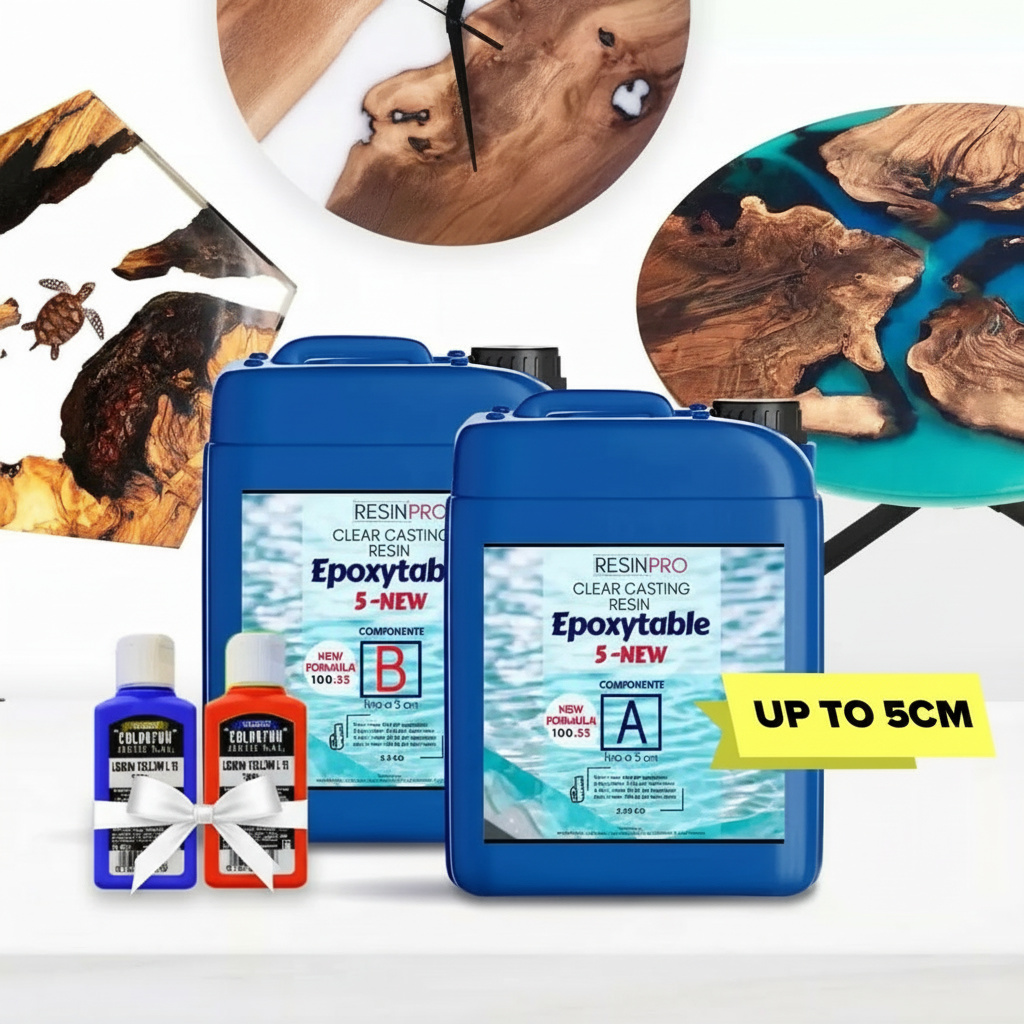
“EpoxyTable 5-Five” – Reliable Resin for Intermediate Depths
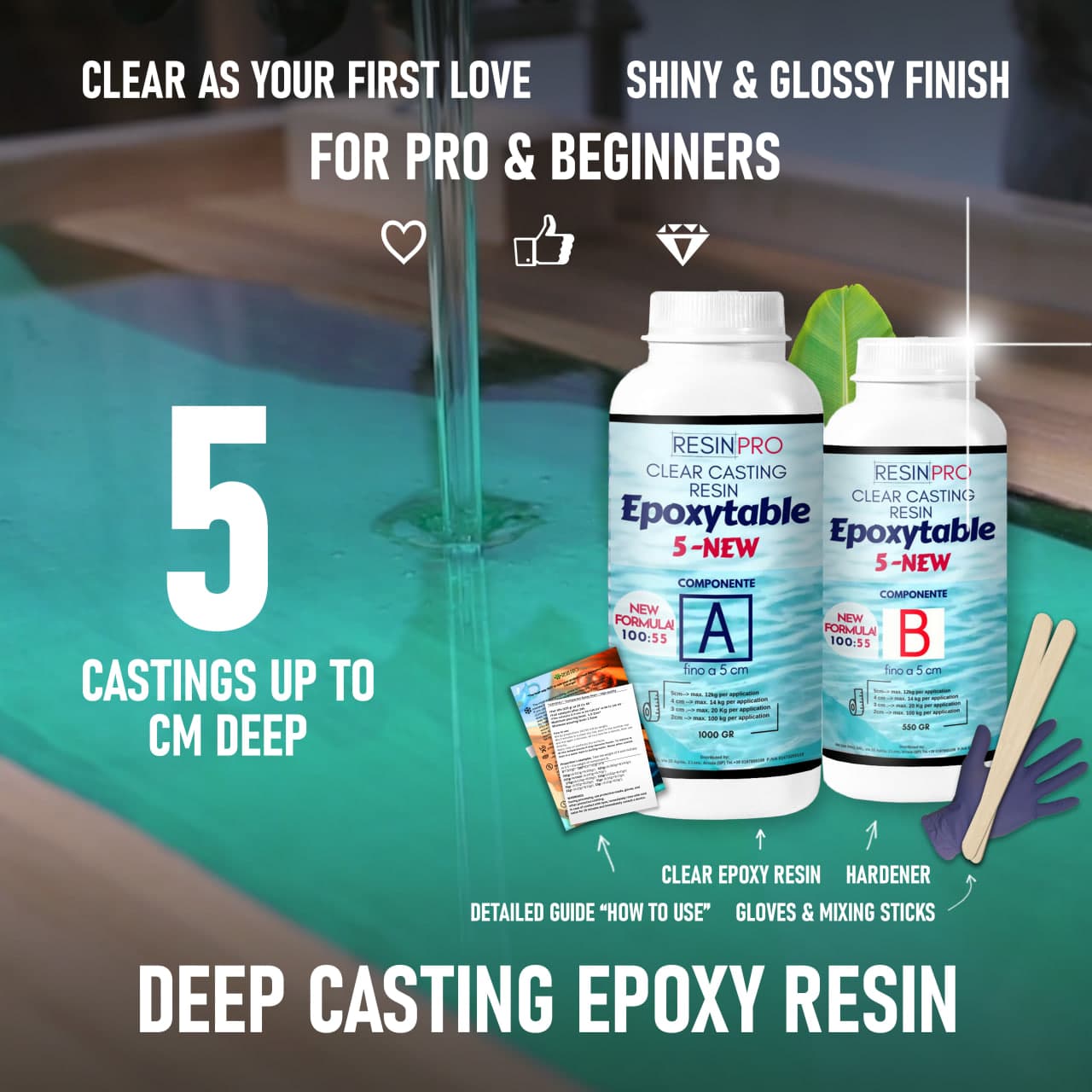
For silo purifiers requiring fills between 2cm and 5cm per layer, EpoxyTable 5-Five – Deep Pour Epoxy Resin for Tables and Large Projects – Up to 5cm is an excellent balance between safety and efficiency. This resin is formulated for thicknesses where single-stage pouring of ultra-deep layers is unnecessary, but robust UV and heat resistance are crucial. It can be layered for larger silos, allowing flexible volume management and a dependable, scratch-resistant surface for ongoing use or routine maintenance.
“Trasparente” – Multipurpose Resin for Shallow Layers
When your purification system or silo calls for precise, shallow layers—up to 2cm—“Trasparente” – Multipurpose Clear Epoxy Resin for Casting – Up to 2cm delivers an ultra-clear, self-levelling finish. Its outstanding transparency and scratch resistance make it a trusted choice for smaller silos, pilot plants, or detailed components within purifier systems, where accuracy and clean flows are essential. This option is particularly suitable for repeated top-ups or smaller-scale maintenance tasks.

“IWhite” – Fast-Setting Resin for Prototyping and Rapid Silo Maintenance
For situations requiring quick turnaround, such as rapid prototyping or temporary purification setups, “IWhite” – Polyurethane Casting Resin – White, Fast-Curing Two-Part System offers a fast cure and excellent detail capture. Its quick setting time and versatility make it perfect for test runs, small batches, or when changing out resin content in silos regularly. While not an epoxy, its fluid behaviour and reliability under time pressure keep operations moving smoothly.
Tips for Determining Resin Volume and Management in Silo Purifiers
Always measure the internal volume of your silo and adhere to the recommended maximum pour thickness per resin type. For deep or large silos, use staged pouring to avoid excessive heat generation. Schedule routine checks for clarity, bubble formation, and yellowing—particularly in systems with UV exposure. Selecting the right resin enables ongoing performance, safety, and protection of both your purification system and its processed materials.
Demonstrating Safe Multi-Layer Pours and Maintenance
Explore visual guides on measuring silo volume, staged pouring to avoid thermal peaks, and checking cured resin for clarity. Following best practices shown here will support project safety and effective silo purifier operation over the long term.

- “Epoxytable 10-Ten” – Deep Pour Epoxy Resin for Tables, Up to 10cm CastingPrice range: £35.95 through £351.95“Epoxytable 10-Ten” is an epoxy resin designed for deep pour table projects with casting thickness up to 10cm.
- "EpoxyTable 5-Five" – Deep Pour Epoxy Resin for Tables and Large Projects – Up to 5cmPrice range: £17.95 through £1,154.95"EpoxyTable 5-Five" is designed for deep pours up to 5cm, suitable for tables and large projects requiring a scratch-resistant, non-yellowing finish.
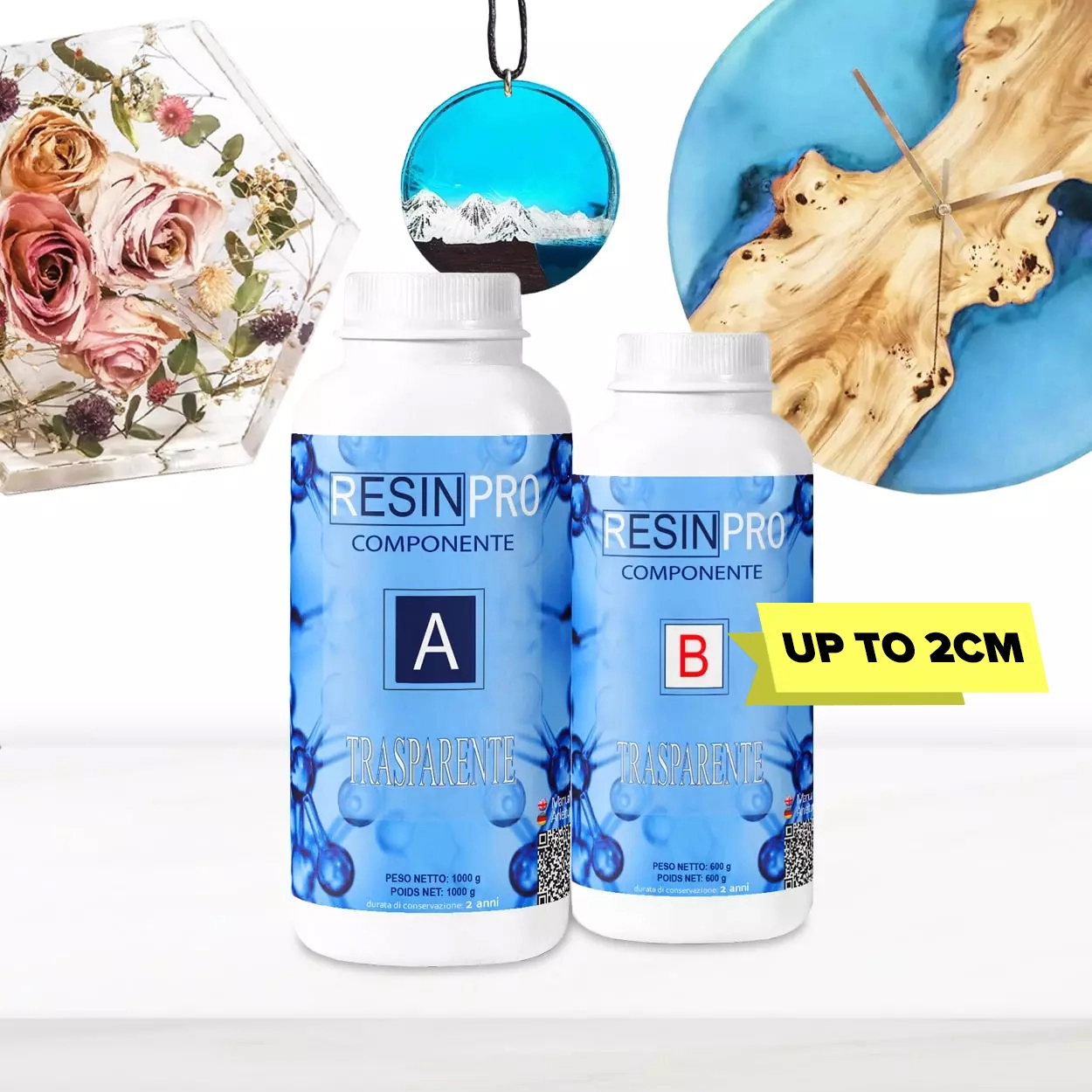 "Trasparente" – Multipurpose Clear Epoxy Resin for Casting – Up to 2cmPrice range: £8.95 through £397.95"Trasparente" is a clear epoxy resin suitable for casting layers up to 2cm, commonly used in woodworking and art projects requiring a self-levelling,…
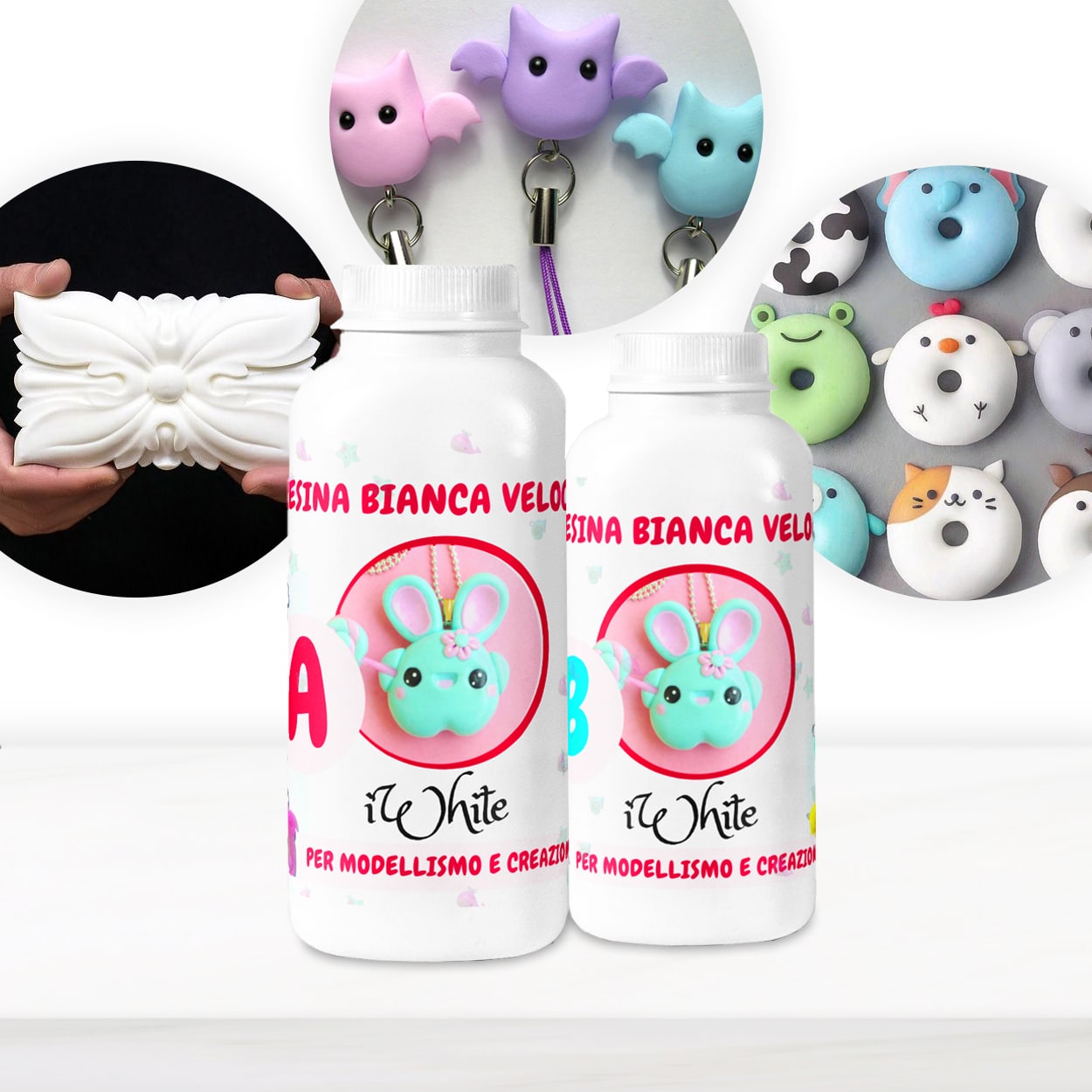 “IWhite” – Polyurethane Casting Resin – White, Fast-Curing Two-Part SystemPrice range: £24.00 through £36.95IWHITE is a fast-curing polyurethane resin suitable for rapid prototyping and detailed casting in a white two-part system.
Frequently Asked Questions
What is the ideal resin volume for a purifier's silo?
Always follow the recommended maximum pour thickness for each resin and measure silo volume precisely to avoid overfilling or underfilling.
How thick should each resin layer be in a silo?
For deep pours, do not exceed the resin's maximum recommended thickness per layer—typically 2cm, 5cm or 10cm, depending on resin type.
Should resin be poured in layers or one go?
If the required thickness is greater than the resin's safe pour limit, always build up in multiple layers to prevent overheating and ensure clarity.
What is the difference between epoxy and polyurethane resins for silos?
Epoxy resins are durable and ideal for clear, deep or medium pours, while polyurethane resins cure faster and suit rapid prototyping or quick changes.
How do I manage air bubbles in large volume resin silos?
Use low-viscosity resins, pour slowly, and consider staged pouring to reduce bubble formation and ensure crystal-clear results.
What are the safety considerations with resin in silos?
Always follow safety data sheets, use gloves, and maintain good ventilation to avoid skin contact and inhalation of fumes during handling.