 Free shipping on orders over £29,85
  Shipping Tracking!


 Google
 Facebook
← Back to How much resin is needed for a 12-litre manual water softener?
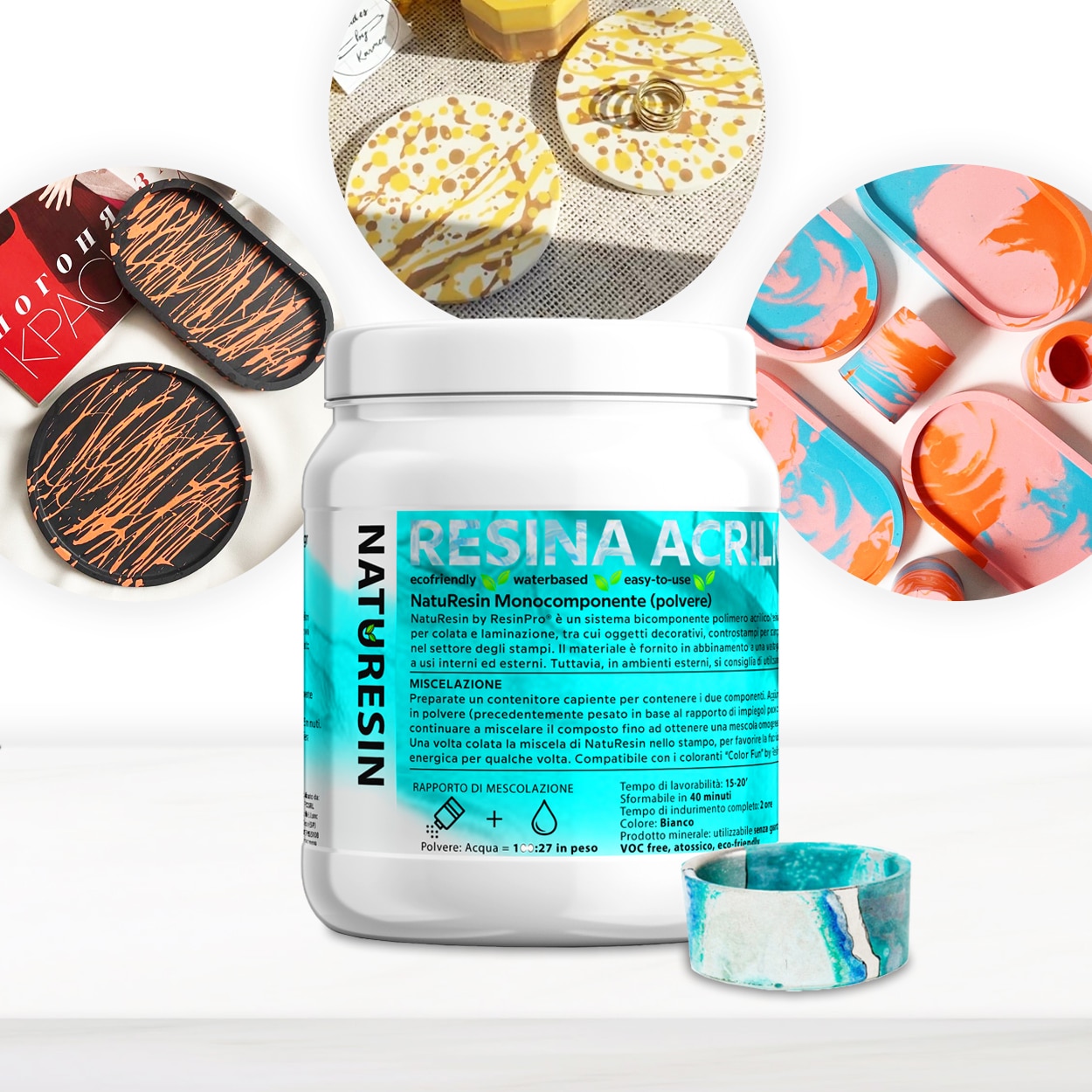

When selecting a resin for a water softener or your next craft project, understanding the distinction between mineral and epoxy resins helps ensure you get the right performance and ease of use for your needs.
Understanding Mineral Resin
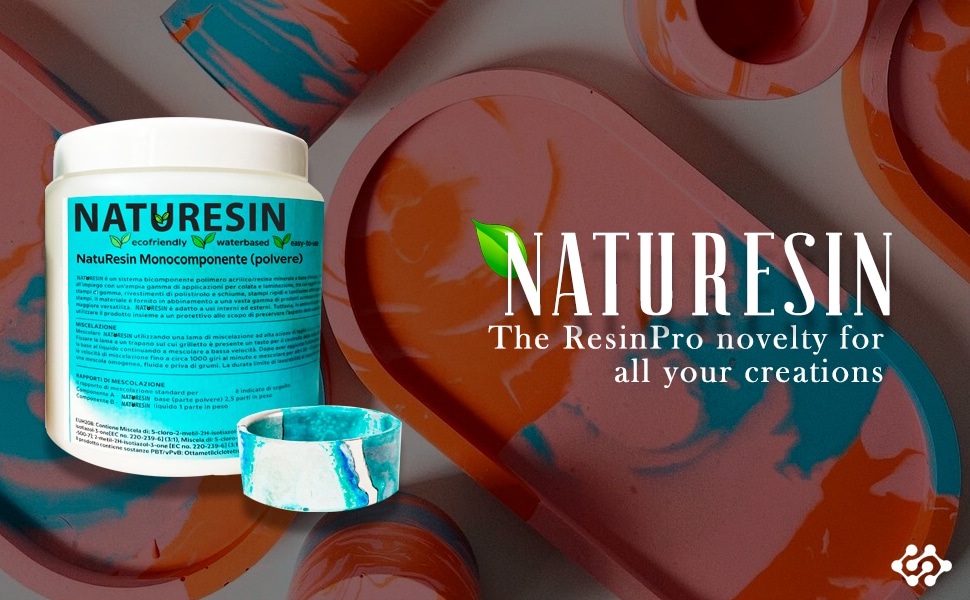
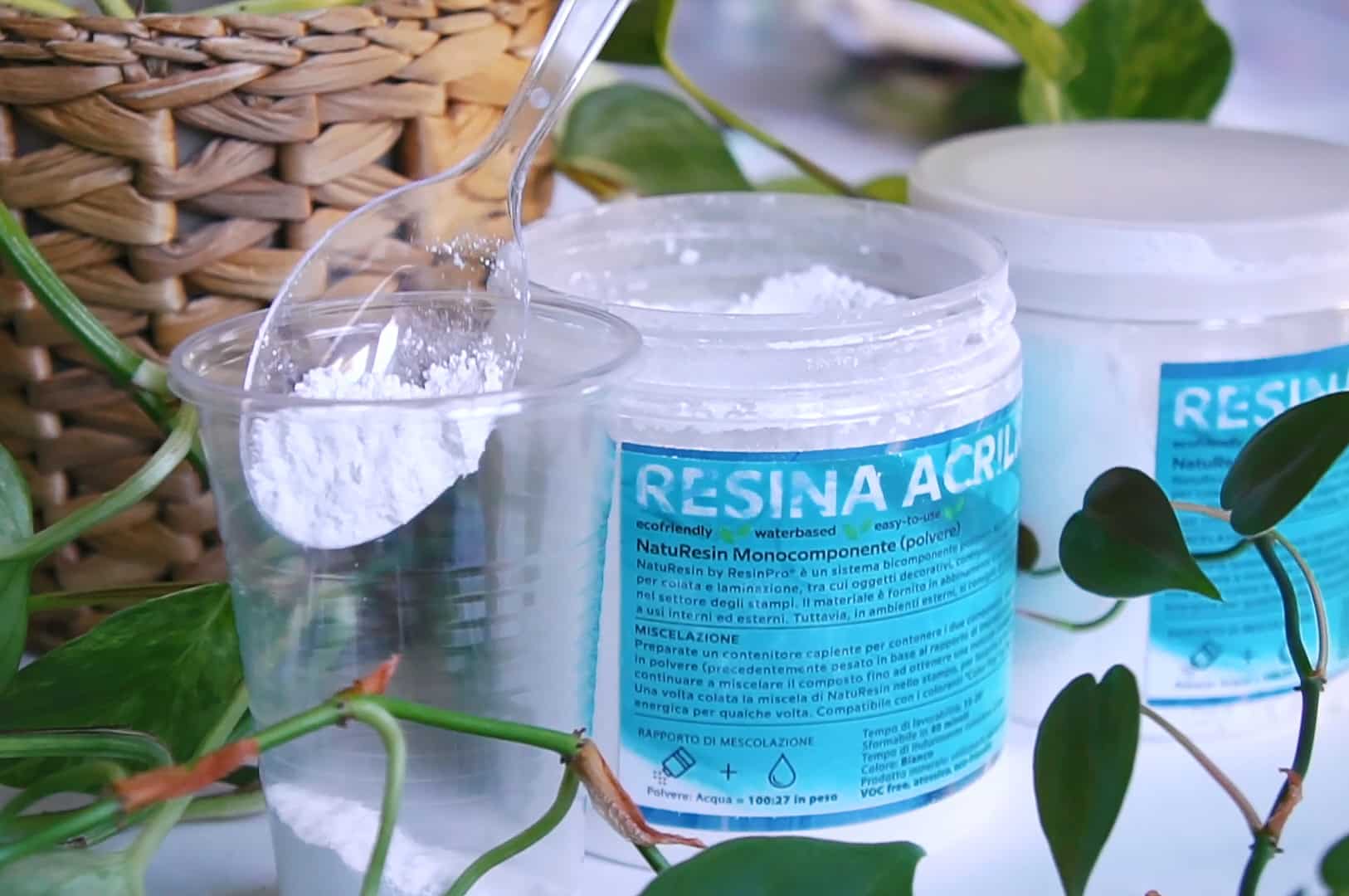
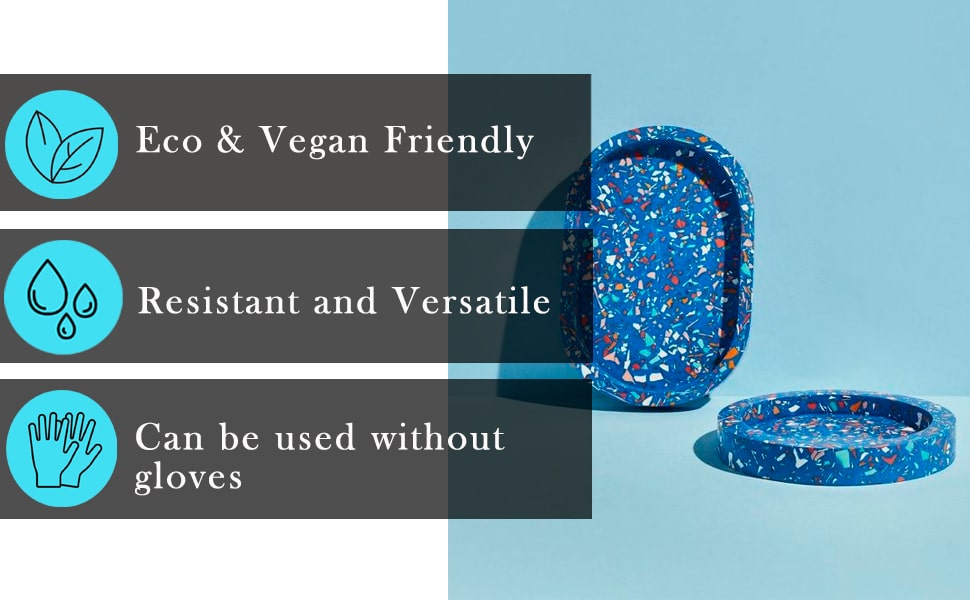
Mineral resin, such as NatuResin, is activated simply by adding tap water. This makes it especially popular in applications where a safe, solvent-free process is valued. Mineral resin is generally eco-friendly, VOC-free, and can achieve a durable, ceramic-like finish. It’s ideal for indoor or outdoor use and suitable for both casting and decorative softener applications.
- No chemical mixing required – just add water
- Usually non-toxic and easy to handle
- Good option for those prioritising environmental impact or simple preparation
Features of Epoxy Resin
Epoxy resins, commonly used for creative projects and industrial applications, consist of two chemical components that must be precisely measured and mixed. Epoxy is known for its strength, strong adhesion, and suitability for deep pours. It is valued for its robust finish and clarity, making it a preferred choice for tables, castings, and high-impact applications. Proper measuring tools, such as a 2L Graduated Measuring Cup, are vital for accurate mixing.
- Requires mixing resin with hardener
- Offers high durability and reliable finish
- Suitable for thicker, more demanding castings
When Does the Difference Matter?
Your choice between mineral and epoxy resin can depend on several factors:
- If safety, eco-friendliness, and quick handling are priorities (for example, in home settings), mineral resin is often ideal.
- For projects needing extra strength, high clarity, and customisable pour thickness, epoxy resin offers more flexibility and performance.
Related products
Related guides
Choosing between mineral and epoxy resin comes down to your project’s demands and your priorities for ease of use, performance, and safety. If you’re measuring for a water softener or considering a resin-based project, understanding these differences will help you select the correct product and is closely tied to answering questions like how much resin is needed for a 12-litre manual water softener.