 Free shipping on orders over £29,85
  Shipping Tracking!


 Google
 Facebook
← Back to How much resin to use per layer?
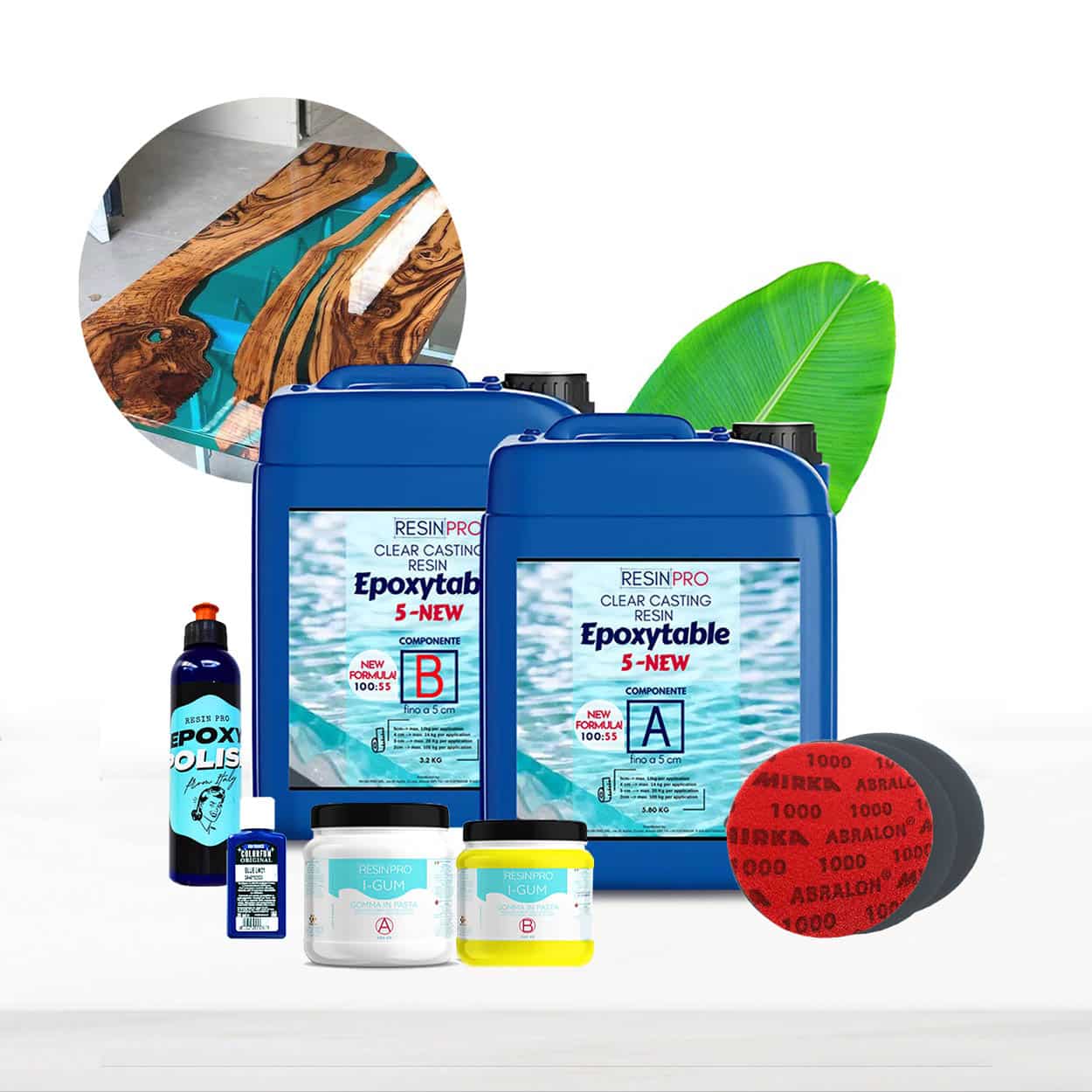

When working with epoxy resin, using multiple layers rather than a single thick pour can make a crucial difference in both the outcome and safety of your project. Understanding when to layer is key for successful results, especially in large or deep castings.
Why Use Multiple Layers?
Pouring resin in layers is advised when your project goes beyond your chosen resin’s safe curing depth or covers a very wide area. Attempting a deep single pour can lead to overheating, bubbles, or even incomplete curing. Most resins have recommended maximum pour depths (often around 2–5cm per layer), so always check product guidelines.
- Reduces the risk of resin overheating and warping
- Minimises air bubbles trapped within the casting
- Allows better control over colour effects and inclusions
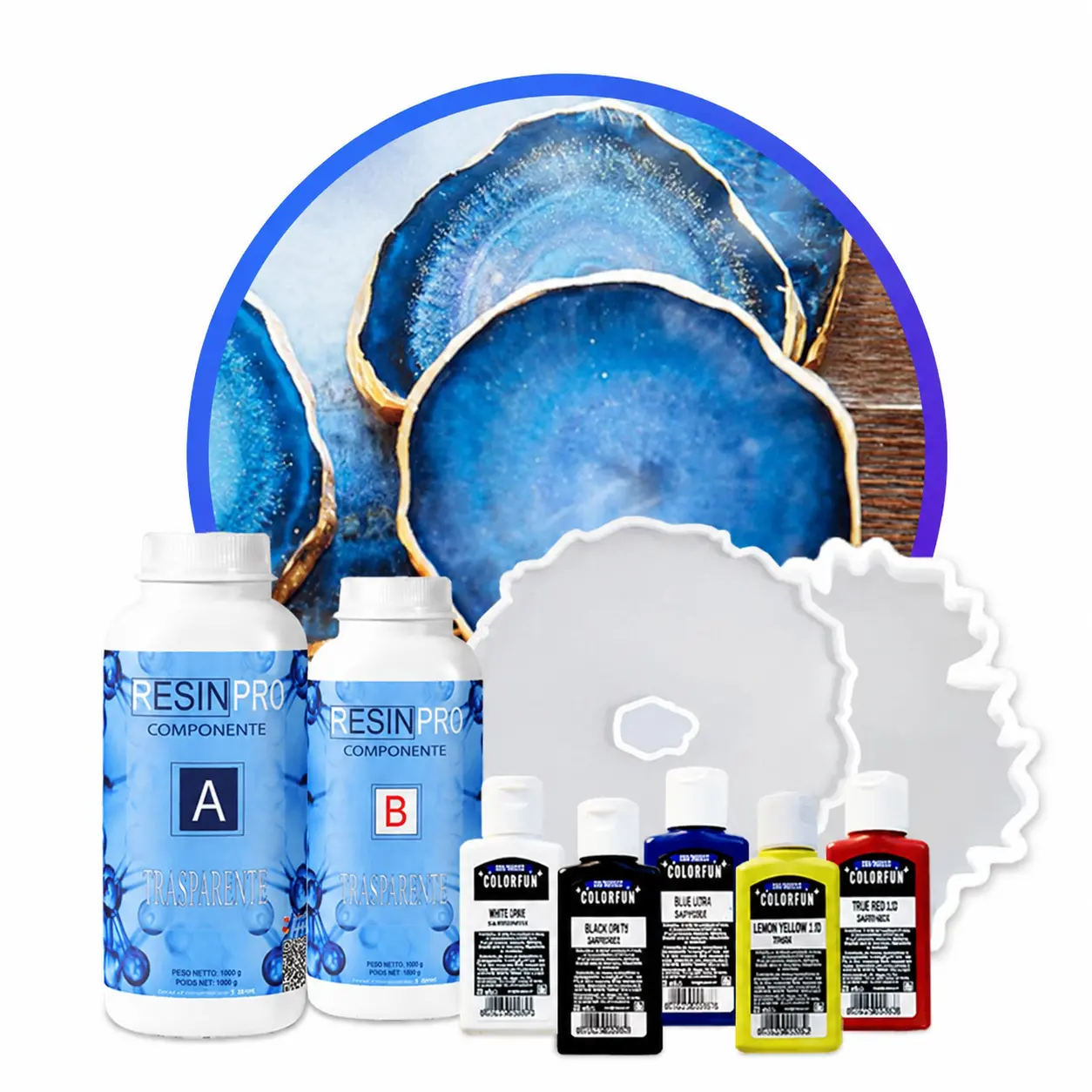
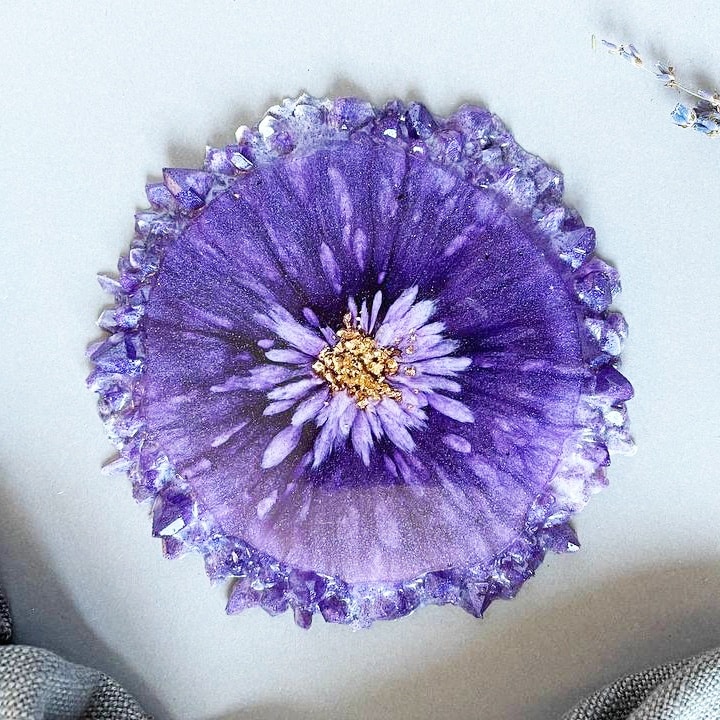
How to Layer Resin Successfully
Allow each layer to start curing before adding the next—typically wait until it is no longer sticky but still slightly flexible. This helps new layers bond effectively. For especially deep projects, such as river tables, select a resin specifically designed for greater thickness, like the “Epoxytable 10-Ten” epoxy resin, and pour in stages according to instructions.
- Measure each batch accurately—using a graduated measuring cup aids consistency
- Work in a dust-free area and cover between pours to prevent contamination
When This Matters
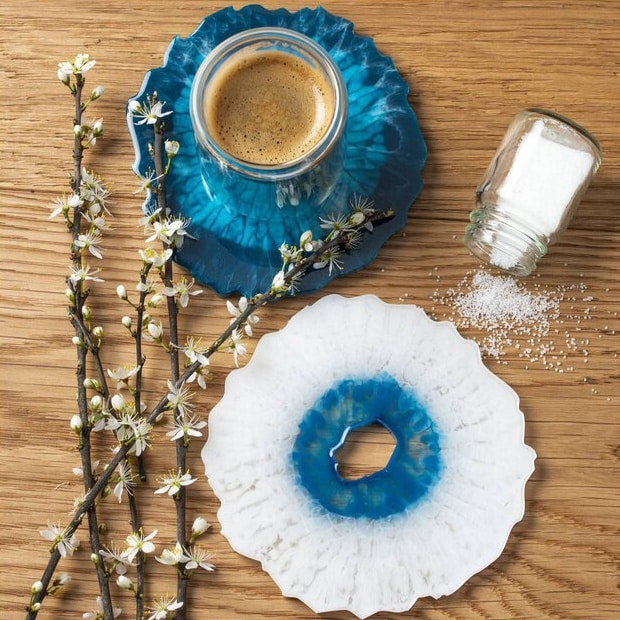
Consider layering especially for furniture, large art, thick coasters, and projects where a single pour would exceed the manufacturer’s guidance. Using a complete kit for larger items—such as the River-Table Starter Kit—provides useful step-by-step instructions and suitable materials for layered approaches.
Related products
Related guides
Whenever your resin artwork or casting requires extra depth or scale, pouring in multiple layers is a reliable choice for curing quality and lasting results. For more advice on matching resin volume and pour depth, see our main guide on how much resin to use per layer.