 Free shipping on orders over £29,85
  Shipping Tracking!


 Google
 Facebook
← Back to At what temperature below zero does resin crystallise?

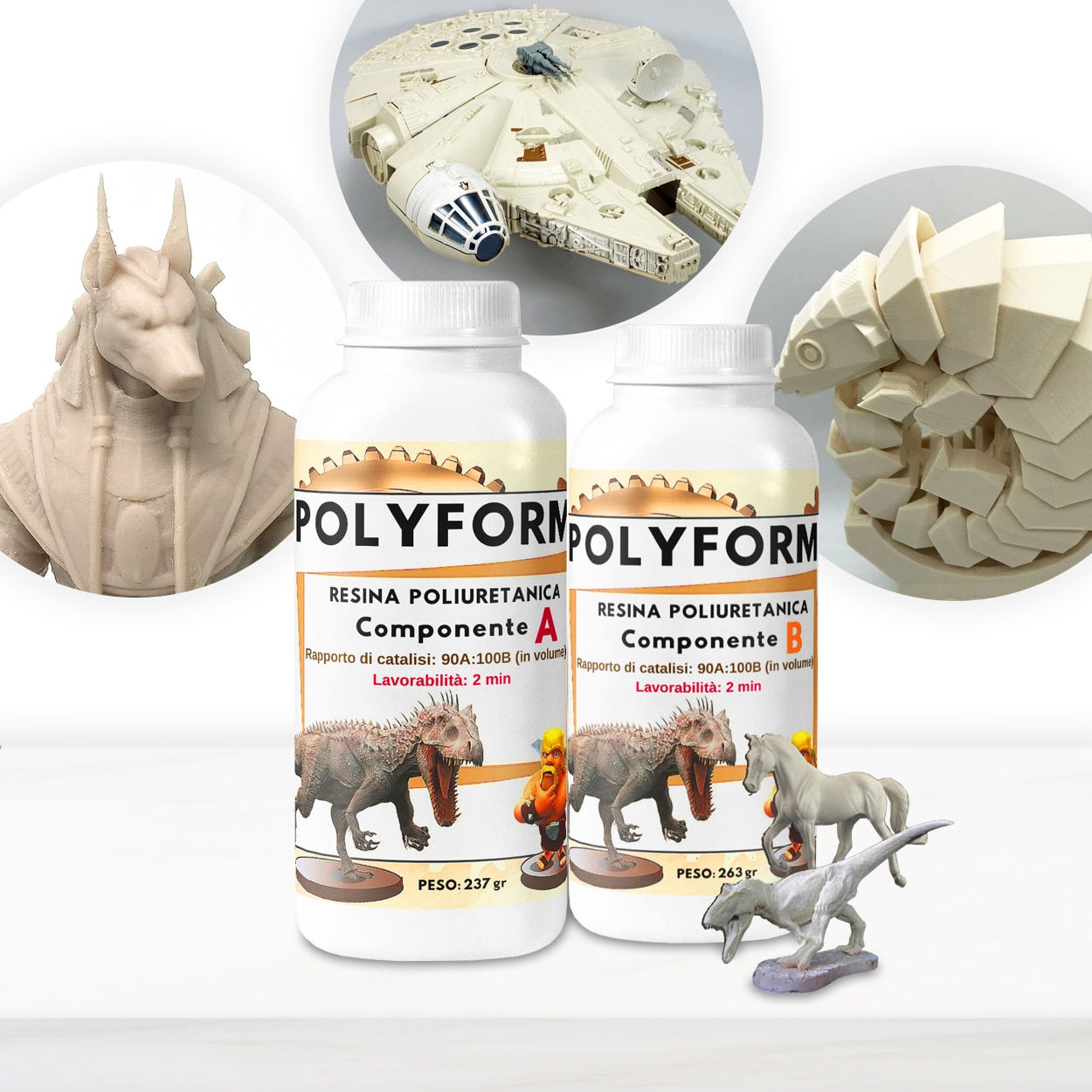
When crafting with epoxy resin, temperature can significantly impact the outcome of your project. Here we explore just how well Trasparente epoxy resin stands up to colder conditions and the practical considerations for its use.
Cold Resistance and Recommended Conditions
While Trasparente epoxy is specially formulated for outstanding clarity in casting and coating projects, it is not designed for use in cold environments. It should not be poured or cured at temperatures below 10°C. Operating below this point increases the risk of resin crystallisation or incomplete curing, compromising both appearance and strength.
Tips for Working with Trasparente in Cooler Weather
- Always ensure your workspace is kept at or above 10°C when mixing and curing this resin.
- If your resin appears cloudy or grainy, gently warming the sealed container in a bath of warm (not hot) water may help return it to a clear liquid before use.
- Check that your moulds and surfaces are also above the recommended temperature for best results.
When Does Cold Resistance Matter Most?
Cold sensitivity becomes especially important for those working in unheated sheds, garages, or during winter months. For larger casting projects or surface coatings in these colder settings, maintaining the minimum ambient temperature is essential to avoid disappointing results.
Related products
Related guides
For crystal-clear results and reliable curing, always keep Trasparente epoxy at recommended temperatures. If you need more tips on temperature-sensitive resins or wish to explore further, visit our main crystallisation FAQ page.