 Free shipping on orders over £29,85
  Shipping Tracking!


 Google
 Facebook
At what temperature below zero does resin crystallise?
Understand resin crystallisation risks and choose the right material.
If you’ve ever wondered at what temperature below zero resin begins to crystallise, this page unpacks the key factors affecting your projects in cold conditions. We break down essential information for anyone working with casting and epoxy resins, helping you avoid surface cloudiness, improper curing, and other issues caused by low temperatures. Whether you’re a crafter, DIY enthusiast, or professional maker, knowing when and why resins crystallise below freezing will keep your creations strong, clear and reliable.
How Temperature Influences Resin Crystallisation
Resin crystallisation is a process where the liquid resin forms solid, cloudy or grainy particles due to low temperatures. Generally, most casting resins will begin to show signs of crystallisation between 0°C and 10°C. For many epoxy and polyurethane resins, performance is compromised well above freezing, with recommended usage temperatures starting from about 8–10°C. Working below these temperatures can result in grainy textures, slower cure times, or complete curing failure. Some resins are formulated for better resistance to cold, but even then it is best to use them within their specified temperature range for optimal clarity and strength.
See Real Examples of Resin Clarity and Curing
Visualise the difference between cured resin in ideal and cold conditions. Epoxy and polyurethane resins perform best above 10°C—images show the effects of low temperatures, from clear, flawless finishes to clouded, crystallised surfaces in improperly heated spaces.
Explore projects kept within the recommended temperature range to achieve lasting clarity and reliability.
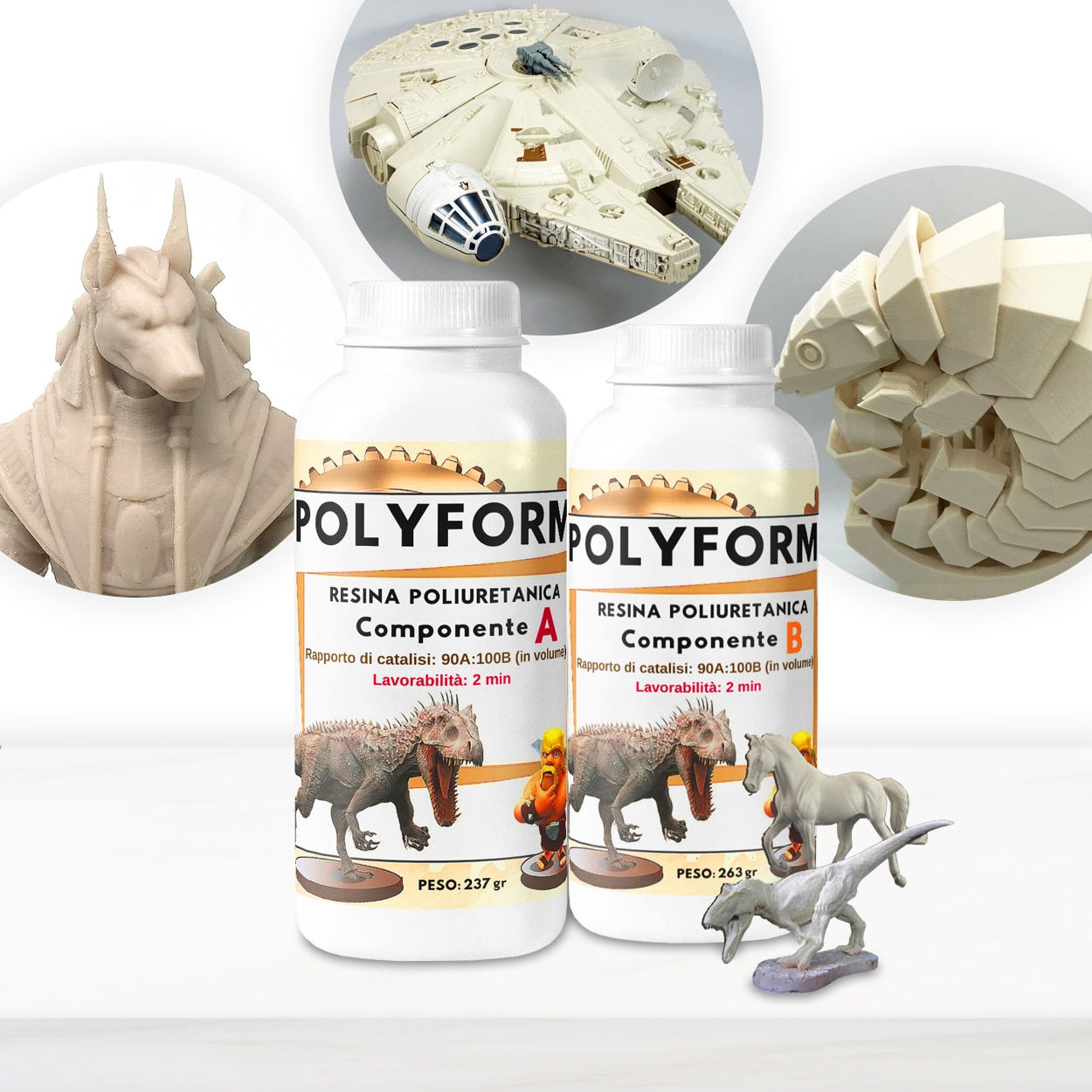
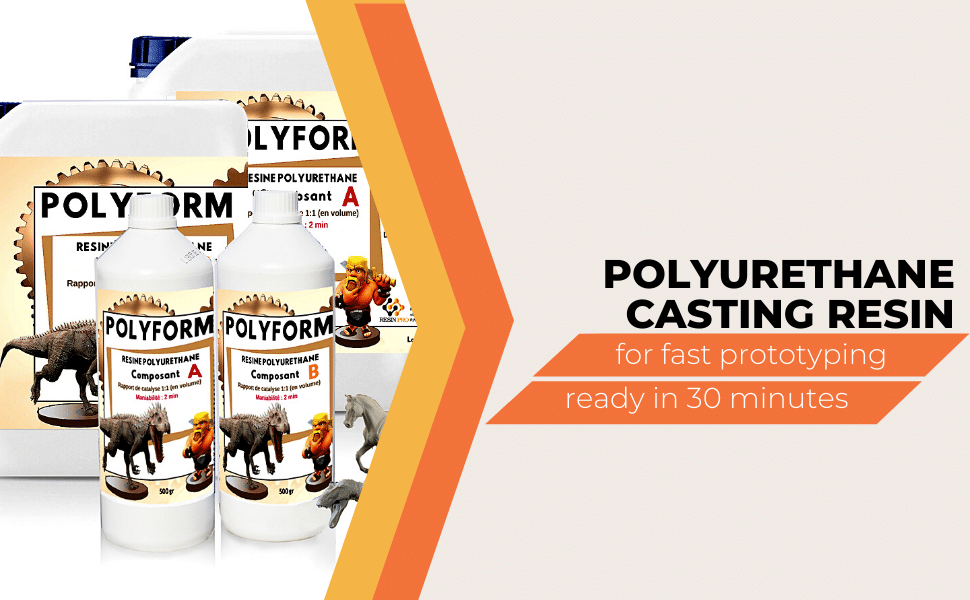
“Polyform” – Polyurethane Casting Resin, Beige, Fast-Setting for Prototyping
The Polyform product page describes a robust, fast-setting polyurethane casting resin perfectly suited for rapid prototyping and small-run production. Polyform excels with a high Shore A 100 hardness and quick, reliable demoulding in about 30 minutes. However, its clear performance limitations below 8–10°C mean it should never be used near or below freezing. At low temperatures, Polyform’s curing slows drastically and crystallisation risks increase, making it unsuitable for cold-weather work. For best results, always pour and cure this resin in environments well above zero.
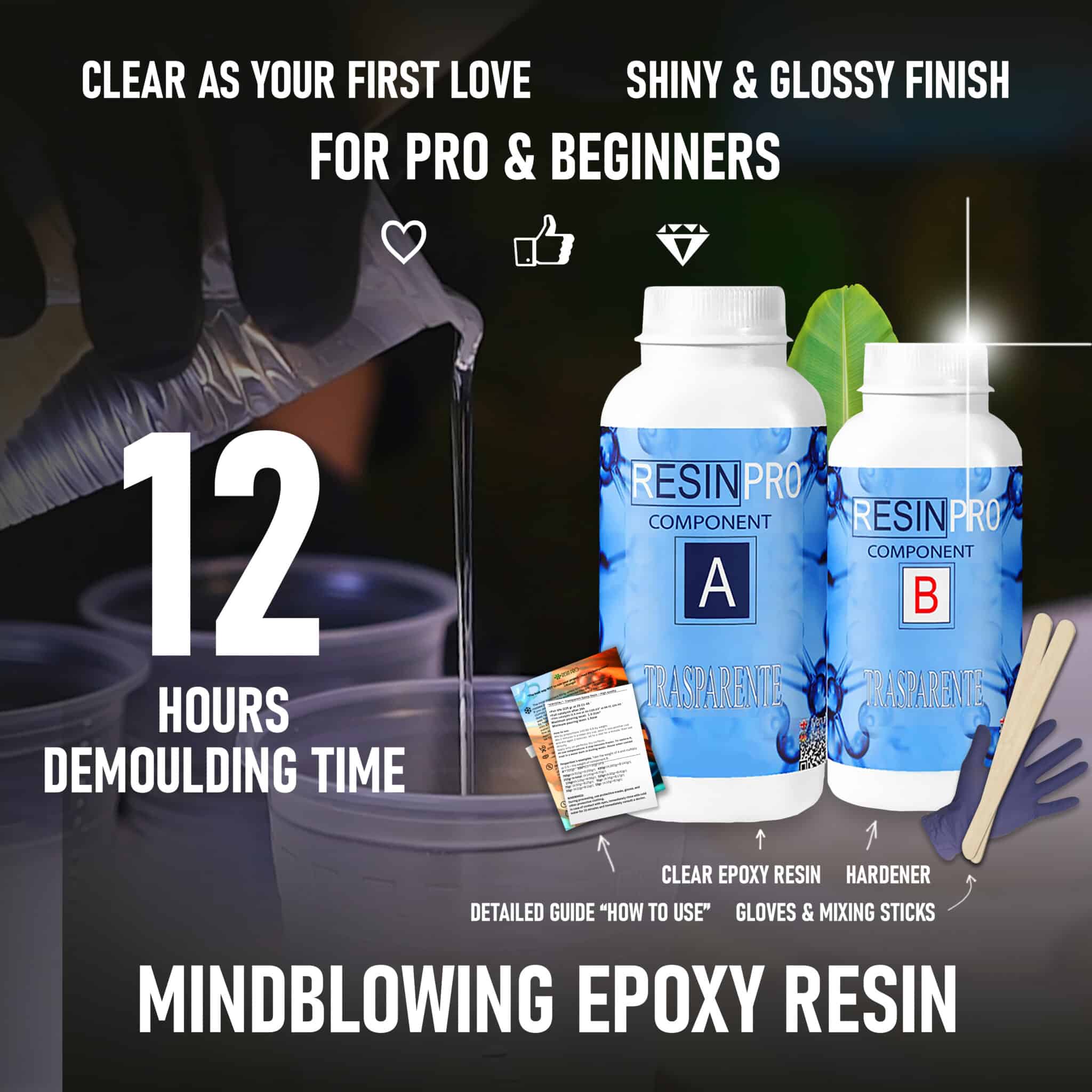
“Trasparente” – Multipurpose Clear Epoxy Resin for Casting – Up to 2cm
The “Trasparente” – Multipurpose Clear Epoxy Resin for Casting – Up to 2cm is a favourite among crafters producing glossy, transparent layers up to 2cm thick. Its solvent-free, non-toxic formula is popularity-proven for art, woodworking, and restoration projects. “Trasparente” is engineered to maintain its clarity within recommended temperature ranges. Like most epoxies, it is not designed for use below 10°C, as cold can cause hazing, crystallisation, or incomplete curing. To avoid issues, ensure your working and curing environment remains comfortably above freezing.
Tips for Preventing Resin Crystallisation in Cold Conditions
To prevent your resin from crystallising or curing improperly, always check the product’s temperature guidelines before beginning your project. Store your resins in a climate-controlled area, and never pour or cure them in rooms below the manufacturer’s recommended minimum (typically 8–10°C for resin products listed here). If resin arrives partially crystallised after cold shipping, warming it gently (for example, by placing the container in a warm water bath) can help restore its clarity, but do not overheat. Plan your casting and curing to avoid cold snaps and always ensure the working area holds a consistent temperature above freezing.
Practical Approaches to Cold-Weather Resin Work
Maintain the ideal ambient temperature by using heaters or warming mats when working in chilly workshops. Simple steps, such as acclimating your resin before use and curing in insulated environments, can make a clear difference in resin quality.
These measures are especially crucial when outside temperatures approach zero.
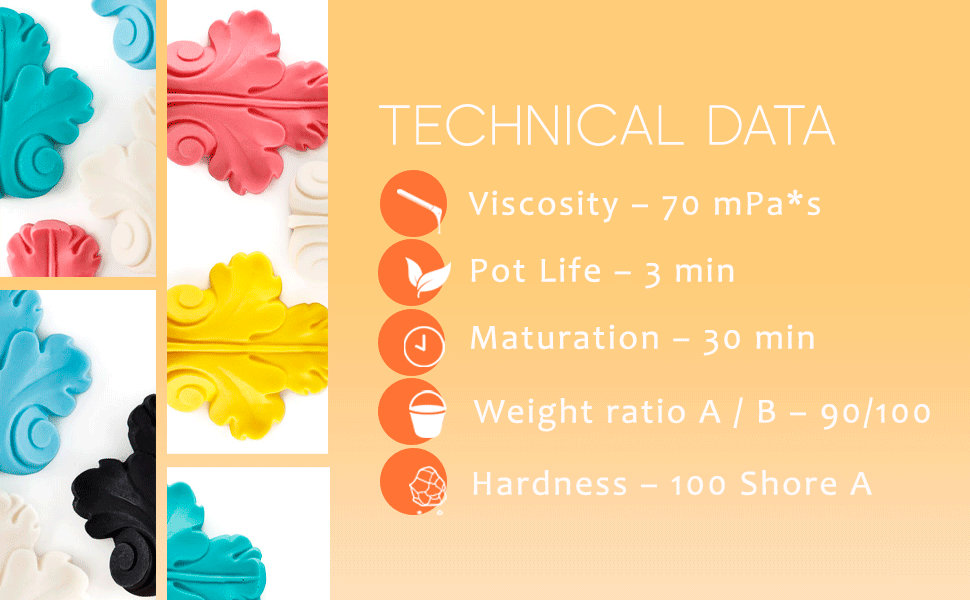
- “Polyform” – Polyurethane Casting Resin, Beige, Fast-Setting for PrototypingPrice range: £15.95 through £141.95Polyform casting resin offers detailed, robust results quickly, suited for prototyping and model making in controlled conditions.
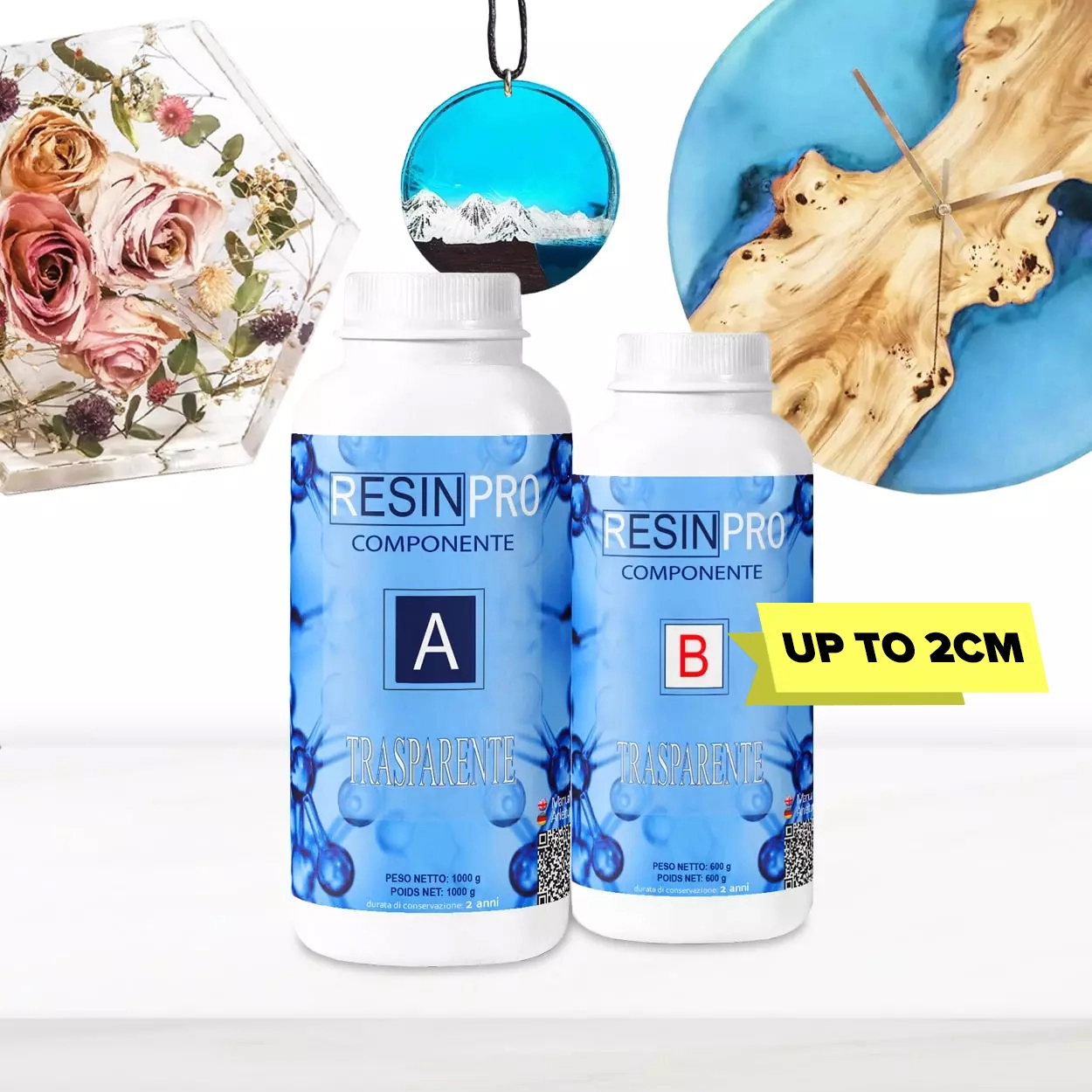 "Trasparente" – Multipurpose Clear Epoxy Resin for Casting – Up to 2cmPrice range: £8.95 through £397.95"Trasparente" is a clear, multipurpose casting epoxy resin suitable for detailed craft and woodworking projects up to 2cm thick.
Frequently Asked Questions
Does resin crystallise below zero temperature?
Yes, cold environments near or below zero can promote crystallisation in liquid resin, leading to cloudiness or solid particles.
What happens if resin gets too cold?
Resin may become hazy, develop solid crystals, and fail to cure properly if mixed or poured below its recommended temperature.
Can you fix crystallised resin?
Yes, gently warming crystallised resin until fully liquid can restore it, but use caution to avoid overheating and degrading quality.
What is the minimum temperature for Polyform Casting Resin?
Polyform should always be used above 8–10°C to ensure proper curing and avoid crystallisation.
Is Trasparente epoxy resistant to cold?
While designed for clarity, Trasparente should not be used or cured below 10°C, as low temperatures risk crystallisation.
How do you store resin in winter?
Store resin in a heated, dry space above the recommended temperature, away from direct cold or damp sources.