 Free shipping on orders over £29,85
  Shipping Tracking!


 Google
 Facebook
← Back to How many kilograms of resin per square metre?
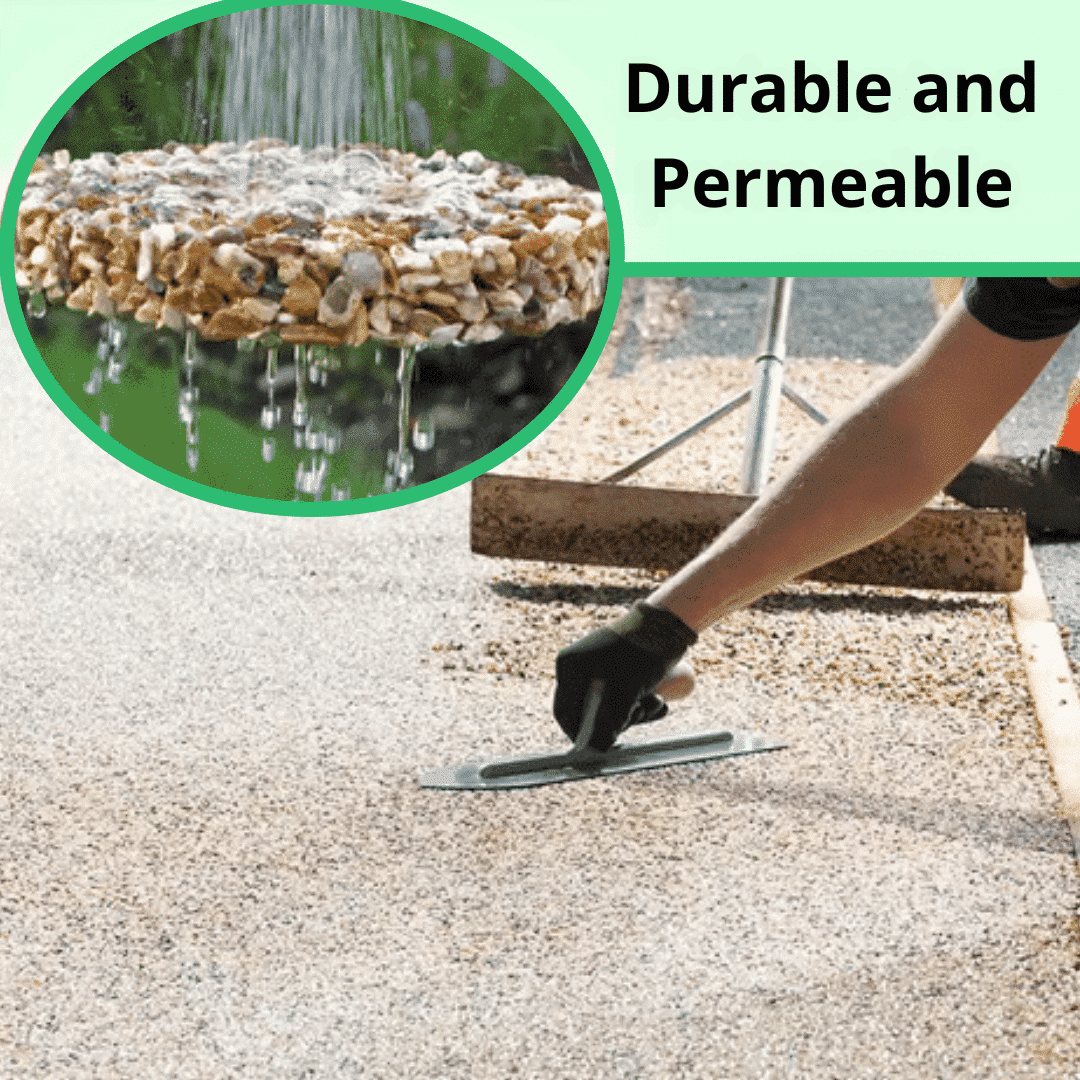
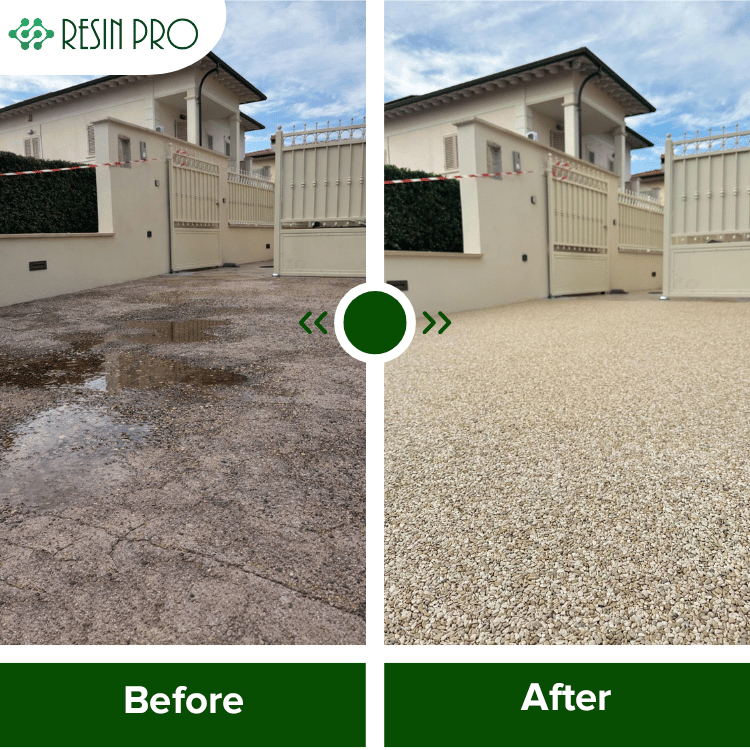
Selecting the right resin is crucial for achieving durable and visually appealing results in any project, whether you’re laying floors, creating countertops, or crafting tables. But is it ever advisable to mix different resin types on the same job?
Why Mixing Resins Is Discouraged
Combining different types of resin, such as epoxy and polyurethane, can cause unpredictable effects. Each resin type is formulated with a specific chemistry for distinct performance, curing, and appearance needs. Mixing may lead to problems such as discolouration, yellowing, or an uneven finished surface. Differences in flexibility, adhesion, or compatibility could also mean your project won’t stand the test of time.
- Colour and finish: Resins may cure to slightly different clarity or tones and react differently to light, which can result in visible patches or streaks.
- Bonding: Some resins might not adhere well to others, risking delamination or structural weakness especially when combined with aggregates, stones, or when applied over larger areas.
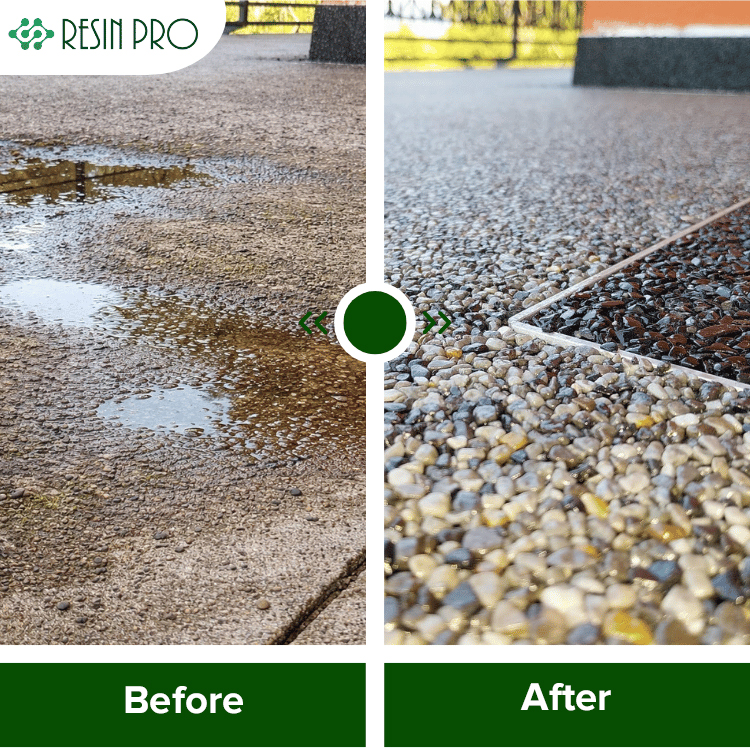
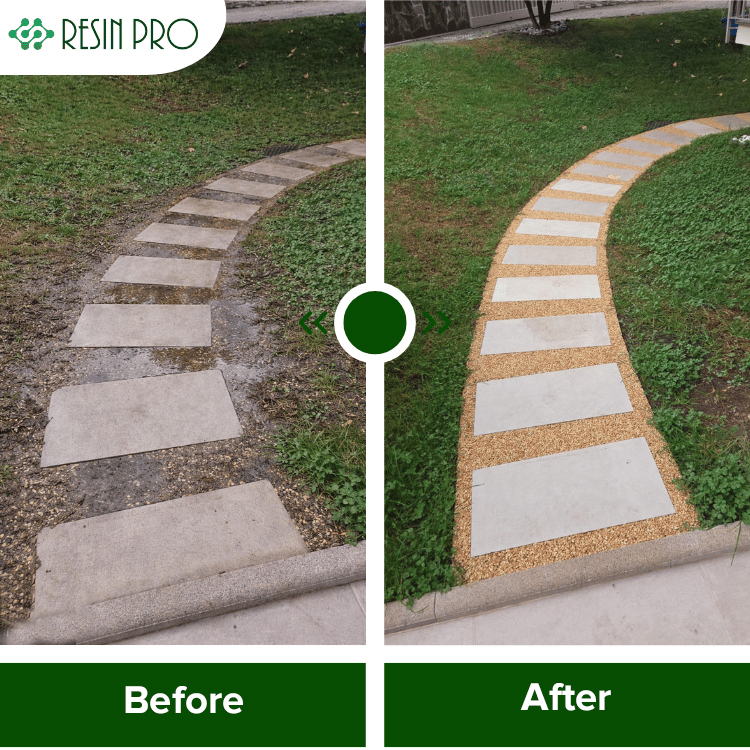
Choosing the Right Resin for Your Application
For best results, always select the recommended resin system for your project—that means matching your binder type to your chosen materials and intended use. For instance, if you’re creating a permeable floor with pebbles and resin, use a resin specifically formulated for aggregate compatibility and UV stability. Kits and binders for coloured stones or marble-effect worktops are tailored to deliver reliable adhesion, colour consistency, and resistance to environmental factors.
- Outdoor floors: Go for a UV-resistant binder to limit yellowing and maintain appearance over time.
- Light or white aggregates: A non-yellowing polyurethane may be preferred for long-term clarity.
- Worktops and decorative finishes: Purpose-made kits ensure the right balance of durability and finish quality.
When This Matters
Mixing different resins should be avoided especially for surfaces exposed to traffic, weather, or where appearance and performance are important—driveways, kitchens, patios, or decorative tables all benefit from using the right product from the start.
Related products
Related guides
Sticking with one appropriate resin system for your project ensures dependable results and preserves colour and structure—key considerations explained further in our in-depth resin usage guide.