 Free shipping on orders over £29,85
  Shipping Tracking!


 Google
 Facebook
← Back to How many square metres can I cover with floor resin?
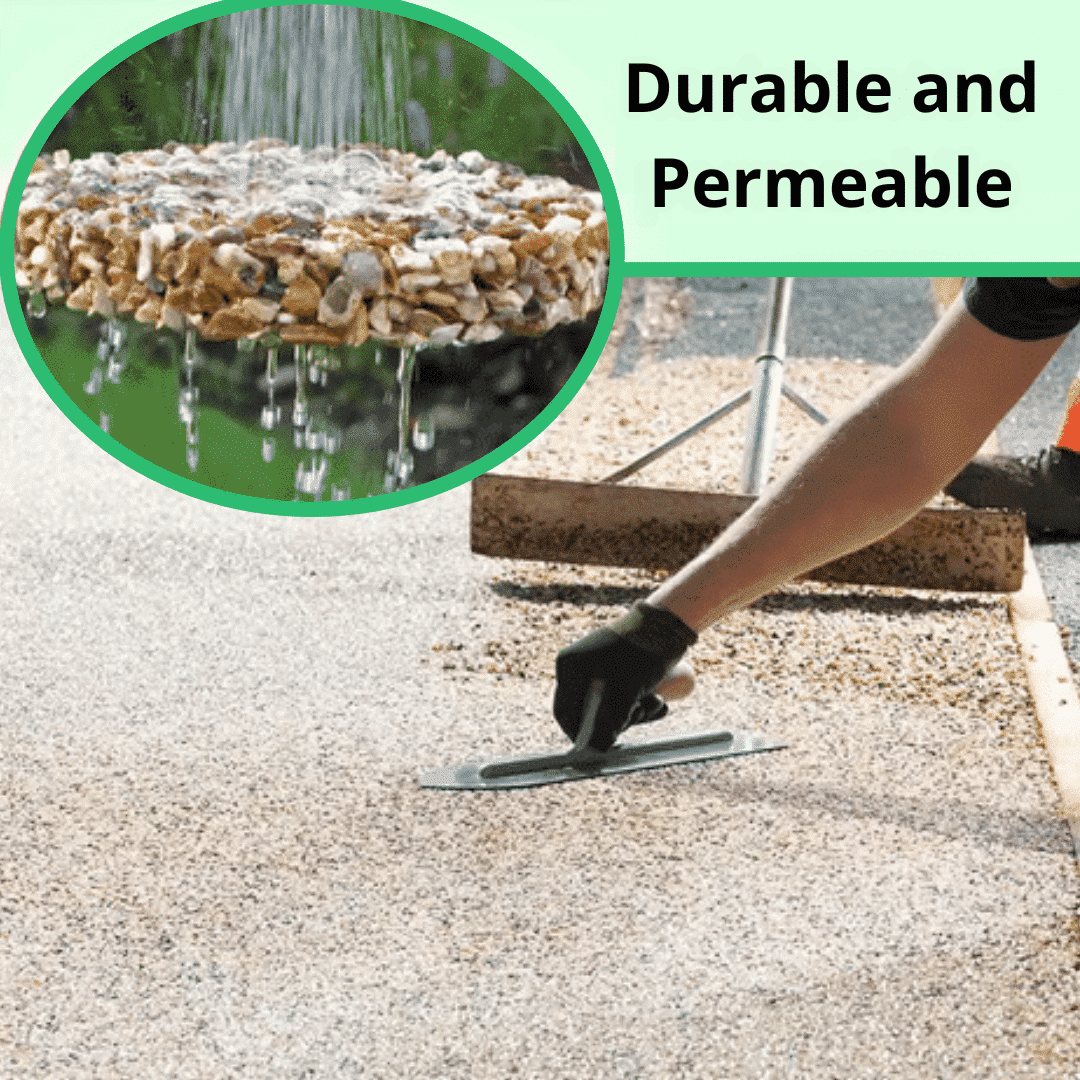
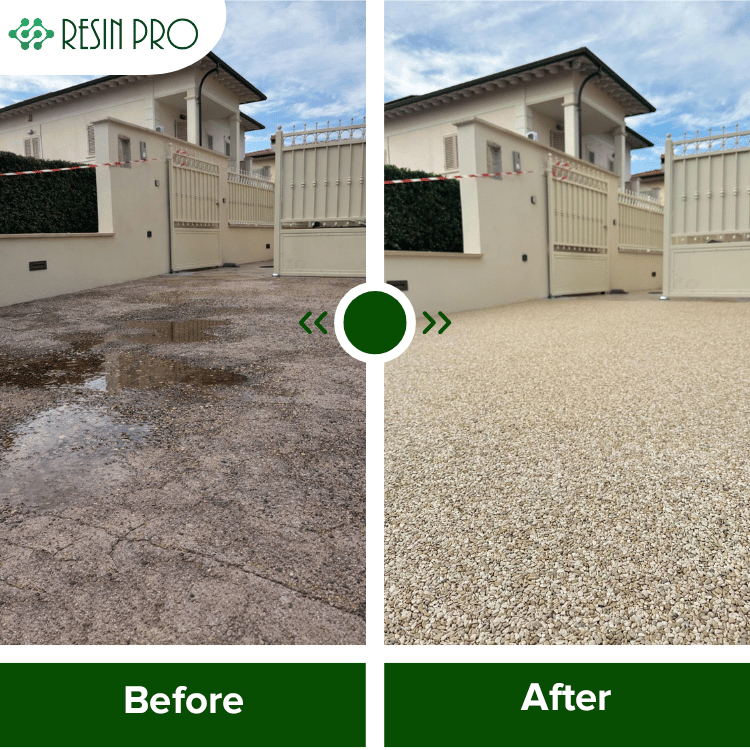
Choosing the right resin for your floor isn’t just about appearance—different types can influence the durability, use cases, and, importantly, how much area you’ll be able to cover. Understanding the main floor resin categories and their comparative coverage will help you plan and buy more efficiently.
Main Types of Floor Resin
Most flooring projects use one of three main resin products:
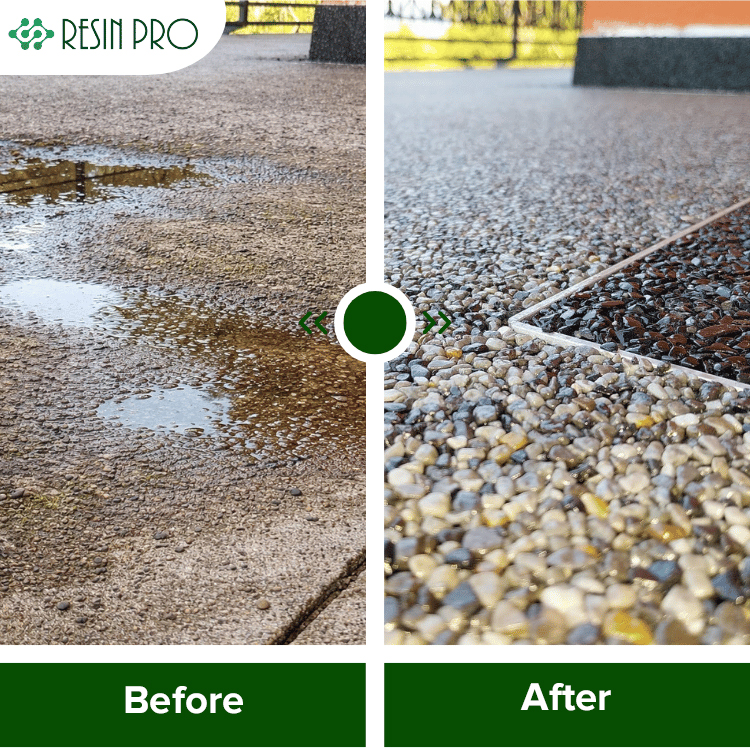
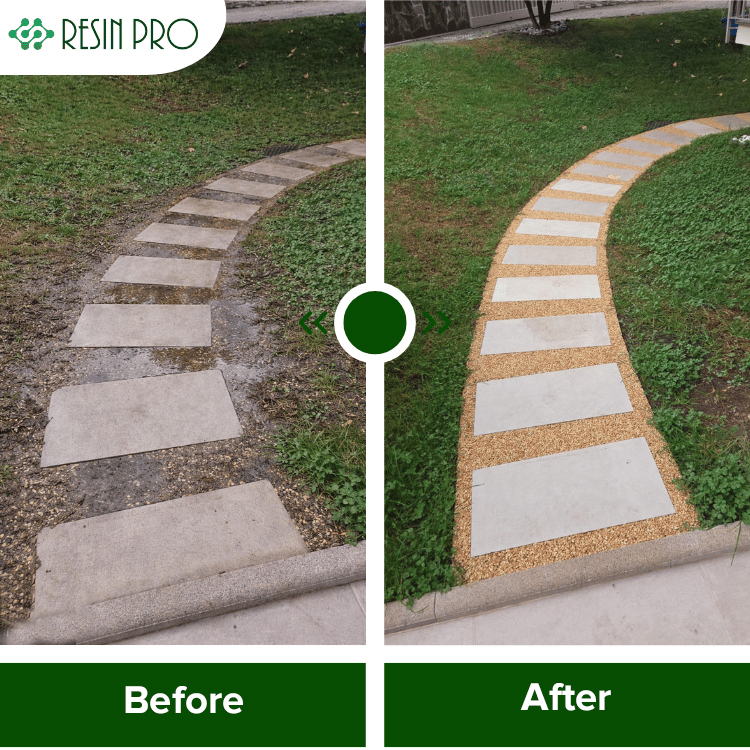
- Permeable resin systems combine resin and aggregate (such as pebbles), creating a porous surface for driveways or patios that allows water to drain through. Kits like the “Flowstone” Complete Permeable Floor Kit offer all-inclusive solutions, sized by square metres.
- Epoxy coatings deliver a smooth, self-levelling surface, ideal for interiors, high-traffic areas, or as a binder for coloured stones. Coverage is influenced by substrate condition and the required thickness.
- Polyurethane (PU) coatings are valued for flexibility, abrasion resistance, and suitability for surfaces exposed to UV or heavy use. A product such as “Prolux” is often selected for garages, workshops, or external car parks.
How Coverage Compares
Certain resins cover more area per unit depending on their purpose and the substrate:
- Permeable resin kits are typically supplied with sufficient resin and stone to cover the specified area (often 1-2 m² per kit at standard thickness), making planning straightforward.
- Epoxy binders for pebbles (like “Trasparente”) generally need about 13 kg resin to bond 432 kg of stones per 1.44 m² at 20 mm depth, though quantities will vary by blend and thickness.
- PU and epoxy coatings for concrete or tiles have higher spread rates due to their liquid form—expect product guidance to indicate approximate coverage (for example, around 145 g/m² for “Prolux” or 40-60 g/m² per layer for thinner sealers like “Resinstone”).
Always refer to each product’s recommended guidelines to match coverage to your floor’s condition and thickness.
When to Choose Each Type
Your choice depends on project requirements:
- Pick permeable resin for outdoor spaces where drainage is vital.
- Consider epoxy binders to stabilise decorative stones or where a self-levelling finish suits your interior aesthetic.
- Opt for PU coatings on surfaces requiring greater flexibility, UV resistance, or enduring mechanical wear.
Related products
Related guides
Selecting the right floor resin ensures your project not only looks great but also achieves the coverage and resilience you need. For a deeper look at planning coverage for your surface, visit our main guide on how many square metres you can cover with floor resin.