 Free shipping on orders over £29,85
  Shipping Tracking!


 Google
 Facebook
← Back to How much catalyst is needed for 200 g of resin?


Achieving a strong and flawless resin result depends on more than just measuring components correctly. The way you mix your resin with the catalyst or hardener can make all the difference to the finish, clarity, and strength of your project.
The Right Stirring Technique
To blend resin and catalyst effectively, use a slow, steady stirring motion for several minutes. Be sure to scrape the sides and bottom of your mixing container as you go—this helps incorporate every bit of both components. Continue mixing until the blend appears completely clear and even, with no cloudy streaks or visible separation. Patience and thoroughness ensure a reaction that produces a high-quality finish.


Practical Tips for Bubble-Free Results
- Choose a flat-sided, clean mixing stick for easier scraping and less air incorporation.
- Mix gently to reduce the risk of bubbles—vigorous stirring can introduce unwanted air.
- Allow the mixed resin to sit briefly after stirring; this lets surface bubbles rise and pop before application.
- For demanding applications, select a resin like our “Carbon Resin”, formulated to minimise bubble formation during impregnation.
When Careful Mixing Matters
Meticulous mixing is vital for large pours, intricate moulds, and projects needing structural strength or visual clarity. Insufficiently stirred resin may cure unevenly or develop weak, sticky spots, especially on surfaces like tables, jewellery, or artwork where appearance and durability count.
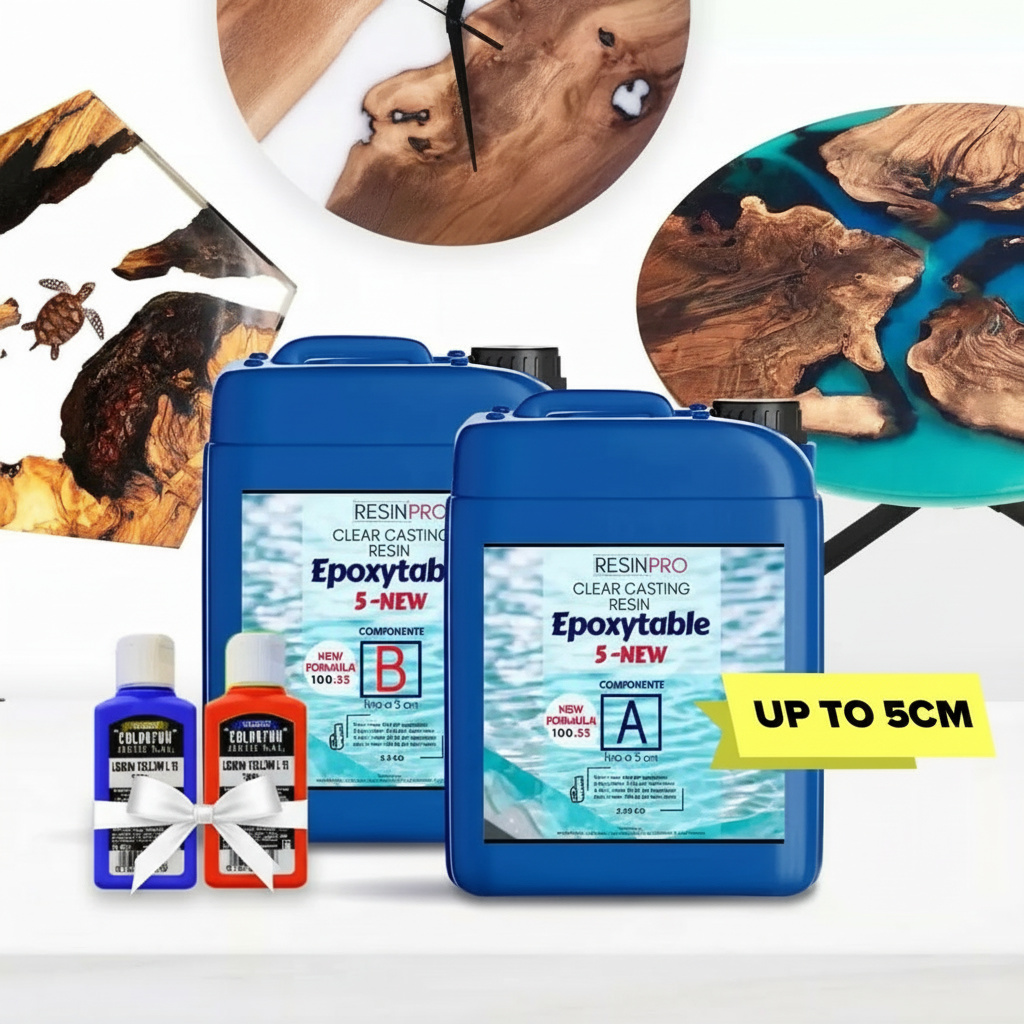
Related products
Related guides
By following proper mixing techniques for resin and catalyst, you set the stage for successful casting and coating projects. For more advice on ratios or mixing, see our main guide on calculating catalyst for different resin weights.